

Ultimate 1000-Gallon Flexible Water Tank for Safe and Reliable Storage
Ultimate 1000-Gallon Flexible Water Tank for Safe and Reliable Storage
So here's a question for you.
When was the last time you actually thought about your water situation? Like, really thought about it?
Most of us don't. We turn on the tap, water comes out, life is good. But then something happens. Maybe it's a storm that knocks out power for a week and suddenly the well pump doesn't work. Maybe you buy a piece of land out in the country and realize there's no water line anywhere near it. Maybe you just get tired of watching your garden struggle through August while you stand there with a hose feeling helpless.
I've been through a few of those moments myself. And what I've learned is that storing water is one of those things everybody means to do, but hardly anybody actually does. Because honestly? It's a pain.
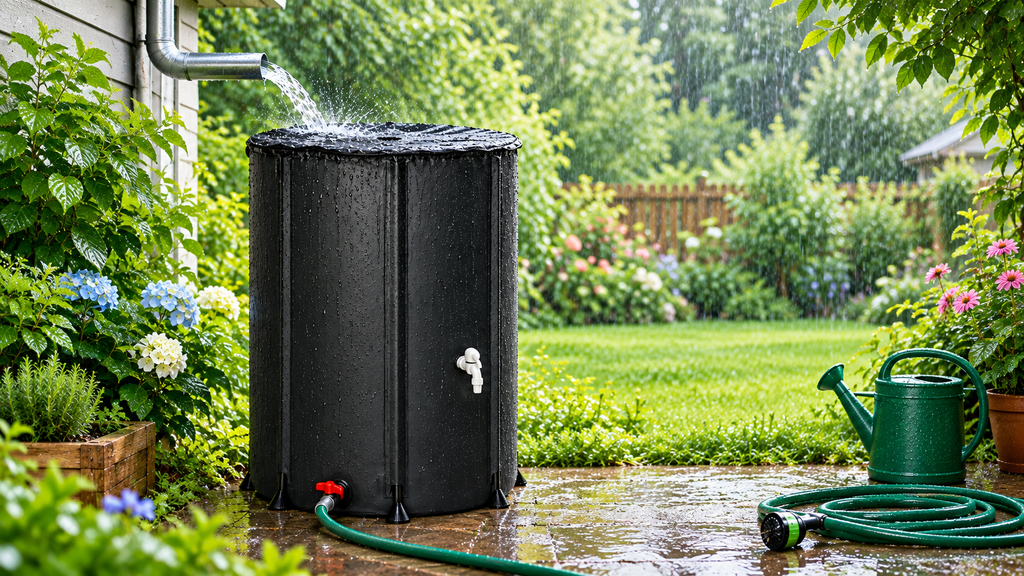
Those blue 55-gallon drums everyone recommends? Good luck getting them into your basement. Those stacks of water bottles from the grocery store? You'll use them for a week and then they're gone. Rain barrels are great until it doesn't rain for six weeks.
This is exactly why a 1000-gallon flexible potable water tank is the smart storage solution for so many different situations. It fixes problems you didn't even know you had until you're standing there wishing you'd planned better.

The Day I Realized Rigid Tanks Are Ridiculous
I helped a friend a few years back with what seemed like a simple project. He wanted to store rainwater at his hunting camp, just a basic setup, collect off the roof, have water available during deer season when the camp is busy.
He ordered this big plastic tank. You know the kind. Hard polyethylene, looks like a giant white box, weighs a ton even when it's empty.
Getting it there was a nightmare. Barely fit in the truck. Took three of us to wrestle it off the tailgate. We had to clear a spot and level the ground and do all this prep work because once that tank goes down, it's not moving ever again.
Then he realized he actually wanted it in a different spot. Too bad. That tank weighed probably 200 pounds empty and there was no way we were moving it again.
A few months later I found out about these flexible tanks and honestly I was kind of annoyed. Why does nobody tell you about these things?
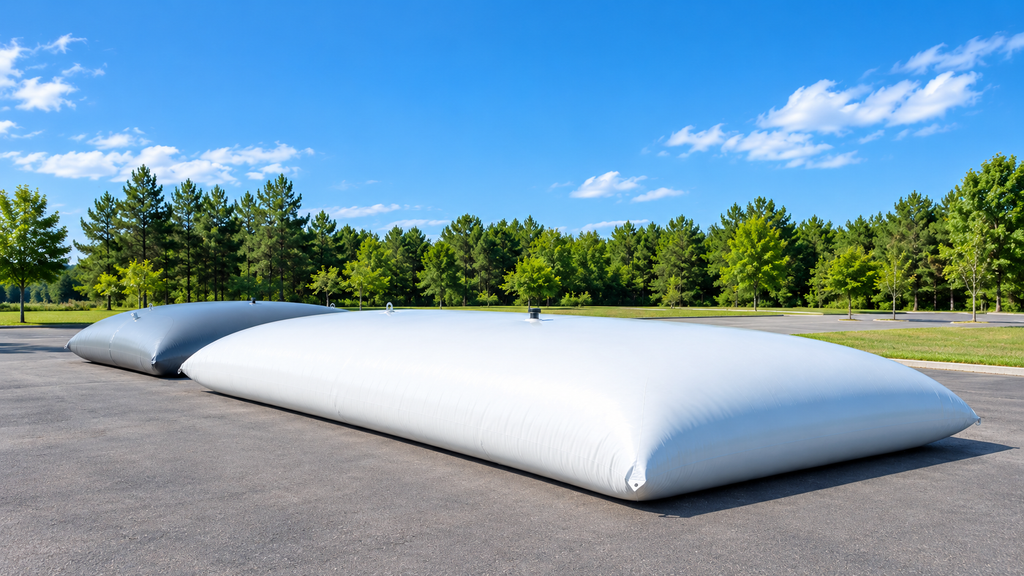
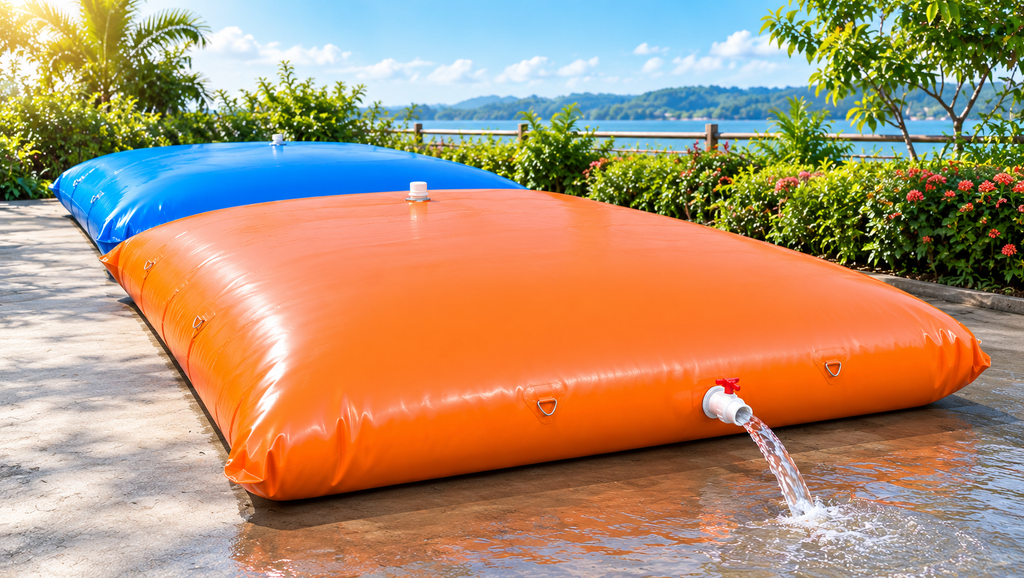
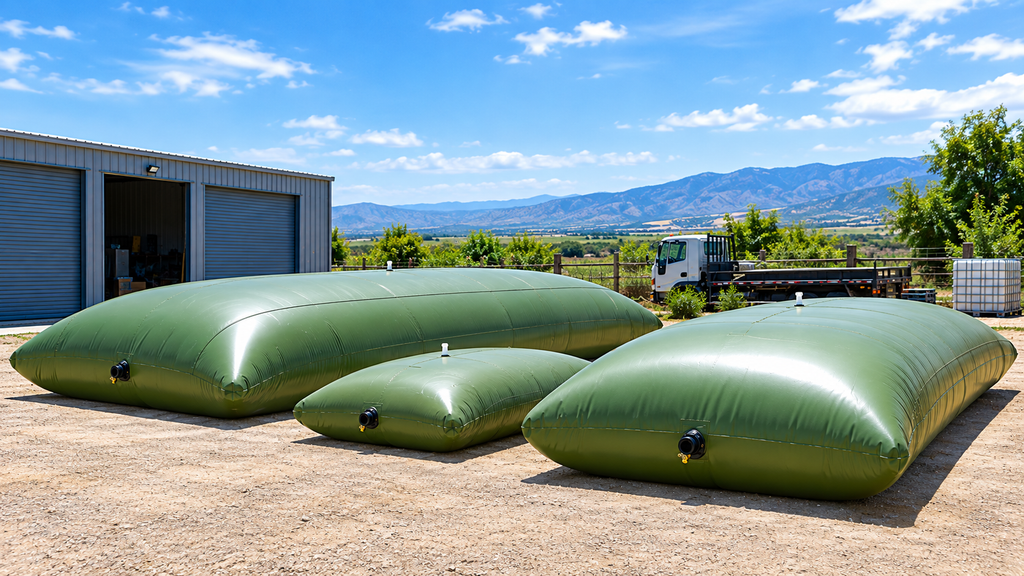
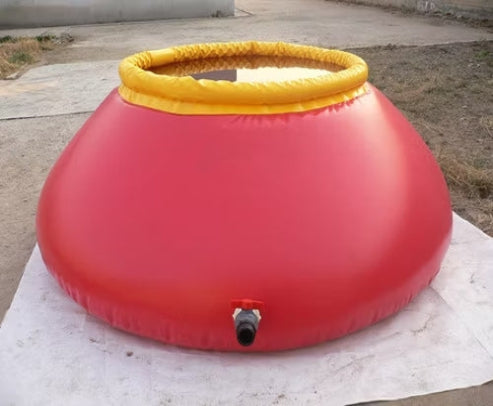
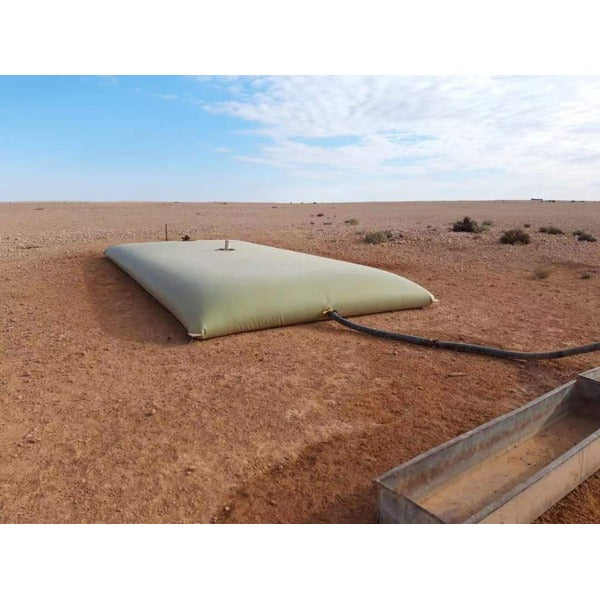
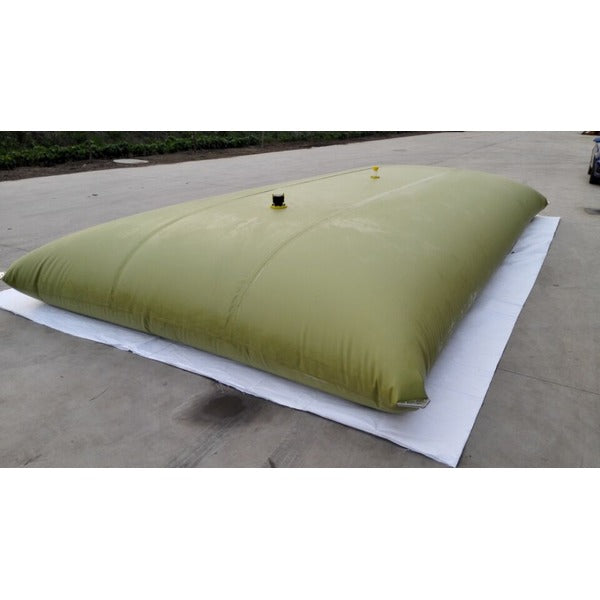
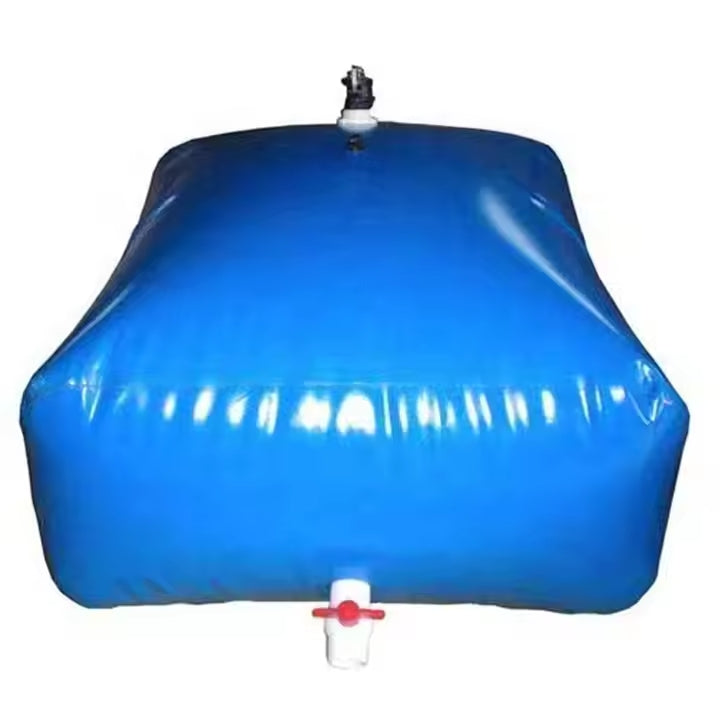
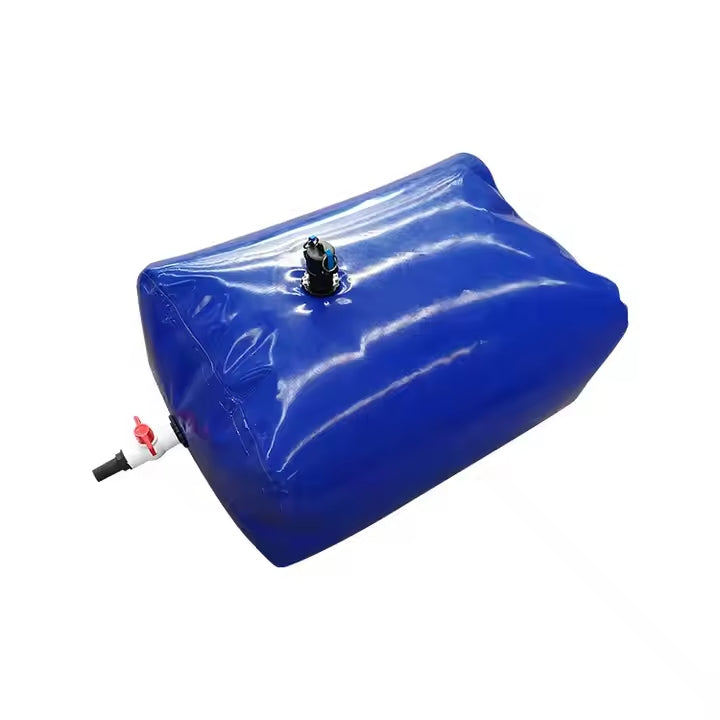
The 1000-gallon flexible water tank shows up in a box. You carry it wherever you want by yourself. Basement, crawlspace, truck bed, flat trailer, doesn't matter. You just put it there, fill it up, and somehow 1,000 gallons fits in a space you wouldn't think could hold 100.
What It's Actually Made Of
Okay so let's talk about the material because this matters more than you'd think.
It's food-grade. That's the first thing. Regular plastic or rubber can leach stuff into water over time, especially if it sits in the sun or gets warm. You don't want your emergency water tasting like a tire factory.
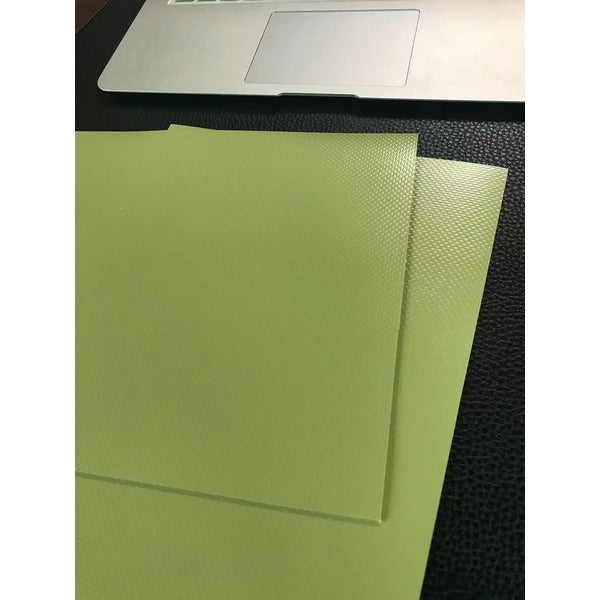
This stuff is made from TPU or PVC fabric that's specifically designed for drinking water. Same material they use for military water storage and disaster relief operations. No smell, no taste, just water.
And it's surprisingly tough. UV resistant so it won't turn into brittle crap if you use it outside. Handles hot and cold without getting soft or cracking. I've seen these things used on construction sites in the desert and at mountain camps where it freezes at night. They just keep working.
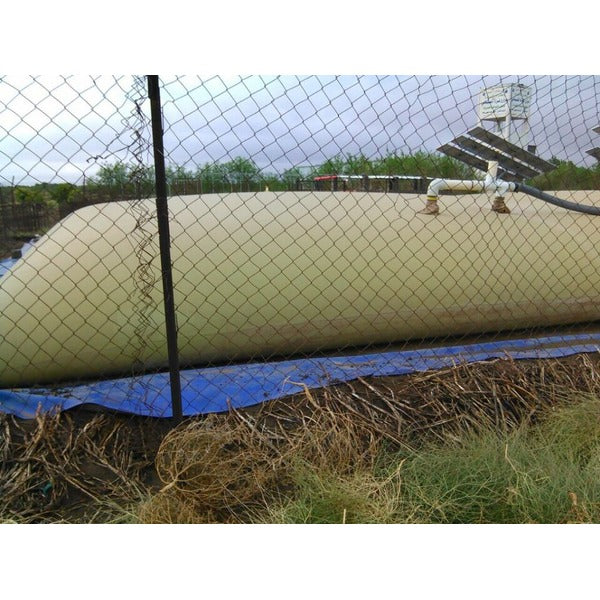
The flexible part isn't just about moving it around either. When it's full, it settles into whatever surface it's sitting on. Uneven ground? Fine. Truck bed with a slight curve? No problem. It just conforms and sits there happy.
A Thousand Gallons Is Actually a Lot
Let's put that number in real terms because 1,000 gallons sounds abstract until you think about what it means.
That's enough water for a family of four to live on for a couple months if they're careful. Drinking, cooking, basic washing. That's real security.
That's enough to get your garden through a serious drought without losing everything you planted.
That's enough to supply a remote work crew for weeks without sending someone into town every other day.
For emergency prep people, that's actual peace of mind. Not the fake kind you get from buying a few cases of bottled water. The real kind where you know if something goes sideways, water isn't going to be your problem.
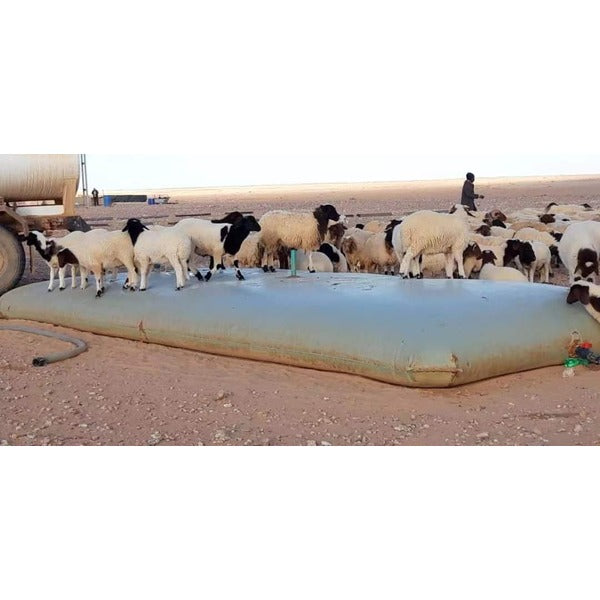
And because the tank lays flat when it's full like a giant water pillow it doesn't create the kind of pressure that blows out seams or fittings. It just sits there low to the ground, stable and boring, doing its job.
Where I've Seen These Things Used
Once you know about these tanks, you start noticing them everywhere.
Guy down the road from me uses one to store rainwater off his barn. During wet months he fills it, then gravity-feeds to his livestock troughs through the dry season. Said it saved him last year when the creek dried up.
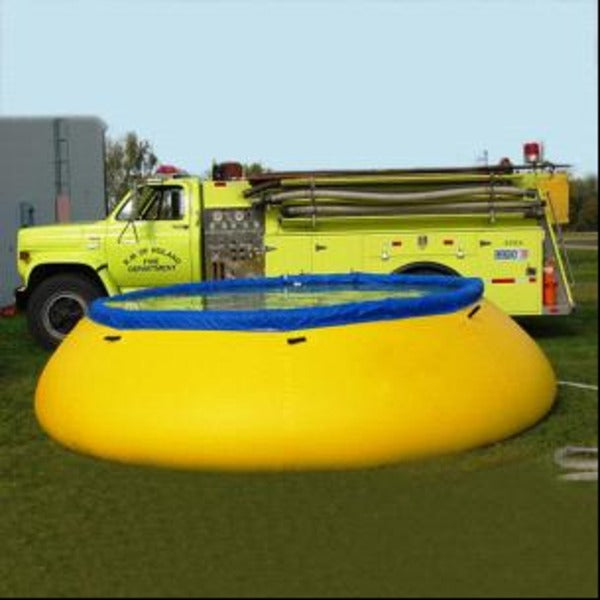
A friend who does disaster response work keeps a few stacked in their warehouse. When they get called somewhere after a hurricane, they throw them in a truck empty, find whatever water source is available on site, a pool, a pond, a municipal line that's still working and they've got clean drinking water set up in hours instead of days.
Construction companies love these things for remote sites. No more sending a pickup truck into town twice a day for drinking water and wash water. Fill it once Monday morning, use it all week.
Even people with boats use them. Marinas sometimes have sketchy water pressure or questionable supply. Bring your own water in a flexible tank, pump it onboard, know exactly what you're getting.

How It Actually Works
If you're used to fighting with rigid tanks and complicated fittings, this part is going to feel like cheating.
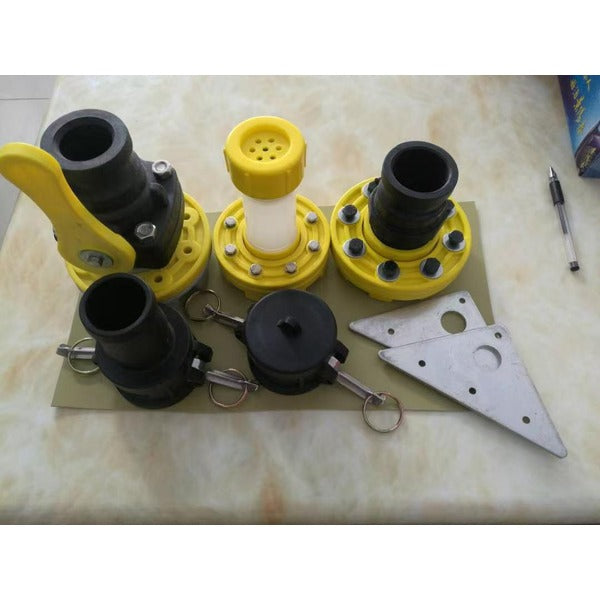
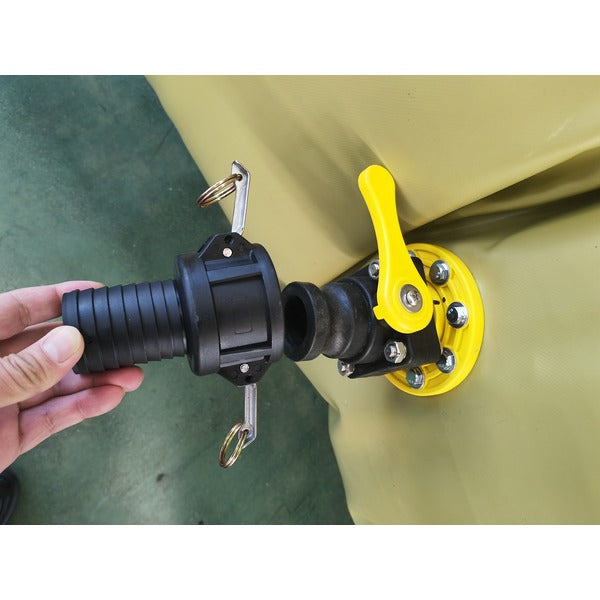
You open the box. You lay it flat on whatever clean surface you've got ground, truck bed, garage floor, doesn't matter. You hook up your hose to the inlet fitting, which is standard and easy. You turn on the water.
That's literally it. No tools. No assembly. No swearing.
When you need water, you either hook a hose to the outlet or drop a pump in through the top opening. When it's empty, you drain it, fold it up, put it back in the box until next time.
The Thing Nobody Told Me
Here's something I learned from someone who'd been using these for years.
Put something under it. A tarp, an old piece of carpet, the groundsheet they sell with it. The tank itself is tough, but if you're setting it on rocky ground with sharp stuff, why take chances? Takes two minutes and saves you from ever worrying about a poke.
Also, if you're storing water for the long haul, use it and refill it now and then. The tank will last for years, but water left sitting forever gets stale no matter what container it's in. Rotate it like you would anything else you're storing.
So yeah. That's The Deal.
Look, water is heavy and awkward and there's no getting around that. A gallon weighs over eight pounds. A thousand gallons is more than four tons. That's just physics.
But the 1000-gallon flexible potable water tank works with that reality instead of fighting it. It goes where other tanks can't. It stores flat when other tanks take up permanent space. It gives you clean, safe drinking water without the usual headaches.
Whether you're getting ready for emergencies, living somewhere without good water access, or just tired of watching your plants suffer every dry spell, this is one of those solutions that makes you wonder why everybody doesn't do it this way.
The water hasn't changed. But how do you store it? That's a whole different conversation now.
If you want to look at the specifics or see the other sizes they make them from 264 gallons all the way up to 13,000 the [1000-gallon flexible water tank] page has all the numbers. Or if you've got some weird situation and aren't sure what fits, asking questions is free. Sometimes the right answer is just somebody saying oh yeah, we've got something for that.