

Small Tank, Big Impact: Efficient Rainwater Storage for Homes & Gardens
Small Tank, Big Impact: Efficient Rainwater Storage for Homes & Gardens
Let me tell you about my neighbor Gary. Gary's retired. He spends most mornings in his garden, which is this lush, green paradise full of tomatoes and peppers and flowers I can't name. Every day I'd see him out there with his watering can, walking back and forth to the spigot. Filling. Dumping. Walking. Filling. Dumping. Must've made thirty trips some mornings.
One day I asked him why he didn't just use a hose.
He gave me this look, like I'd suggested something ridiculous. Hose water's got chemicals, he said. Chlorine and stuff. Plants don't like it. Rainwater's softer. They do better.

He's probably right. But watching him make all those trips, I kept thinking there had to be a better way. Something that didn't require burying a giant tank in the yard or spending a fortune.
Turns out, there is.
The Problem With Every Rain Barrel I'd Seen
I'd looked into rain barrels before. Spent some time online, checked out what was out there. And every time, I hit the same wall.
They're huge. Like, permanently huge. You put one of those big plastic barrels in your yard and it's just... there. Forever. Taking up space. Being ugly. Freezing solid in winter and cracking. And if you ever want to move it? Good luck. Draining a 50-gallon rigid tank isn't exactly a quick job.
So I always talked myself out of it. Figured rainwater harvesting wasn't for people with normal-sized yards and normal budgets.
Then I found this thing called a flexible rain barrel, and it kinda changed how I think about the whole thing.
The Barrel That Disappears When You Don't Need It
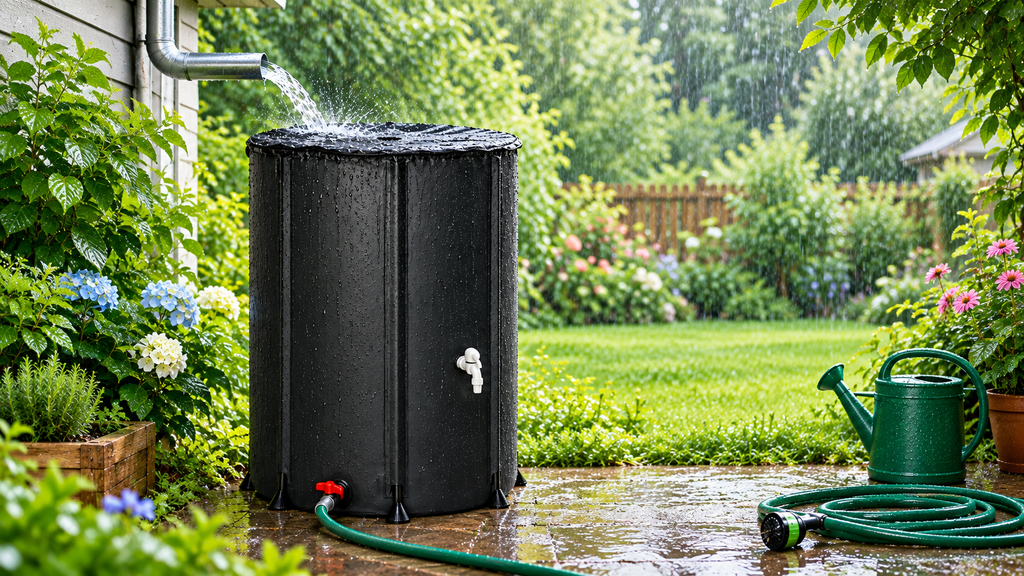
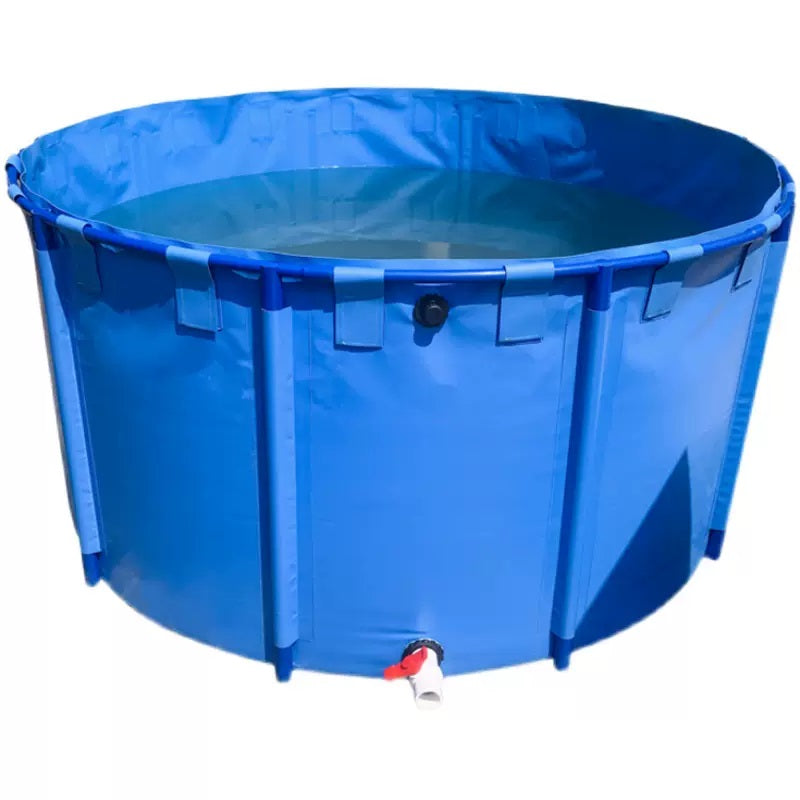
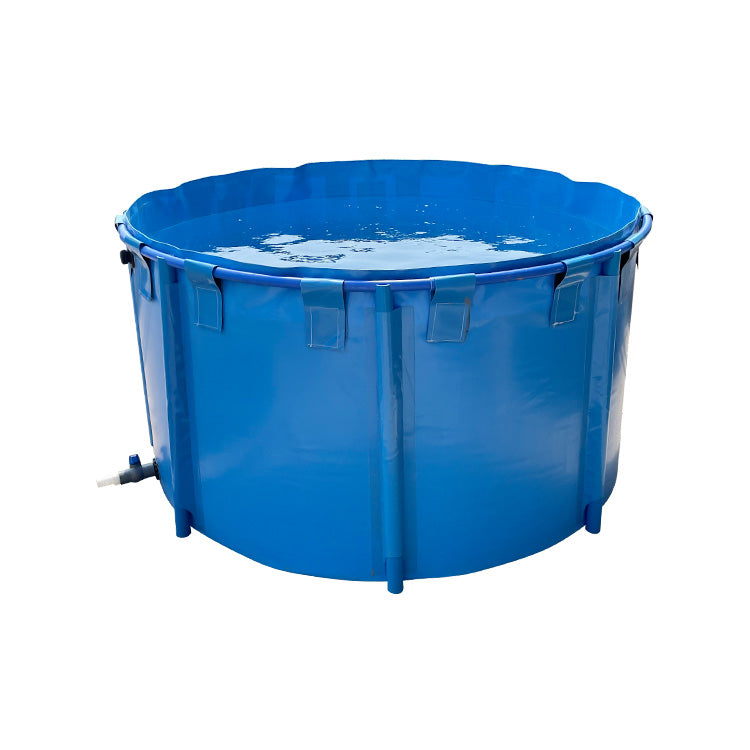
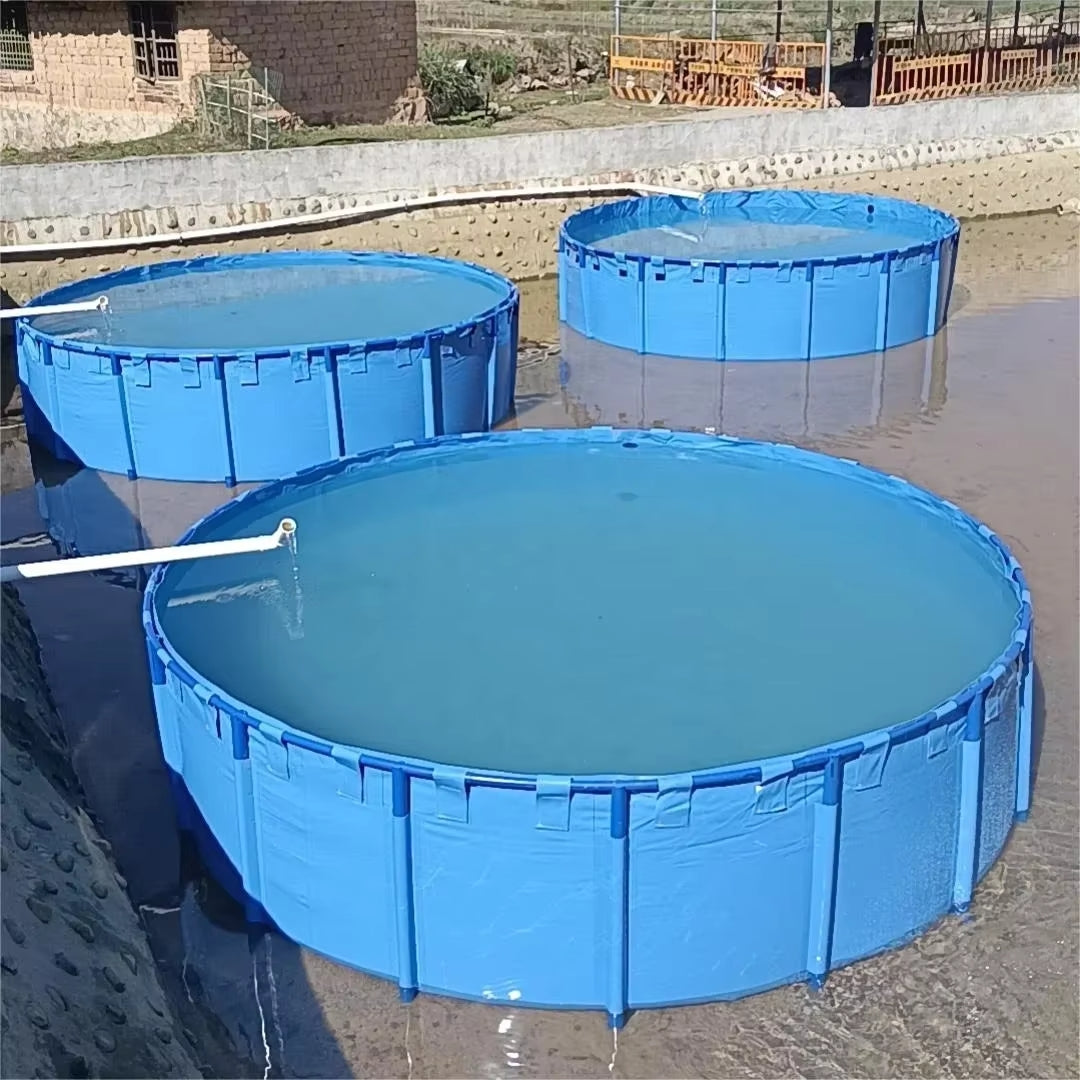
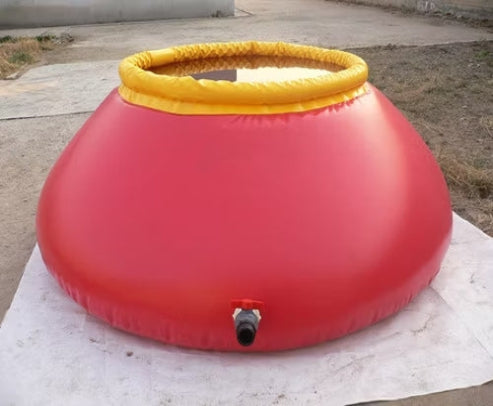
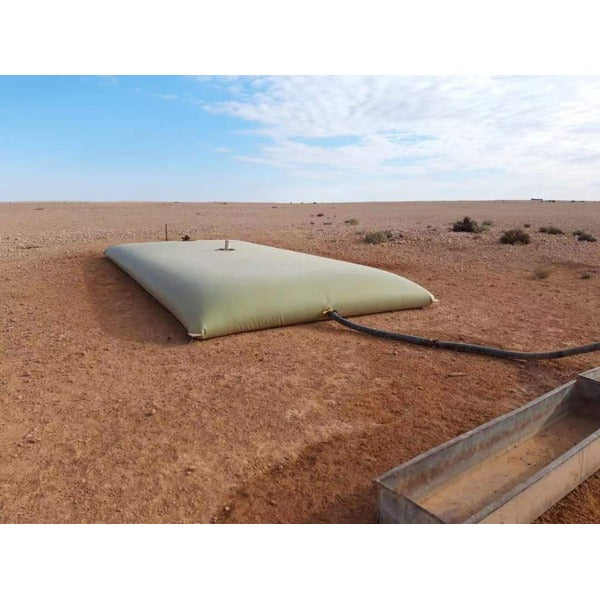
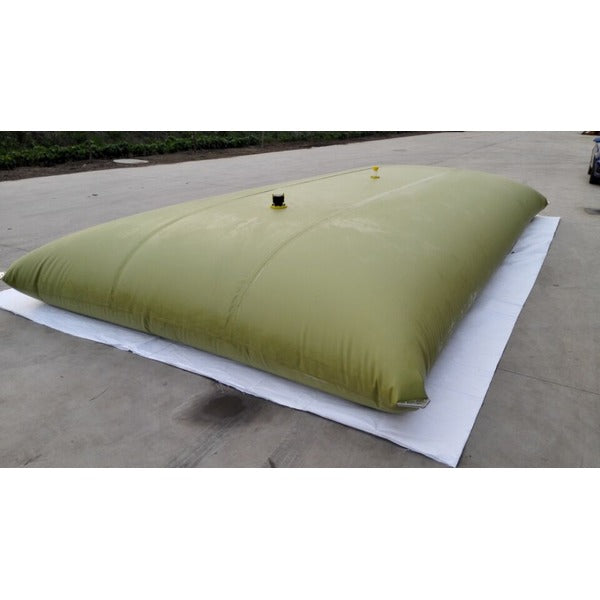
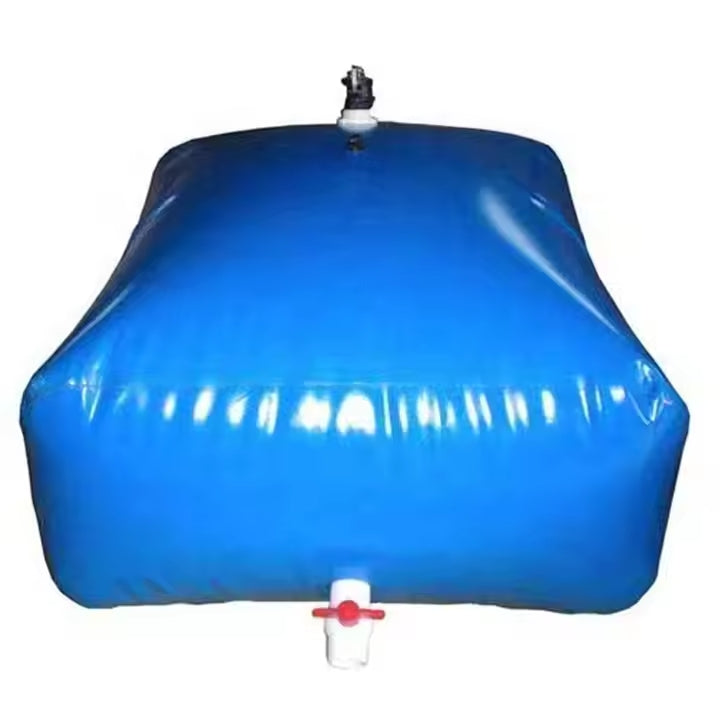
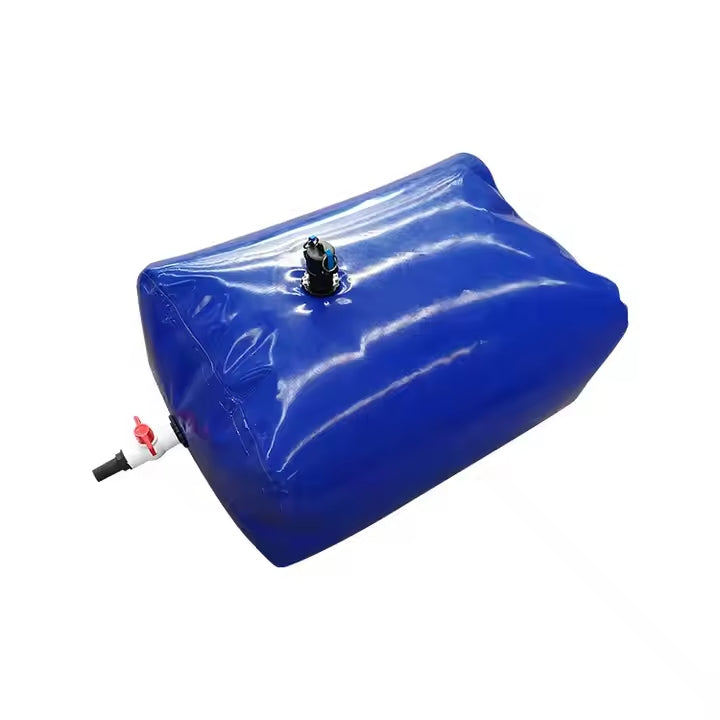
The 100L Flexible PVC Rain Barrel from Soft Liquid Tank is basically the opposite of those rigid plastic eyesores.
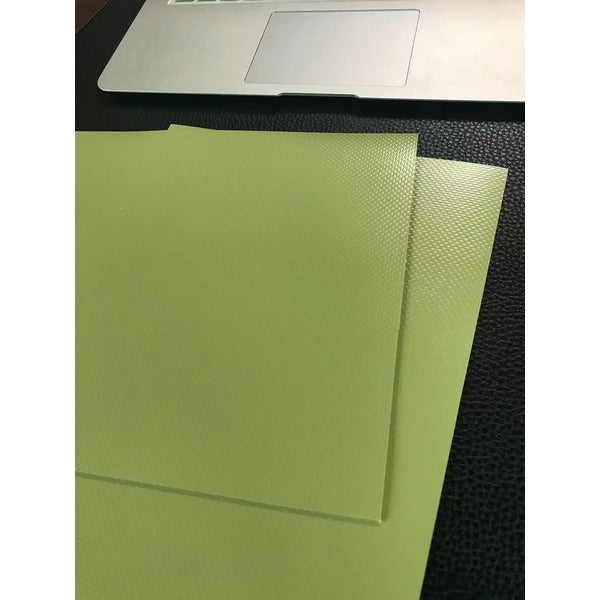
It's made from 1000D PVC mesh fabric. Same stuff they use for inflatable rafts and heavy-duty tarps. Tough stuff. UV-resistant, so it won't turn brittle in the sun. Weatherproof, so it can sit outside year-round without falling apart.
And here's the kicker: when it's empty, it folds flat.
Like, completely flat. Sticks in a closet. Slides under the deck. Disappears behind the shed. You'd never know it was there.
That was the moment I stopped making excuses. I don't have room for a permanent barrel taking up yard space. But a barrel that only exists when it's full of water? That I can work with.
Why 100 Liters Is the Perfect Size
It holds 100 liters, which is about 26 gallons. That's the sweet spot for normal people with normal yards.
Big enough to actually matter. One good rain shower on even a small section of roof will fill this thing up. And 26 gallons is weeks of watering for pots, flower beds, and vegetable gardens.
Small enough that you don't need heavy equipment to move it or a concrete pad to set it on.
And because it's flexible, you're not stuck with it in one spot forever. Want to move it closer to the tomatoes in July? Empty it, fold it, carry it under your arm. Try doing that with a rigid plastic tank.
What Actually Comes In the Box
I was expecting just a bag. It's more of a system.
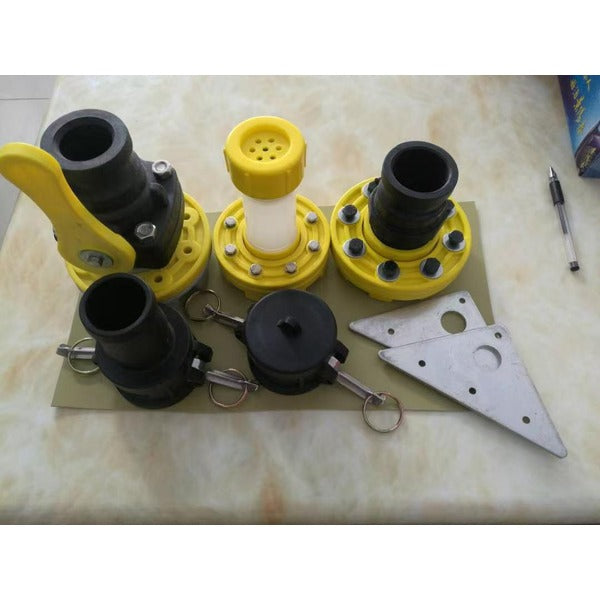
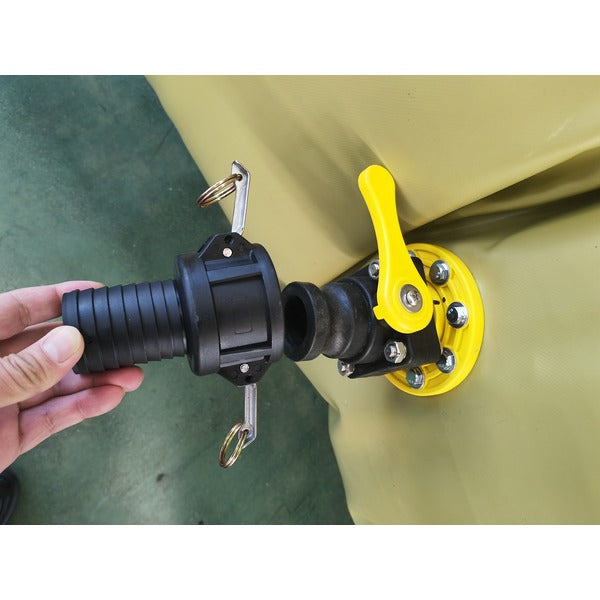
You get the PVC tank, plus 7 supporting rods that pop into place. No tools, no frustration, no calling a friend to help. There's an ABS outlet valve and a 3/4" water tap so you can actually use the water without tipping the whole thing over. The top has a removable zippered lid, which turns out to be way more useful than I expected. Easy to fill, easy to clean, easy to reach in if something falls in.
Assembly took me maybe ten minutes, and I'm not what you'd call handy. My wife came out, saw it standing there, and said, Oh, you actually put something together without swearing. High praise.
Built Tough with 1000D PVC: A New Standard
Let's talk about that 1000D PVC for a second, because it's not just marketing.
Most cheap rain barrels are made from thin plastic that gets brittle after a couple years in the sun. They crack. They leak. You end up throwing them out and feeling like you got scammed.
This stuff is different. 1000D refers to the density of the fabric 's heavy-duty, industrial-grade material. The kind of thing used for truck tarps and inflatable boats. It's got 3-ply UV-resistant polyester walls, which means it can sit in the sun day after day without breaking down.
I've had mine for over a year now. It's been through sun, rain, and a couple freezes. Still looks and works like new. When I fold it up at the end of the season, there's no cracking, no stiff spots, no signs of wear.
That's the kind of durability that makes something a buy it once purchase instead of a "buy it every few years" thing.
Where I've Actually Used Mine
Garden watering. This is the main thing. I attached a short hose to the tap, and now I can water my plants with rainwater without carrying a can back and forth. My plants seem happier. Or maybe I just want to believe that.
Car washing. Rainwater is soft water with no minerals, no spots. The car dries cleaner than with tap water. Little things.
Outdoor cleaning. Patio furniture, garden tools, muddy boots after a hike. Free water is free water.
Emergency backup. If the power goes out or something happens to the water supply, 26 gallons is a lot better than nothing. Peace of mind.
Teaching my kid. My daughter helps me water now, and we talk about where the water comes from. She thinks it's magic. Maybe it kinda is.
The Mosquito Question (Everyone Asks This)
Yes, standing water can breed mosquitoes. No, it's not a problem if you keep the lid on. The zippered top seals it up tight. No mosquitoes in, no mosquitoes breeding. Simple.

How to Start Without Overcomplicating It
If you're new to rainwater harvesting and don't want to make it a whole thing, here's the simplest path:
-
Put the barrel under a downspout or wherever water runs off your roof. Flat ground helps but isn't strictly required; the flexible base adjusts a bit.
-
Pop in the rods. They click into place. No tools.
-
Wait for rain. Or cheat and fill it with a hose once to test everything.
-
Use the tap. Watering can, short hose, whatever works for you.
-
Drain and fold when winter comes or when you need the space.
That's it. You're now a rainwater harvester. Took ten minutes and zero expertise.
Why This Actually Matters
Look, I'm not gonna pretend one rain barrel saves the planet. But here's the thing about water.
Every gallon you use from the tap was treated at a plant, pumped through pipes, and delivered using energy and infrastructure. It's not free, even if it feels that way when you turn the tap.
Every gallon you collect from your roof is free, untreated, and perfect for plants. It's water that would've just run down the street, now watering your tomatoes instead.
Multiply that by a million homes, and it adds up. Real water savings. Real lower bills. Real resilience when the summer gets dry and the city starts asking everyone to conserve.
And you don't need a massive system to be part of that. You just need one small tank that fits your space.
The Bottom Line From Someone Who Waited Too Long
I spent years not collecting rainwater because I thought it required space I didn't have and equipment I didn't want. Gary's still out there with his watering can, making trip after trip. Forty times a day. In the heat.
Meanwhile, I've got a flexible barrel tucked behind my shed that fills itself when it rains and folds away when it's empty. My plants are watered. My water bill's a little lower. And I feel slightly less guilty every time I turn on the hose.
The 1000D PVC construction means I'm not worried about it cracking or wearing out. It's built to last, which is nice because I don't want to think about this again.
If you've been thinking about harvesting rain but didn't know where to start, this is the place. One barrel, 26 gallons, folds flat. It's the easiest entry point there is.
Set it up, wait for rain, and watch your garden thank you. You might wonder why you waited so long.