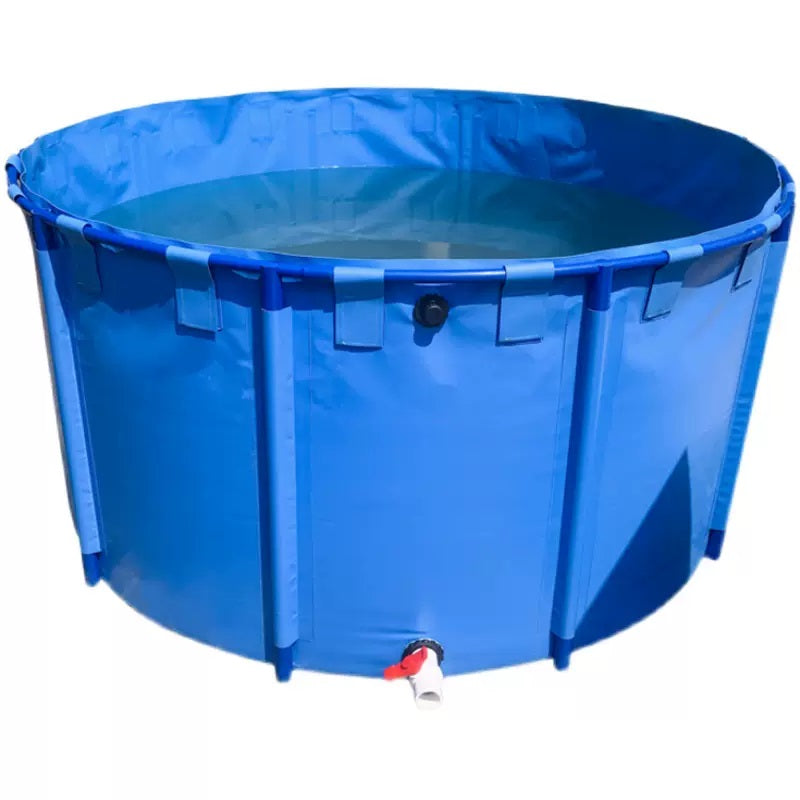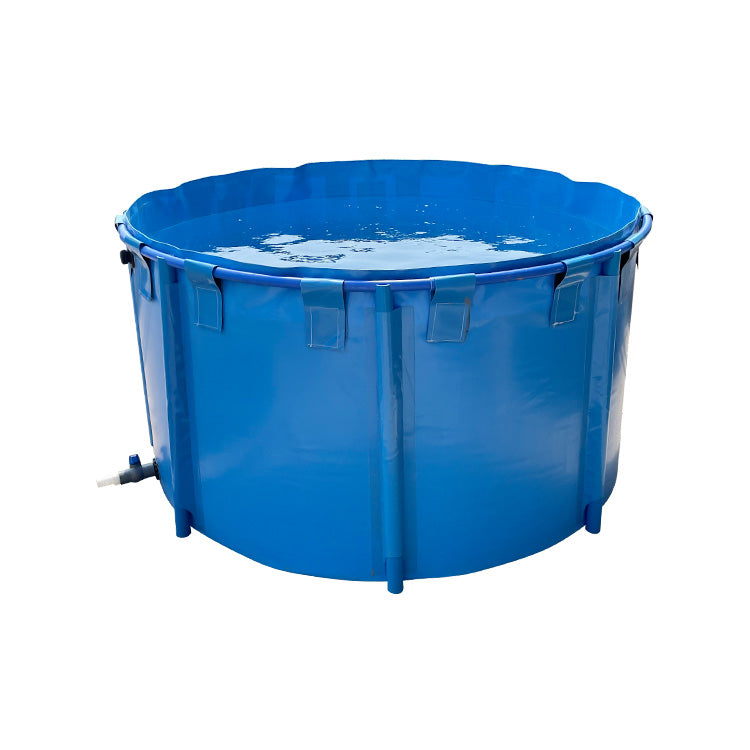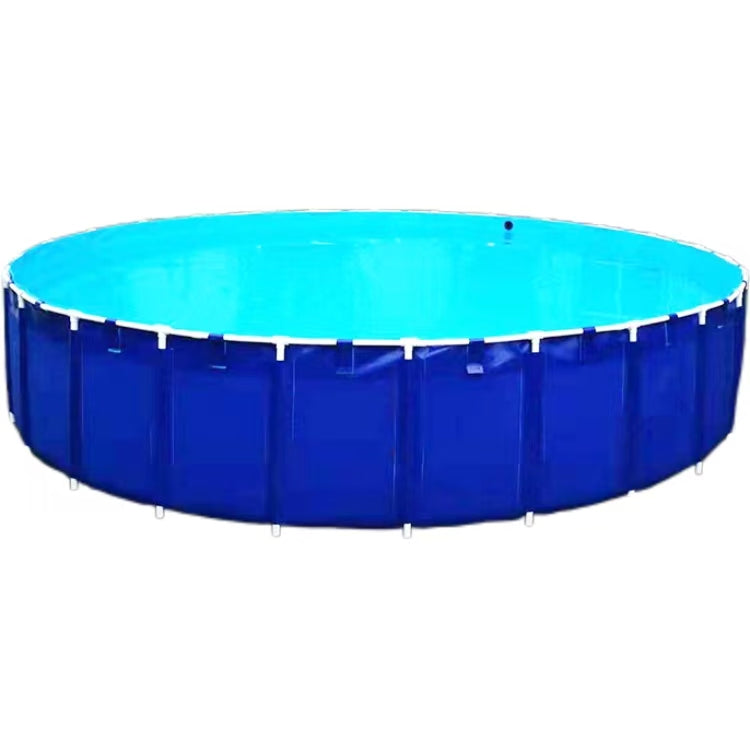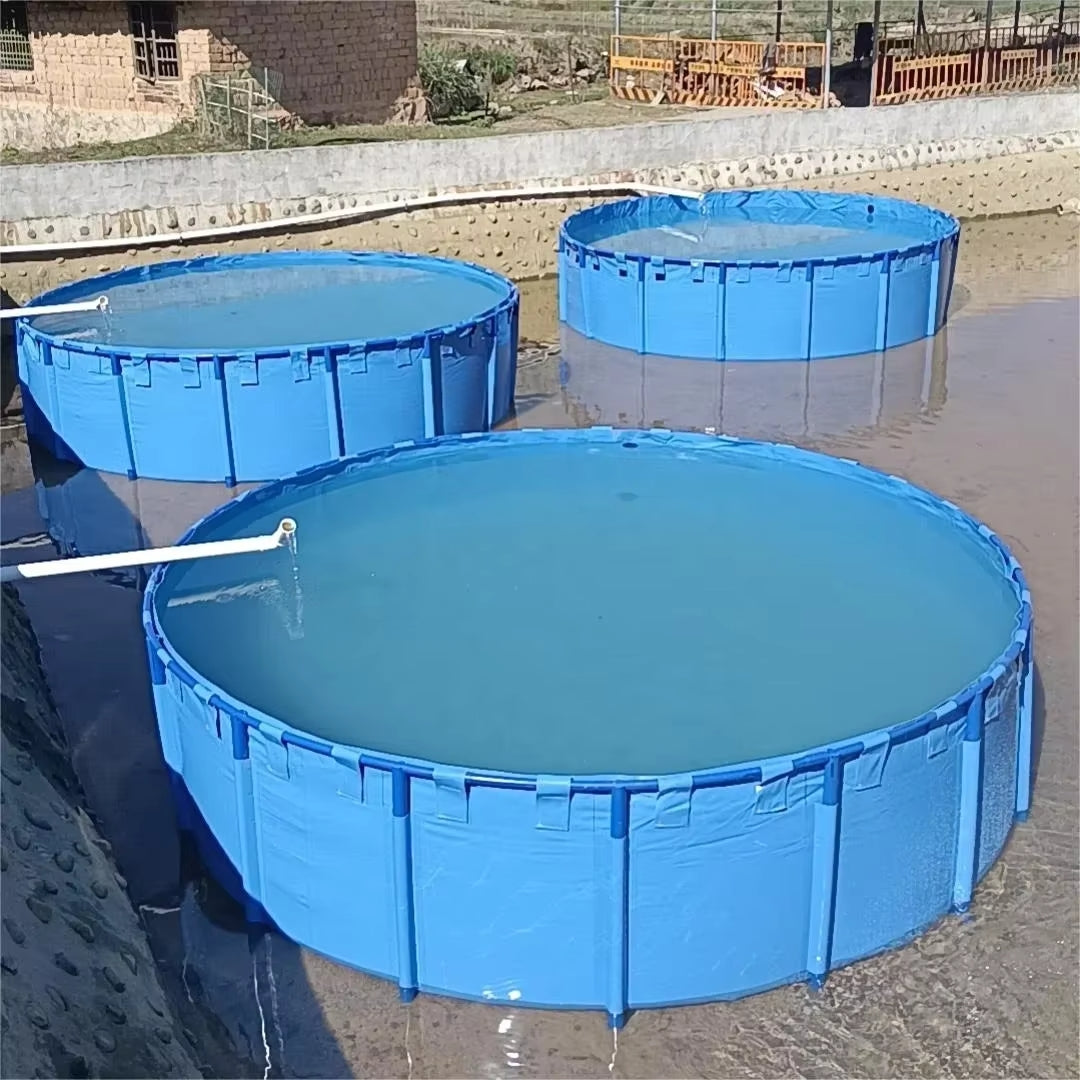

How 1000-Gallon Flexible Tanks Simplify Potable Water Storage.
Storing a large volume of drinking water can be challenging when space, transportation, installation, and infrastructure are limited. Traditional concrete, steel, and rigid plastic tanks can provide dependable storage, but they are often difficult to relocate and require a permanent footprint.
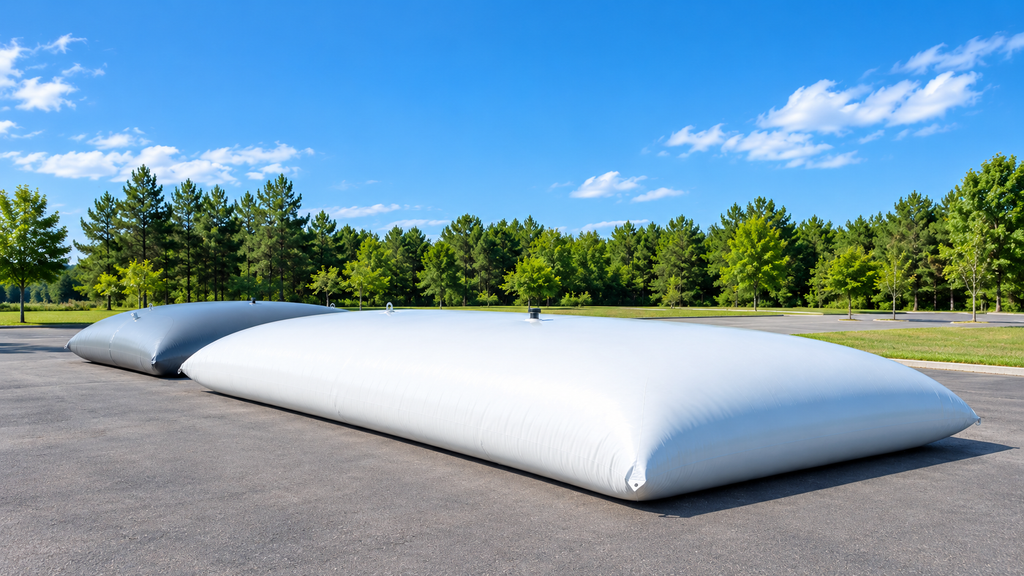
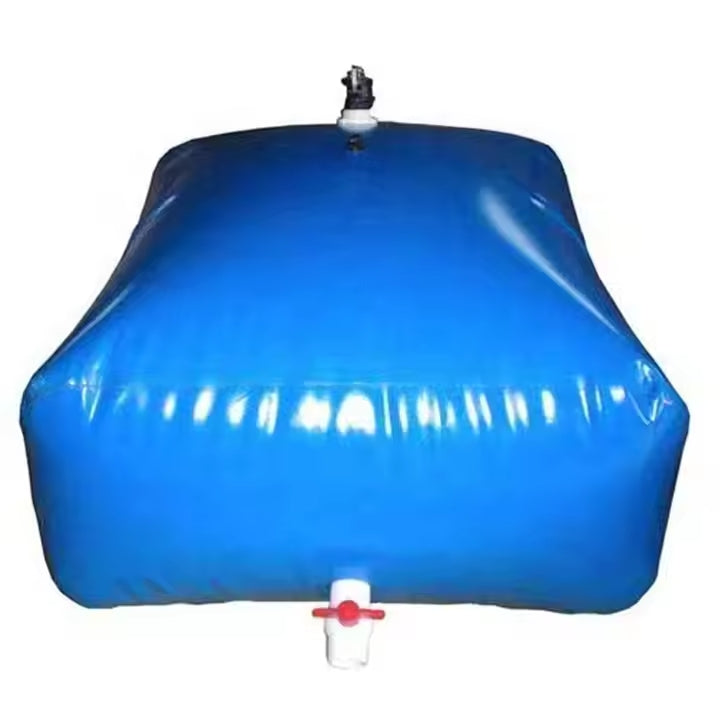
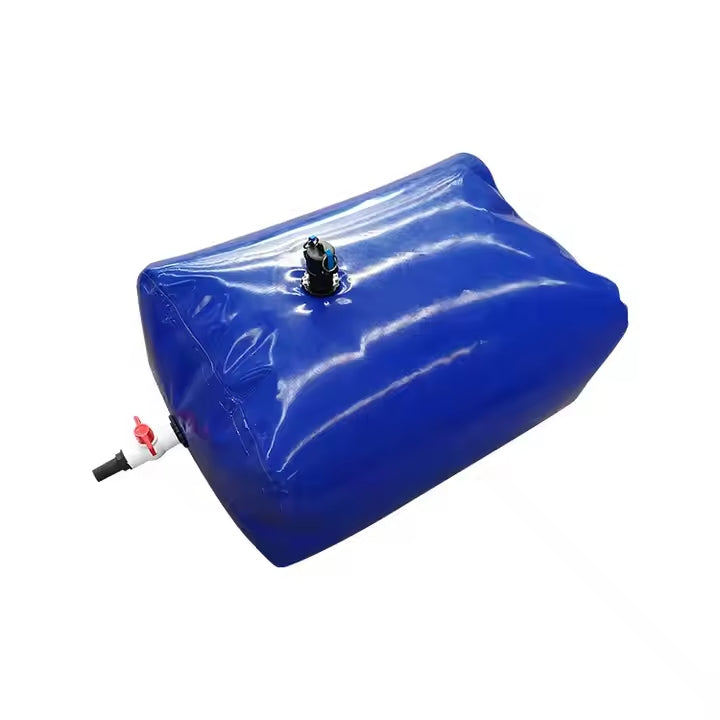
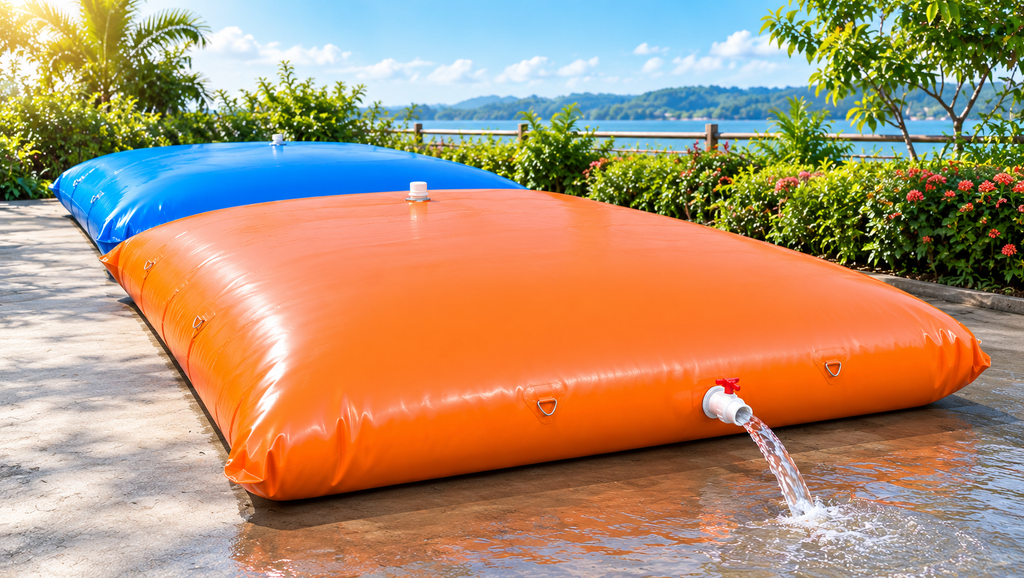
A 1000-gallon flexible potable water tank offers a different approach. Its flexible pillow-style construction can store a substantial volume of drinking water while remaining foldable, portable, and suitable for ground, vehicle, or marine deployment. The Soft Liquid Tank model uses food-grade TPU/PVC fabric and is designed specifically for potable water storage and transport.

What Is a 1000-Gallon Flexible Water Tank?
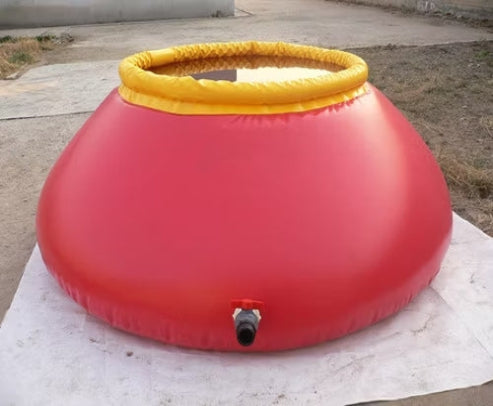
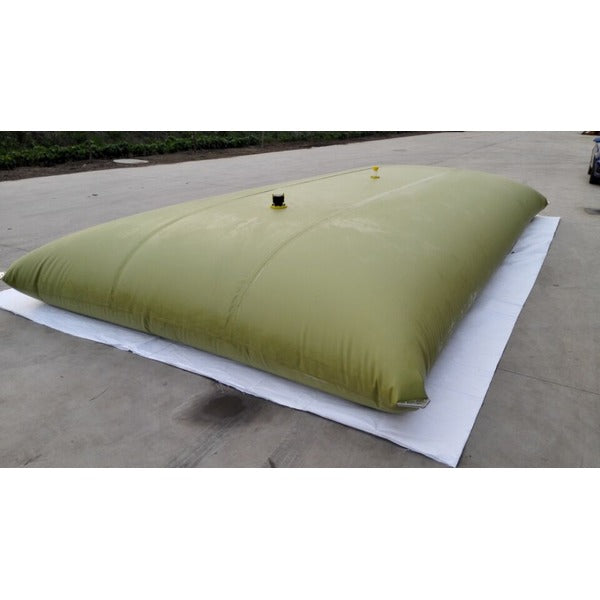
A flexible water tank is a collapsible storage bladder that expands as water is added and folds down when empty. Unlike rigid tanks, it does not need to maintain a fixed shape when it is not being used.
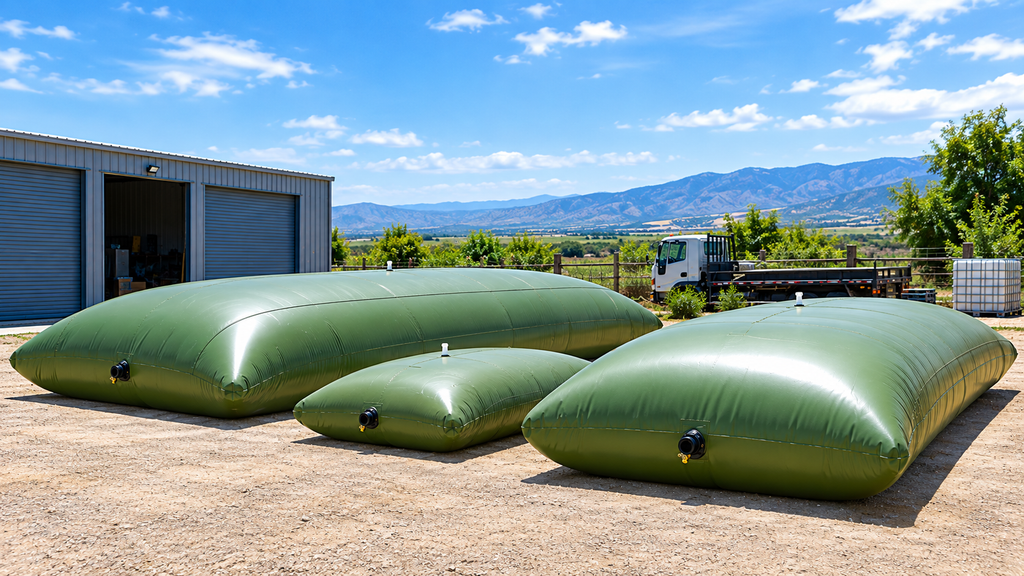
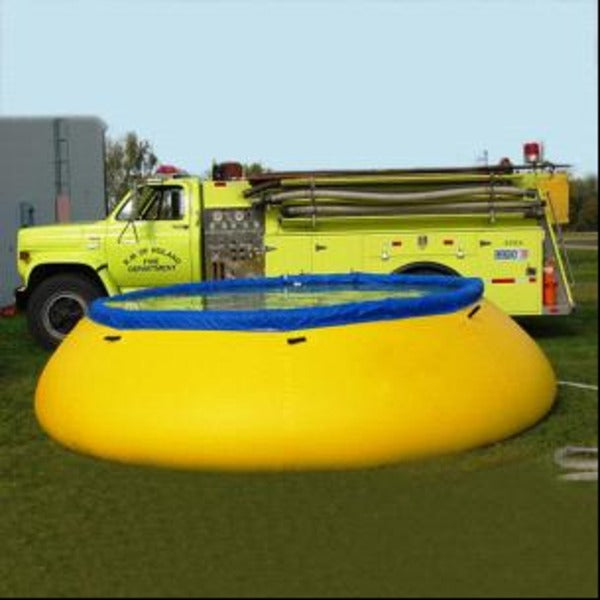
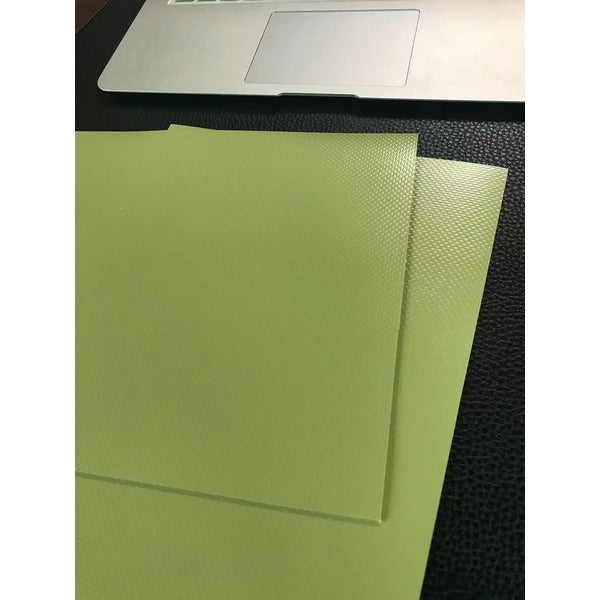
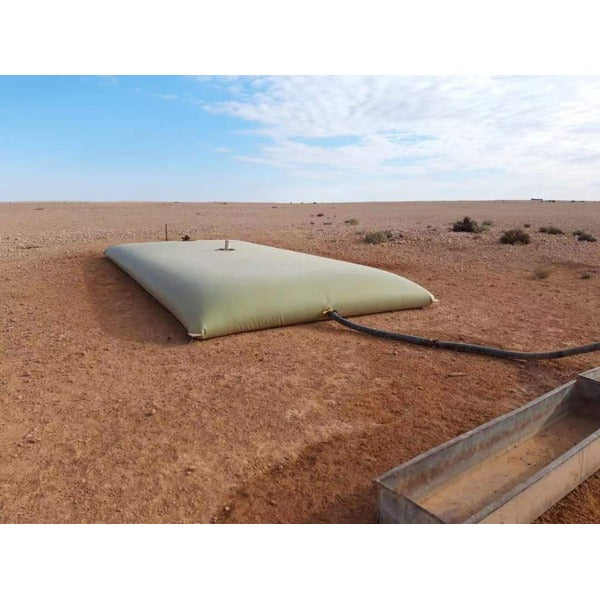
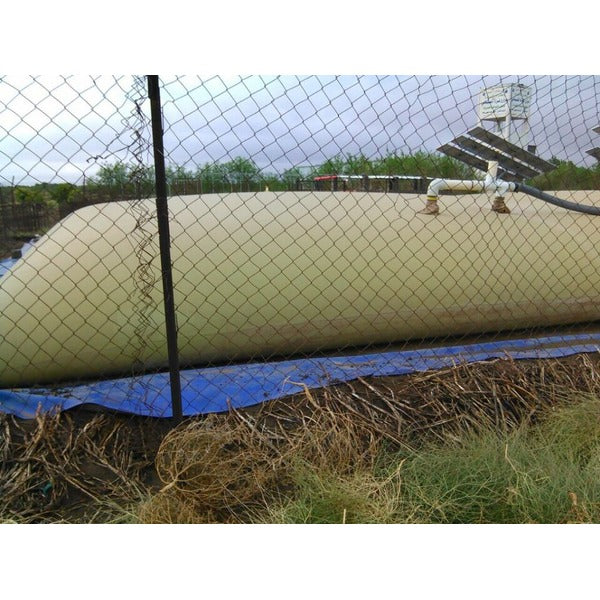
The featured 1000-Gallon Flexible Potable Water Tank is a pillow-type bladder manufactured from food-grade TPU/PVC fabric. It is designed for drinking-water storage and can be deployed on the ground, in a truck bed, or in marine environments.
This combination of capacity and flexibility makes it useful for applications where conventional storage tanks may be inconvenient.
Why Choose Flexible Potable Water Storage?
The main advantage is space efficiency.
A rigid tank occupies its full footprint whether it is full or empty. A flexible tank can be folded for transportation and storage after the water has been removed. This can make a significant difference for temporary projects, emergency response teams, mobile water systems, and remote operations.
The product page also highlights UV resistance, corrosion resistance, temperature tolerance, and a low-profile collapsible design.
Key advantages include:
● 1,000-gallon potable water capacity
● Food-grade TPU/PVC construction
● Foldable when empty
● Low-profile design
● Ground or vehicle deployment
● Suitable for marine applications
● UV and corrosion resistance
● Portable water storage and transport
Simplifies Installation
One of the biggest challenges with conventional water storage is installation.
Concrete tanks may require site preparation and construction, while large rigid tanks can require transportation equipment and a suitable permanent foundation.
A flexible tank provides a simpler alternative. Once an appropriate surface has been prepared, the bladder can be positioned and connected to the relevant water system. Its low-profile structure also allows it to fit into spaces where a conventional tank may be difficult to install.
This is particularly useful for temporary water supply projects.
Makes Water Storage More Portable
Portability becomes especially important when drinking water needs to move with people or equipment.
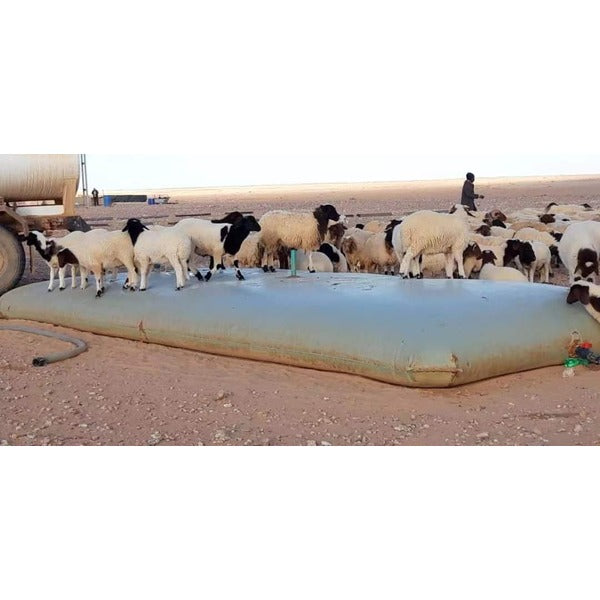
The 1000-gallon flexible tank is designed for ground, truck-bed, and marine deployment. This makes it suitable for mobile water transportation and temporary storage operations.
Potential applications include:
● Emergency response
● Disaster relief
● Remote camps
● Construction sites
● Mobile water supply
● Humanitarian operations
● Military and field operations
● Marine freshwater storage
Instead of constructing a permanent storage structure at every location, a flexible tank can be transported and deployed where needed.
Uses Space More Efficiently
Space can be expensive or simply unavailable at remote worksites, temporary settlements, and mobile operations.
A flexible water bladder has a major advantage when empty: it can be folded into a compact form. This makes transportation and storage easier compared with a rigid tank that retains its shape.
For organizations that use temporary water storage, this can simplify logistics between projects.
Designed for Potable Water
Not every water storage container is appropriate for drinking water.
The featured tank uses food-grade TPU/PVC fabric and is specified for potable water storage. The product page states that the material is suitable for drinking-water applications.
This makes material selection an important part of purchasing a flexible potable water tank. Buyers should always verify that the particular tank and its components are intended for potable-water use rather than assuming that any PVC storage bladder is suitable.
Supports Emergency Water Storage
Emergencies can create an immediate need for large quantities of safe drinking water.
Floods, earthquakes, storms, infrastructure failures, and humanitarian emergencies can disrupt normal water distribution. A portable 1000-gallon water bladder can provide temporary storage capacity where permanent infrastructure is unavailable.
The product is specifically listed for emergency and disaster-relief drinking-water storage, humanitarian aid, and temporary settlement applications.
Its foldable structure can also make logistics easier when equipment must be transported to affected areas.
Useful for Remote Locations
Remote sites often face a combination of challenges: limited infrastructure, difficult transportation, and changing water requirements.
A flexible water tank can be useful for remote camps, field operations, construction sites, and other locations where installing a permanent tank may not be practical.
Because the tank can be transported and folded when empty, it can support temporary water infrastructure without requiring a permanent structure.
Flexible Tank vs. Traditional Water Storage
|
Feature |
1000-Gallon Flexible Tank |
Rigid Plastic Tank |
Steel/Concrete Tank |
|
Potable-water option |
Yes |
Depends on material |
Requires suitable lining/material |
|
Foldable |
Yes |
No |
No |
|
Portability |
High |
Limited |
Very limited |
|
Empty storage |
Compact |
Full-size |
Permanent |
|
Vehicle deployment |
Suitable |
Generally unsuitable |
Unsuitable |
|
Marine deployment |
Suitable for specified applications |
Limited |
Unsuitable |
|
Installation |
Flexible deployment |
Fixed installation |
Permanent construction |
|
Emergency use |
Highly suitable |
Less flexible |
Difficult to deploy quickly |
The right option depends on the intended application, available space, transportation requirements, and whether the storage system needs to remain permanently installed.
Technical Specifications to Consider
When purchasing a 1000-gallon flexible potable water tank, consider more than capacity.
The featured model has the following specifications:
|
Specification |
Details |
|
Capacity |
Up to 1,000 gallons |
|
Material |
Food-grade TPU/PVC fabric |
|
Tank style |
Flexible pillow-type bladder |
|
Installation |
Ground, truck bed, or marine |
|
Design |
Low-profile, collapsible |
|
Water use |
Potable drinking water |
|
Outdoor properties |
UV-resistant and corrosion-proof |
|
Model |
KSD-001 |
|
Manufacturer experience |
15+ years |
The product page also lists a broader capacity range of 264–13,209 gallons, allowing flexible storage systems to be considered for projects with different water requirements.
How to Choose the Right Flexible Potable Water Tank
Before ordering, consider these questions:
1. How much water do you need?
A 1000-gallon capacity can be suitable for many residential backup, emergency, commercial, and temporary applications. However, calculate expected consumption before selecting a size.
2. Where will the tank be used?
Ground installation, truck transport, and marine deployment can have different requirements. Make sure the selected configuration matches the intended environment.
3. Is the tank certified or specified for potable water?
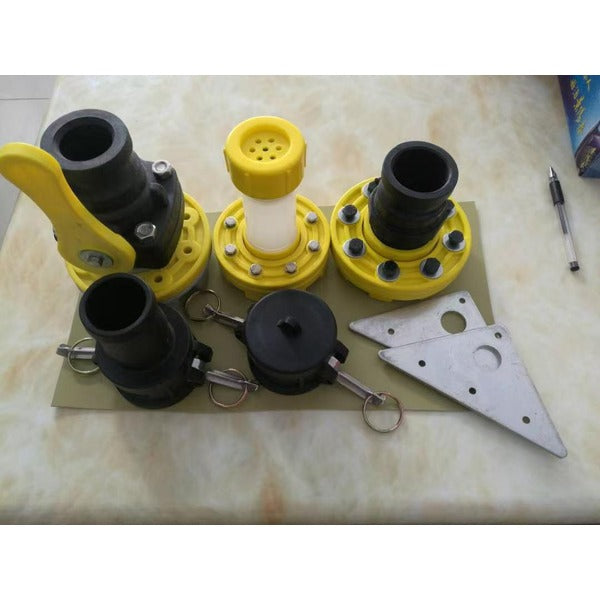
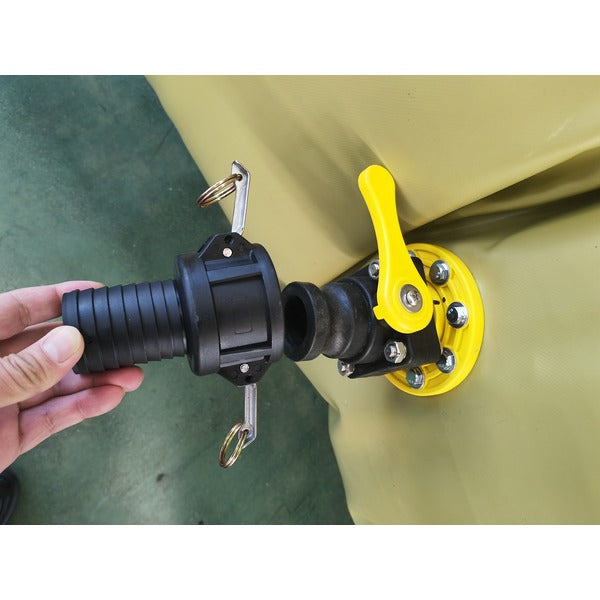
Always verify the material and intended application. Potable water storage requires appropriate food-grade materials and suitable fittings.
4. How often will the tank be moved?
If the storage system is relocated frequently, flexibility and empty-storage dimensions become particularly important.
5. What happens when the tank is empty?
A foldable design can reduce the amount of space required for transportation and seasonal storage.

Applications Beyond Residential Water Storage
Although a 1000-gallon flexible potable water tank can serve as a residential backup system, its applications extend much further.
It can support construction-site water supply, remote camps, disaster-relief operations, military field systems, humanitarian projects, mobile water transportation, and marine freshwater storage.
This versatility makes flexible tanks useful for organizations that need temporary or mobile potable-water infrastructure.
Frequently Asked Questions
1. How much water does a 1000-gallon flexible tank hold?
The featured model is designed to store up to 1,000 gallons of potable drinking water.
2. Is a flexible water bladder safe for drinking water?
The featured tank uses food-grade TPU/PVC material and is specified for potable water storage.
3. Can a 1000-gallon water tank be folded?
Yes. Its flexible structure allows it to be folded when empty for transportation and storage.
4. Can it be used outdoors?
Yes. The product is designed for outdoor operational environments and is listed as UV-resistant and temperature tolerant.
5. Where can a flexible potable water tank be used?
Applications include emergency response, disaster relief, remote camps, construction sites, agriculture, marine systems, humanitarian projects, and temporary water supply systems.
6. Can the tank be transported?
Yes. Its flexible construction makes it suitable for mobile applications, including truck-based and marine water storage.
Final Thoughts
A 1000-gallon flexible potable water tank can simplify water storage by combining high capacity with portability, foldability, and flexible deployment. Instead of occupying a permanent footprint like a rigid tank, a flexible bladder can be transported, deployed in different environments, and folded when empty.
For emergency response, remote operations, construction sites, mobile water transportation, marine applications, and residential backup systems, this approach can provide a practical way to manage large-volume potable water storage. The Soft Liquid Tank model is built with food-grade TPU/PVC material and is designed for drinking-water storage and transport.