
Rainwater Harvesting Made Practical with a Portable PVC Collection Tank
Rainwater harvesting does not have to involve complicated plumbing, large permanent tanks, or expensive construction. For homeowners, gardeners, and outdoor users, a portable PVC collection tank can provide a straightforward way to capture rainfall and reuse it for everyday outdoor tasks.
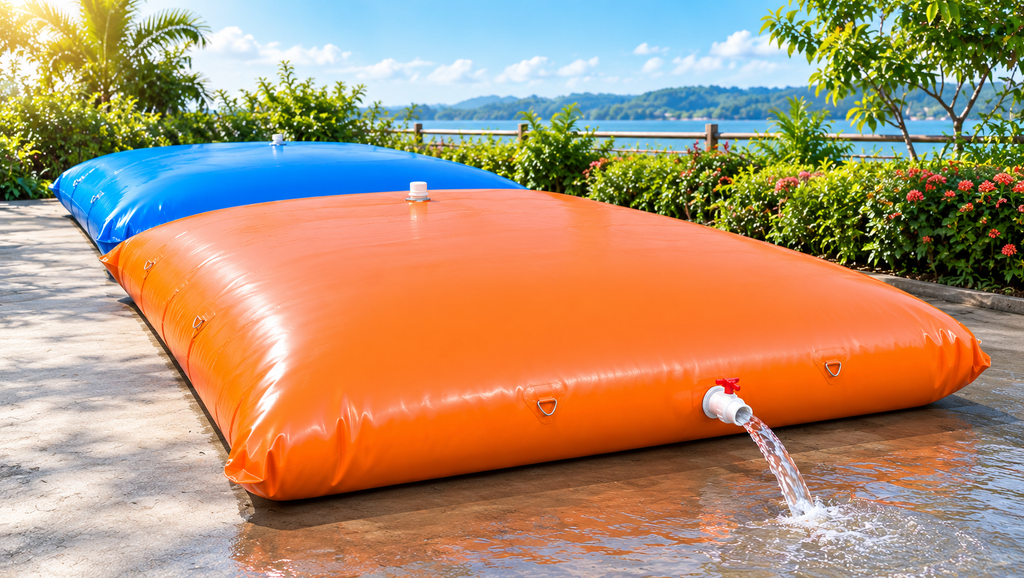
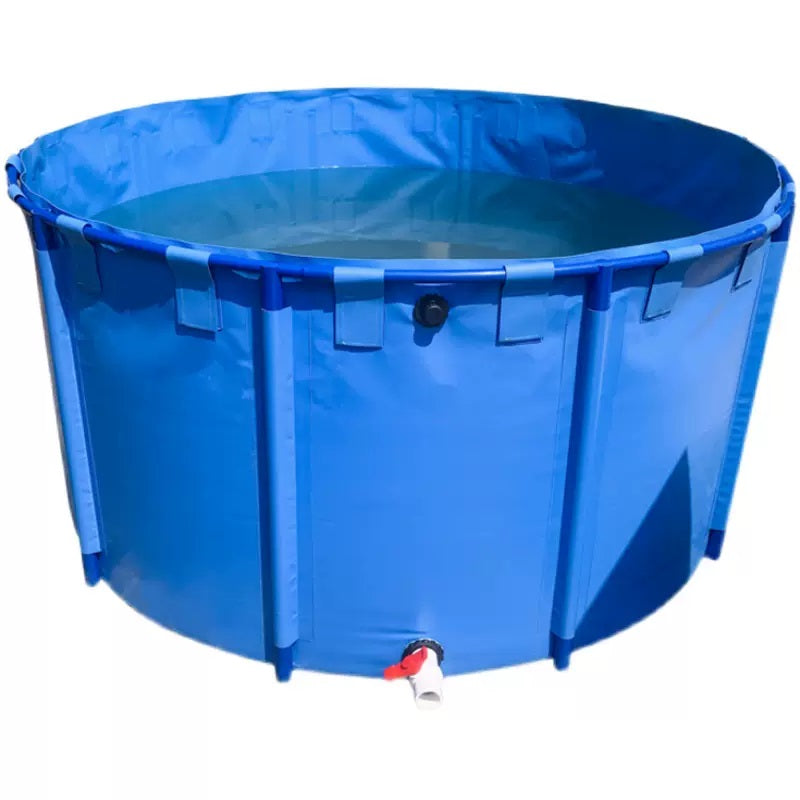
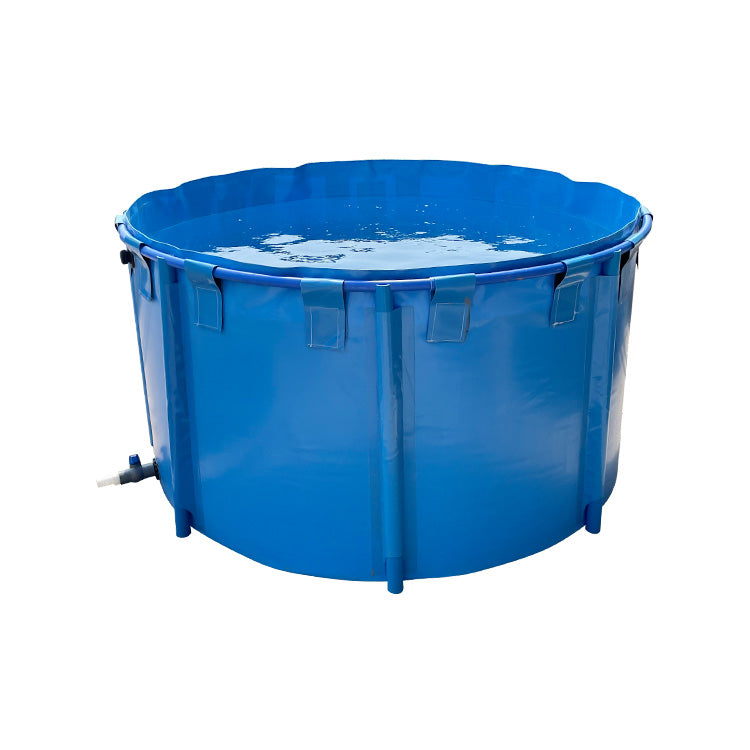
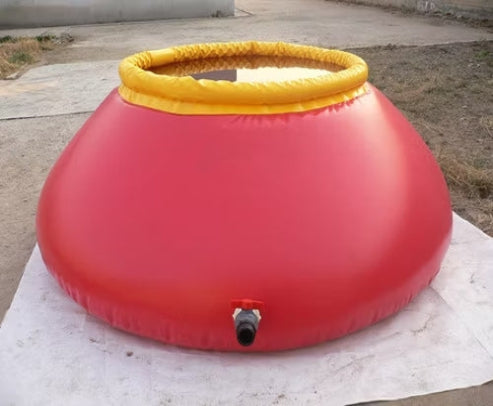
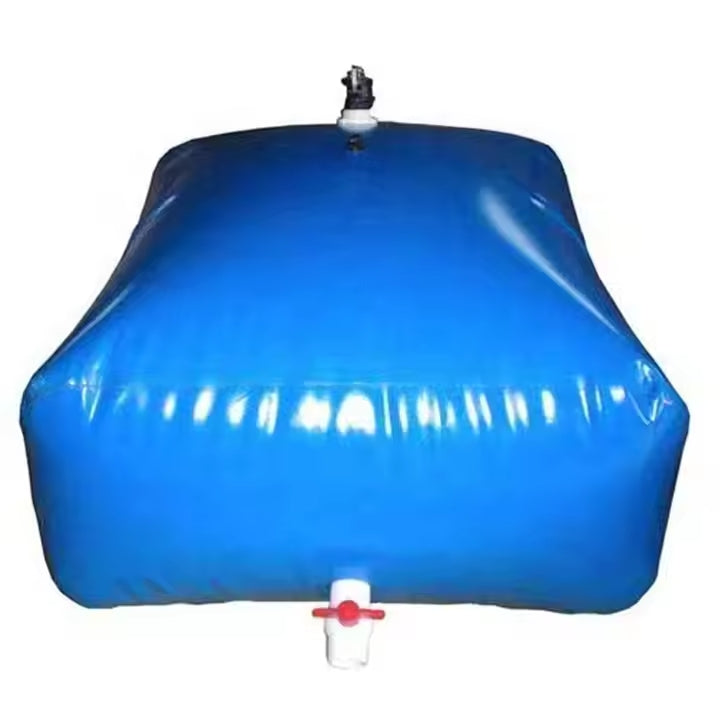
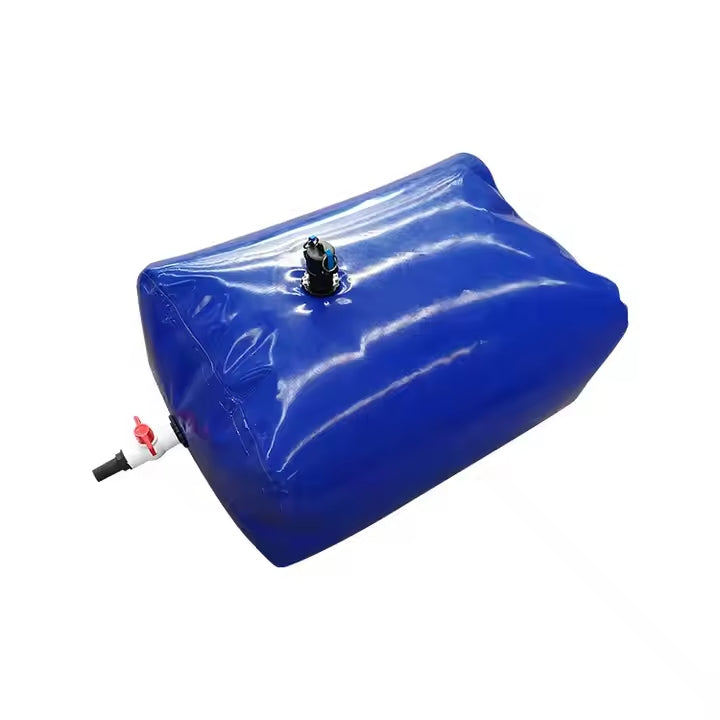
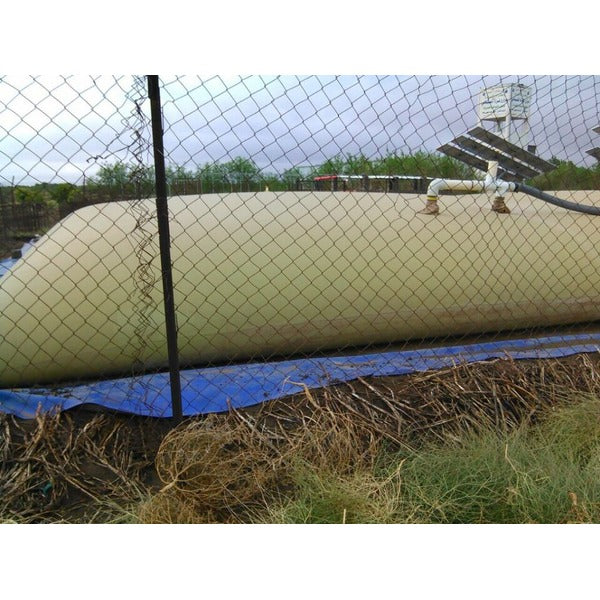
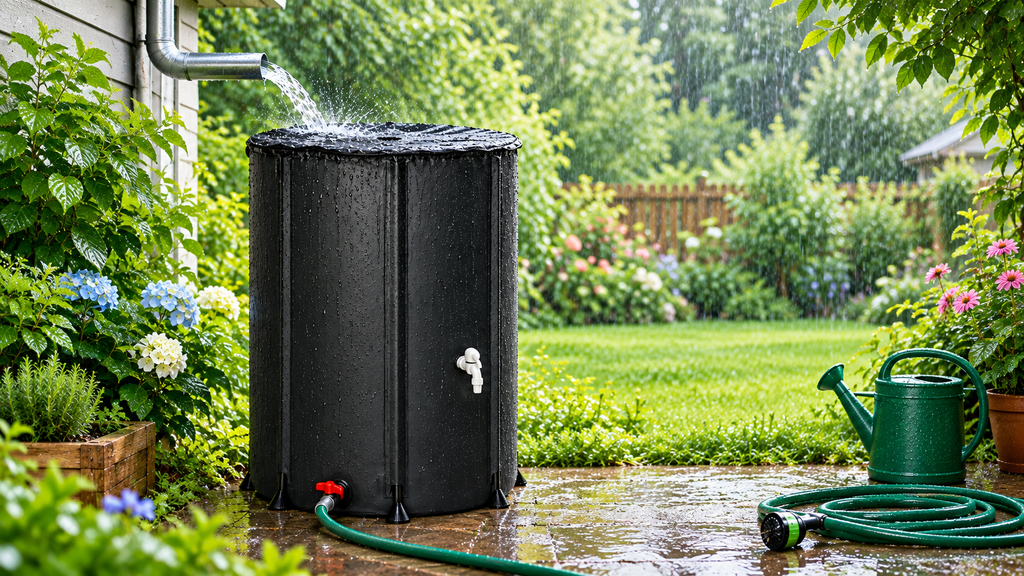
The 66-Gallon Portable PVC Rainwater Barrel from Soft Liquid Tank is designed around this idea. With a flexible PVC structure, foldable construction, six supporting rods, and a zippered mesh filter cover, it provides a practical option for collecting and storing rainwater from rooftops and gutters. The tank holds up to 250 liters (66 US gallons) and can be folded when empty.

What Makes Portable Rainwater Harvesting Practical?
Traditional rain barrels are usually rigid containers. Once installed, they occupy the same amount of space whether they are full or empty. Moving them can also be inconvenient, particularly when a homeowner changes the location of a garden or needs to store the barrel during a particular season.
A portable PVC rainwater collection tank works differently. Its flexible construction allows it to be assembled when needed, relocated relatively easily, and folded for compact storage when empty. Soft Liquid Tank states that this model can be assembled in under 10 minutes and is designed for portability and seasonal storage.
This makes rainwater collection easier to adapt to changing household and gardening needs.
1. Capture Rainwater Directly From Your Roof
One of the simplest ways to start harvesting rainwater is to connect a collection barrel to an existing gutter or downspout.
When rain falls on a roof, gutters direct the water toward a downspout. Instead of allowing all of that water to run away, a collection tank can capture a portion of it for later outdoor use.
The 66-gallon PVC rain barrel is specifically listed for rooftop rainwater harvesting from gutters and downspouts.
A basic setup can include:
- Roof or other suitable catchment surface
- Gutter and downspout
- Rainwater collection tank
- Mesh filter
- Water outlet or tap
- Garden hose, bucket, or watering can
This relatively simple arrangement can turn rainfall into a useful supplemental water source.
2. A 66-Gallon Capacity Fits Many Home Applications
Capacity is one of the first things to consider when choosing a rainwater barrel.
This model stores 250 liters or 66 US gallons, providing enough capacity for a range of household outdoor activities without requiring the footprint of a very large storage tank. The manufacturer also lists other flexible rain barrel capacities from 50L to 1350L (13–356 gallons).
A 66-gallon barrel can be particularly useful for:
● Small and medium gardens
● Lawn watering
● Vegetable gardens
● Landscaping
● Outdoor cleaning
● Car washing
● Emergency outdoor water storage
The right capacity depends on local rainfall, roof area, available space, and how frequently the stored water will be used.
3. Foldable Design Makes Storage Easier
One of the most practical features of a flexible rain barrel is what happens after the water is gone.
Rigid plastic and metal containers continue occupying their full footprint even when empty. The Soft Liquid Tank model can be collapsed and folded for storage or transportation.
This can be useful for homeowners who:
● Have limited outdoor storage space
● Only collect rainwater seasonally
● Move between properties
● Change garden layouts
● Need temporary water storage
● Want to store the barrel during periods of low rainfall
Instead of treating the rain barrel as permanent outdoor infrastructure, you can use it as a flexible part of your water-management system.
4. Quick Assembly Without Complicated Tools
A rainwater collection system becomes less practical if installation requires extensive construction.
The 66-gallon barrel uses six supporting rods and is designed for tool-free setup. The product specifications indicate an assembly time of under 10 minutes.
This means homeowners can prepare the tank without building a concrete foundation or assembling a complex permanent structure.
Before filling the barrel, however, the installation area should be level and free of sharp objects that could damage the flexible PVC material.
5. Mesh Filtration Helps Keep Debris Out
Rainwater flowing through a roof and gutter system can carry leaves, insects, twigs, and other debris.
The tank incorporates a zippered mesh filter cover designed to help prevent leaves, insects, and larger debris from entering the stored water. The wide opening also provides convenient access for buckets and watering cans.
This does not mean the collected water becomes drinking water. The product is intended for non-potable applications, such as gardening, irrigation, landscaping, and outdoor cleaning.
For drinking or cooking, rainwater requires an appropriate treatment and water-quality system specifically designed for potable use.
6. UV and Freeze Resistance Support Outdoor Use
Rainwater barrels spend much of their operating life outdoors, so exposure to weather is an important consideration.
The product is made from UV-resistant PVC fabric and is listed as freeze-resistant down to -40°F. These properties are intended to support outdoor use across changing weather conditions.
Even with weather-resistant materials, proper placement and maintenance remain important. Keeping the tank away from sharp objects, excessive mechanical impact, and unnecessary hazards can help protect the flexible structure.
7. Use Harvested Rainwater Around the Home
The biggest practical benefit of rainwater harvesting is being able to reuse collected water for tasks that do not require treated drinking water.
The product page lists several suitable applications, including:
● Garden irrigation
● Lawn watering
● Vegetable gardens
● Greenhouse watering
● Landscape maintenance
● Outdoor cleaning
● Car washing
● General non-potable water reuse
For gardeners, this can create a convenient reserve of water close to the area where it will actually be used.
Portable PVC Rain Barrel vs. Traditional Rain Barrels
|
Feature |
66-Gallon Portable PVC Barrel |
Traditional Plastic Barrel |
Metal Container |
|
Structure |
Flexible & foldable |
Rigid |
Rigid |
|
Capacity |
66 gallons |
Varies |
Varies |
|
Empty storage |
Folds compactly |
Occupies full space |
Occupies full space |
|
Portability |
Easy to move |
More difficult |
Heavy |
|
Assembly |
Tool-free |
Usually simple |
Requires handling |
|
UV resistance |
Yes |
Depends on material |
Varies |
|
Freeze resistance |
Listed to -40°F |
Depends on product |
Varies |
|
Debris protection |
Mesh filter cover |
Basic lid |
Depends on design |
|
Best suited for |
Home harvesting & irrigation |
Basic fixed storage |
General liquid storage |
The main distinction is flexibility. A rigid barrel can be appropriate for a permanent location, while a foldable PVC barrel provides additional convenience when portability and storage space matter.
How to Set Up a Portable Rainwater Collection Tank
A simple setup process can make the system easier to manage.
Step 1: Choose the Location
Place the tank on a stable, level surface close to a suitable downspout.
Step 2: Inspect the Surface
Remove stones, sharp branches, glass, or other objects that could potentially damage the PVC material.
Step 3: Assemble the Barrel
Install the supporting rods and make sure the flexible structure is properly positioned.
Step 4: Connect the Rainwater Source
Direct the gutter or downspout toward the tank's collection opening.
Step 5: Check the Filter
Make sure the mesh cover is correctly positioned to reduce the entry of leaves and insects.
Step 6: Monitor the Water Level
Avoid unnecessary overflow and make sure the outlet area remains accessible for irrigation or outdoor water use.
Step 7: Clean and Store When Necessary
Periodically inspect the tank and clean it according to the manufacturer's recommended maintenance practices. When it is no longer needed, the flexible tank can be emptied, folded, and stored.
How Rainwater Harvesting Can Support Water Conservation
Rainwater harvesting provides an opportunity to reuse naturally available water instead of relying entirely on other water sources for every outdoor task.
A portable collection barrel can make this approach more accessible because it does not require a large permanent installation. The product is designed to help households and gardeners capture and reuse rainwater for outdoor applications.
The actual amount of water collected will depend on rainfall, roof size, collection efficiency, and storage capacity. Therefore, a rain barrel should generally be viewed as a supplementary water source, rather than a complete replacement for a household's normal water supply.
Is a 66-Gallon Rain Barrel Right for You?
A 66-gallon capacity can be a practical starting point if you want to collect rainwater without installing a very large tank.
It may be especially appropriate when:
● You have a small or medium garden
● You want to experiment with rainwater harvesting
● Outdoor space is limited
● You need a movable collection system
● You want seasonal water storage
● You need water for irrigation and outdoor cleaning
For larger properties or higher water demand, Soft Liquid Tank lists larger flexible rainwater barrels up to 1,350 liters (356 gallons).

Frequently Asked Questions
1. How much water does the portable PVC rain barrel hold?
The tank has a capacity of 250 liters, or 66 US gallons.
2. Can the rain barrel be folded?
Yes. Its flexible PVC construction allows it to collapse for transportation and compact storage when empty.
3. Is this rain barrel suitable for outdoor use?
Yes. It uses UV-resistant PVC fabric and is designed for outdoor rainwater collection. The product specifications also list freeze resistance down to -40°F.
4. What can the collected rainwater be used for?
The collected water is intended for non-potable applications such as gardening, irrigation, greenhouse watering, landscaping, outdoor cleaning, and car washing.
5. How quickly can the tank be assembled?
The product specifications state that assembly takes under 10 minutes and uses six supporting rods.
6. Does the barrel filter rainwater?
The tank includes a zippered mesh filter cover that helps keep leaves, insects, and larger debris out of the stored water. It is not a drinking-water purification system.
Final Thoughts
Rainwater harvesting made practical starts with choosing a storage system that fits your space, water needs, and daily routine. A portable PVC collection tank can make the process easier by combining flexible construction, quick setup, convenient storage, and useful capacity.
The 66-Gallon Portable PVC Rainwater Barrel provides 250 liters of storage in a foldable format, with six supporting rods, a mesh filter cover, UV-resistant PVC construction, and applications ranging from garden irrigation to outdoor cleaning.
For homeowners and gardeners looking for a flexible way to capture and reuse rainwater, a portable PVC rain barrel can be a practical addition to a home water-management system.