

Save Every Drop: The Ultimate 132-Gallon Collapsible Rainwater Tank
Save Every Drop: The Ultimate 132-Gallon Collapsible Rainwater Tank
Have you ever looked at your water bill in the middle of summer and just winced?
I do. Every year. The garden's thirsty, the lawn is turning brown, and the hose is running constantly just to keep things alive. By August I'm standing there watching the water soak into the ground and doing the math in my head. This is costing me how much?
Here's the thing that took me way too long to realize.
All that water I'm paying for? It's the same water falling on my roof for free every time it rains. Literally the same H2O. One comes out of the sky, the other comes out of a pipe, and I'm paying for the pipe water while the sky water runs down the driveway and into the street.
Makes no sense when you think about it.
That's what got me looking into rainwater collection. Not because I'm some hardcore environmentalist. Just because I got tired of paying for something I could get for nothing.
This whole idea of saving every drop: the ultimate 132-gallon collapsible rainwater tank is about making that free water actually useful. Catching it, keeping it, using it when you need it.

The Day I Realized I Was Doing It Wrong
Couple years ago we had a dry spell. Nothing crazy, just a few weeks with no rain. My garden started looking sad. I was out there every evening with the hose, watching the water bill creep up.
Then one afternoon a thunderstorm rolled through. Dumped an inch of rain in about an hour. I stood on the porch watching it pour off the roof, across the driveway, and down the street into the storm drain.
And I thought: that's literally the water I need. Right there. Going to waste.
Next day I started researching rain barrels. Thought I'd grab one of those plastic ones from the garden center. But the more I looked, the more problems I found. They're small like 50 gallons usually. They're ugly. They take up space year-round even when they're empty. And if you want real capacity, you're talking about huge rigid tanks that cost a fortune and need a forklift to move.
Then I found the collapsible ones. Total game changer.
What 132 Gallons Actually Looks Like
So let's talk about this specific size.
132 gallons is a lot of water. Like, fill up your swimming pool no, but water your garden all summer yes.
One good rainstorm can fill this thing. And that one fill might last you weeks depending on what you're watering. Vegetable garden, flower beds, potted plants, even washing the car or topping off a pond.
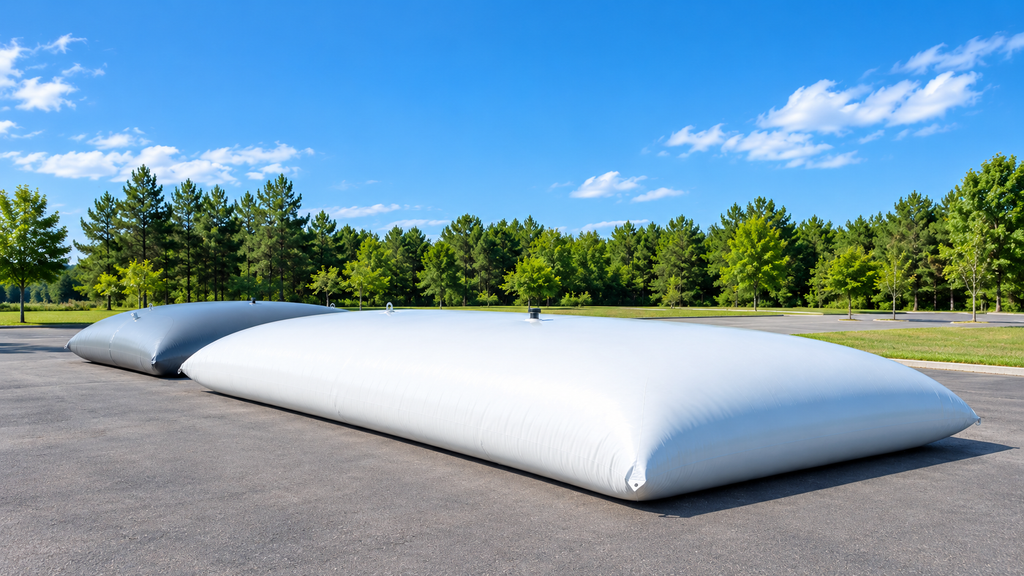
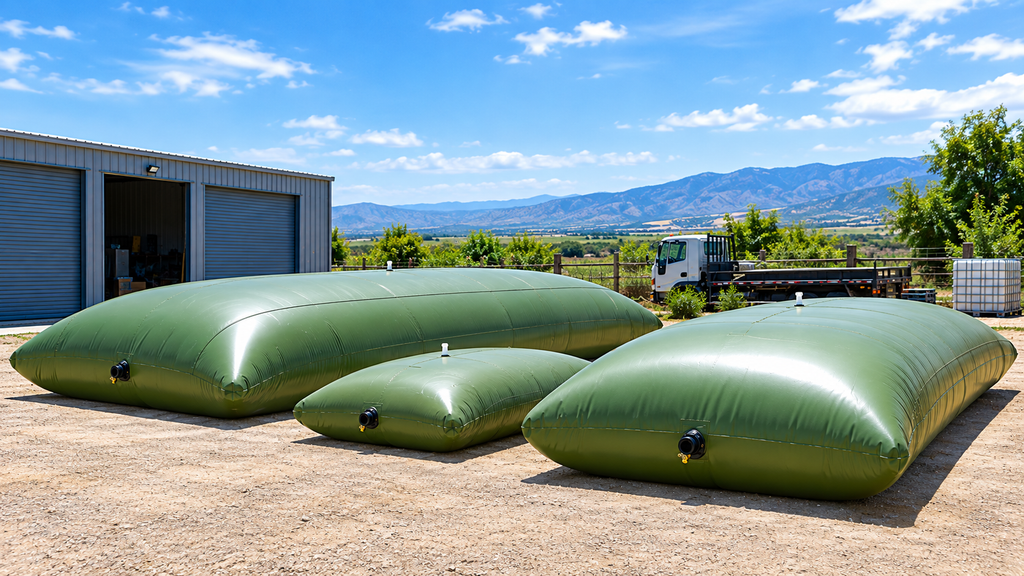
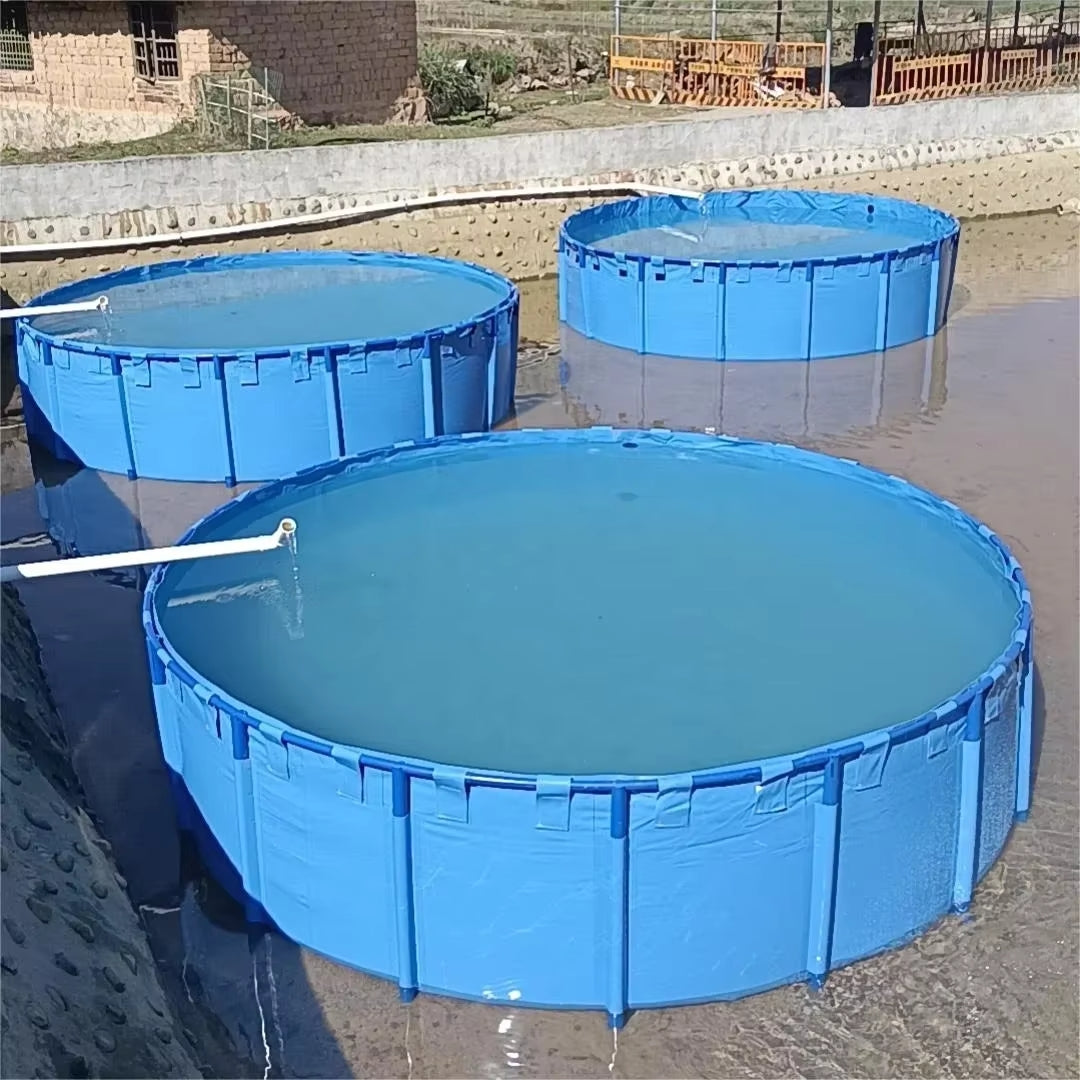
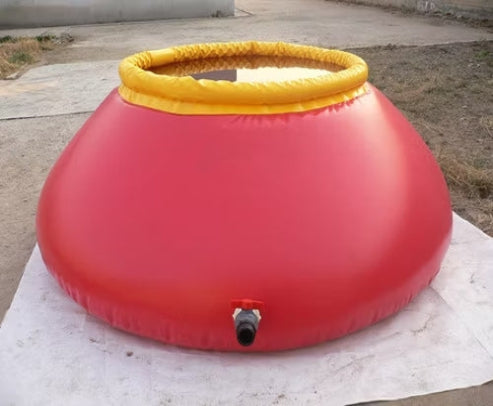
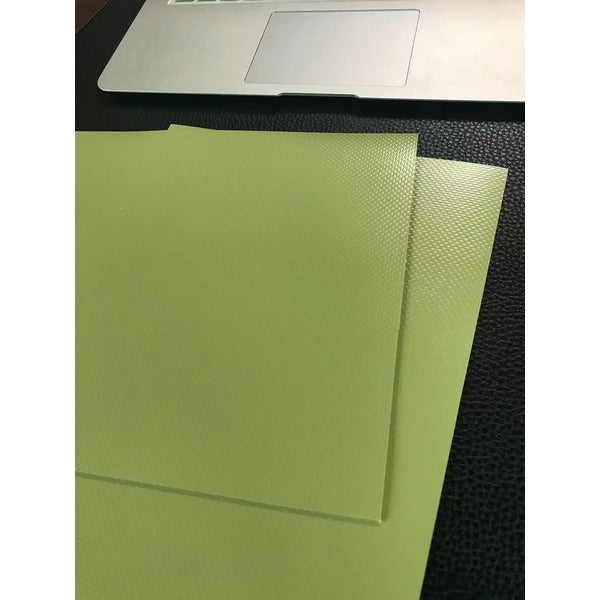
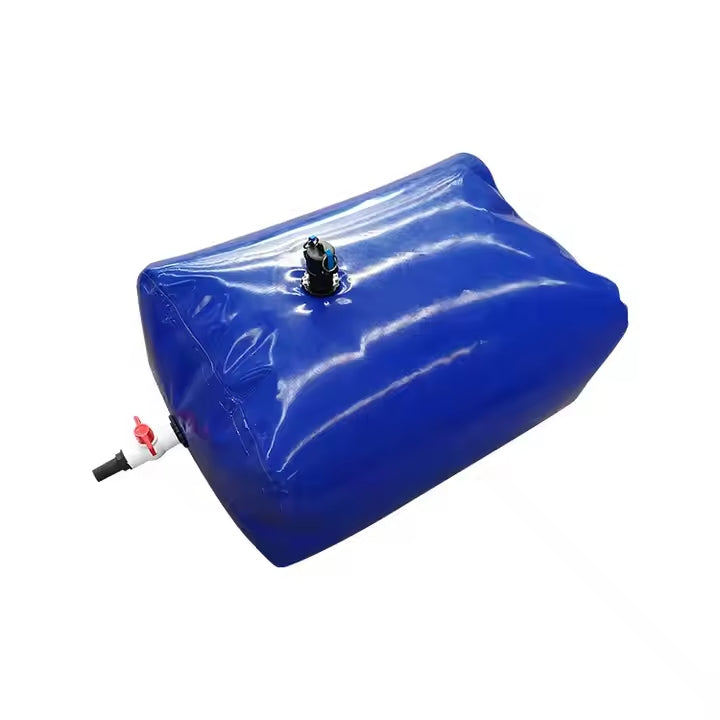
The tank itself is made from heavy-duty PVC. The same stuff they use for inflatable boats and industrial storage. Tough, UV-resistant, won't fall apart after one season in the sun.
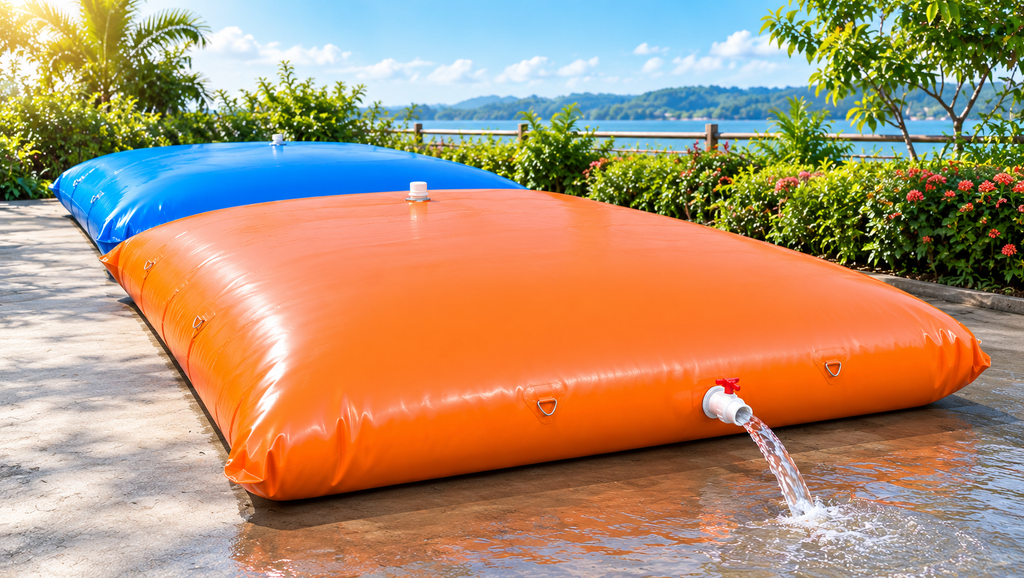
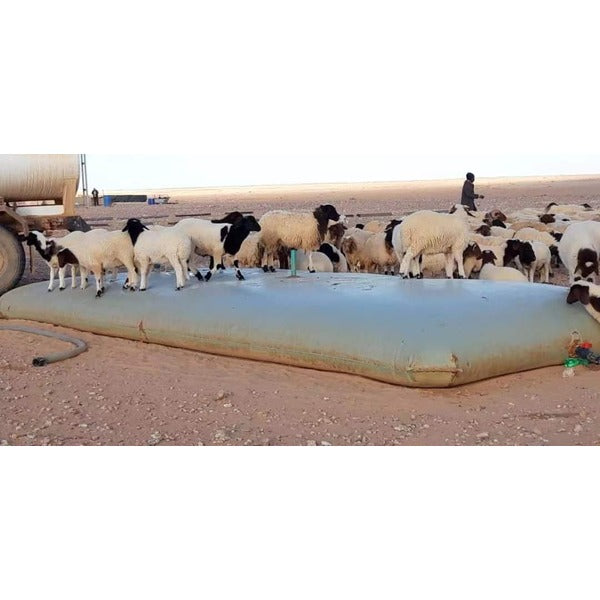
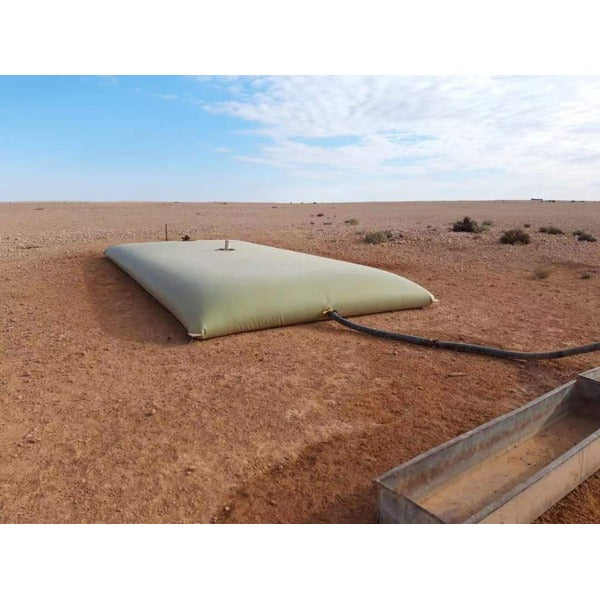
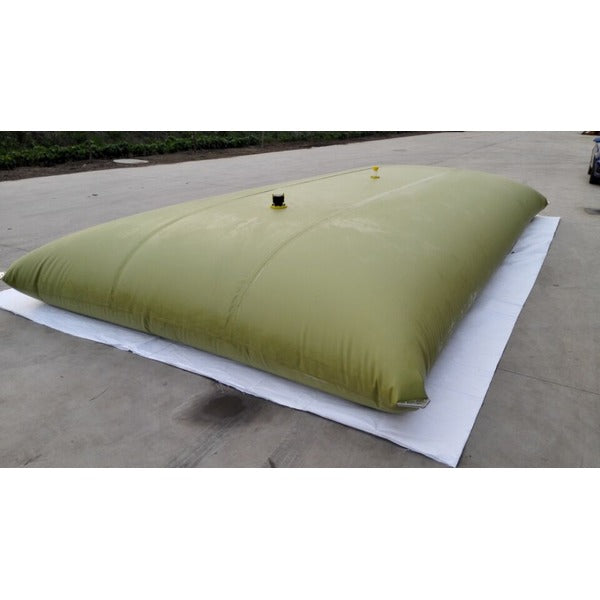
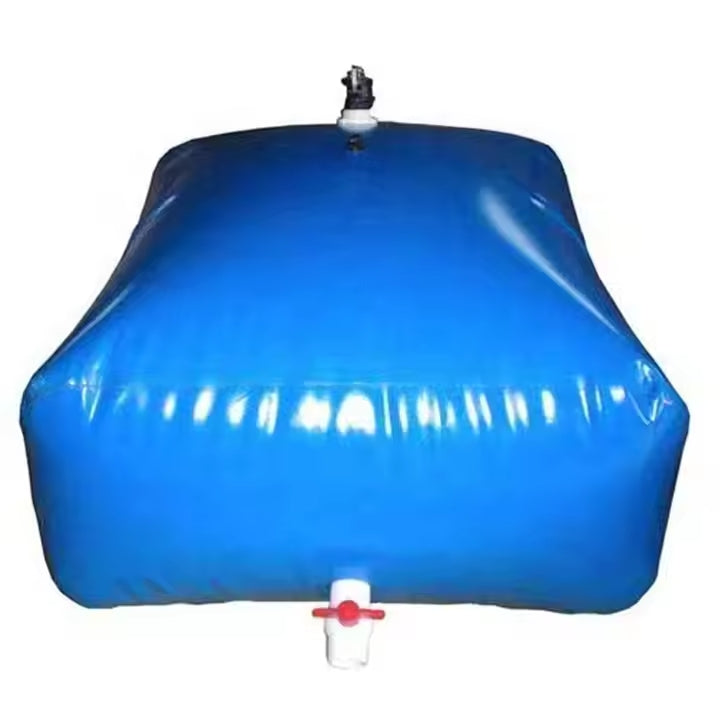
When it's full, it just sits there like a big water pillow. Takes up a footprint about the size of a small kiddie pool. When it's empty, you drain it, fold it up, and stick it on a shelf in the garage. Takes up basically no space.
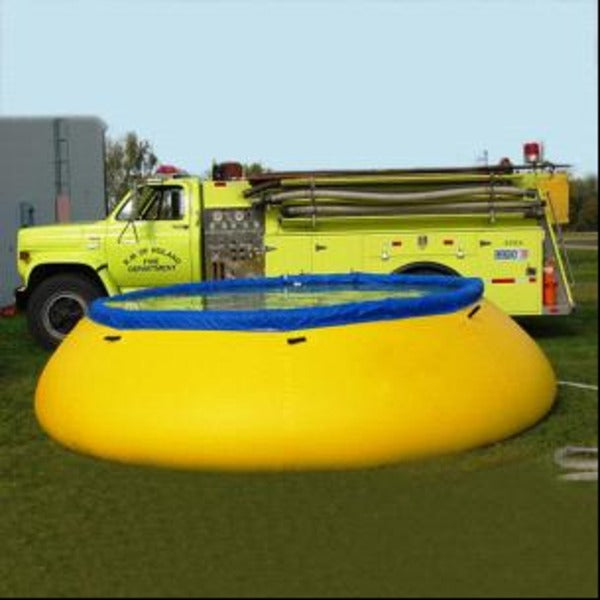
Compare that to a rigid 132-gallon tank. That thing is huge, heavy, and permanent. Once you put it somewhere, it's never moving again.

The Benefits of Flexible PVC Water Storage Tanks for Sustainable Living
Okay so let's talk about why this whole approach makes sense, especially if you're trying to live a little more sustainably without going full off grid hermit.
First, you're using free water. Rain is free. Always has been, always will be. Every gallon you catch is a gallon you don't buy from the utility. Over a summer, that adds up.
Second, you're reducing runoff. All that water hitting your roof and driveway carries pollutants into storm drains and eventually into creeks and rivers. Catching it on your property keeps it local, keeps it clean, and lets it soak into your ground instead of rushing away.
Third, plants actually prefer rainwater. It's softer than tap water, doesn't have chlorine or other chemicals, and is slightly acidic which most garden plants love. They grow better with rain than with hose water.
Fourth, the flexibility matters. Because these tanks collapse, you can use them seasonally. Set it up in spring, take it down in fall. Or keep it up year-round if you want. Your choice. Rigid tanks don't give you that option.
Fifth, it's portable. Maybe you move houses. Maybe you just want to try a different spot in the yard. You can empty this thing, fold it up, and move it yourself. Try that with a plastic drum.
How It Actually Works Day to Day
Setting it up is stupid simple.
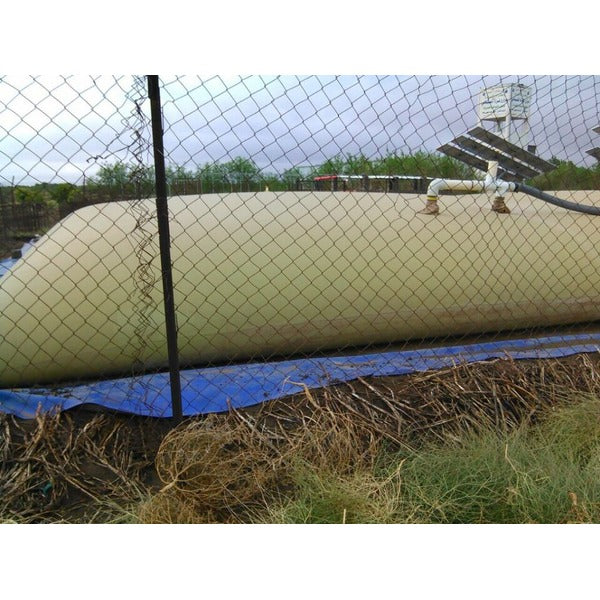
You pick a spot. Near a downspout is ideal, but anywhere you can run a hose or position a gutter diverter works.
You lay the tank flat on level ground. Clear any sharp rocks or sticks first common sense stuff.
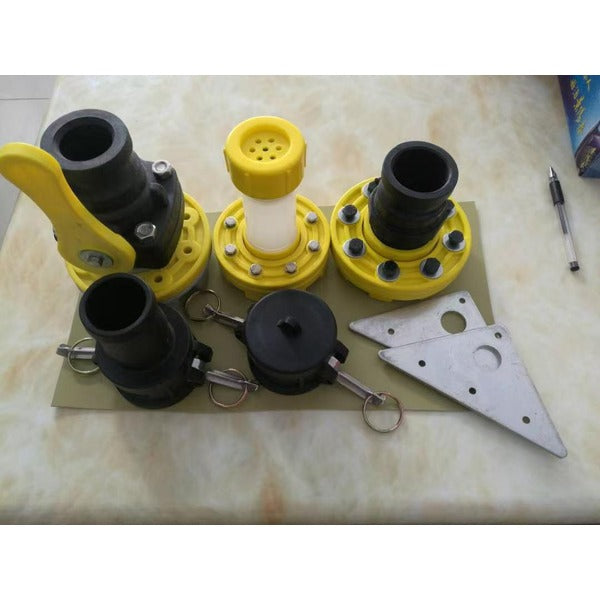
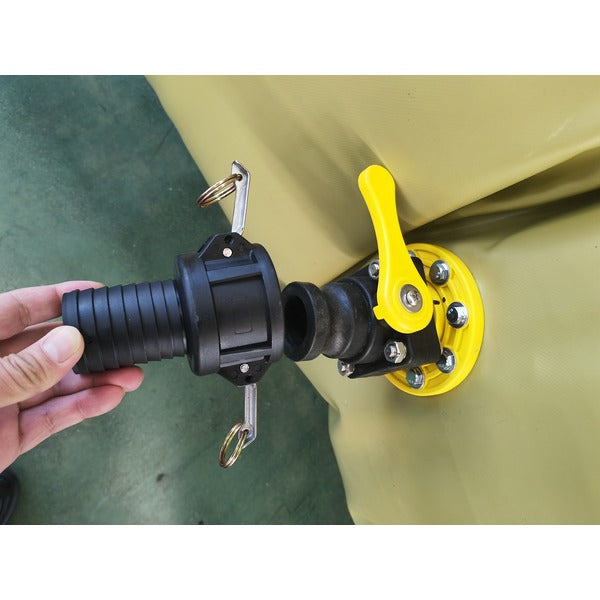
Connect your downspout or hose to the inlet. Most of these tanks come with fittings for standard garden hoses.
Wait for rain.
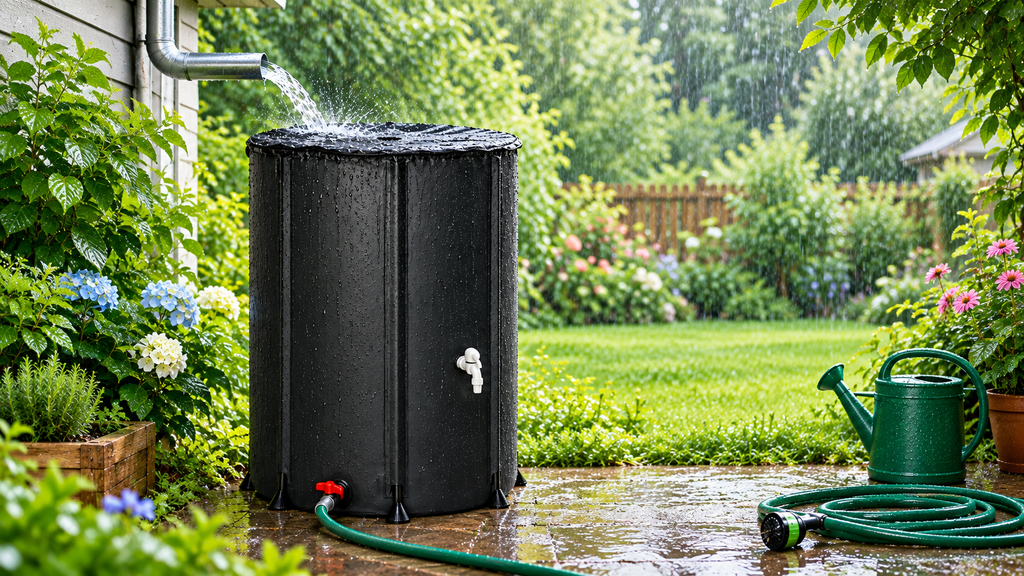
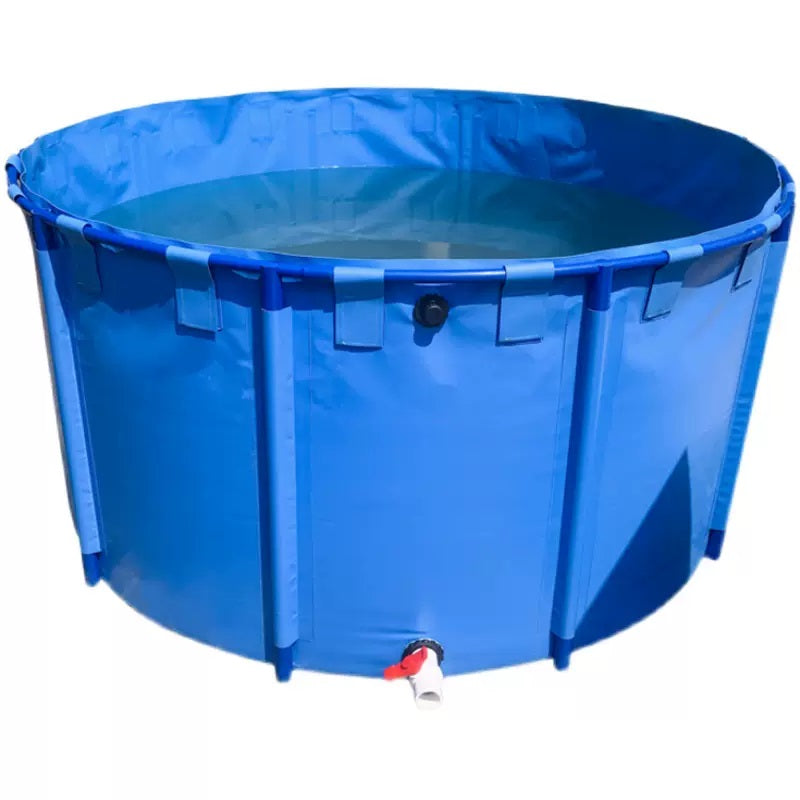
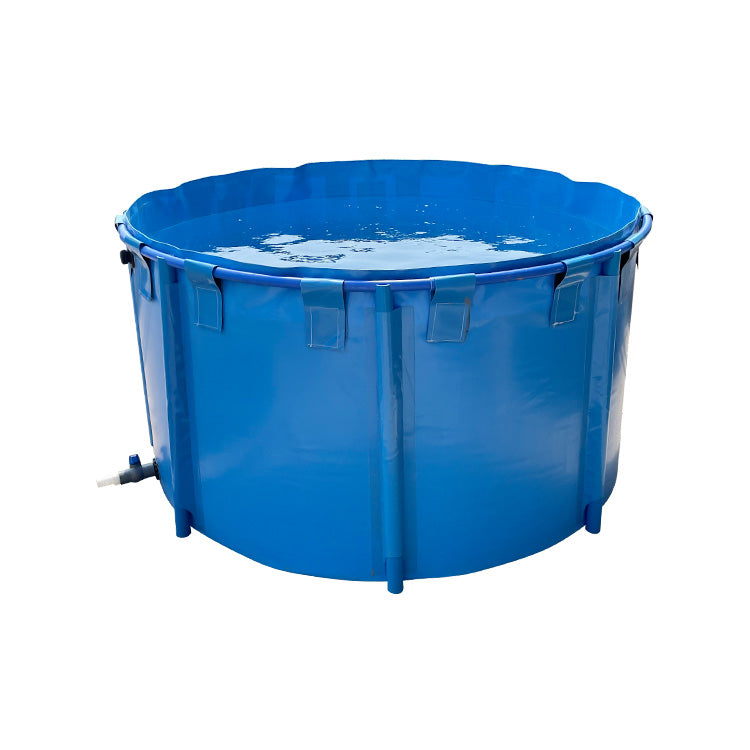
That's literally it. The tank fills up. When you need water, you open the valve at the bottom and hook up a hose or fill a watering can.
Some models have a mesh screen on top to keep out leaves and debris. Some have overflow ports so when the tank is full, excess water can still go wherever it needs to.
The one from Vivosun I've seen has two spigots. One for filling small containers like watering cans, and one that connects to a regular hose for watering bigger areas. Plus an overflow kit and a filter to keep crud out .
Where You'd Actually Use One
I talked to a guy who uses one of these for his vegetable garden. Raised beds, about 20 by 30 feet. Said one good fill lasts him two weeks in the middle of summer, longer in spring and fall. Cuts his outdoor water use by about 80 percent.
Another friend uses one for washing his cars and trucks. Park it next to the driveway, fills it from the garage roof, uses that water instead of the hose. Says the rainwater is actually better because it doesn't leave spots.
Someone online mentioned using one for a small greenhouse. Stays warm in there, plants need constant water, and hauling jugs from the house was getting old. The tank sits right inside, collects from the greenhouse roof, gravity feeds to the plants.
Even for emergency prep, having 132 gallons of water on hand isn't nothing. Not enough for months of survival, but plenty for a week or two if something happens to the water supply.
The Stuff Nobody Tells You
Here are a few things I learned the hard way or from talking to people who've done this longer.
Level ground matters. The tank needs to sit flat. If it's tilted, the water pools in one corner and puts pressure on the seams. Not ideal.
Keep it clean. The mesh screen helps, but you still want to check inside occasionally. Algae can grow if light gets in. Some tanks are opaque to prevent that.
Winter storage depends on where you live. If it freezes where you are, drain the tank and store it inside for the winter. Frozen water expands and can damage the material. If you're in a mild climate, you might leave it up year-round.
The water isn't drinking water. Not unless you're treating it. Great for plants, fine for washing stuff, but don't drink it without filtration and purification.
One rainstorm won't fill it from empty if you're in a dry area. Took me a while to realize that. You need a decent downpour or a series of smaller storms to really fill it up.
What The Numbers Look Like
Let's do some quick math.
A 1,000 square foot roof collects about 600 gallons of water from one inch of rain. That's the rule of thumb. So if you've got a decent sized roof and you're in a place that gets regular rain, you can fill this tank over and over.
Average summer water use for a garden varies, but let's say 50 gallons a day on hot days. That's three days of watering from one fill. If you get rain once a week, you're basically watering for free.
The tank itself costs somewhere around $80 to $160 depending on brand and features . Compare that to your summer water bill and do the math on how many seasons to pay it off. For most people, it's one or two summers.
One Last Thought
I remember standing in that thunderstorm a few years ago, watching my money run down the driveway. Frustrating feeling.
Now I've got a tank set up off the garage. After a good rain, I go out there and see it full, and it just feels... satisfying. Like I beat the system somehow. Got something for nothing.
The water's the same. The garden's the same. The only difference is I'm not paying for it anymore.
That's the kind of sustainable living that actually makes sense. Not because you're saving the planet, though that's nice too. Because you're saving money and using what's already there.
The 132-gallon collapsible rainwater tank isn't complicated. It's just smart. Catch the water, use the water, fold it up when you're done.