

Portable 66-Gallon Rainwater Tank for Easy Water Collection
Portable 66-Gallon Rainwater Tank for Easy Water Collection
I have a confession to make. Last July, I stood in my backyard during a downpour, holding a garden hose, watering my hydrangeas. The rain was literally bouncing off my head, and there I was, paying for water that was falling free from the sky.
My husband still brings this up at dinner parties.
In my defense, I'd just planted those hydrangeas the week before, and they looked droopy. Old habits die hard. But that moment stuck with me. It felt so stupid. And it sent me down a rabbit hole of looking into rain barrels something I'd always thought was for crunchy granola types with more patience than I have.
Turns out, I was wrong. And the thing that finally convinced me was a 66-gallon portable rainwater barrel my brother-in-law brought over one Saturday.

What I Never Understood About Rainwater
Here's the thing nobody tells you about tap water. It's fine for us. Really. But plants? They're not thrilled with it.
Municipal water has chlorine in it. Has to, to keep it safe for drinking. But that chlorine also kills some of the beneficial microorganisms in your soil. The stuff that helps roots absorb nutrients. Then there's the pH thing tap water tends to run alkaline where I live, and most garden plants prefer slightly acidic soil. Over time, that alkaline water shifts things.
Rainwater though? It's soft. It's naturally a little acidic. It's oxygenated from falling through the air. And it's the same temperature as the air, so you're not shocking your plants with cold well water on a hot day.
I noticed the difference about three weeks after I started using mostly rainwater on my vegetable beds. The tomatoes perked up. The peppers went crazy. Even my picky roses the ones that threaten to die if I look at them wrong stopped dropping leaves. Could be coincidence. Could be the water. I'm not messing with success.
The Portability Thing Actually Matters
My brother-in-law is the kind of guy who buys things and figures out what to do with them later. So when he showed up with a flat box and said "rain barrel," I laughed. That box was maybe four inches thick. Looked like it could hold a sweater, not 66 gallons of water.
Then he unpacked it.
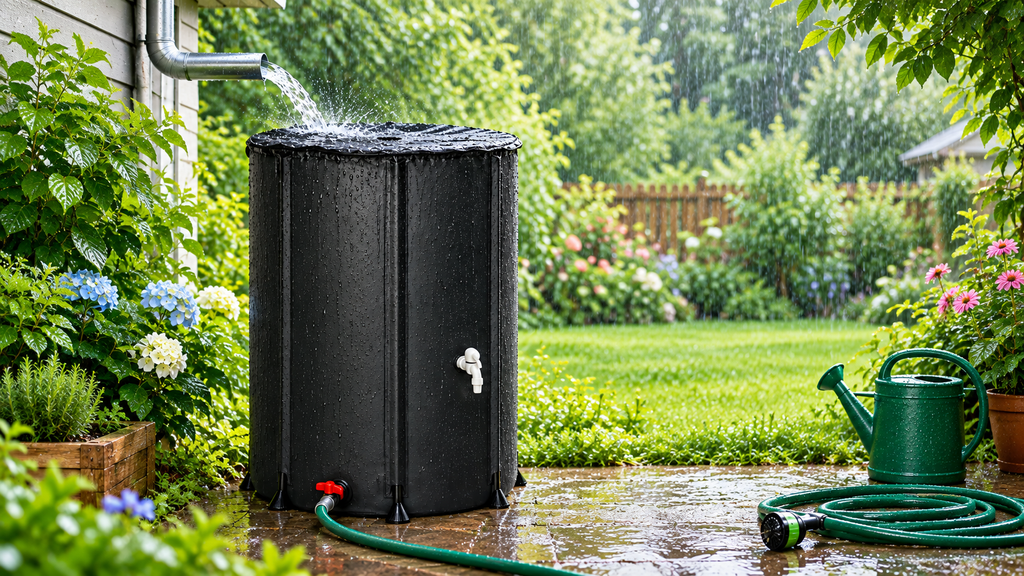
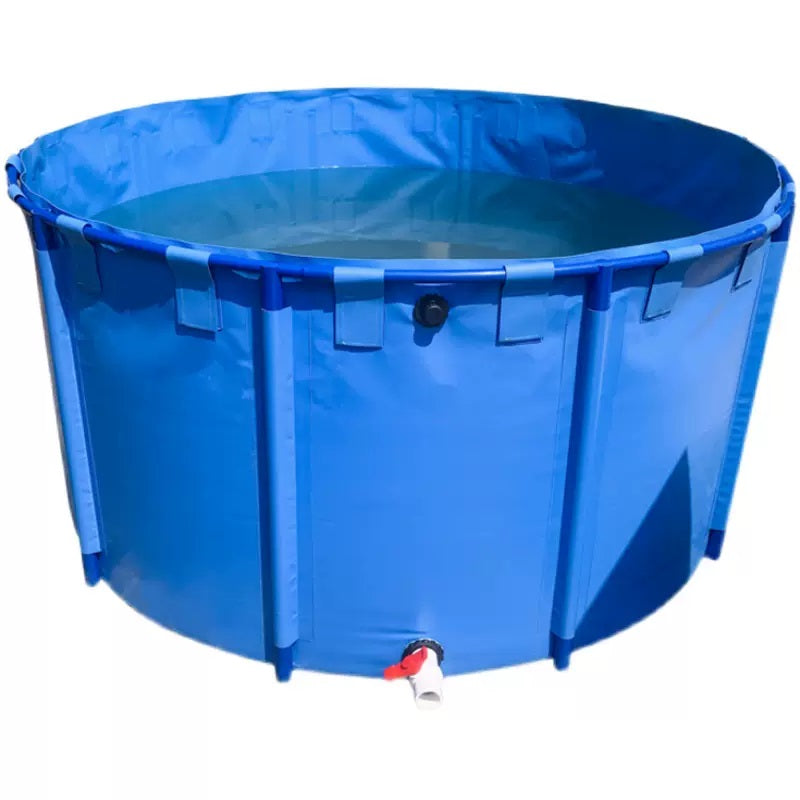
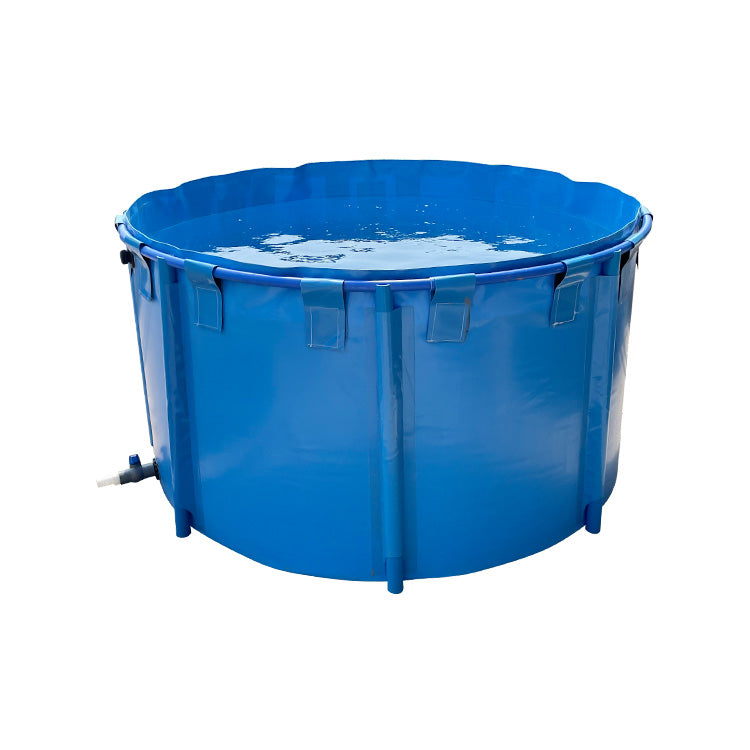
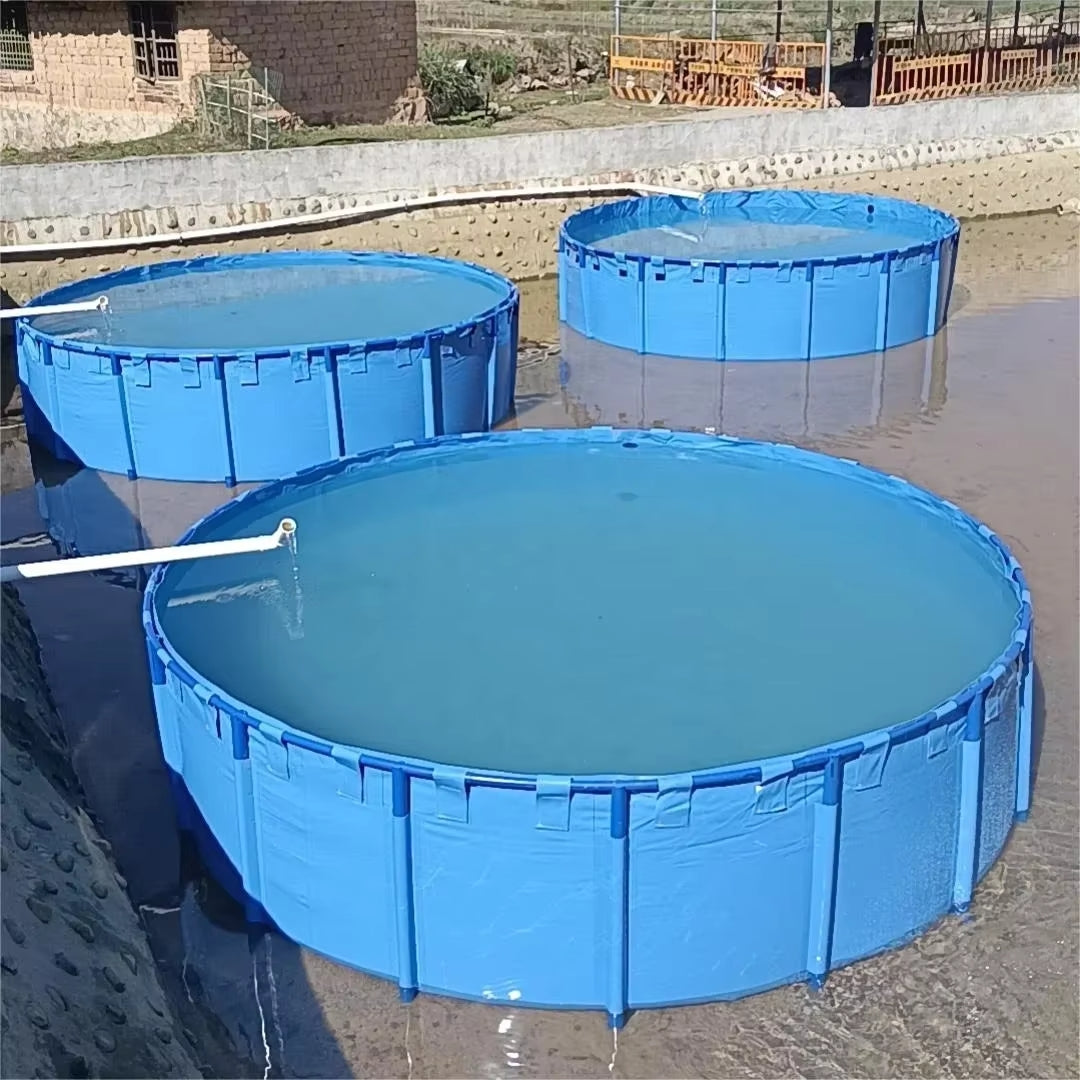
The tank is this heavy-duty PVC material, kind of like what inflatable boats are made of. Thick, flexible, feels tough. There are these support rods that slide into sleeves around the sides. He had it standing upright in maybe eight minutes. No tools. No swearing. Just slid the rods in and done.
That's it? I asked.
That's it, he said. Watch this.
He dragged it across the patio to show me how light it was empty. Then he folded one corner over to demonstrate how it collapses. Flat as a pancake again.
I'd always assumed rain barrels were permanent. You put that big plastic drum in a corner, and there it lives forever, like a yard ornament you never asked for. If you move? Hope the next owners appreciate your commitment to water conservation. If winter comes? Hope it doesn't freeze and crack.
This one's different. When winter hits, I'll drain it, pop the rods out, and slide it under the workbench. Come spring, it goes back outside. Takes less time than putting away Christmas decorations.

Sixty-Six Gallons Is the Right Amount
I did the math on this, which is unusual because I generally avoid math.
A good, steady rain fills the tank. Not a ten-minute sprinkle, but a solid day of showers. Once it's full, that's 66 gallons sitting there waiting. For my garden which is medium-sized, maybe 300 square feet of vegetable beds plus some flower containers that lasts about a week and a half in summer. Two weeks if I'm careful.
That's the sweet spot. Big enough to get you through dry spells without constantly watching the forecast. Not so big that it takes up half the yard or takes months to fill.
The tank itself is about waist-high and maybe two feet around. Fits next to the garage without looking like industrial equipment. My wife, who was not thrilled about adding lawn stuff" to her carefully landscaped yard, forgot it was there after about three days.
What I Actually Use It For
Gardening is the obvious answer, and that's where most of mine goes. But once you've got 66 gallons of free water sitting there, you start getting creative.
Car washing is better with rainwater. No spots. Our tap water is hard, lots of minerals, so if I wash the car with a hose and let it air dry, it looks like it has some kind of skin condition. Rainwater dries clear. My neighbor uses his for his truck and swears by it.
The kid pool. When my niece and nephew visit in summer, they want the little pool set up. I used to fill it from the hose, felt guilty about it every time. Now I use rainwater. Not for drinking, obviously, but fine for splashing around.
Tools and boots. The mud in my garden is legendary. I keep a bucket by the tank, fill it with rainwater, and wash boots and trowels there instead of in the house sink. Keeps the plumbing cleaner too.
Emergency flush. During that big storm a few years back, we lost power for two days. Pump wouldn't work, so no flushing toilets. I'd rather not describe the workaround. Now I keep the tank full during storm season. If the power goes out, that's 66 gallons for flushing. Not glamorous, but practical.
The Setup Story
When mine arrived, I set it up in the driveway just to test it. Same deal rods in, tank up, done. But then came the question of where to put it.
You want it close to where you'll use the water. Dragging a hose 100 feet defeats the purpose. But you also need it under a downspout, or at least somewhere you can direct gutter runoff into it.
I ended up putting mine near the corner of the garage. The downspout empties right there, and it's maybe 20 feet from the vegetable beds. Perfect.
One tip: raise it a little. Mine sits on three concrete pavers, just enough to get it off the ground. Gives you better water pressure from the hose valve. Not enough for a sprinkler, but plenty for a soaker hose or filling watering cans.
The top has this zippered mesh cover. Rain goes through, bugs and leaves don't. I unzip it to dip watering cans if I'm just doing a few pots. For bigger jobs, there's a valve near the bottom where the hose attaches.
What Surprised Me
I didn't expect to enjoy this as much as I do. That sounds ridiculous, but it's true.
There's something satisfying about watching the tank fill during a storm. You can actually see the level rising if you check every hour. It feels like you're winning somehow, like you're beating the system.
And when August hits and everything's dry, and my neighbors are watching their water bills climb, I'm still watering. Not from the hose. From the tank. That feeling never gets old.
My daughter thinks it's cool too. She's seven, and she's taken over checking the level after rains. She keeps a little notebook, tracks how full it gets, tries to predict when we'll run out. She's learning about conservation without me having to lecture her about it. That's a win.
What I Wish I'd Known
A few things I figured out along the way:
Start early. I set mine up in May, which gave me all spring and early summer to fill it before the real heat hit. If you wait until August to buy one, you'll be waiting for rain that might not come.
Check the screen. Leaves pile up during heavy storms. I clear it every couple weeks, takes two minutes. Better than cleaning junk out of the tank later.
Drain it before winter if you're in freezing climates. The PVC is tough and rated for cold, but why risk it? I drain mine in November, fold it up, done.
Get a short hose just for the tank. I keep a 25-foot hose attached permanently. Means I don't have to disconnect the main hose every time.
The Honest Truth
Look, a rain barrel isn't going to transform your life. You're not going to get invited to speak at sustainability conferences because you own one. But it does something simple and useful: it gives you free water for the stuff you're already watering.
My water bill dropped about 20 percent during growing season. Not enough to retire on, but enough to notice. And honestly, the satisfaction matters more than the money.
The 66-gallon portable tank works because it removes the barriers. You don't need tools. You don't need permanent space. You don't need to be handy. You just need a downspout and fifteen minutes.
If you've been thinking about rainwater but didn't want a giant plastic drum taking over your yard forever, this is worth a look. It's there when you need it, gone when you don't.
Next time it rains, stand outside for a minute. Watch how much comes off your roof. Then think about keeping some of it. That's really all this is catching what's already yours before it washes away.