

Maximize Rainwater Harvesting with a 500L Flexible Tank
Maximize Rainwater Harvesting with a 500L Flexible Tank
You know that moment when you're standing in your yard, hose in hand, watching water literally pour from the sky while you're still paying to spray your plants? Yeah, I had that exact realization about two years ago. Felt pretty ridiculous, honestly.
I'd been meaning to get into rainwater harvesting for ages, but every time I looked at those big plastic barrels, I just couldn't do it. They're massive. They're ugly. And once you put one in your yard, that's it it lives there forever, whether you want it there or not.
Then my buddy Mike showed up with this folding tank he'd ordered, and I thought he was pulling my leg. That's supposed to hold water? I asked, poking at this flat package he'd dropped on my driveway. Twenty minutes later, he had a 500-liter tank set up next to his downspout, and I was ordering one that night.

The Space Struggle Is Real
Here's the thing about most rain barrels they don't move. You put that 50-gallon plastic drum in your corner, and congratulations, that corner now belongs to the drum forever. Want to mow behind it? Hope you enjoy squeezing. Moving? Hope the new owners appreciate your commitment to water conservation.
The folding design changes that completely. When mine arrived, I honestly double-checked the box because it was so flat. We're talking maybe four inches tall. I carried it outside with one hand, no drama.
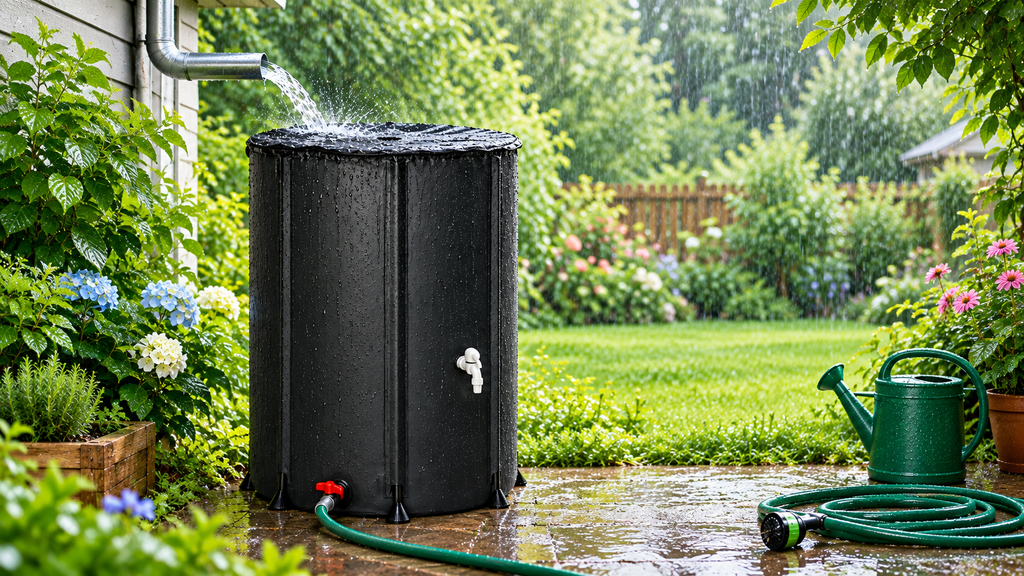
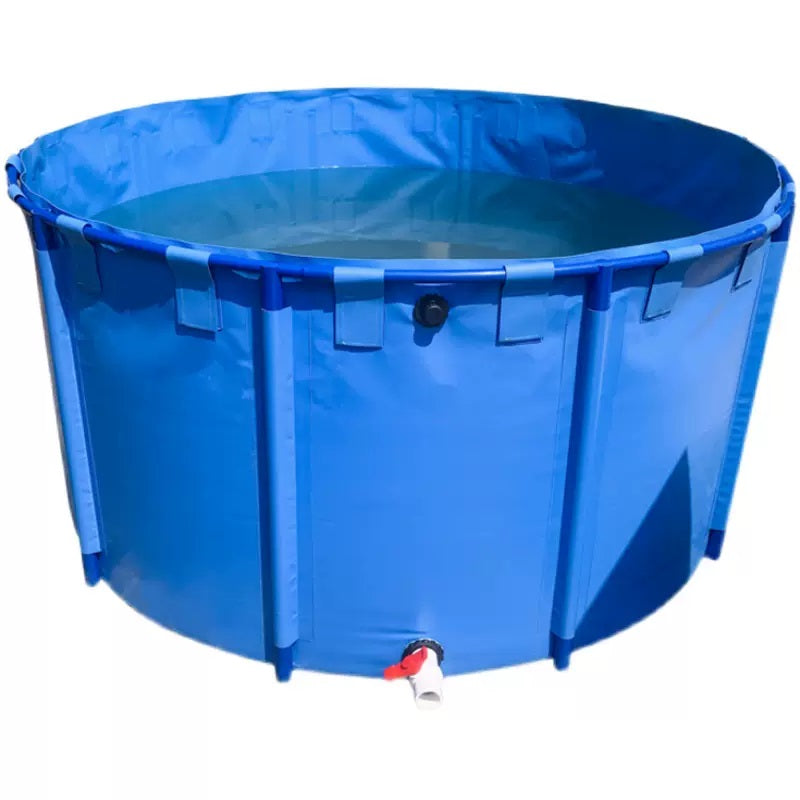
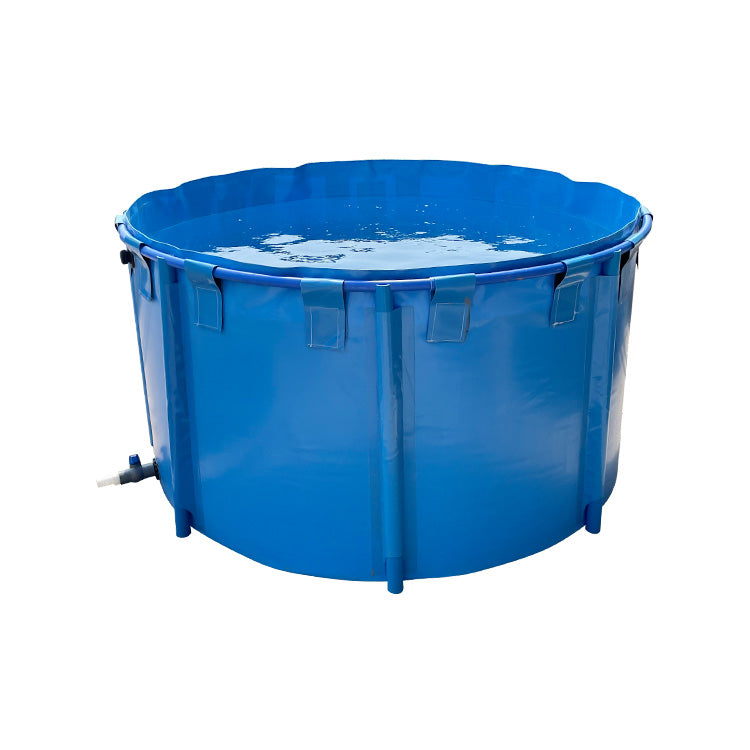
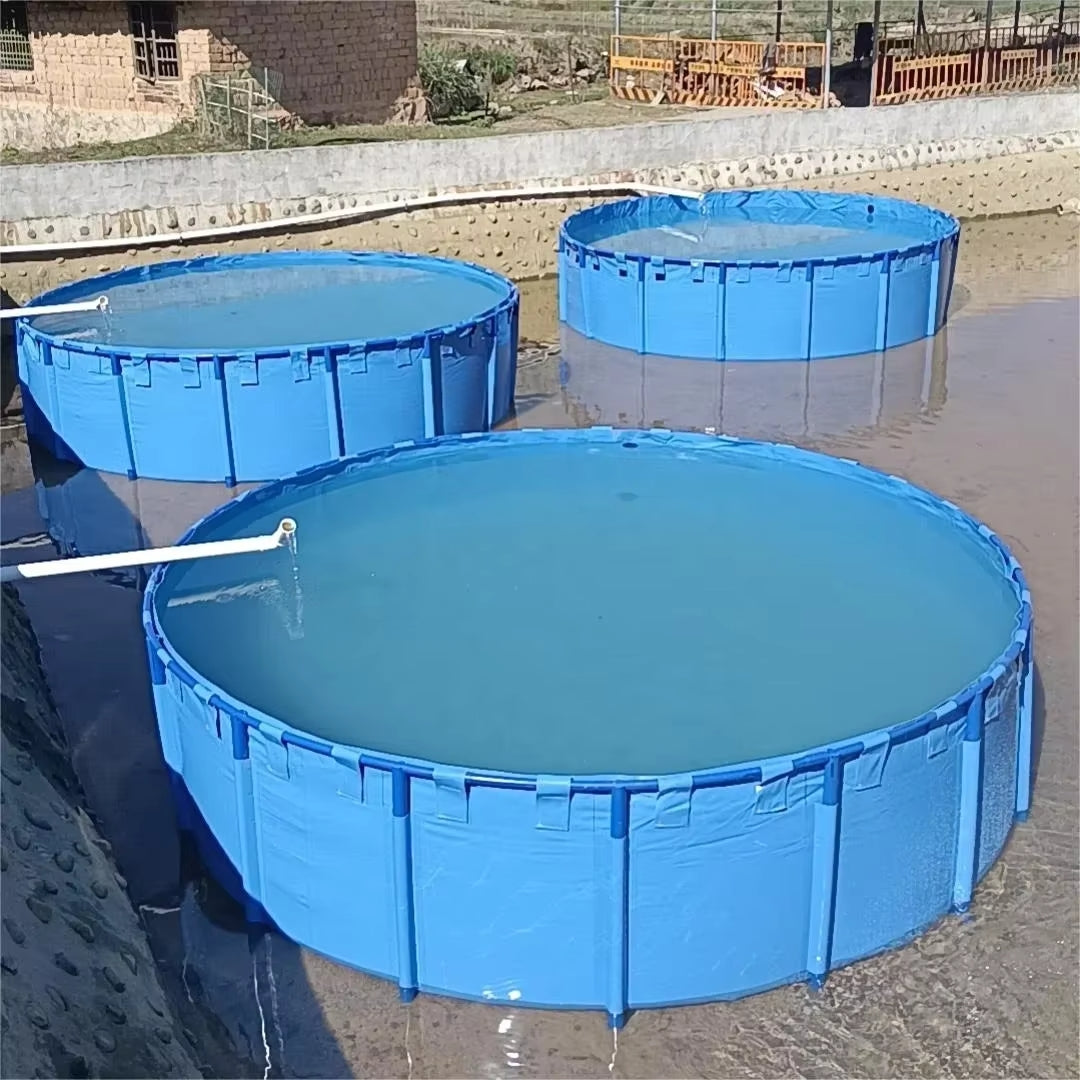
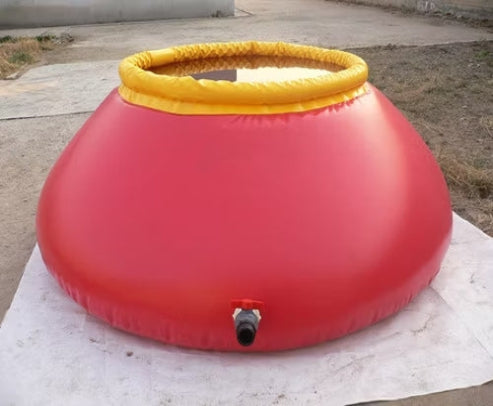
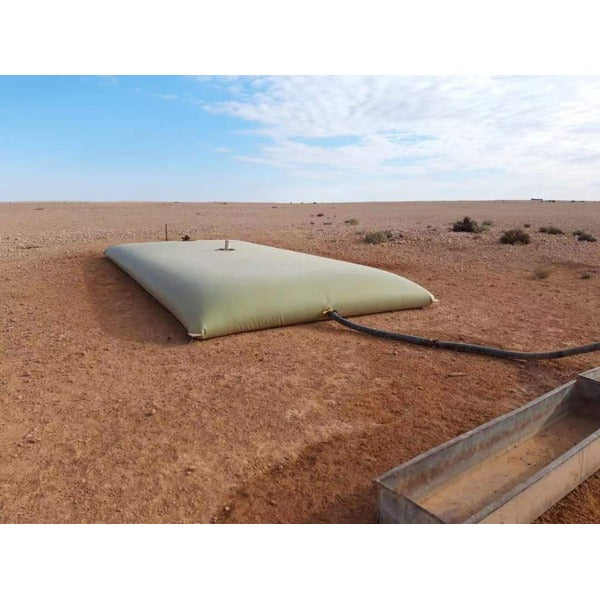
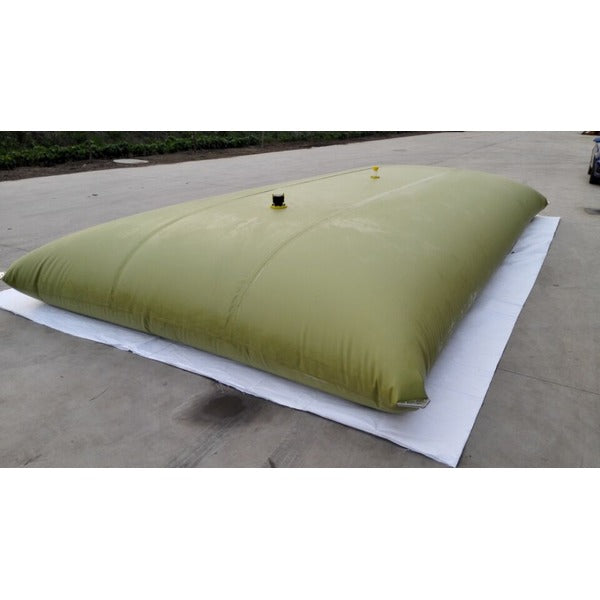
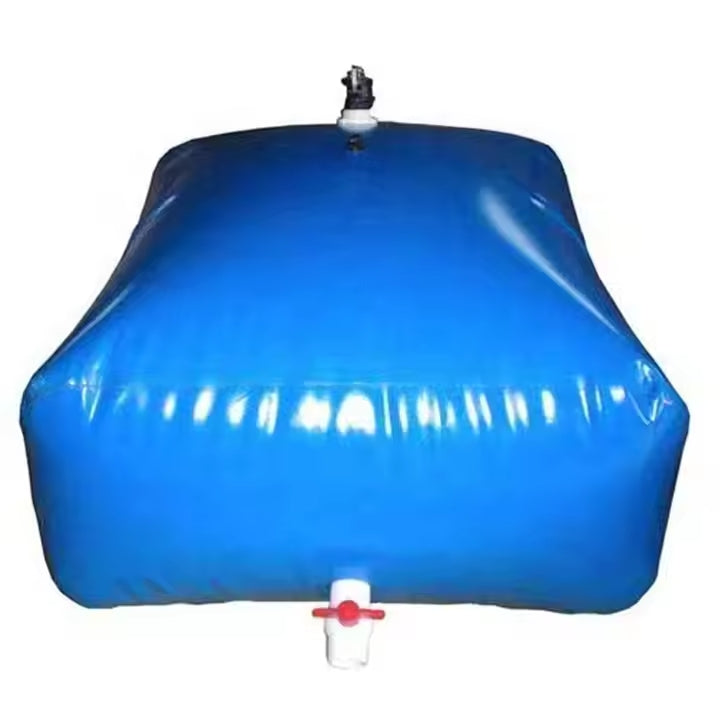
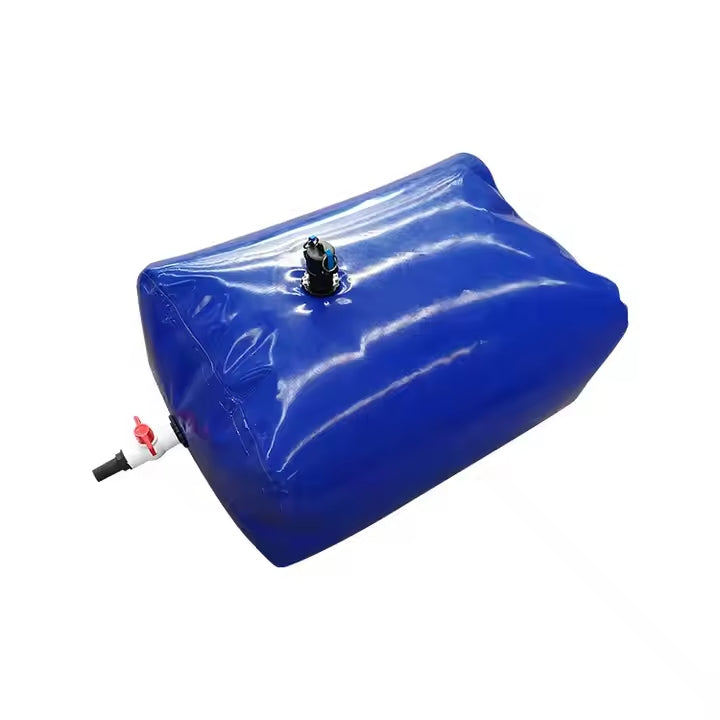
Setting it up took maybe fifteen minutes. The frame rods slide in, the PVC material stretches into shape, and suddenly you've got this legit 500-liter tank standing there. It's about waist-high and maybe two and a half feet across bigger than I expected, but not dominating the yard like those industrial-looking drums.
What sold me was the off-season. Come November, when I'm not watering anything and freezing temperatures hit, I just drain it, pop the frame rods out, and it folds flat again. Slides right under the workbench in my garage. Come spring, it's back outside like nothing happened.
What You Actually Get
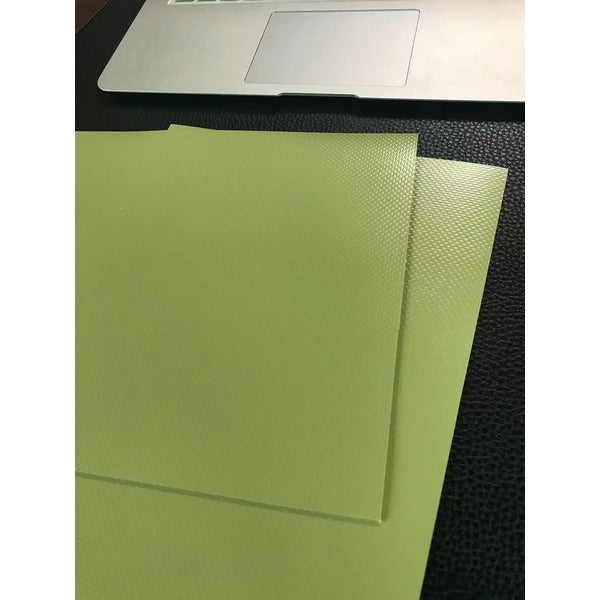
The tank itself is heavy-duty PVC the kind of material that feels like it could take a beating. It's got this mesh screen across the top that keeps leaves and bugs out, which matters more than you'd think. My neighbor with a traditional barrel spends half his summer fishing mosquito larvae out of his water. I haven't had that problem once.
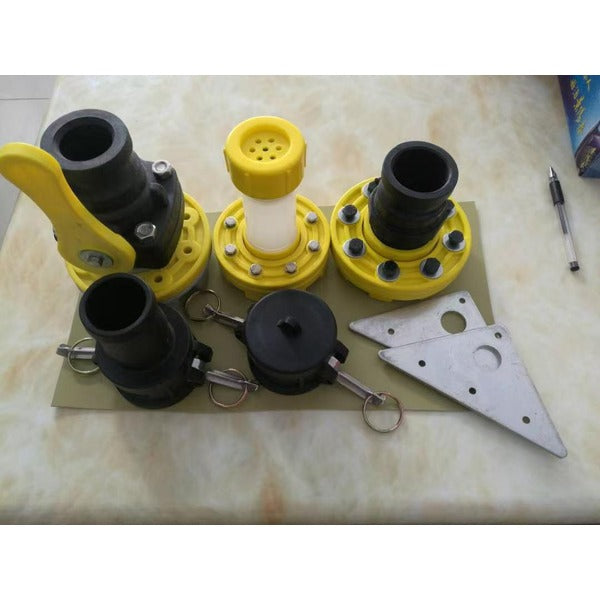
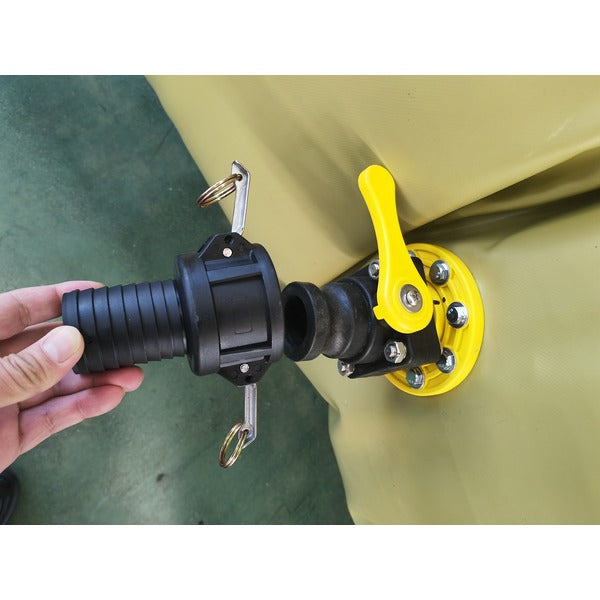
There are two valves on the front. One's near the bottom that's where you attach your garden hose. The water pressure isn't crazy, but it's enough to run a soaker hose or fill a watering can without playing drums. The other valve is up higher; that's the overflow. When the tank fills up during a heavy rain, the excess just runs out through there and away from your foundation.
The 500-liter capacity hits a nice balance. It's enough to get through dry spells without being so huge that you're waiting six months for it to fill. After a solid day of rain, mine's usually close to full, and that'll keep my vegetable beds happy for a couple weeks easy.

Who Actually Uses These Things
My setup is pretty basic it catches runoff from about half my garage roof, and I use it for vegetables and flowers. But I've seen people get creative with these.
My cousin in Phoenix has three of them linked together. Hers are for her desert landscaping stuff that's adapted to dry conditions but still needs a drink now and then. She's got them daisy-chained with hoses between the overflows, so when one fills up, the next one catches the excess.
A guy at work uses his for washing his truck. Says rainwater doesn't leave spots like our hard tap water does. Never occurred to me, but he's right it's basically free soft water.
My sister-in-law keeps one on her townhouse patio. She's got maybe a dozen potted plants and a little raised bed, and her landlord was fine with it because it's not permanent. When she moves next year, the tank folds up and moves with her. Try doing that with a concrete cistern.
The Nitty-Gritty Details Nobody Tells You
A few things I learned the hard way so you don't have to:
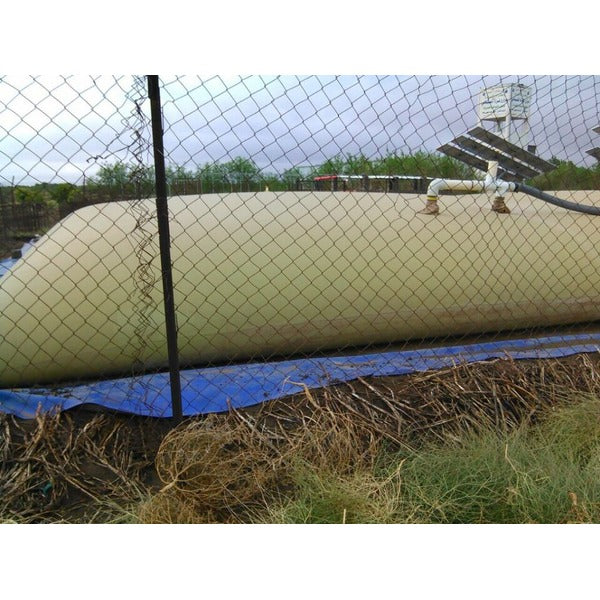
Elevation matters. I originally had mine sitting flat on the ground, and water trickled out about as enthusiastically as my teenager doing chores. Raised it up on some concrete blocks nothing fancy, just enough to get it off the dirt and suddenly the hose had actual pressure. Physics wins again.
Positioning takes thought. You want it close to where you'll use the water, but also near a downspout. Mine's about ten feet from the garden and right under the gutter. Compromise is real.
Check your local rules. Most places are fine with rain barrels, but some have weird regulations. A quick Google saved me from installing something that might've annoyed code enforcement later.
The mesh screen needs occasional love. Not much just every few weeks I brush off any leaves that collected. Takes thirty seconds.
Why I Keep Recommending This to Friends
Look, I'm not trying to save the world here. I just got tired of paying for water that falls free from the sky. That's really it. The math works out my water bill dropped enough that the tank paid for itself in about a year and a half. Everything after that is just bonus.
But there's something else too, something I didn't expect. When it rains now, I don't think about wet socks or canceled plans. I think about the tank filling up, about having water stored and ready. It's a small shift, but it changes how you see the weather.
My kids think it's cool too, which surprised me. They watch the water running into the tank and ask questions about where it goes, how much we're saving. My daughter started tracking rainfall in a little notebook wants to see if she can predict when we'll need to use stored water. Six years old and she's doing water budgeting.
The Honest Truth
The folding tank isn't magic. It won't solve drought or make your lawn look like a golf course. But if you're tired of watching stormwater rush down your driveway while your garden begs for a drink, it's a solid solution that doesn't require committing your yard space forever.
It takes about as much effort to maintain as a houseplant, check it now and then, clear the screen, maybe flush it out once a year. That's it.
Mine's been through two summers and one winter folded up in the garage. Still looks new, still holds water, still makes me feel slightly less ridiculous when I'm watering tomatoes during a dry spell.
Next time it rains, stand outside for a minute and watch how much water comes off your roof. Then imagine keeping some of it. That's really all this is catching what's already yours before it washes away.