

Maximize Space with Stackable 500L Rainwater Harvesting Tank
Maximize Space with Stackable 500L Rainwater Harvesting Tank
My neighbor Mark has a gorgeous garden. Tomatoes, peppers, zucchini, flowers along the fence the whole deal. But his backyard is maybe 15 feet wide. Just a narrow strip between his house and the alley. For years, he'd been hauling watering cans from the kitchen sink because he didn't have room for a rain barrel. I measured, he told me once. I can either have a barrel or I can have a path to my compost bin. Not both.
I thought about Mark when I first saw these stackable barrels. Because the problem he was running into the space problem isn't unusual. Most of us don't have sprawling yards. We've got patios, small gardens, narrow side yards. And traditional rain barrels? They eat up floor space like nobody's business.
The stackable 500L rainwater harvesting tank changed how I think about that math. And honestly, it might be the answer Mark's been looking for all these years.

The Space Problem Nobody Talks About
Here's the thing about rain barrels that I didn't fully appreciate until I tried to put one in my own yard. You look at a barrel and think, okay, it's maybe three feet across. That's not huge. I can find a spot.
But then you actually put it there. And suddenly that three feet is the three feet you used for something else. The path to the shed. The spot where you keep the lawnmower. The little patch of sun your favorite plant needs. It doesn't seem like much until it's gone.
And if you need more than one barrel? Now you're taking up six feet. Or more. Pretty soon you've lost a significant chunk of your usable outdoor space.
Mark's yard is maybe 10 feet wide. A single barrel would take up almost a third of his walking path. A second barrel would mean no path at all.
So he gave up on the idea entirely. Just kept hauling water from the kitchen.
How Stacking Fixes the Math
When I told Mark about stackable barrels, he didn't believe me at first. You can't stack water, he said. Water's heavy. It's going to crush the bottom one.
And yeah, that's a fair concern. Water weighs about 8.3 pounds per gallon. A full 500-liter barrel that's about 132 gallons weighs over 1,000 pounds. Stacking another 1,000 pounds on top of that seems like a lot.
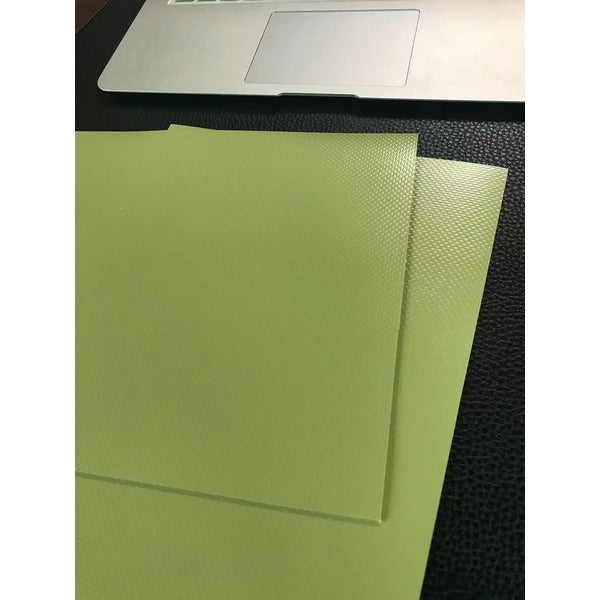
But the design accounts for it. These barrels are made from 1000D PVC, which is tough stuff. The kind of material they use for industrial applications. And the stacking is built into the shape flat top, flat bottom, reinforced sides that transfer the weight straight down. It's not like stacking plastic buckets from the hardware store. It's engineered for it.
So instead of taking up twice the floor space for twice the water, you take up the same floor space. Maybe a little more vertical room, but vertical space is cheap. Most of us have plenty of that.
What 500 Liters Actually Gets You
I think 500 liters is a smart capacity. It's not so small that you wonder why you bothered. And it's not so big that it's unwieldy to handle.
Five hundred liters is about 132 gallons. For perspective: a standard garden hose puts out about 5 to 10 gallons per minute. So a full barrel gives you somewhere between 13 and 26 minutes of continuous watering. That doesn't sound like much until you realize that most people aren't standing there with a hose for half an hour. You're filling watering cans, running a soaker hose for an hour, doing targeted watering.
In practice, for a medium-sized vegetable garden, a full barrel lasts me about a week and a half in the summer. Maybe two weeks if I'm careful.
If I stack two barrels, that's almost a month of water for my garden. Same footprint.

The Kind of People Who Need This
I've been thinking about who this product is really for, and I keep coming back to a few types.
The narrow-yard homeowner like Mark. Limited width, but maybe decent height available. A stack of barrels against the house takes up maybe three feet of width, gives you hundreds of gallons. That's a game changer.
The urban patio gardener. If you're working with a balcony or a concrete patio, every square foot matters. Stacking lets you keep your seating area, your potted plants, your grill and still have water storage.
The small farm or homesteader who needs serious capacity but doesn't want a row of barrels stretching across the property. A stack of three or four barrels in a corner of the barn gives you 500 to 2,000 gallons in a compact footprint.
The person who wants to start small but leave room to grow. Buy one barrel. See how it goes. If you decide you need more capacity, buy another and stack it. You're not stuck with a system you have to rip out and replace.
The renter. Stackable barrels aren't permanent. You can take them with you when you move. And if you don't need them for a season, they fold flat.
What Setup Actually Looks Like
I asked around to get a sense of what setting these up involves. I'm not handy, so if something requires tools and expertise, I'm out.
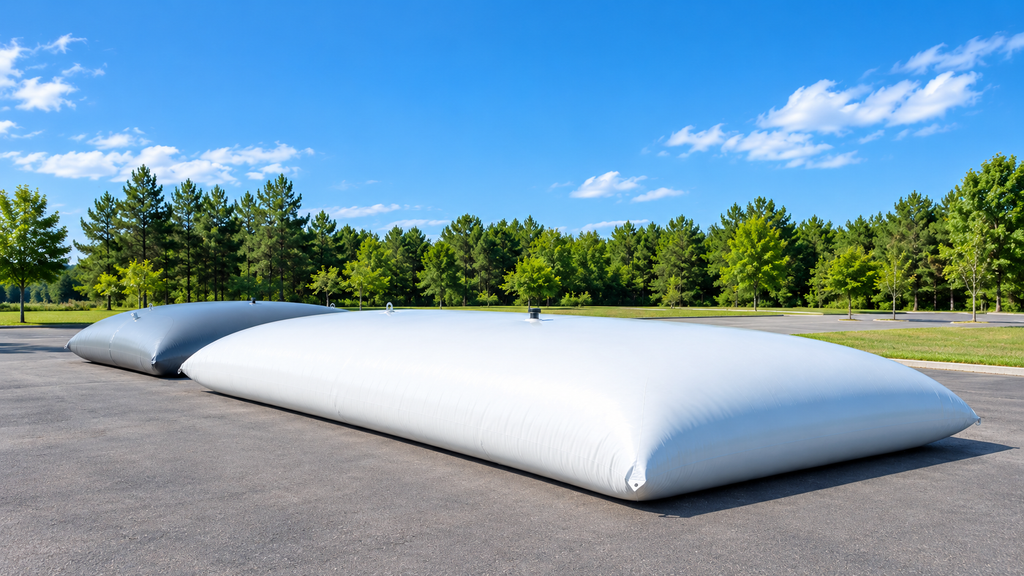
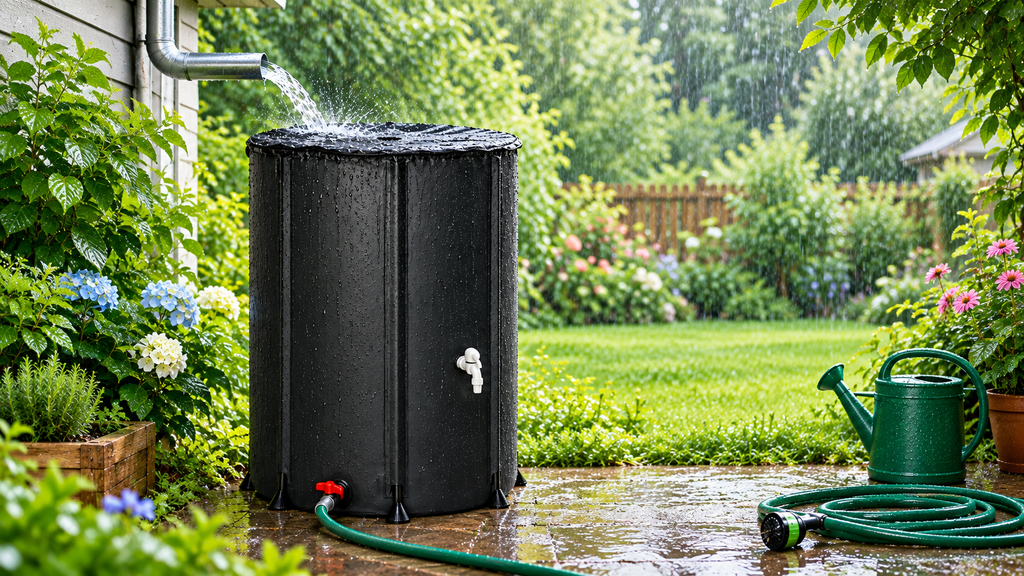
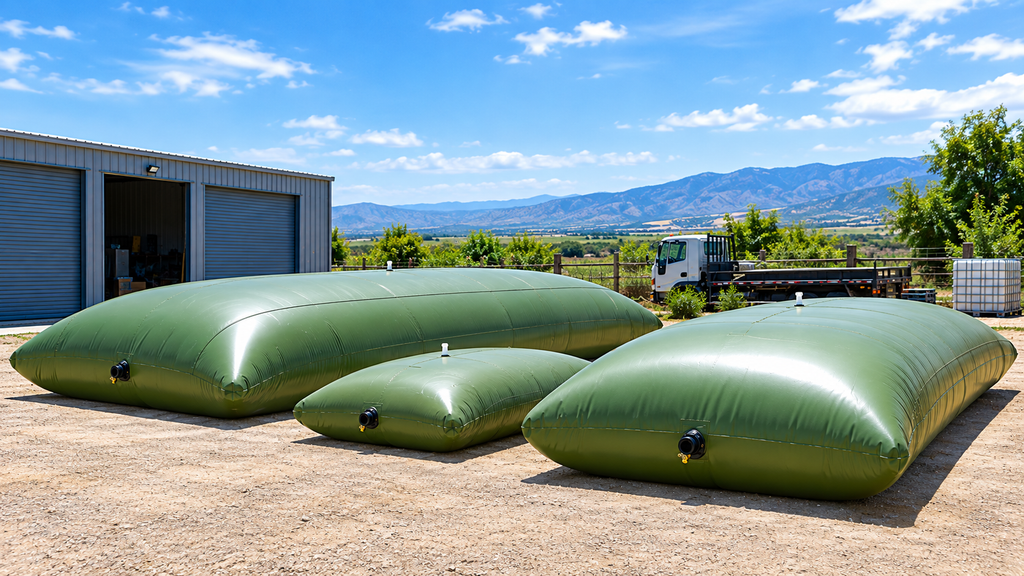
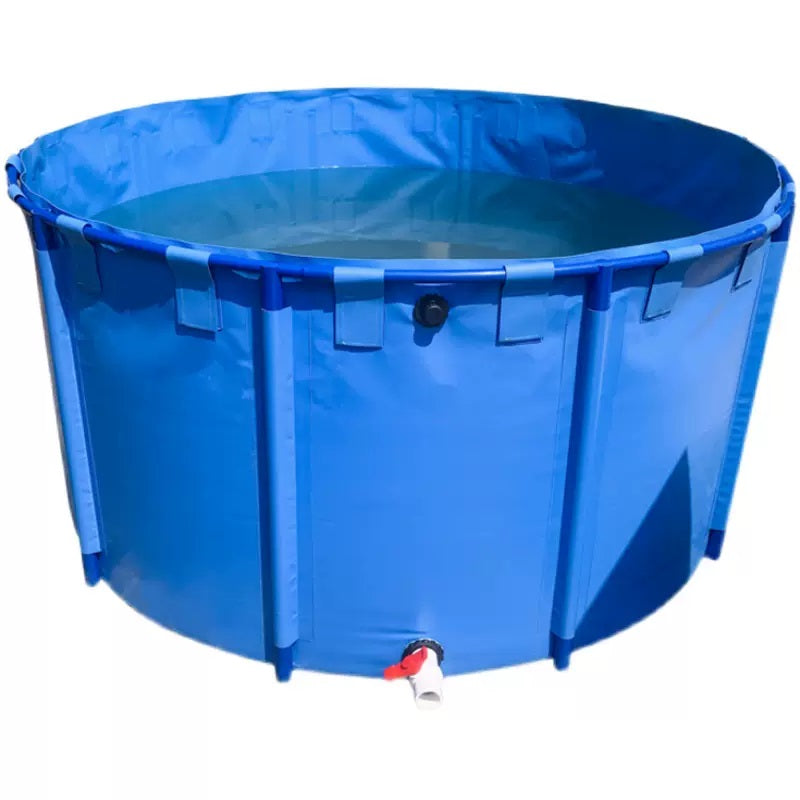
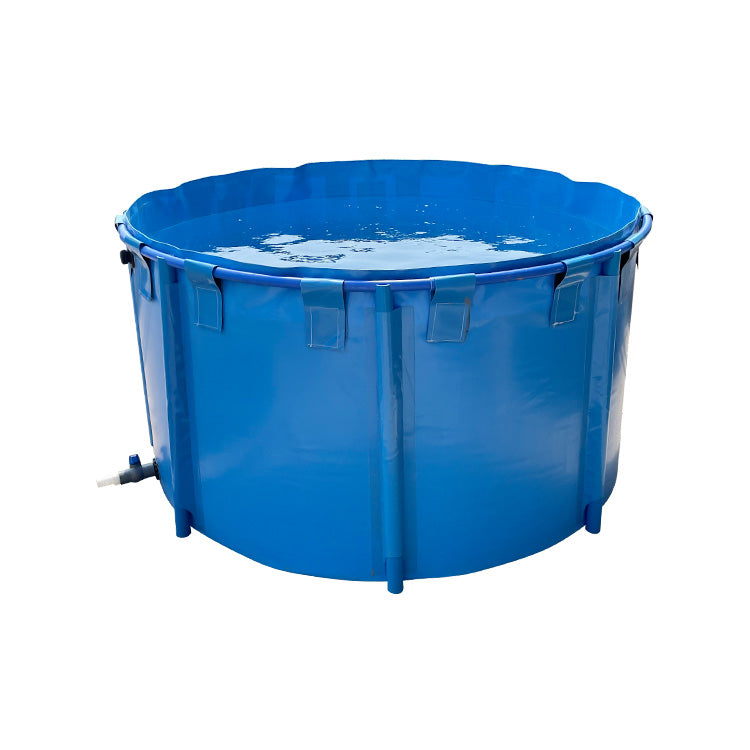
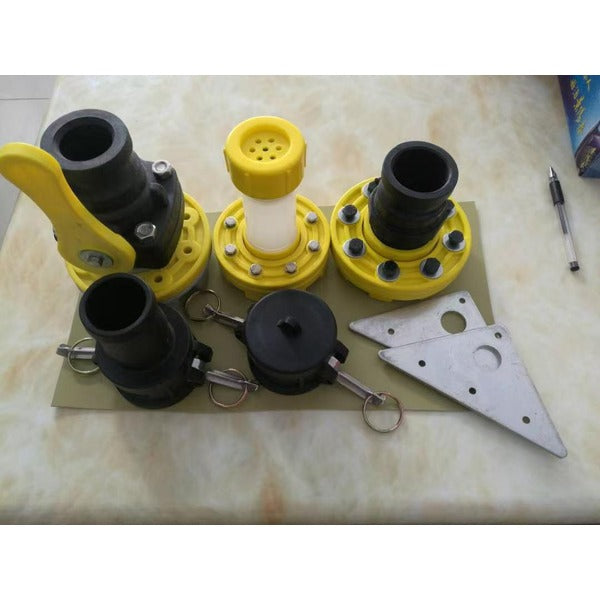
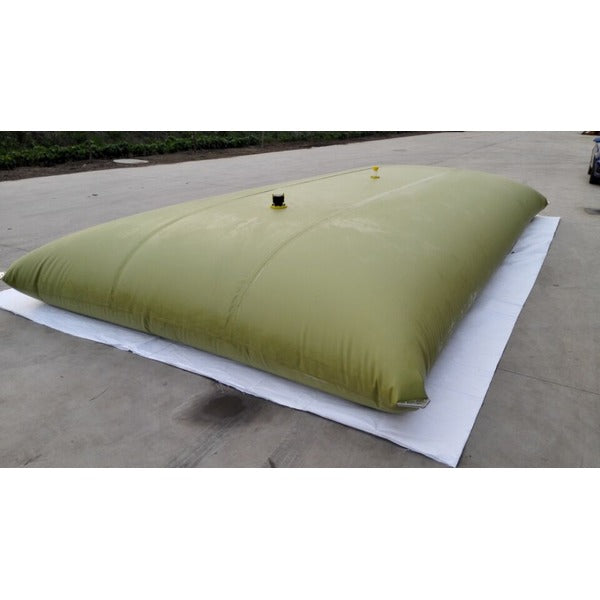
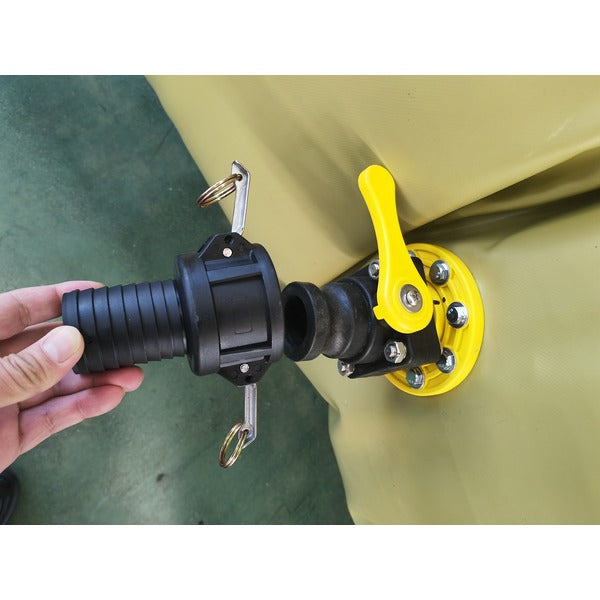
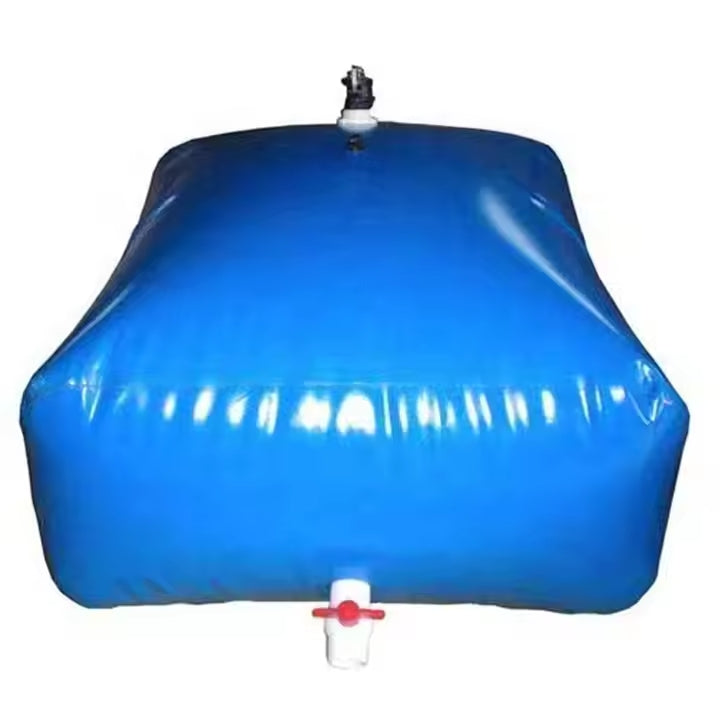
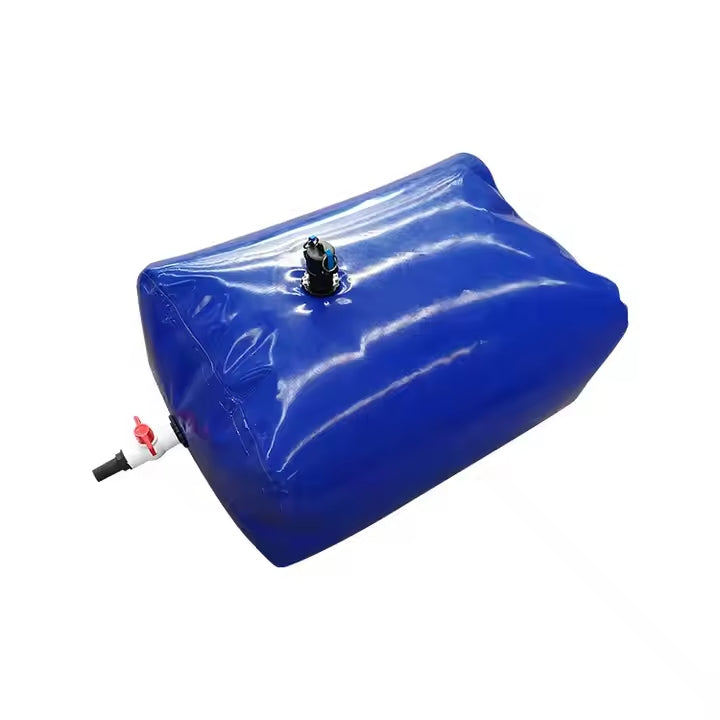
From what I've heard, it's pretty straightforward. The barrel arrives folded flat. You unfold it, slide the support rods into the sleeves around the sides, and it holds its shape. There's a valve at the bottom with standard garden hose threads. There's a top opening for water to come in.
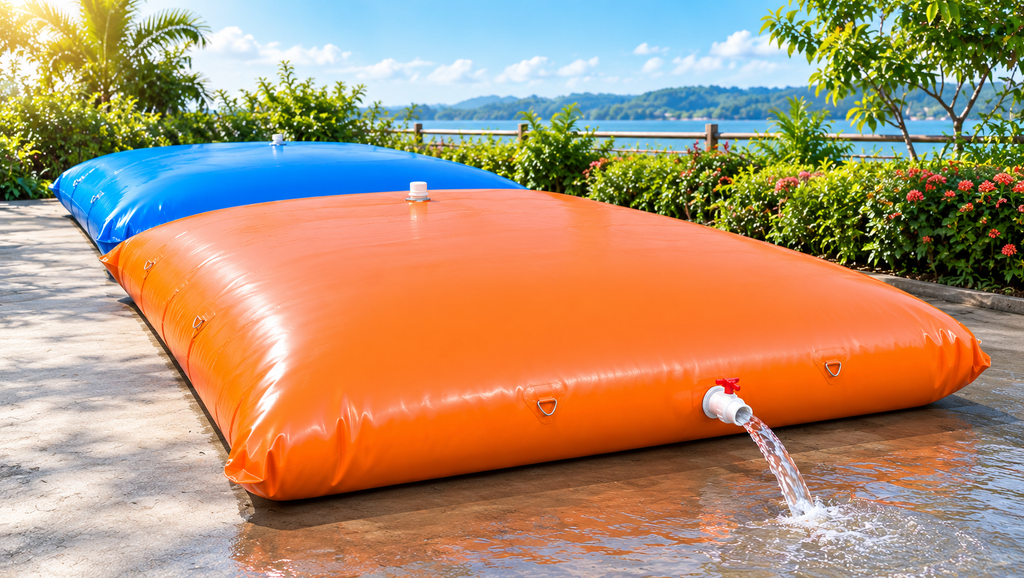
For stacking, you just set the second barrel on top of the first. The bottom barrel has a flat top that's designed to hold the weight. You can connect them with a short hose if you want to draw from both through the bottom valve, or you can keep them separate.
The main thing is making sure your base is level. A few concrete pavers or a small platform will do it. Nobody's pouring a foundation here.
Real Uses I've Heard About
Mark finally got one. Actually, he got two. Stacked them in the corner of his narrow yard, right under the downspout. His tomatoes this summer were ridiculous. I've never seen them that big.
A friend who lives in an apartment with a small balcony got one too. She's got about 15 potted plants and a little raised bed. The barrel sits in the corner, doesn't block her chair or her grill. She says she hasn't used tap water on her plants in months.
Another guy I know uses his for washing his car. Says rainwater doesn't leave spots like our tap water does. He's got a stack of three barrels, uses maybe half of them for the garden, keeps the rest for the car and for washing mud off his boots.
I even heard from someone who keeps a couple stacked in their garage for emergency water. They're in an area that loses power sometimes during storms, and they wanted flushing water. The barrels take up almost no floor space when empty, so they just keep them folded until storm season, then set them up and fill them.
The Maintenance Reality
I'm lazy about maintenance, so I need things that don't require constant attention.
These barrels seem pretty low-maintenance. The PVC is tough, doesn't seem to degrade in sun. There's no complicated mechanism to clean. The valve is simple. The main thing is making sure the inlet doesn't get clogged with leaves, which is true for any rain barrel.
If you're in a freezing climate, you drain them before winter. Takes five minutes. The empty barrels fold flat and go in the garage or basement. Come spring, they're back out.
If you leave them full in winter and they freeze, the PVC is rated down to -40°F, so it shouldn't crack. But why risk it? Draining is easy.
Why I Think This Matters
Look, I'm not here to tell you that a rain barrel is going to change your life. It's a water container. It does a specific thing.
But for people like Mark people who want to harvest rainwater but genuinely don't have the space stackable barrels remove the obstacle. You don't need to choose between water storage and having a usable yard. You can have both.
And there's something satisfying about that. About solving a problem that seemed unsolvable. About looking at your narrow little yard and realizing you can actually do this after all.
Mark sent me a picture of his stacked barrels a few weeks ago. They're tucked against the side of his house, under the gutter, barely taking up any space at all. His tomatoes were in the background, already starting to turn red. He looked happy.
That's what this is about, I think. Not the barrels themselves, but what they let you do. They let you keep a garden in a small space. They let you water without watching your bill climb. They let you feel like you're doing something useful with the rain that falls on your roof.
If you've been putting off rainwater harvesting because you didn't think you had room, maybe take another look. Stacking changes the math. Same footprint, double the water. That's hard to argue with.