

Portable 66-Gallon Rainwater Tank for Easy Outdoor Use
Portable 66-Gallon Rainwater Tank for Easy Outdoor Use
Last year, my cousin Laura called me with a problem. She'd just moved into this cute little bungalow with a backyard the size of a postage stamp. She wanted to start a vegetable garden had been dreaming about it for years but there was no room for a rain barrel. I measured," she said. If I put one of those big plastic drums out there, I lose the only spot where my kid can play. And I definitely can't fit one by the front door without looking like I'm running a hardware store.
I didn't have a good answer for her then. I knew she was right. Traditional rain barrels are permanent. They're heavy. They take up floor space that most of us don't have to spare.
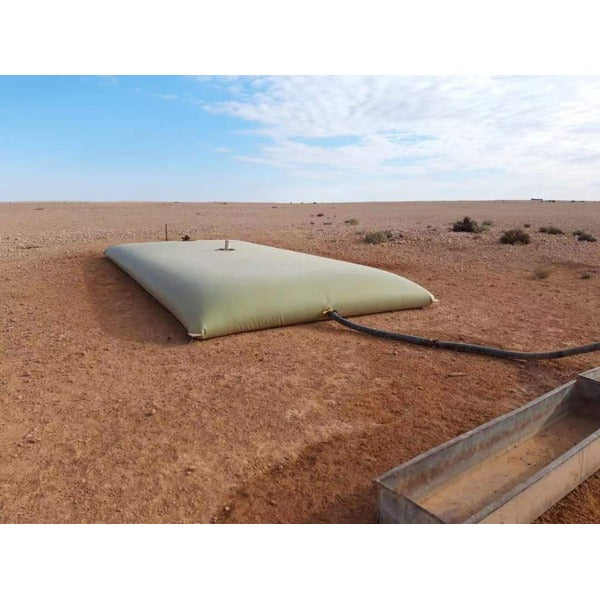
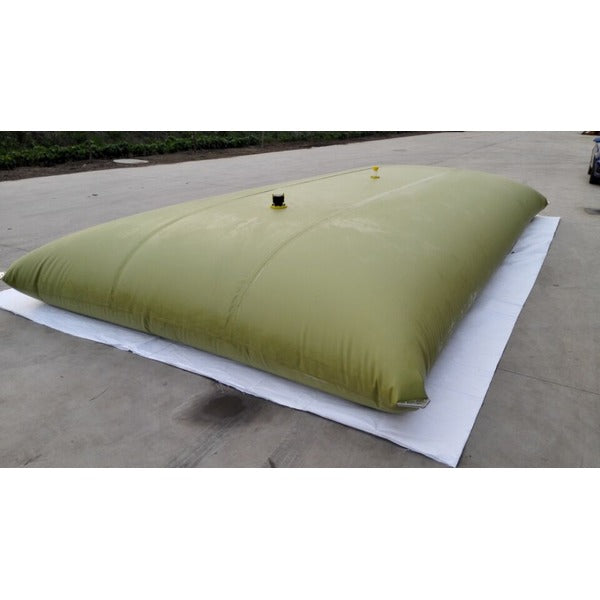
Then a few months ago, I stumbled onto something that made me think of Laura immediately. A 66-gallon portable PVC rainwater barrel that folds flat when you're not using it. And I thought, well, that changes everything.

The Small-Space Problem Nobody Warns You About
Here's the thing about rain barrels that you don't really grasp until you try to put one in your own yard. You look at the dimensions and think, okay, it's about two and a half feet across. That's not huge. I can find a spot.
But then you actually put it there. And suddenly that two and a half feet is the two and a half feet you used for something else. The path to the compost bin. The corner where you keep the kid's bike. The little patch of morning sun your favorite plant needs.
And if you have a balcony or a narrow side yard? Forget it. A traditional barrel isn't even an option.
I've talked to so many people who gave up on rainwater harvesting before they even started. Not because they didn't want to do it. Because they genuinely didn't have the room.
What Makes a Foldable Tank Different
When Laura finally saw one of these foldable tanks, her first reaction was confusion. "That's supposed to hold water?" she asked, poking at the flat package I'd brought over.
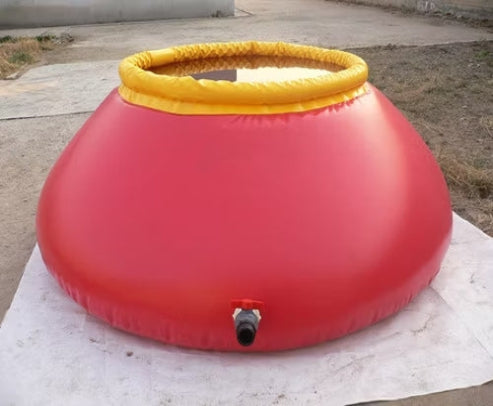
It's a fair question. The thing arrives folded up like a giant pancake. Maybe four inches thick. You could slide it under a bed or lean it against a wall in the closet and forget it's there.
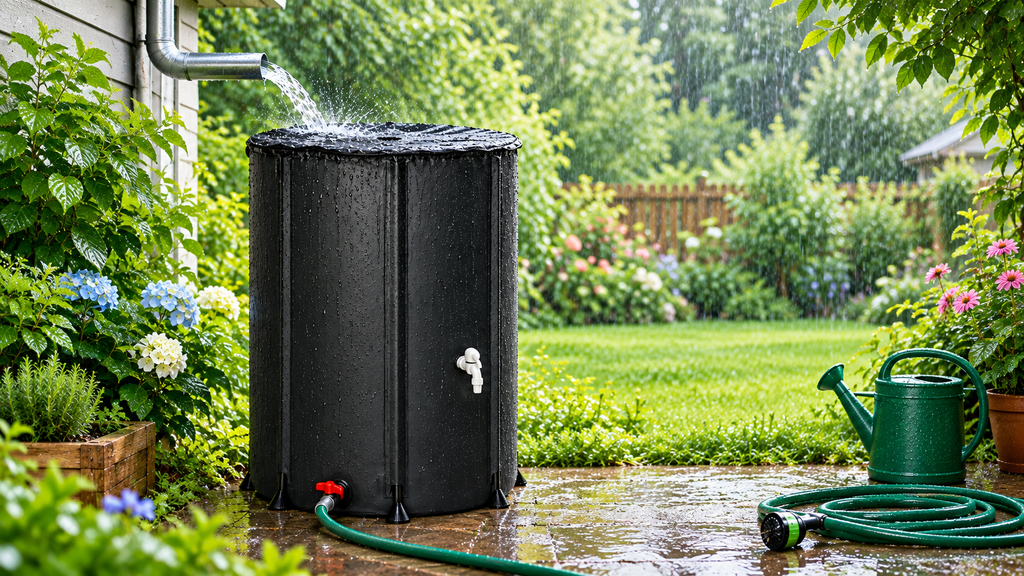
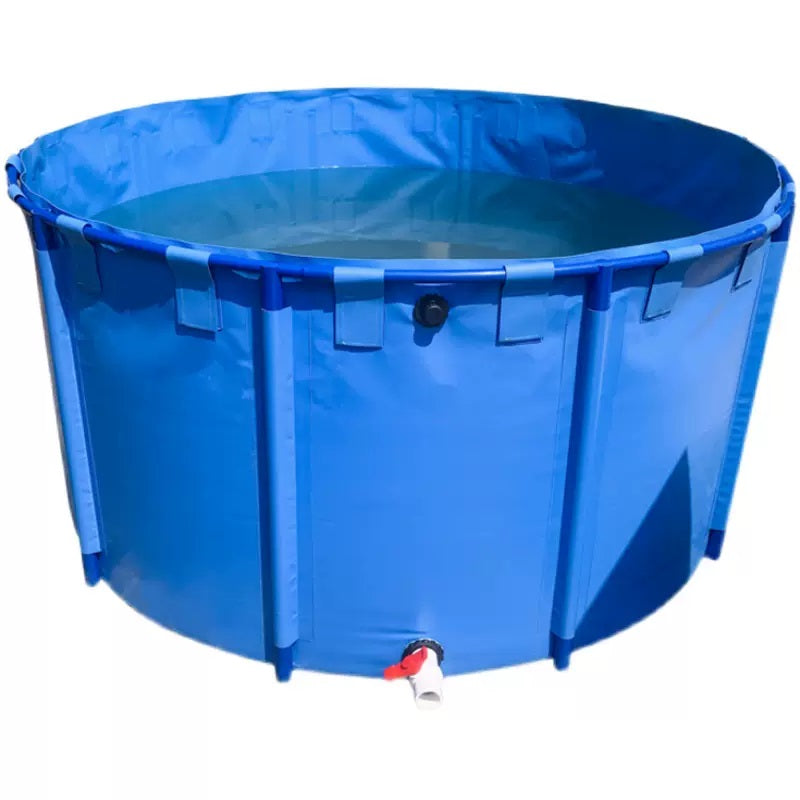
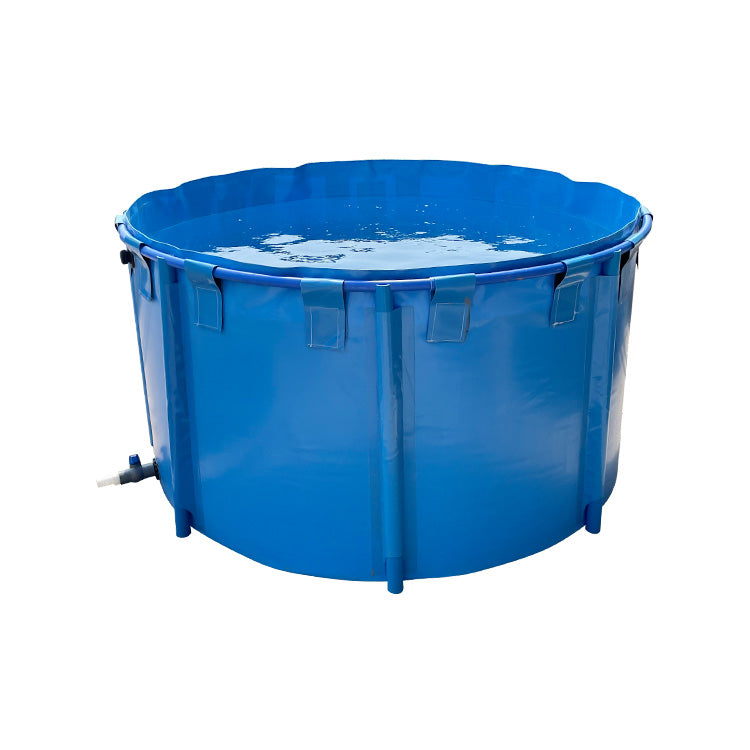
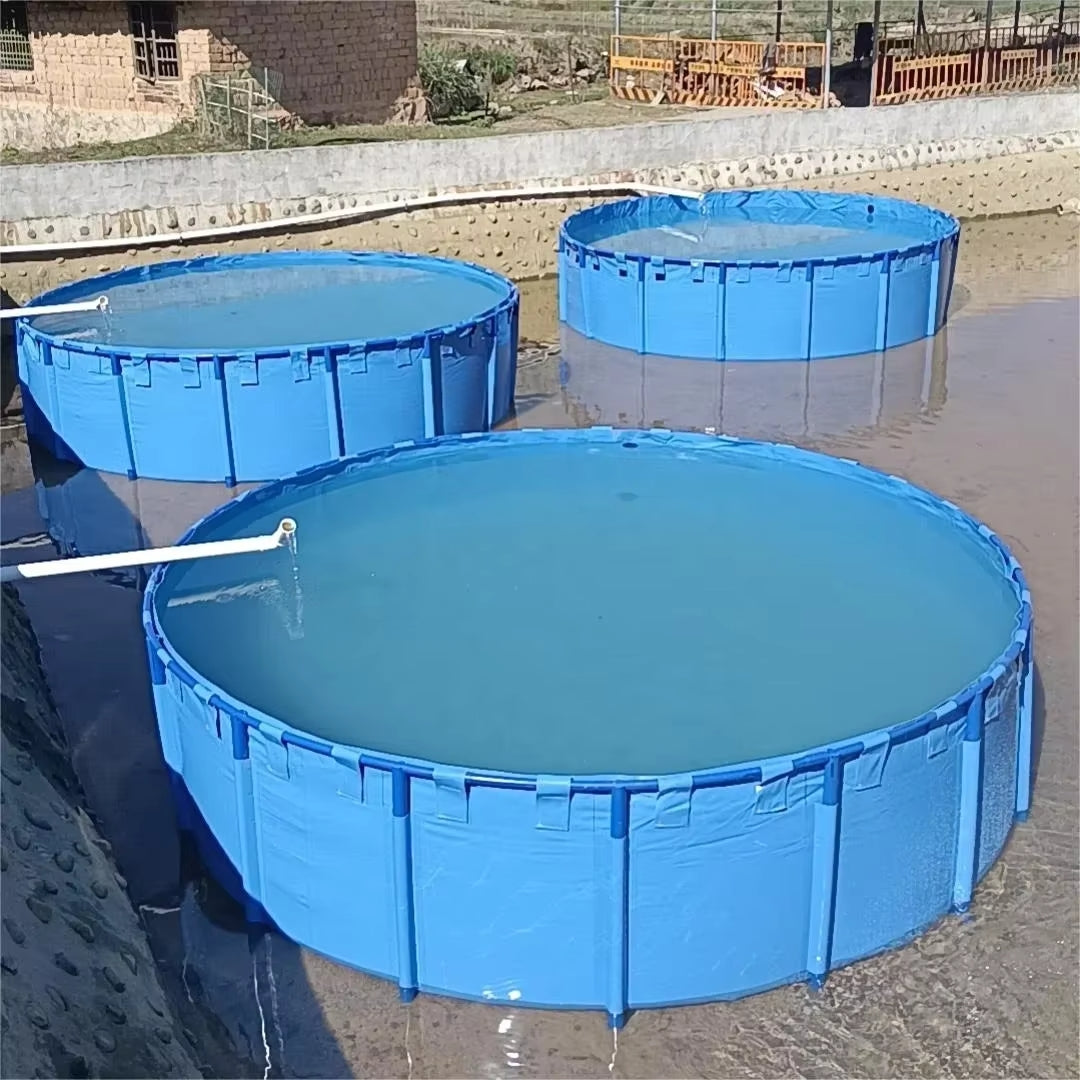
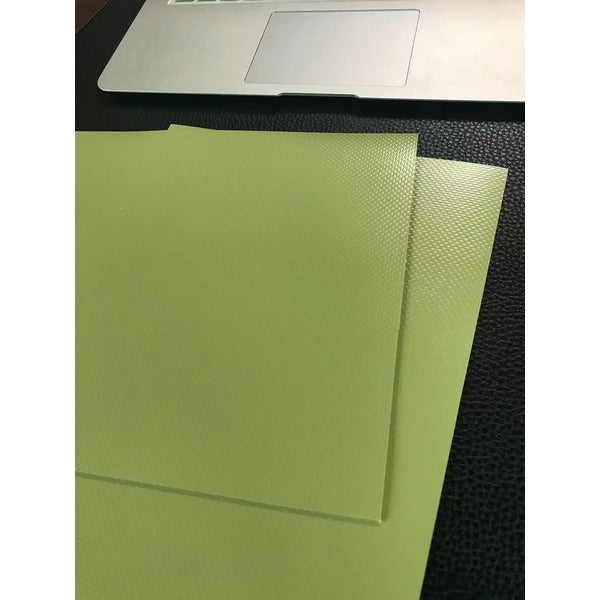
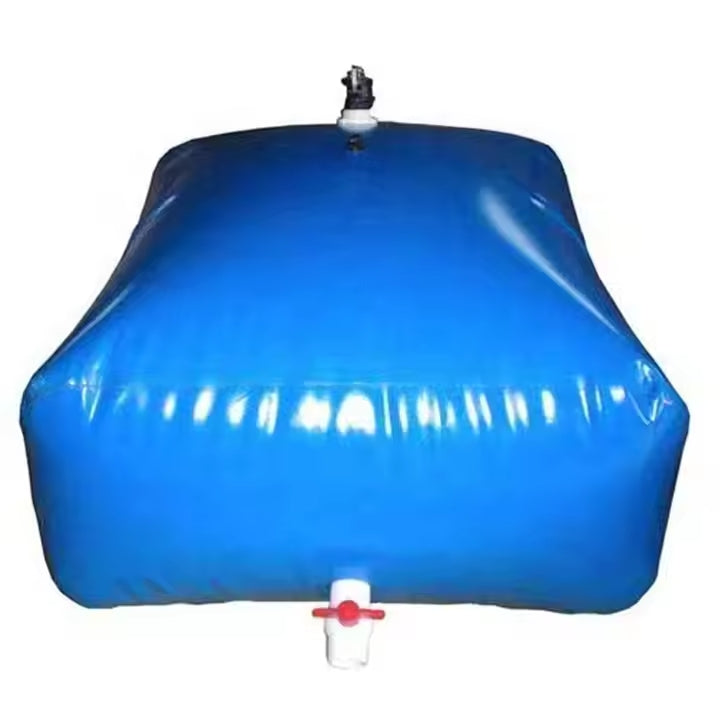
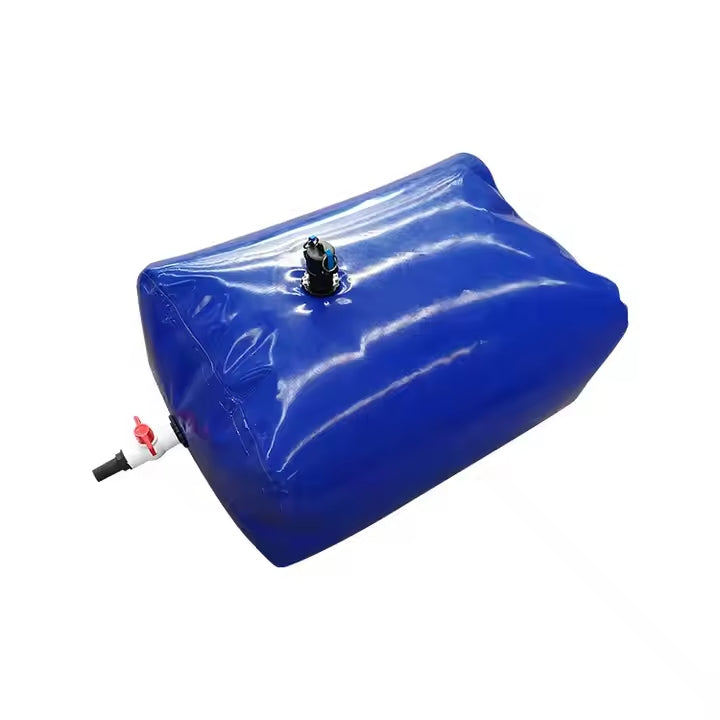
The tank itself is made from heavy-duty PVC the same kind of material they use for inflatable boats. Tough stuff. It's got support rods that slide into sleeves around the sides. When you put them in, the tank stands up on its own. Takes maybe ten minutes. No tools. No swearing. Just slide the rods in and you're done.
When Laura set hers up for the first time, she laughed. That's it?" she said. I was expecting to need a PhD in plumbing.
That's the thing about foldable tanks. They remove the intimidation factor. You don't need to be handy. You don't need permanent space. You just need a flat surface and ten minutes.
Sixty-Six Gallons in a Small Footprint
The 66-gallon capacity is about 250 liters. That's enough water to actually matter. For Laura's small vegetable garden she's got about four raised beds and some herbs in pots a full tank lasts her about two weeks in the summer.
But here's what really matters for small spaces: the footprint. When it's set up, the tank is about two feet across and about waist-high. That's it. It fits in a corner, next to a downspout, without taking over the whole area.
And when she doesn't need it? She drains it, pulls the rods out, and it folds flat again. Slides right under her porch. Takes up almost no space at all.

The People Who Actually Need This
I keep thinking about the different situations where a foldable tank makes sense.
The balcony gardener. If you're growing tomatoes and herbs on a balcony, every square foot counts. A rigid barrel would take up half your usable space. A foldable tank? You set it up in the corner during growing season, keep your plants happy, then fold it away when you want your balcony back.
The renter. This is huge. If you're renting, you probably can't install a permanent rain barrel. You might not even have a downspout you're allowed to modify. But a portable, foldable tank? You can set it up when you need it, take it with you when you move. No asking permission, no leaving it behind.
The narrow-yard homeowner. Like my cousin. You've got maybe ten feet of width between your house and the fence. You want a garden, you want space for your kid to play, and you also want to harvest rainwater. A foldable tank gives you the water without eating up your limited square footage.
The seasonal gardener. Some people only need extra water in the summer, when the garden is going and the rain is spotty. Come winter, that rain barrel is just sitting there taking up space. With a foldable tank, you put it away when you're done. It's not a year-round fixture.
The emergency prepper. If you want water stored for emergencies but don't want it taking over your garage, foldable tanks are perfect. Keep them flat until storm season, set them up when needed. When the risk passes, fold them back up.
What Setup Actually Looks Like
I helped Laura set hers up, so I can tell you exactly what happens.
The box arrives, and it's surprisingly small. You open it, pull out the folded tank and the support rods. The rods are lightweight but sturdy six of them for the 66-gallon size.
The tank has sleeves sewn into the sides. You slide the rods in one by one. As you do, the tank starts taking shape. By the time you've got all six rods in, it's standing on its own.
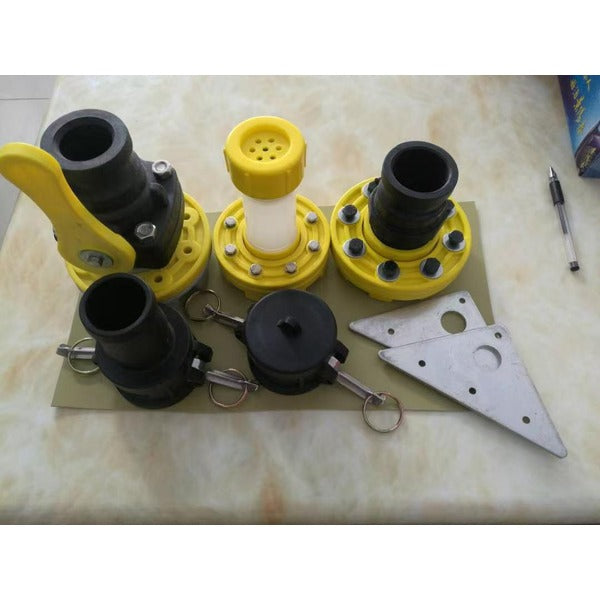
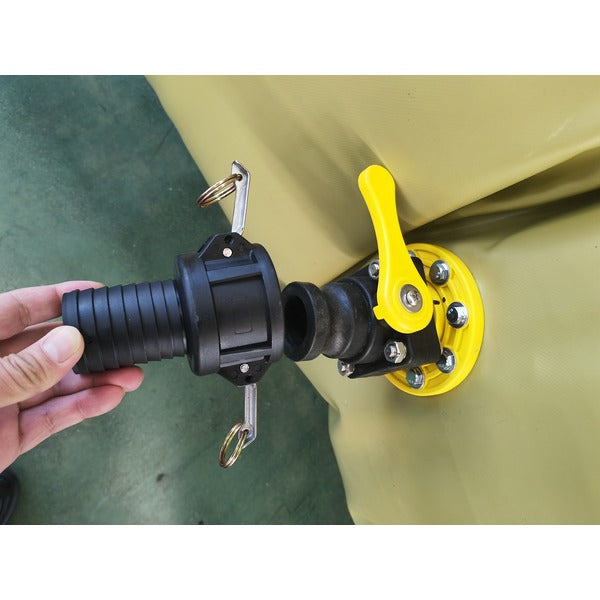
The top has a zippered mesh cover. Rain gets in, leaves and bugs don't. You can unzip it to dip a watering can directly, or you can use the valve near the bottom to attach a garden hose.
We put hers under a downspout, aimed the gutter into the opening, and that was it. Done. Fifteen minutes, tops.
The Little Things That Surprised Me
A couple things I didn't expect:
The mesh top is actually useful. I thought it would be annoying, but it's great. Keeps mosquitoes out which is a huge deal if you've ever dealt with a stagnant barrel in summer. And it's zippered, so if you want to fill a bucket or clean it out, you just unzip.
It's not flimsy. I was worried that foldable meant delicate. Not the case. The PVC is thick, the rods are solid, and when it's full of water, it feels substantial. It's not going to tip over because a dog brushes against it.
The cold rating matters. It's rated for down to -40°F. I'm not going to test that limit, but it's good to know that if you forget to drain it before a freeze, you probably won't come out to a cracked mess.
What Laura Says About It Now
I checked in with Laura a few weeks ago. Her tomatoes are coming in, her peppers are doing great, and she's still using water from the tank. She said something that stuck with me:
You know what I like most? I don't have to think about it. It's just there when I need it. And when winter comes, I'll fold it up and forget about it until spring. It doesn't own a corner of my yard.
That's the thing, I think. For people with small spaces, a rain barrel shouldn't be a permanent fixture. It should be a tool that works around your life, not the other way around.
If You've Been Waiting for the Right One
If you've been thinking about collecting rainwater but thought you didn't have the space, maybe take another look. The 66-gallon portable PVC rainwater barrel is different. It folds. It moves. It doesn't demand a permanent spot in your yard.
Set it up in spring, use it all summer, fold it away in fall. Your plants get free water. Your water bill goes down. And you get your space back when you don't need it.
Laura sent me a picture last week of her garden. Four raised beds, herbs in pots, everything green and thriving. And tucked in the corner, barely taking up any room at all, is the tank. She's happy. Her plants are happy. And she didn't have to give up her kid's play space to make it happen.