

Flexible Water Storage Solutions by SoftLiquidTank – Smart, Portable & Durable
Flexible Water Storage Solutions by SoftLiquidTank – Smart, Portable & Durable
I remember helping my uncle on his small farm a few years back. He needed extra water storage for his vegetable beds during a dry spell, but his shed was already bursting with equipment. I can't put in a permanent tank, he said, kicking at a patch of dirt. No room, and I don't need it year-round anyway.
I didn't have an answer for him then. We ended up borrowing a rusty old barrel from a neighbor, and it worked okay, but it took up half his storage space even when empty. That thing was a beast to move.
Last month, I called him to tell him about something I'd found. Foldable water tanks. He laughed. Foldable? Like a camping chair? Turns out, yeah, kind of. But tougher. And way more useful than either of us realized.

What Even Is a Foldable Water Tank?
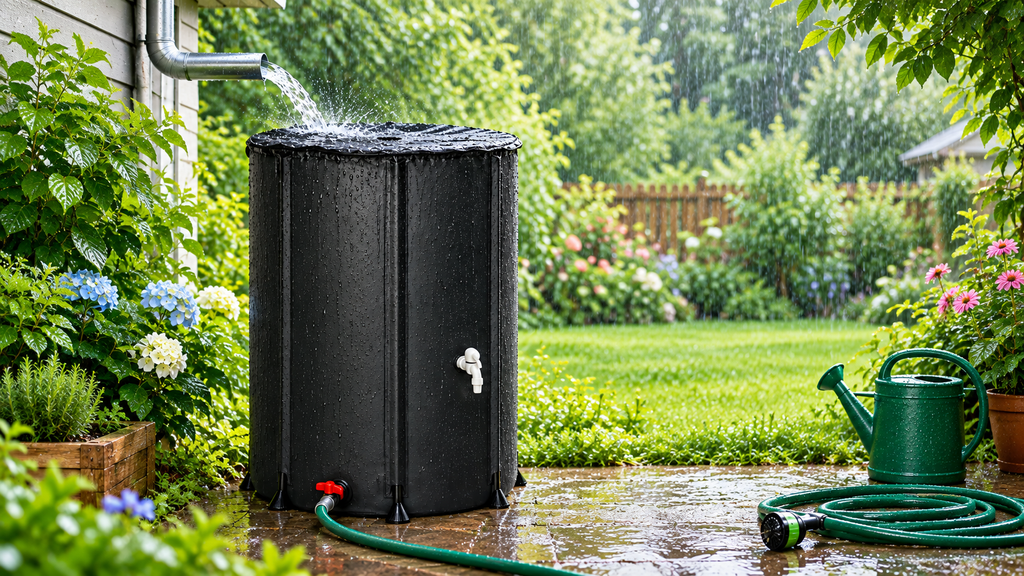
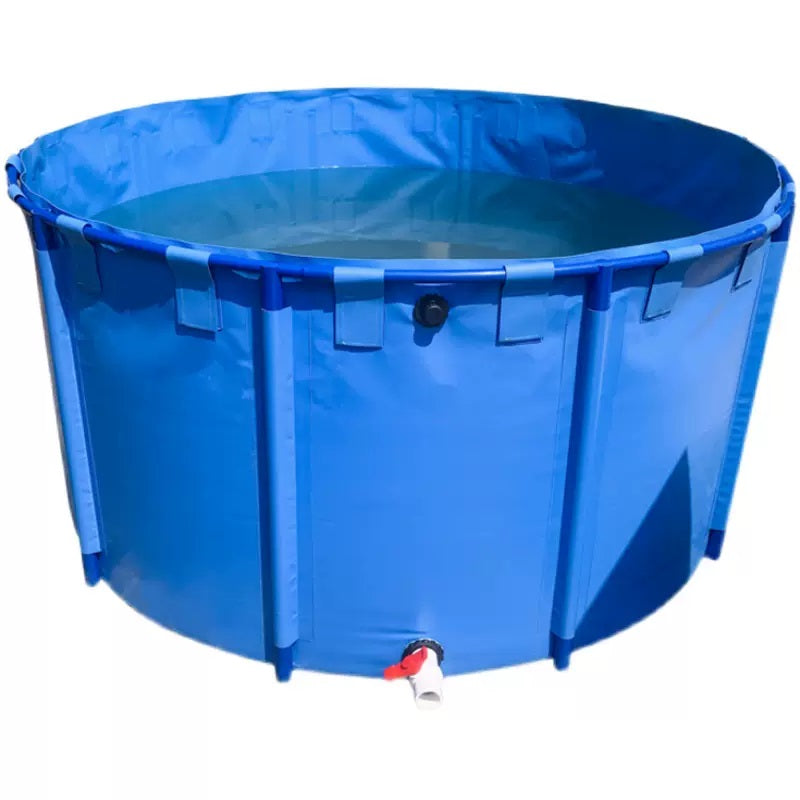
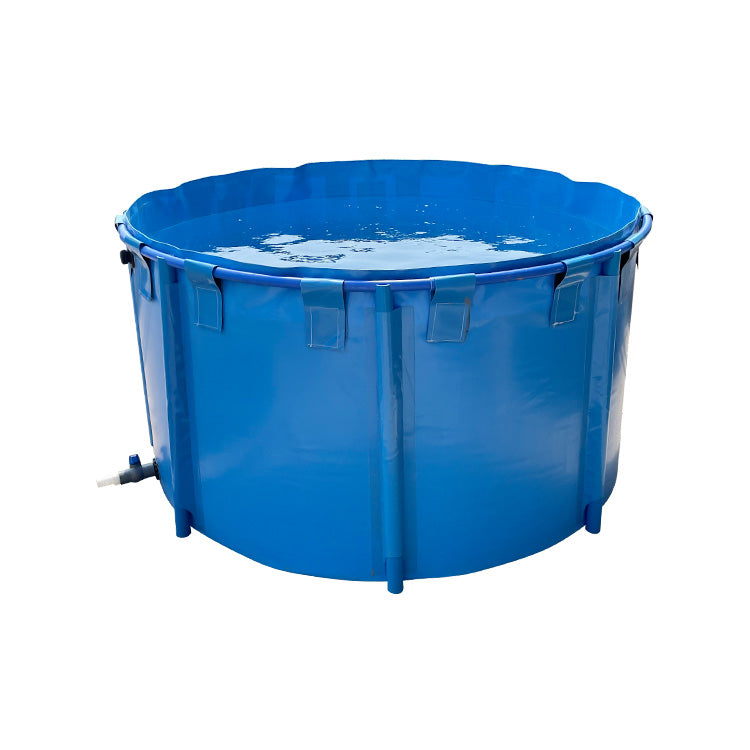
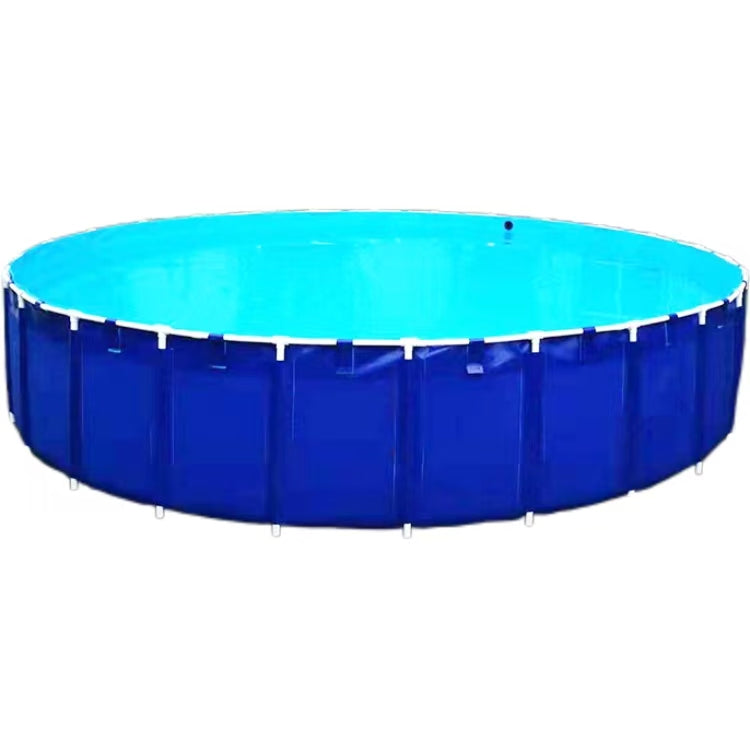
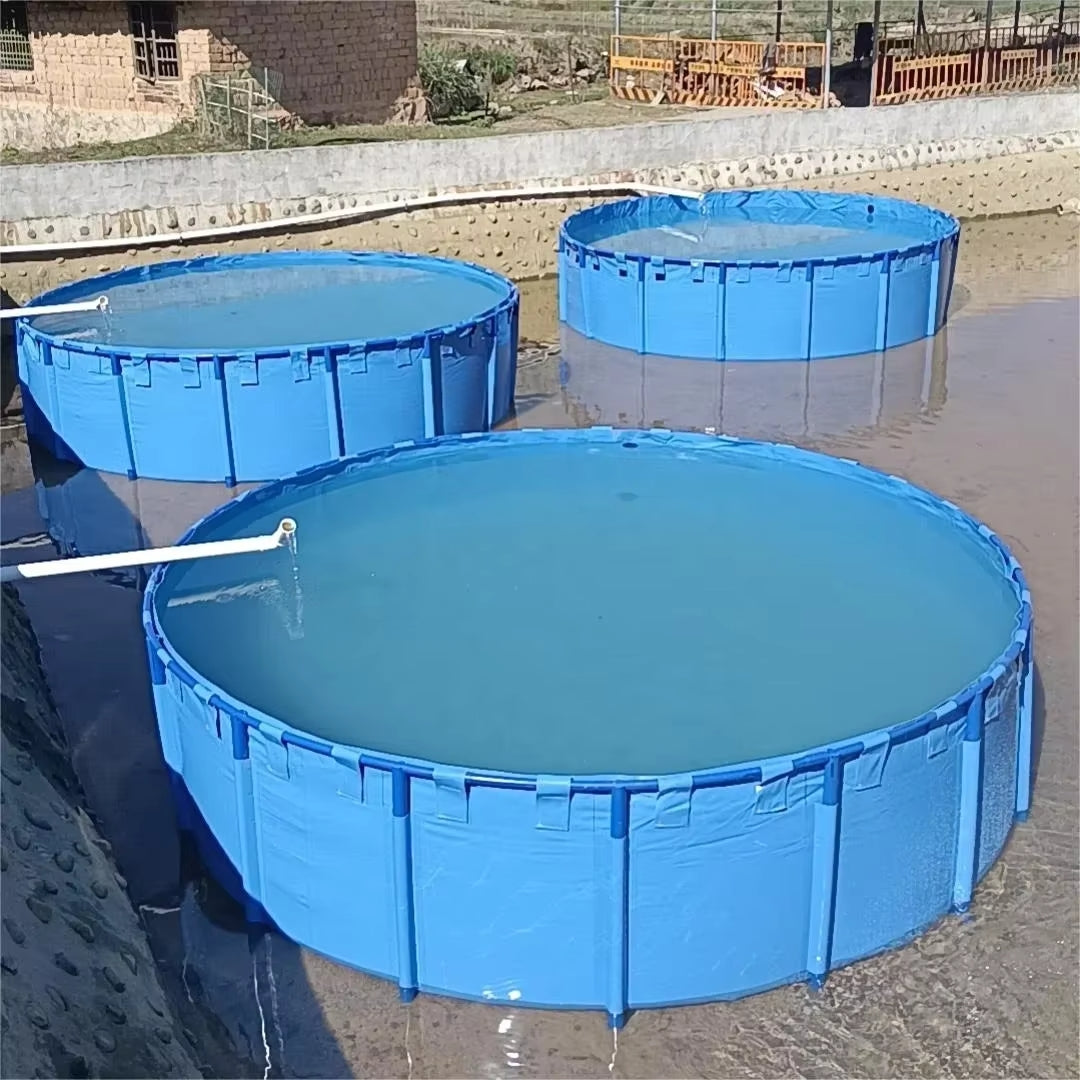
If you've never seen one, picture this: a heavy-duty PVC container that stands up when you need it, holds anywhere from 50 to over 1,000 liters of water, and then folds flat when you're done. No rigid walls. No permanent footprint. Just a sturdy fabric tank with support rods that slide in and out.
The company I came across is called SoftLiquidTank. They've been making these things since 2006, and honestly, I wish I'd known about them sooner. Their RAINBOW series covers everything from backyard rain barrels to fuel bladders for small planes to flood barriers that inflate in minutes.
But the foldable water tanks? That's where the real magic is for regular people like you and me.
The Space Problem That Disappears
Let me be honest. The biggest reason people don't have water storage is space. Not cost. Not complexity. Just the sheer physical room a tank takes up.
A traditional rigid tank sits there forever. You put it in a corner, and that corner is gone. Need to store something else? Too bad. Moving? Hope the new owners want a giant plastic drum in their yard.
With a foldable tank, that whole problem vanishes. When it's empty, you pull the rods, fold it flat, and slide it behind a shelf or under a bed. Takes up maybe four inches of height. You could store a half-dozen of them in the space one rigid tank would occupy.
My uncle finally got one for his farm. He keeps it folded in the barn most of the year. When summer hits and the rain gets spotty, he sets it up under a downspout, fills it, and uses it for his vegetables. When fall comes, he drains it, folds it, and forgets about it until next year.
That's the kind of flexibility that actually works for real life.
Why Homeowners Are Switching
I've talked to a few people who've bought these, and the stories are all similar but different in their own ways.
The gardener with a small yard. She couldn't fit a traditional barrel anywhere that didn't block her path to the compost bin. Now she sets up a 66-gallon tank during growing season, tucks it next to the garage, and still has room to walk.
The renter who moves every couple years. He never bothered with rainwater because he didn't want to leave a permanent barrel behind. Now he's got a foldable tank that packs up and moves with him. No permission from the landlord, no heavy lifting, no drama.
The emergency prepper who doesn't want her garage looking like a survivalist compound. She keeps two 100-gallon tanks folded flat on a shelf. If a storm's coming, she sets them up in five minutes and fills them from the bathtub or downspouts. When the threat passes, they disappear back onto the shelf.
The car enthusiast who washes his truck with rainwater. He likes that the water doesn't leave spots, and he likes that the tank folds away when he's not using it. No permanent barrel cluttering up his driveway.
How Industry Uses These Tanks
The home uses are great, but where these things really shine is on farms, job sites, and commercial properties.
Farms. One farm in northeast China bought a thousand 500-liter foldable barrels for soaking rice seeds before planting. You fill the barrel, dump in the seeds, let them soak overnight, and then plant. When seeding season is over, the barrels fold flat and store easily until next year. Try doing that with rigid tanks.
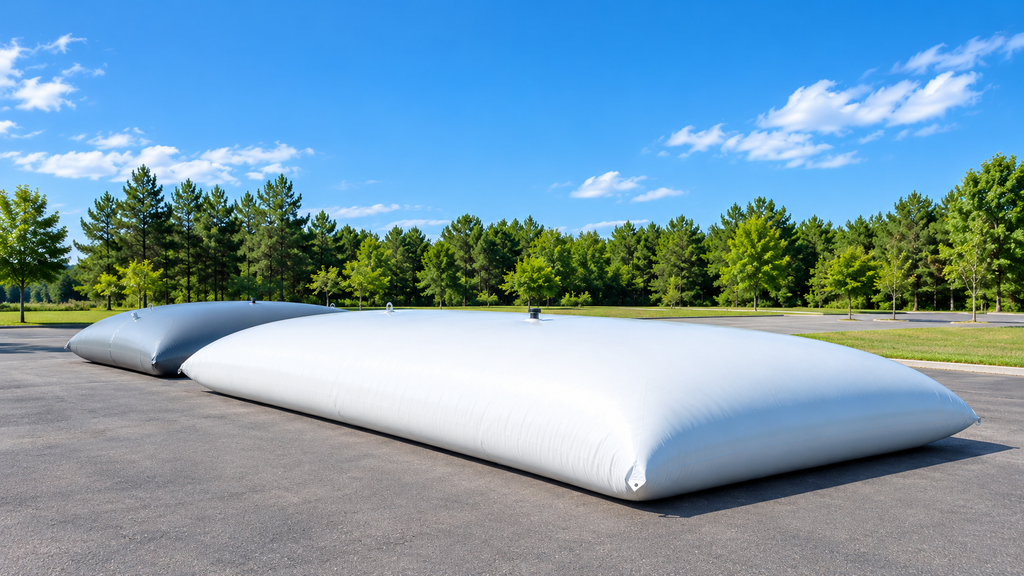
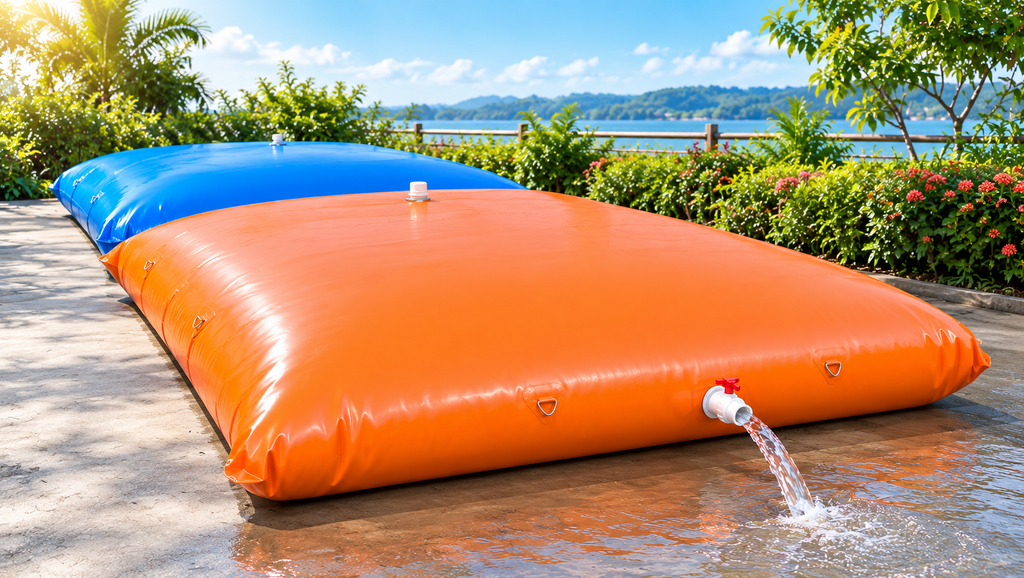
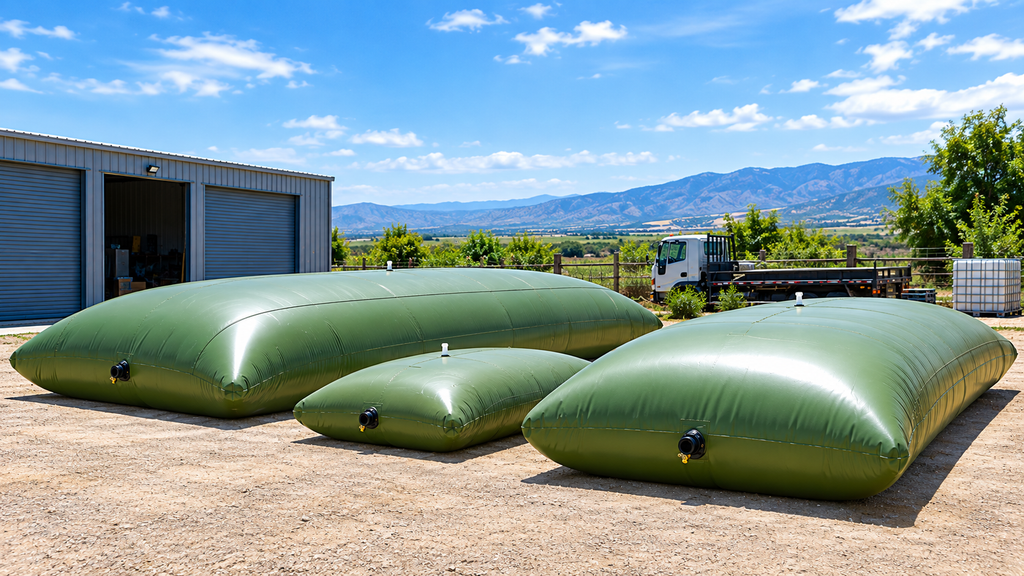
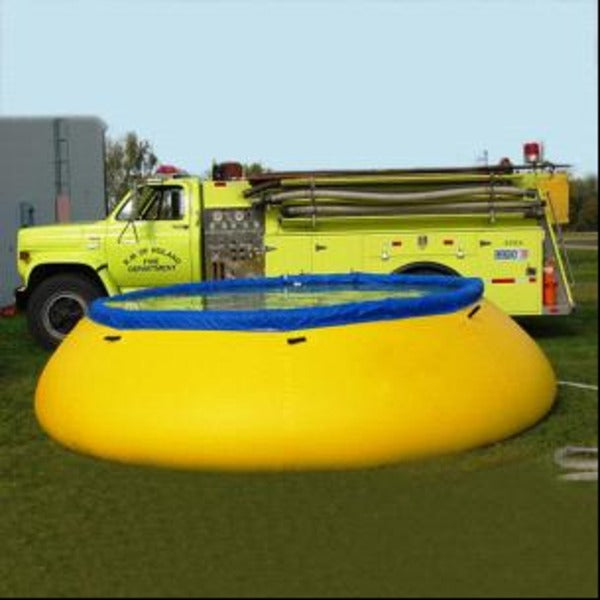
Fire protection. Onion-shaped foldable tanks are used near commercial buildings, hospitals, and residential areas. They sit empty and folded most of the time, but if a fire breaks out, they deploy quickly and hold thousands of gallons for firefighting. When the emergency passes, they fold back up.
Construction sites. Job sites need water for dust control, concrete mixing, and equipment washing. But permanent tanks are impractical when the site moves every few months. Foldable tanks pack up and move with the crew.
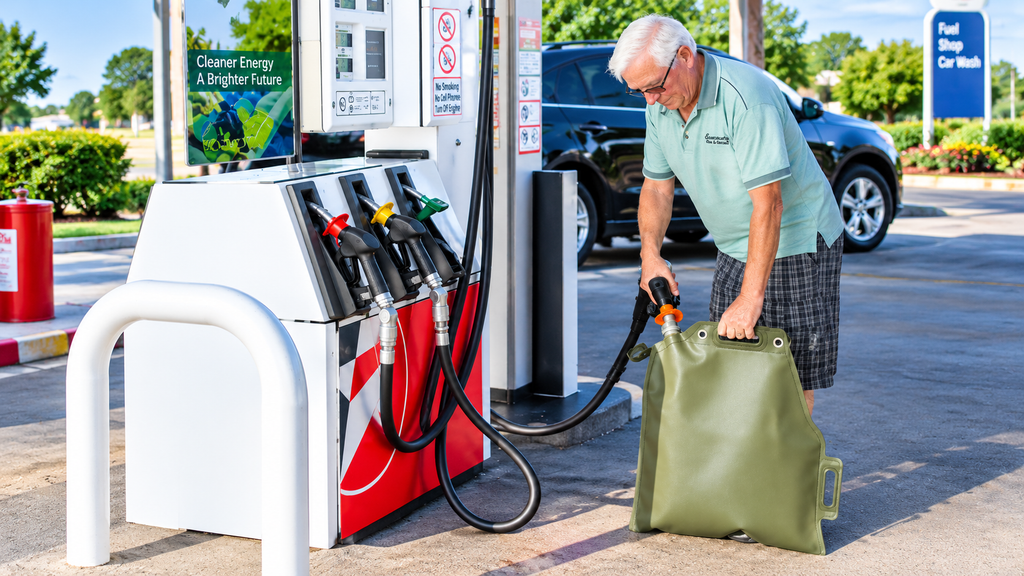
Fuel storage. This one surprised me. SoftLiquidTank makes flexible fuel bladders for small planes and ultralight aircraft. A 5-gallon diesel bladder folds flat in your luggage, then holds spare fuel to extend your travel range. Two eyelets let you tie it down securely. Not something I'd ever thought about, but for pilots, it's a game changer.

What About Flood Protection?
While we're talking about the brand, I should mention their flood barriers. They make these resin powder expansion bags that activate in about five minutes. You put them down, water hits them, and they expand to block the water. Way lighter and easier than sandbags.
For people in flood-prone areas, that's huge. Sandbags are heavy, messy, and hard to store. These fold flat until you need them, then do the job without breaking your back.
The Durability Question
I know what you're thinking. "Foldable sounds flimsy.
That was my first reaction too. But these aren't cheap plastic. They're made from 1000D PVC the same kind of heavy-duty material used for inflatable boats and industrial applications. UV-resistant, freeze-resistant down to -40°F, and built to handle years of outdoor use.
The support rods are sturdy metal or reinforced plastic, depending on the size. When the tank is full, it's solid. It doesn't wobble or tip. It just sits there doing its job.
And if something does wear out? The tanks are repairable. Patches work. Valves can be replaced. These aren't disposable products.
Setting One Up Is Embarrassingly Easy
I'm not handy. At all. If a project requires tools, I usually mess it up.
The first time I set up a foldable tank, I kept waiting for the hard part. It never came. Unfold the tank. Slide the support rods into the sleeves around the sides. Done. That's it. No screws, no instructions, no swearing.
The top has a mesh cover to keep out leaves and bugs, and there's a valve at the bottom that connects to a standard garden hose. If you want to fill watering cans directly, you just unzip the top and dip.
When you're done, you open the valve to drain it, pull out the rods, fold it flat, and put it away.
Ten minutes. Maybe fifteen if you're slow like me.

Why I Think These Matter
Look, water storage isn't glamorous. Nobody's throwing a party because they bought a tank. But for people who need water where and when they want it gardeners, farmers, renters, preppers, businesses foldable tanks solve a real problem.
The problem of space. The problem of permanence. The problem of moving. The problem of seasonal need.
You don't need a dedicated tank corner in your yard anymore. You don't need to leave a barrel behind when you move. You don't need to stare at an empty tank all winter taking up space.
You just need a foldable tank. Set it up when you need it. Fold it away when you don't.
My uncle called me last week. His vegetables are doing great, he said. The tank worked exactly like I told him it would. And when winter comes, he's going to fold it up and slide it under his workbench.
Best part, he said, is I don't have to look at it for six months.
That's the thing, I think. Good tools work for you. They don't demand space or attention when you're not using them. They just show up when needed and disappear when they're done.
If you've been putting off getting water storage because you don't have the room or you're not sure you need it year-round, take another look at foldable tanks. They might be the answer you've been waiting for.