

Carry Fuel Smarter with a Flexible 5-Gallon Foldable Fuel Bladder
Carry Fuel Smarter with a Flexible 5-Gallon Foldable Fuel Bladder
I have a friend named Dave who flies a little ultralight aircraft. He's one of those guys who's always chasing the horizon flying over canyons, landing on remote strips, exploring places you can't get to by car. A couple years ago, he told me about a trip where he nearly got stuck because he miscalculated his fuel range. I was circling this little airstrip," he said, watching my fuel gauge drop, praying I'd calculated right. I made it. But I swore I'd never cut it that close again.
The problem was, his plane didn't have room for a spare jerry can. Those rigid metal containers are bulky, heavy, and they don't fit in the tiny storage compartments of a small aircraft. So he started looking for another option.
That's how I first heard about flexible fuel bladders. And honestly? I had no idea they existed.

What Is a Flexible Fuel Bladder, Anyway?
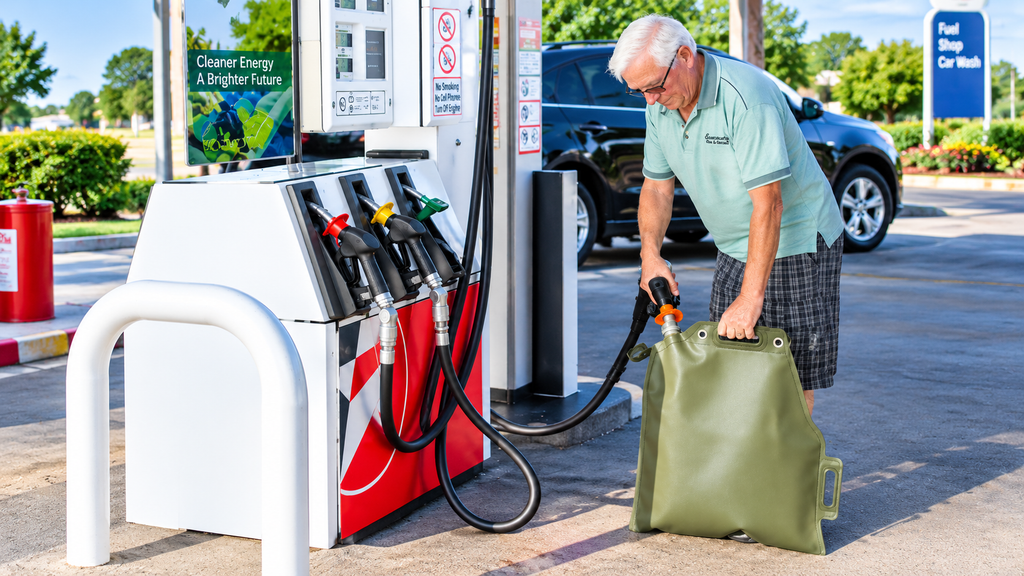
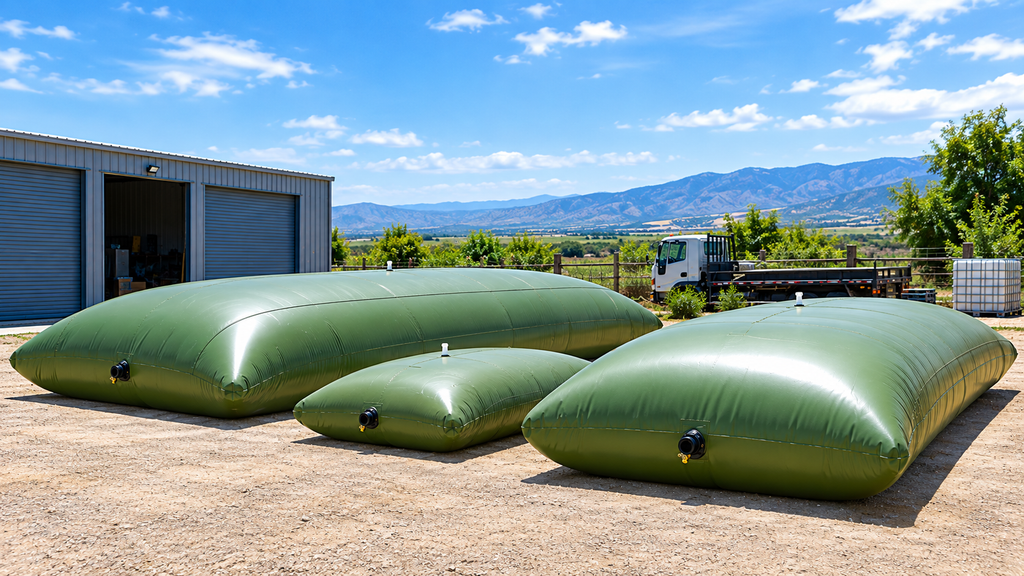
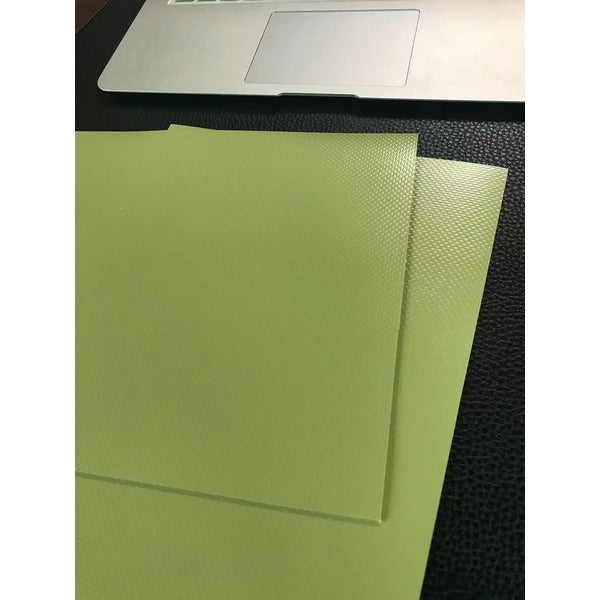
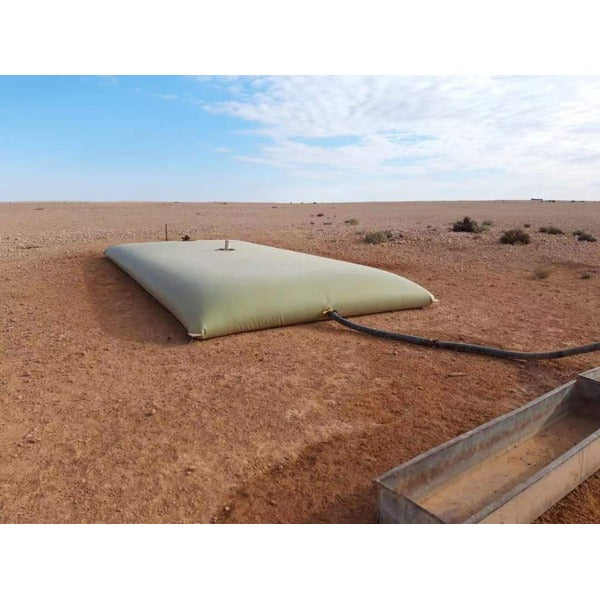
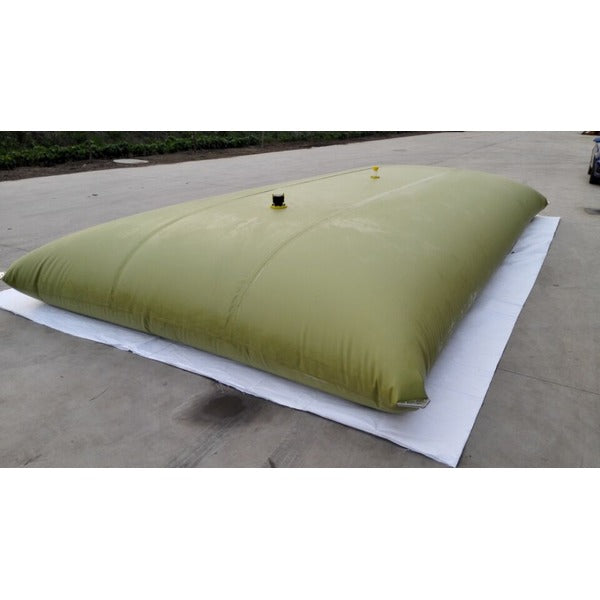
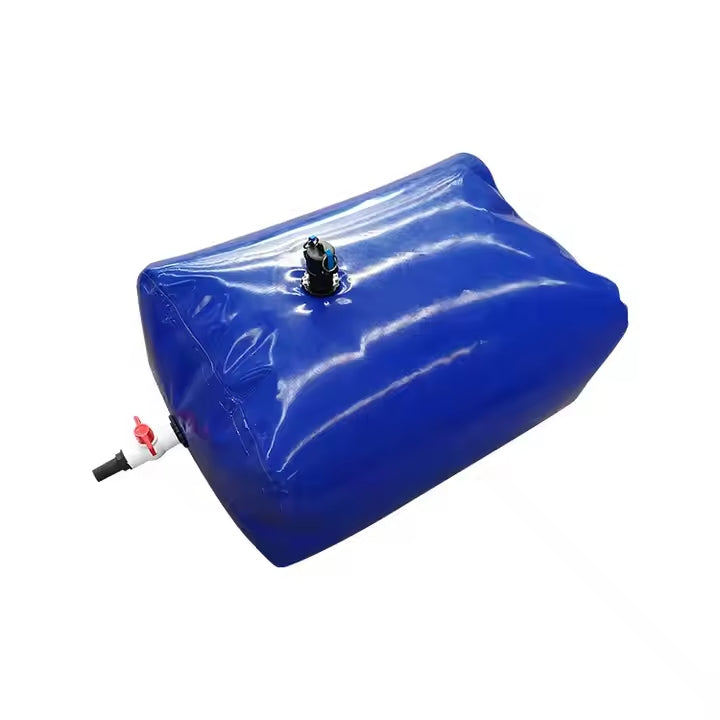
If you've never seen one, picture a heavy-duty, collapsible container made from fuel-resistant material. It's like a soft-sided water bottle, but for gasoline, diesel, or aviation fuel. The one Dave found is a 5-gallon foldable fuel bladder 20 liters, to be exact. It's made from this tough, flexible material that can handle fuel without breaking down, and it folds flat when it's empty.
The specs on these things are no joke. The one Dave uses has a burst pressure over 0.48 MPa, which is way higher than anything you'd put it through in normal use. It's been drop-tested from 4.5 meters. It works in temperatures from -41℃ all the way up to +85℃. That's the kind of engineering you'd expect from military gear and sure enough, the company that makes these supplies them to the Chinese Army, police forces, and UN development agencies.
But for Dave? He just needed to carry spare fuel without turning his plane into a flying hardware store.
The Problem with Traditional Fuel Containers
Let's be honest about jerry cans. They work. They've been around forever for a reason. But they've also got some serious downsides.
First, they're heavy. Even empty, a steel jerry can weighs several pounds. When it's full of 5 gallons of fuel, you're hauling around 30-35 pounds in a shape that's awkward to carry and hard to pack.
Second, they're bulky. A rigid can takes up the same amount of space whether it's full or empty. If you're driving, that's space you could use for gear. If you're flying, that's weight and volume you might not have.
Third, they don't fit everywhere. Dave's ultralight has storage compartments that are shaped weird. A rigid jerry can wouldn't fit in any of them. A flexible bladder? It conforms to the space. He slides it in, ties it down through the eyelets on top, and it stays put.

Why 5 Gallons (20 Liters) Is the Sweet Spot
Five gallons is enough fuel to make a real difference. For Dave's ultralight, that's about an extra hour and a half of flying time. For a car, that's 50-100 miles depending on fuel economy. For a generator during a power outage, that's hours or even days of run time depending on the load.
But it's also manageable. A 5-gallon bladder full of fuel weighs about 30-35 pounds. One person can lift it, carry it, and pour it without needing a second set of hands. Any bigger, and it becomes a two-person job. Any smaller, and you're carrying multiple containers, which defeats the purpose.
Who Actually Uses These Things?
I've been amazed at the range of people who find these bladders useful.
Private pilots. This is where Dave fits in. Small planes have limited storage, and every pound counts. A foldable fuel bladder tucks into whatever space is available, then collapses when empty. For pilots flying to remote strips where fuel isn't available, this is a game changer.
Off-roaders and overlanders. If you take your truck or Jeep into the backcountry, you know the anxiety of watching your fuel gauge drop when you're 50 miles from the nearest station. A flexible fuel bladder slides into your gear bag or straps to your roof rack without the bulk and noise of jerry cans.
Boaters. Small boats, jet skis, tenders they all have weird storage compartments. A flexible bladder fits where rigid cans won't. And when you're done with the trip, it folds flat and stores easily.
RV owners. Generators need fuel, and RVs have limited storage space. A foldable fuel bladder takes up almost no room when empty, then holds enough fuel to keep your generator running for days.
Emergency preppers. This one hit home for me after the last hurricane season. Having extra fuel for a generator or vehicle during a power outage is critical. But storing jerry cans in the garage for months or years is a pain. A foldable bladder can be stored flat, then filled when a storm is coming. When the emergency passes, you can use the fuel in your vehicle and fold the bladder back up.
Travelers flying with their own equipment. This is a niche one, but it's clever. If you're flying to a remote location to go off-roading or boating, you need fuel at your destination. Shipping jerry cans is expensive and complicated. A foldable bladder packs flat in your checked luggage, you fill it when you land, and you have fuel for your trip.
What I Learned About Safety
Look, fuel is dangerous. We all know that. So when Dave first told me about these bladders, I asked him about safety. I was picturing a plastic bag full of gasoline sloshing around in a plane. That's not what this is.
The material is engineered specifically for fuel. It's got anti-static properties surface resistance of 2×10⁹Ω, which means it won't build up a static charge that could spark. The seams are reinforced. The cap seals tight. It's been tested for drops, pressure, and extreme temperatures.
Dave ties his down through the two eyelets on top so it can't shift during flight. He releases pressure frequently, same as you would with any fuel container. And he stores it away from direct sunlight when not in use. Common sense stuff.
The company that makes these supplies them to military and government agencies. That's a level of quality assurance you don't get with a plastic gas can from the hardware store.
Setting One Up Is Simpler Than You'd Think
I asked Dave how much hassle it was to actually use the thing. He laughed. Less than a jerry can, he said.
When it's empty, it folds flat. You can slide it into a backpack, a gear bag, or under a seat. When you need it, you unfold it, fill it, and tie it down. The opening is wide enough to get a fuel nozzle in without spilling. When you're ready to use the fuel, you pour it into your tank just like you would from any other container.
When it's empty, it folds back up. That's it. No wrestling with a heavy metal can, no dealing with a shape that doesn't fit anywhere.
The Traveler's Secret Weapon
I mentioned this earlier, but it's worth circling back because it's such a clever use case. If you're traveling to a remote area with your own vehicle or equipment, getting fuel to the site is often a logistical nightmare. You can't fly with fuel. Shipping jerry cans is expensive. Buying new cans at your destination means you have to leave them behind or ship them back.
A foldable fuel bladder solves all of that. It packs flat in your checked luggage no one's going to question a flat, empty container in your bag. When you land, you fill it. You use it for your trip. When you're done, you either use the remaining fuel in your rental car or drain it properly, and the bladder folds flat to come home with you.
Dave used this trick when he flew to Alaska to meet up with a buddy who had a boat. He packed two bladders in his checked bag, filled them when he landed, and had fuel for the boat without paying inflated marina prices. When the trip was over, he drained the leftover fuel into his rental car and folded the bladders back into his suitcase.
Why I Think This Matters
Look, most of us aren't pilots or off-road adventurers. But we've all been in situations where having extra fuel would be useful. A generator during a power outage. A long road trip through rural areas. A camping trip where the nearest gas station is an hour away.
Traditional fuel containers work, but they're a hassle. They're heavy, they're bulky, they take up space you could use for other things, and storing them empty is just as annoying as storing them full.
A flexible, foldable fuel bladder changes that equation. It gives you the capacity when you need it, and it disappears when you don't.
Dave sent me a picture last week. He was standing next to his ultralight on some remote airstrip I couldn't identify. In the storage compartment, tucked neatly behind his seat, was the bladder. Haven't needed it yet, he texted. But it's nice knowing it's there.
That's the thing, I think. It's not just about carrying fuel. It's about carrying peace of mind. Knowing you've got range. Knowing you won't get stuck. Knowing you have a smarter way to do something that's always been a pain.
If you've ever wrestled with a jerry can, or wished you had extra fuel without the bulk, or wondered how to pack fuel for a remote trip this is worth a look. It's one of those products that makes you wonder why nobody thought of it sooner.