

Affordable Onion-Shape Water Bladder – Flexible & Safe Drinking Water Storage
Affordable Onion-Shape Water Bladder – Flexible & Safe Drinking Water Storage
Last year, my neighbor Lisa decided to get serious about emergency preparedness. She's not the doom-and-gloom type she just lives in an area that loses power during winter storms, and she wanted to have a few weeks of drinking water stored up just in case.
She bought a bunch of those blue 5-gallon jugs from the hardware store. You know the ones. Stacked them in her garage. And then she called me, frustrated. They're taking up my whole garage, she said. And I keep looking at them wondering if the water is still good. How am I supposed to store 50 gallons without my garage looking like a survivalist compound?
I didn't have a great answer for her. Rigid containers are bulky. They take up the same space whether they're full or empty. And honestly, once you fill them, you're kind of stuck draining them and moving them is a pain.
Then I came across something I'd never seen before. An onion-shape flexible drinking water bladder. And I thought, well, that's different. That might actually solve Lisa's problem.

What Exactly Is an Onion-Shape Water Bladder?
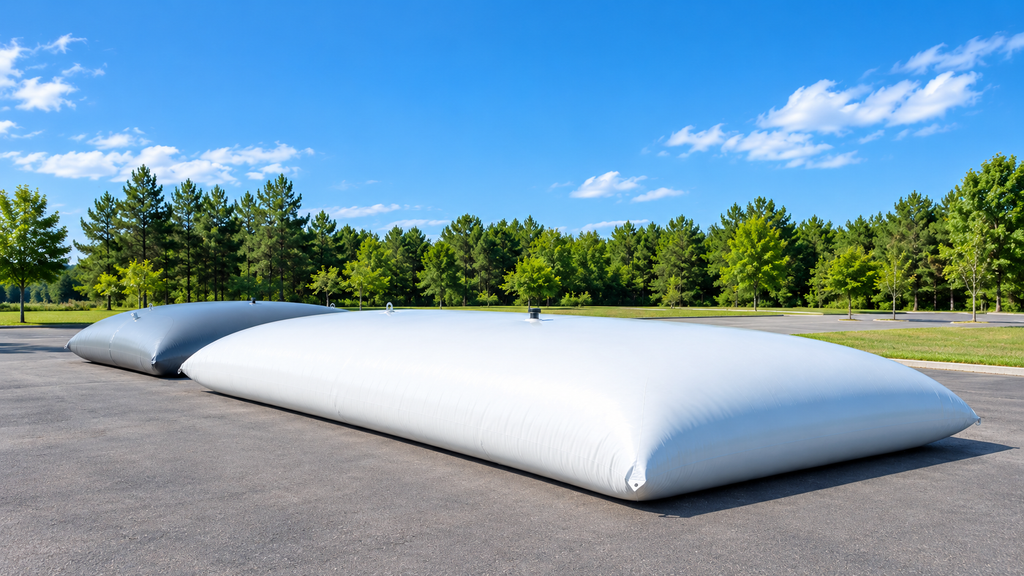
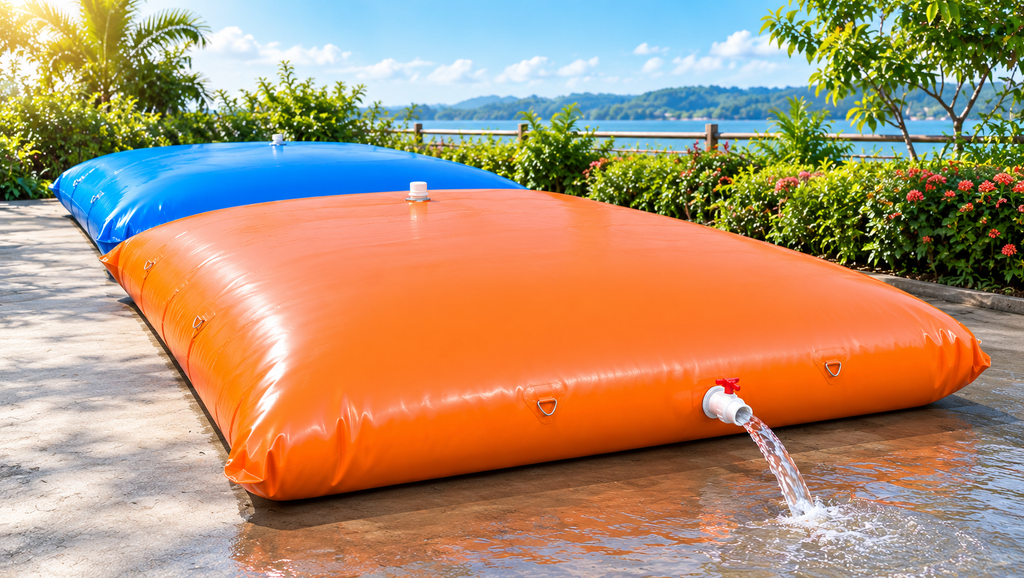
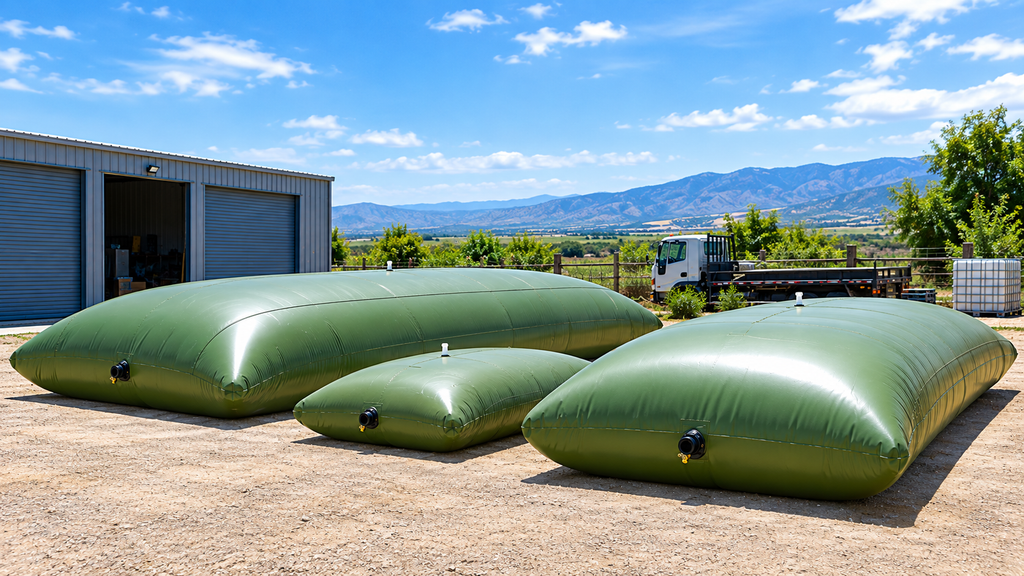
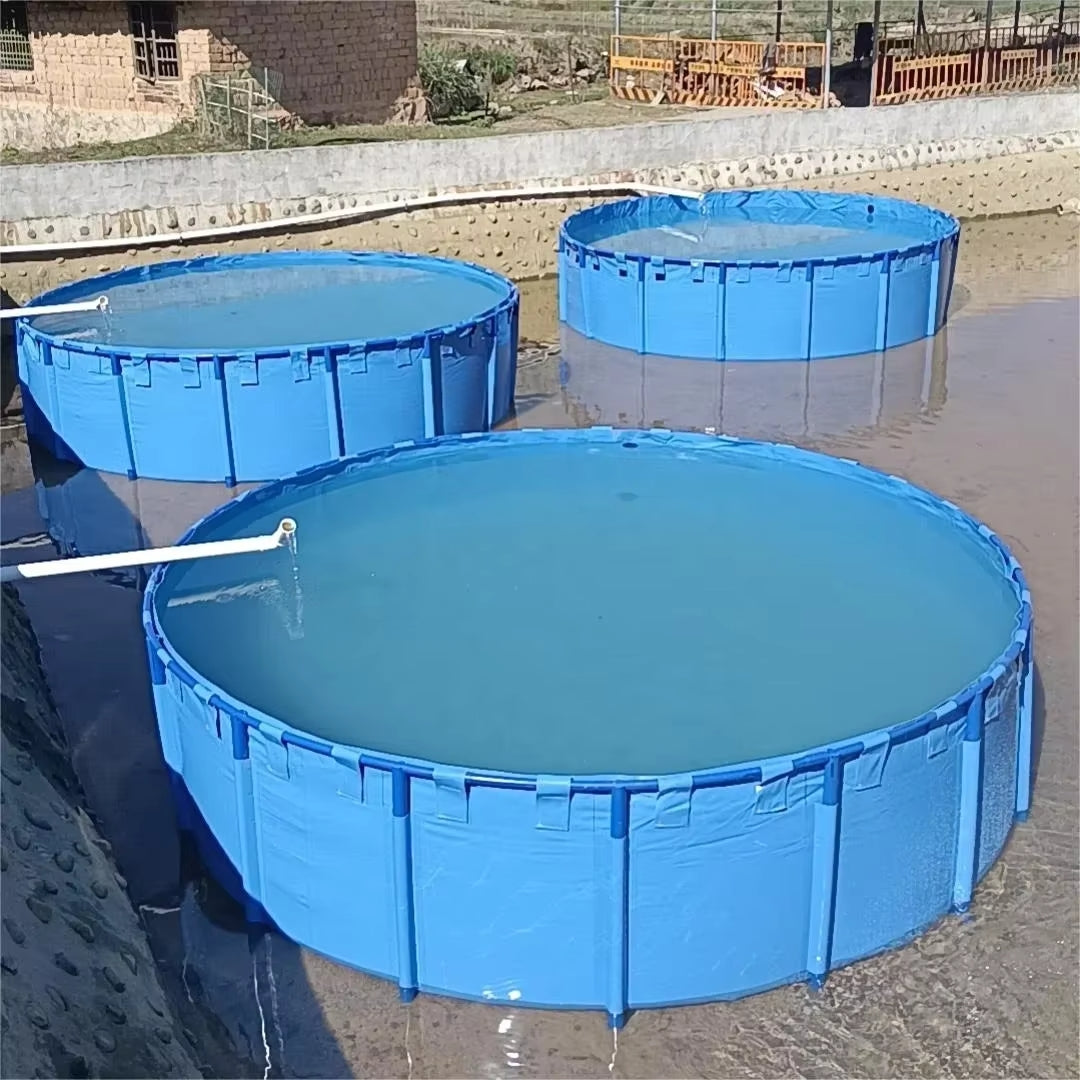
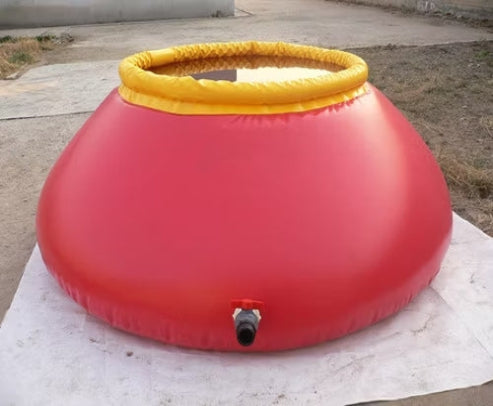
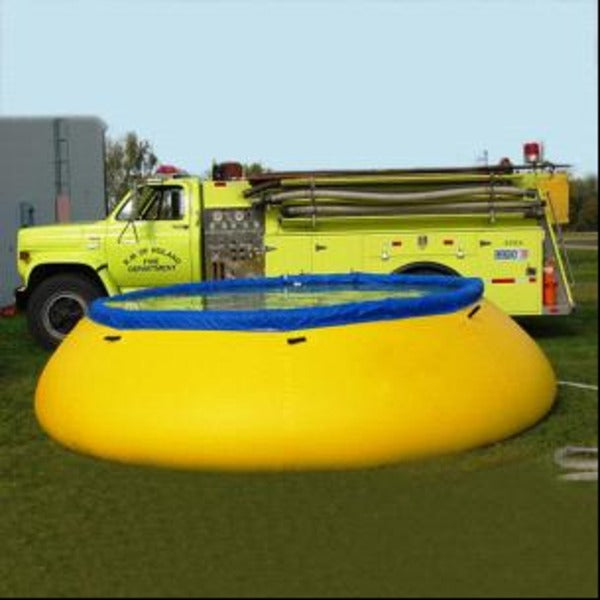
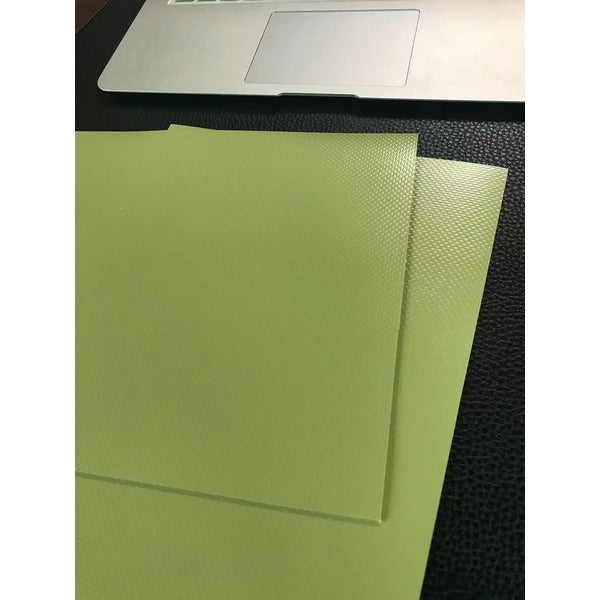
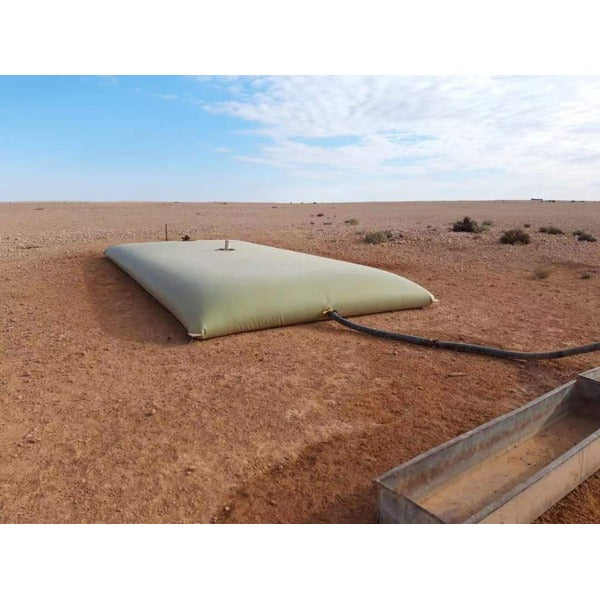
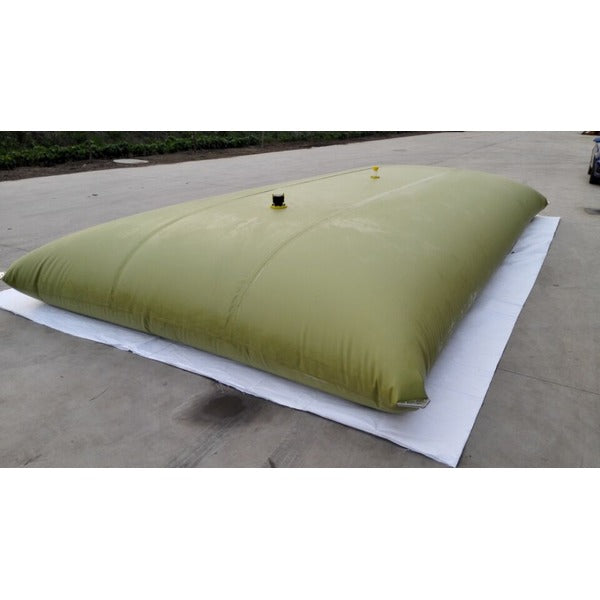
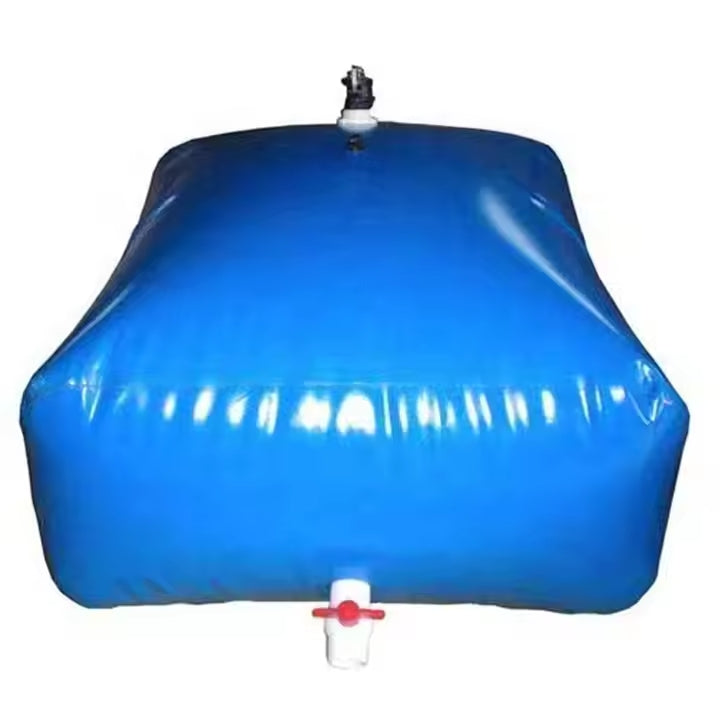
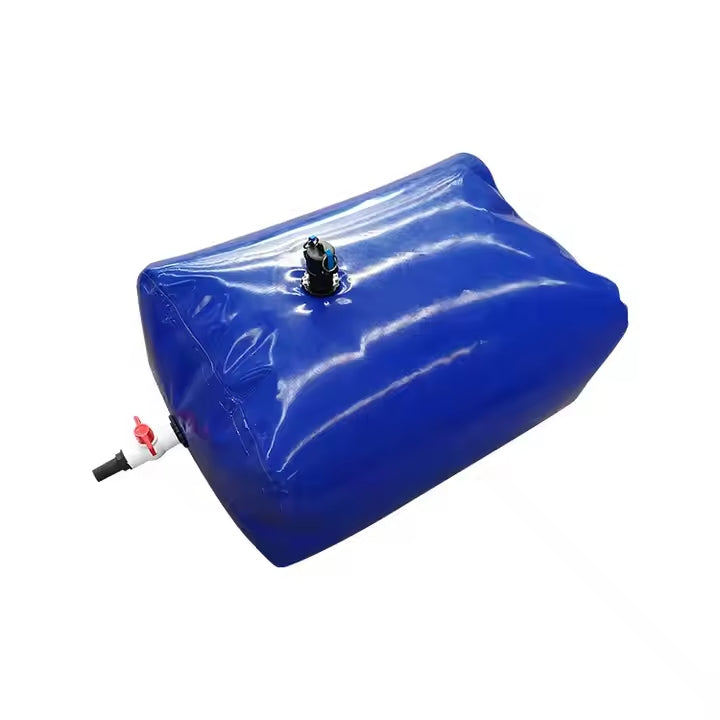
If you've never seen one, picture a large, bulbous bag made from thick, food-grade material. It's shaped kind of like an onion wider at the bottom, narrower at the top. When it's empty, it folds or rolls up into a surprisingly small package. When you fill it with water, it stands up on its own, self-supporting, like a giant water balloon with a flat bottom.
The one I found comes from a company called SoftLiquidTank. They make these in sizes from 200 liters all the way up to 10,000 liters. That's a lot of water. But the shape is what caught my attention. An onion shape isn't just for looks. The wide bottom gives it stability when full no tipping over. The narrower top makes filling and accessing the water easier. And the flexible material means when it's empty, it practically disappears.
Why Shape Matters More Than You Think
I called Lisa and told her about these. She was skeptical. "Onion-shaped? Like a vegetable?"
I explained it this way. A rigid water tank is like a cardboard box. It takes up the same amount of space whether it's full of stuff or completely empty. A flexible bladder is more like a plastic bag. When it's empty, it collapses. You can fold it, roll it, tuck it into a closet, slide it under a bed.
The onion shape adds something extra. Because it's wider at the bottom, it's naturally stable. You don't have to worry about it tipping over like a tall, skinny container might. And because it's narrower at the top, the water doesn't slosh around as much. The shape also helps with filling you're not trying to pour into a wide, floppy opening.
Lisa thought about it for a minute. "So I could fill it when I need it, and when I don't, it just folds up?"
Exactly.

The Safe Drinking Water Part
This is the really important bit. Not every water container is safe for drinking water.
A lot of those blue jugs at the hardware store are made from plastic that can leach chemicals if the water sits too long. They're fine for a camping trip, but for long-term storage? You start to wonder.
The material in these onion-shape bladders is food-grade. That means it's specifically manufactured to be safe for storing things you're going to consume. No weird chemical taste. No leaching. No worrying about whether the water you stored six months ago is still good to drink.
They're tested for pressure and stress, too. Leak-proof, durable, designed to hold up. This isn't some cheap plastic bag you're hoping doesn't burst. It's engineered for the job.
Who Actually Uses These?
I started looking into who buys these things, and the range surprised me.
RV owners. This is a big one. RVs have limited storage space, and carrying enough water for a long trip is always a challenge. A flexible bladder can be stored flat when empty, then filled at a water source and carried in a cargo compartment or on the floor. When you're done with the trip, it rolls back up.
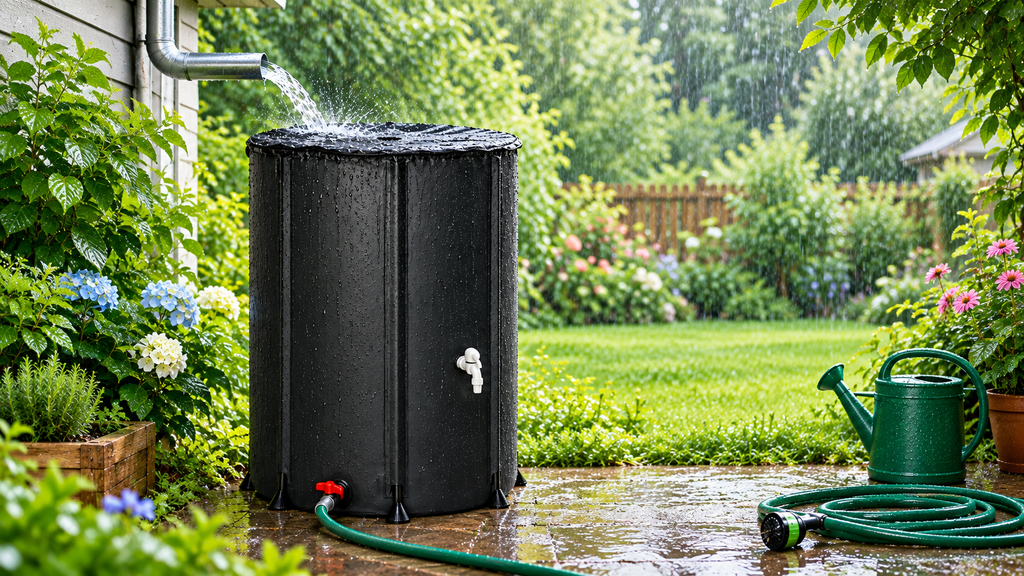
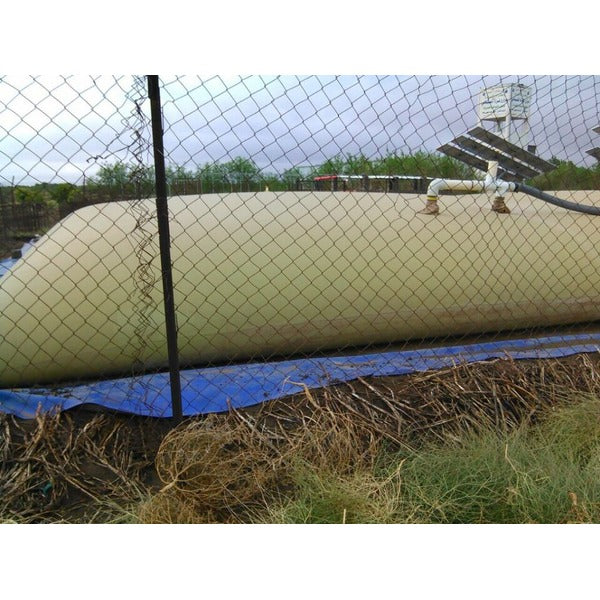
Off-grid homesteaders. If you're collecting rainwater or hauling water from a spring, you need storage. But permanent tanks are expensive and take up space. A flexible bladder gives you the capacity without the commitment.
Emergency preppers. Lisa's situation exactly. You want drinking water stored for emergencies, but you don't want your garage filled with blue jugs for years. A bladder stores flat, you fill it when a storm is coming, and after the emergency passes, you drain it (use the water in your garden or for washing), let it dry, and roll it back up.
Event organizers. Outdoor concerts, festivals, weddings they all need water for cooking, washing, and sometimes drinking. Rigid tanks are a pain to transport and store. Flexible bladders pack small, set up quickly, and hold a lot of water.
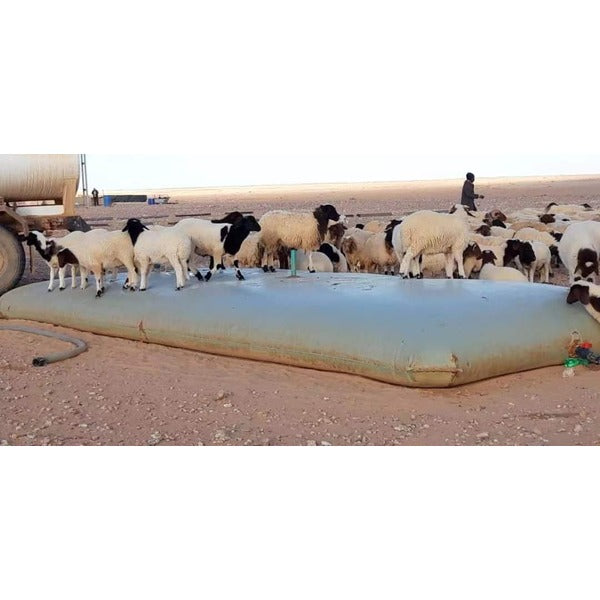
Farmers and ranchers. Livestock need water. Remote pastures might not have a permanent water source. A flexible bladder can be filled and hauled to where it's needed, then folded up and stored when not in use.
International aid organizations. This one makes a lot of sense. When there's a disaster, getting clean drinking water to people is a huge challenge. Flexible bladders can be shipped flat in bulk, then deployed wherever they're needed. They're lightweight, easy to transport, and safe for drinking water.
The Size Options Are Impressive
I mentioned these come in different sizes. The smallest is 200 liters that's about 53 gallons. That's enough water for one person for about a month, depending on how much you use for drinking and basic hygiene.
From there, they go up to 500 liters, 1,000, 1,500, all the way to 10,000 liters. That last one is massive over 2,600 gallons. That's not for a home. That's for a small community, a farm, or a disaster relief operation.
But for most people, the 200-liter or 500-liter size is probably the sweet spot. Big enough to make a difference in an emergency, small enough to fit in a garage or a cargo area.
What Setup Actually Looks Like
I asked around to get a sense of what using one of these is like.
When it arrives, it's folded or rolled up. You unroll it, lay it out where you want it, and start filling. As the water goes in, the bladder takes shape. The bottom spreads out, the sides rise up, and within a few minutes, you've got a stable, self-supporting water tank.
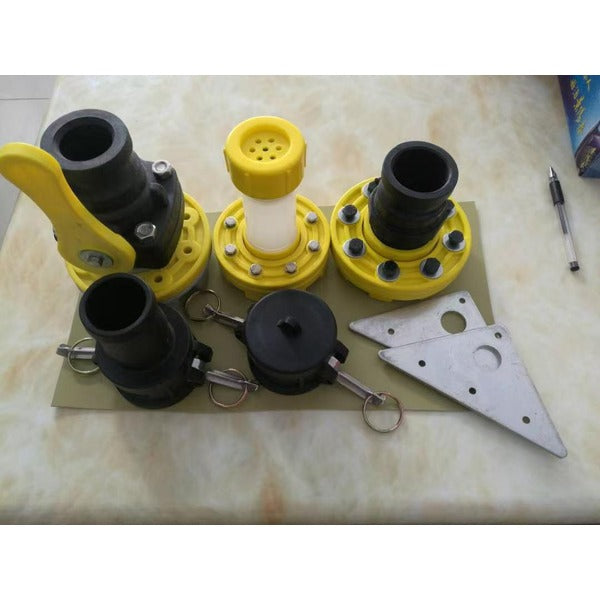
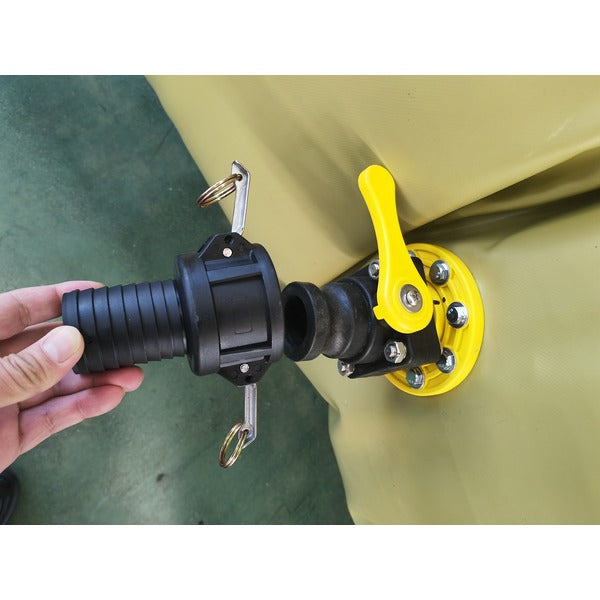
There's a fitting for filling and a fitting for drawing water out. You can connect a hose, use a pump, or just open a valve and let gravity do the work, depending on how you've positioned it.
When you're done, you drain it, let it dry, and roll it back up. The whole process is simple. No tools, no assembly, no permanent installation.
The Peace of Mind Factor
Lisa ended up buying one. She got the 200-liter size. It's rolled up in a storage bin in her garage right now, taking up almost no space at all. When winter storm season hits, she'll unroll it, fill it from her tap, and have nearly two months of drinking water stored.
I don't know why I didn't do this sooner, she told me. "Those blue jugs were driving me crazy. This is just... smarter.
That's the thing, I think. Water storage shouldn't be a headache. It shouldn't take over your garage or your basement. It should be there when you need it and out of the way when you don't.
An soft liquid tank onion-shape flexible water bladder gives you that. Safe drinking water, affordable price, and the freedom to store it flat until you need it.
If you've been putting off getting drinking water storage because you don't have the room or you don't want to look at a stack of blue jugs for years, take a look at these. They might be exactly what you've been looking for.