

Flexible Pillow-Shape Water Tank – Portable & Space-Saving Drinking Solution
Flexible Pillow-Shape Water Tank – Portable & Space-Saving Drinking Solution
My brother Tom is not an anxious person. But last year, when he took his family camping in the desert, he was a wreck. Not because of snakes or getting lost. Because of water.
He had eight of those blue 5-gallon jugs lined up in the back of his truck. They took up so much room he couldn't fit half his other gear. Every time he hit a bump, they shifted and slid around. By the time he got to the campsite, two of them had cracked where they'd banged into each other.
He called me from the road. I'm leaking water in my truck bed and I still have three days left. There's gotta be a better way.
I told him I'd look into it. Took me a while, but I finally found something that would have saved his trip.

What the Heck Is a Pillow-Shape Tank?
When I first heard pillow-shape water tank, I pictured a waterbed from the 1980s. You know, the kind that made your whole room wobble when someone rolled over.
It's not that.
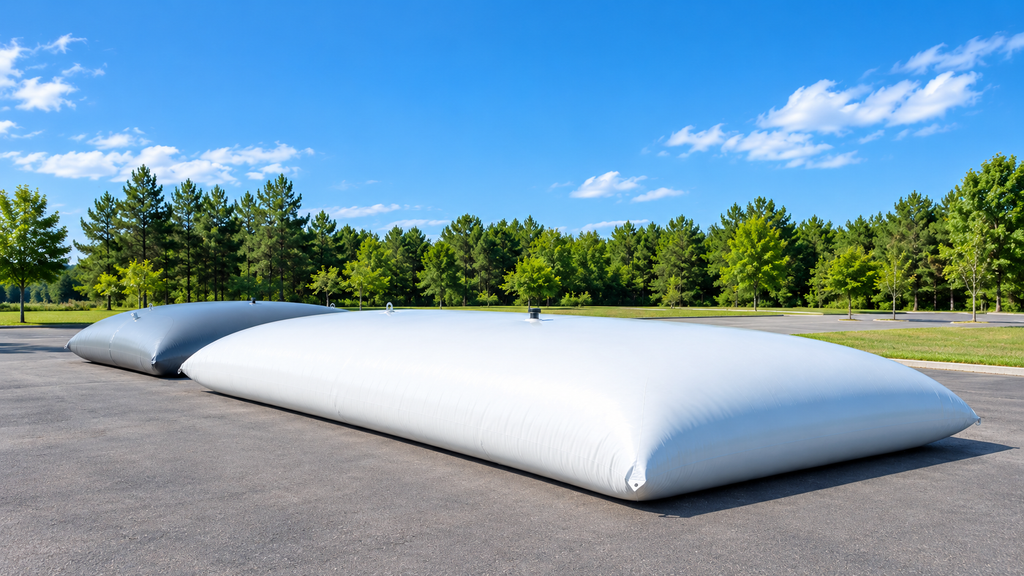
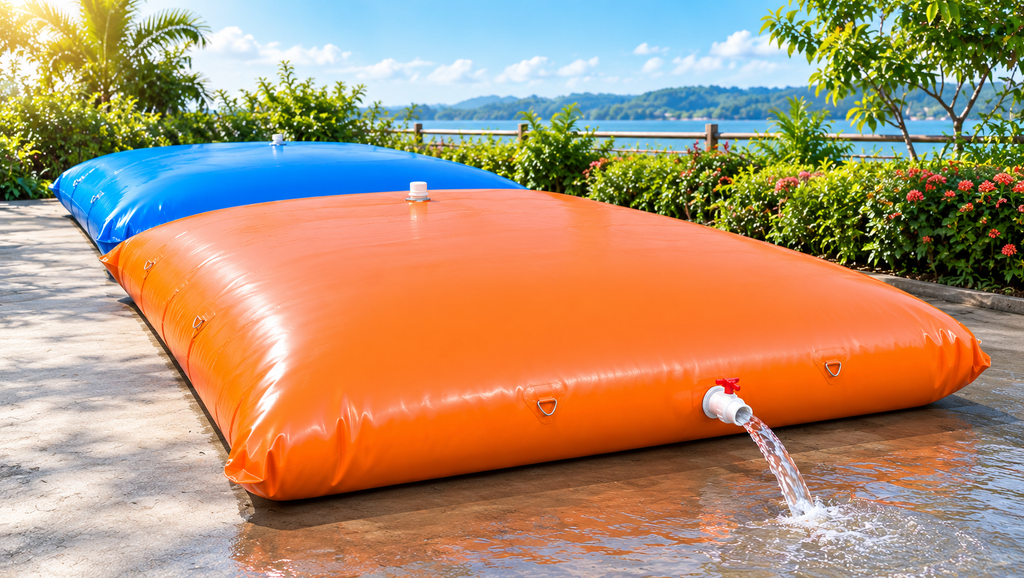
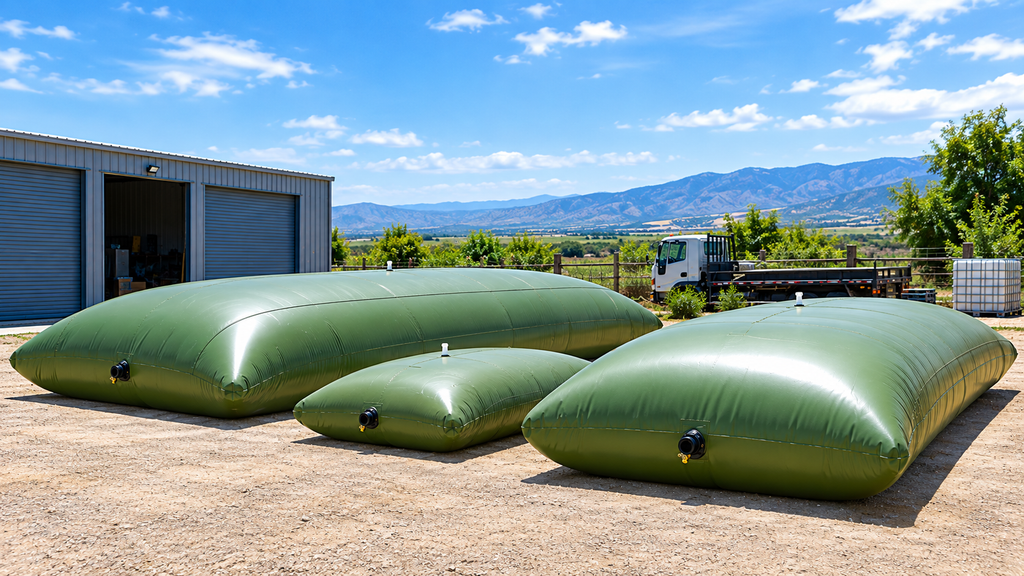
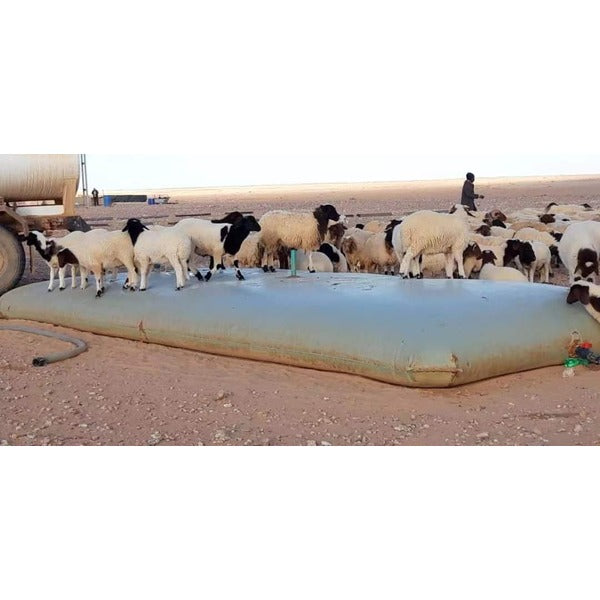
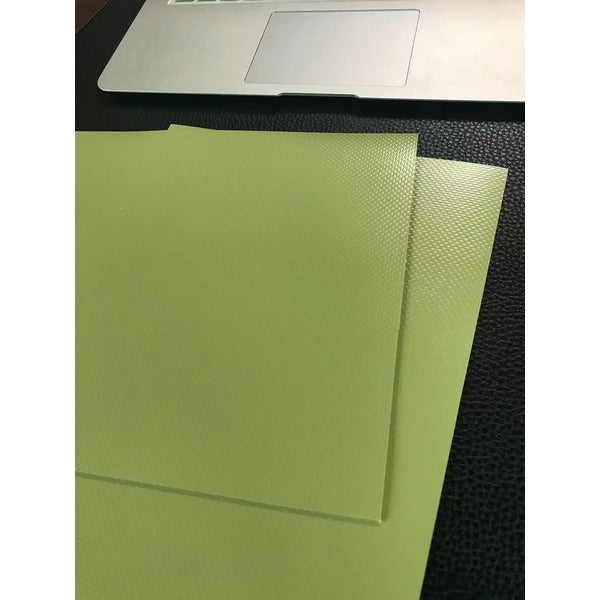
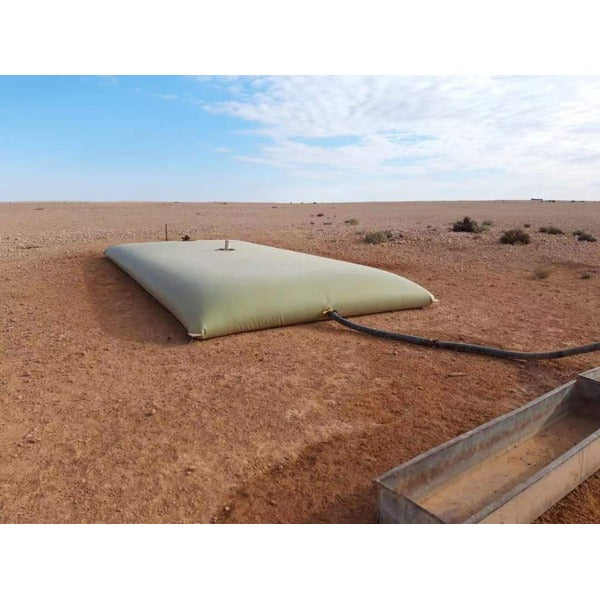
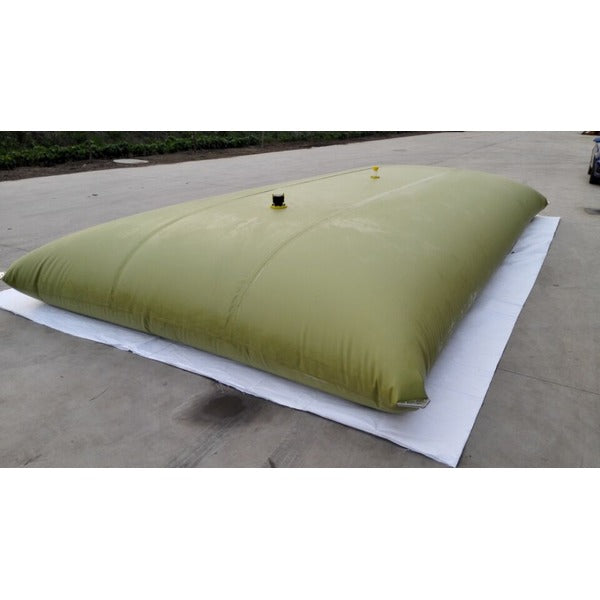
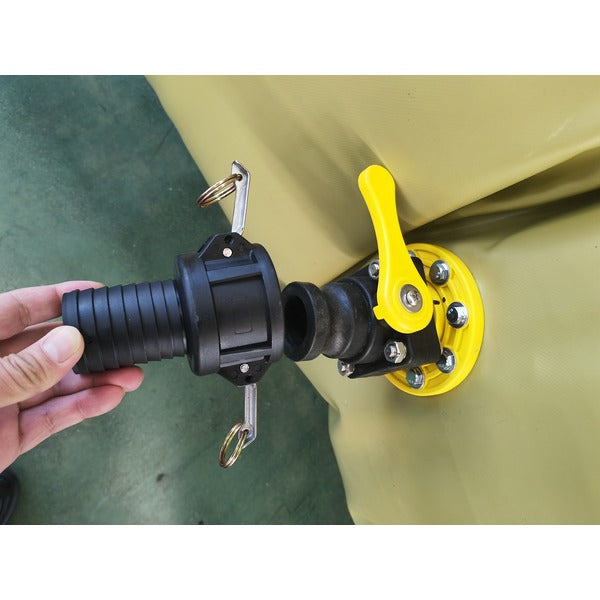
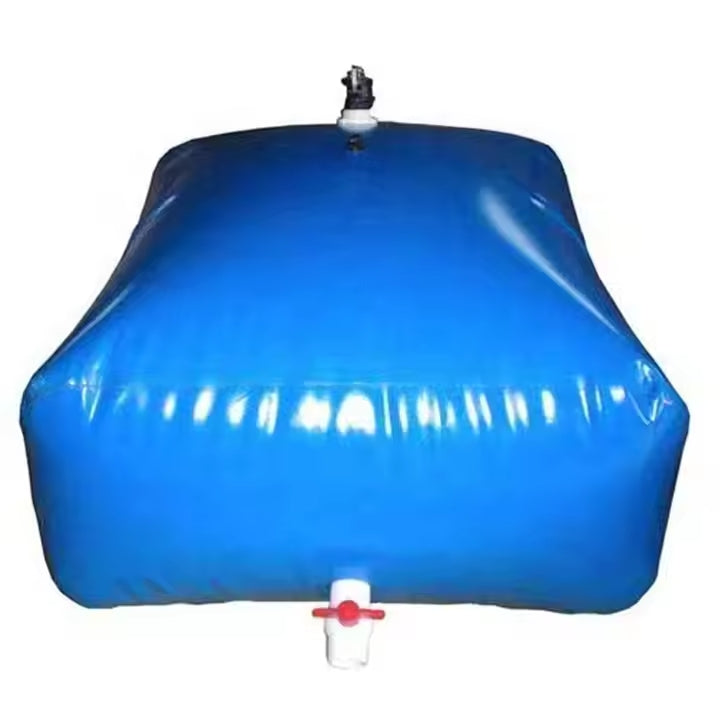
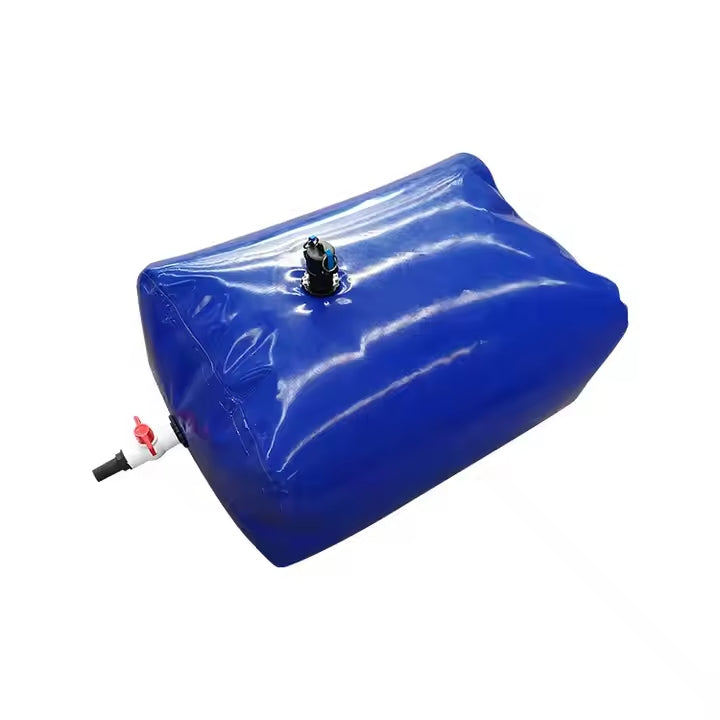
Picture a thick, sturdy rectangle made of food-grade material. When it's empty, it folds up smaller than a sleeping bag. You could stuff it in a duffel or slide it under a couch. When you fill it with water, it puffs up into this flat, stable shape that sits right on the ground. No tipping. No rolling around.
The company that makes these calls them pillow tanks because that's exactly what they look like when full a giant, industrial-strength pillow full of drinking water.
Tom's problem was that those blue jugs are tall and narrow. They tip over. They roll around. They waste vertical space that could be used for tents and coolers. A pillow tank just sits there, flat and wide, taking up floor space instead of air space.
Why the Shape Changes Everything
Here's what I explained to Tom.
A traditional water jug is like a soda can. It's tall and skinny. It wants to fall over. You pack it in your car and it rolls into your cooler, tips onto its side, leaks.
A pillow tank is like a pancake. It's flat and wide. It doesn't want to go anywhere. You slide it into the back of your SUV, and it stays put. You stack gear on top of it if you want. No drama.
And when it's empty? You don't have eight bulky jugs rattling around your garage for the next six months. You roll the tank up, toss it in a closet, and forget about it until your next trip.
Tom has a small garage. He was already annoyed about storing those blue jugs. They just sit there, he said. Taking up space. Reminding me that I'm not camping every weekend.
A pillow tank doesn't do that. It's there when you need it, gone when you don't.

The Safe Drinking Water Thing
This is the part that matters most, especially for something like an emergency kit.
You can't just use any old container for drinking water. Some plastics leach chemicals, especially if the water sits for a while. That weird plastic taste? That's not supposed to be there.
These pillow tanks are made from food-grade material. That means it's safe for water you're going to drink. No weird taste. No worrying about chemicals leaching in. Just clean water.
They're tested for extreme temperatures too. The specs say from -46°C up to +86°C. That's freezing cold to desert hot. And they're rated to last 8 to 10 years outdoors. So if you keep one in your garage for emergencies, it's not going to fall apart after one season.
Who Actually Buys These Things?
I started asking around and found out these tanks show up in all kinds of places.
Campers and RV people. This is Tom's crowd. You're going off-grid for a week, you need water. A pillow tank fits in the back of your vehicle, holds enough for a family, and rolls up when you're done. No more wrestling with jugs.
Emergency preppers. I've got a friend who keeps one under her bed. Hurricane season hits, she fills it from the bathtub. Power goes out, she's got drinking water for her family. Storm passes, she drains it, dries it, slides it back under the bed. You'd never know it's there.
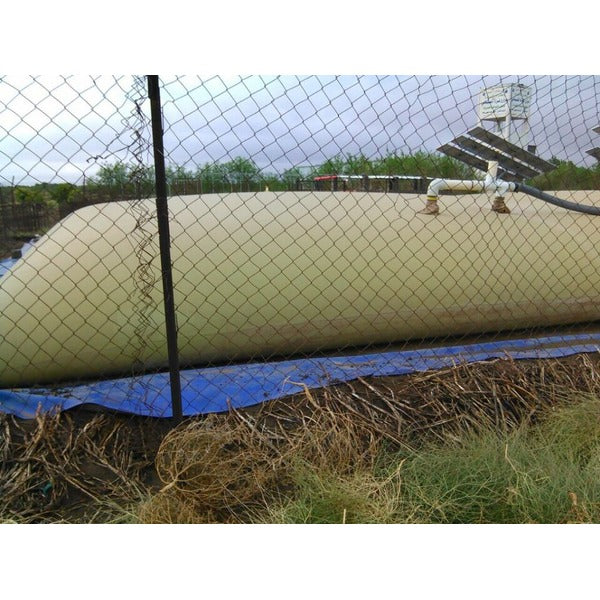
Aid workers. This one surprised me. But it makes sense. When there's a disaster, you need to get clean water to people fast. These tanks ship flat by the hundreds, then deploy wherever they're needed. Refugee camps, disaster zones, remote clinics. The big ones hold thousands of gallons.
Off-grid cabins. My uncle has a place in the woods with no well. He hauls water in. Used to use a bunch of 5-gallon jugs, same as Tom. Switched to a pillow tank last year. Says it's half the hassle.
Farmers. Livestock need water. Remote pastures don't always have it. Fill a pillow tank, haul it out there, roll it up when the animals move to a different field.
What Using One Is Actually Like
Tom finally bought one. He got the 200-liter size, which is about 53 gallons. Here's what he told me.
It arrived in a small box. He pulled it out, unfolded it, and laid it flat in his truck bed. Took maybe two minutes. Then he filled it with a hose. As the water went in, it puffed up into this flat, stable rectangle. Didn't shift when he drove. Didn't leak.
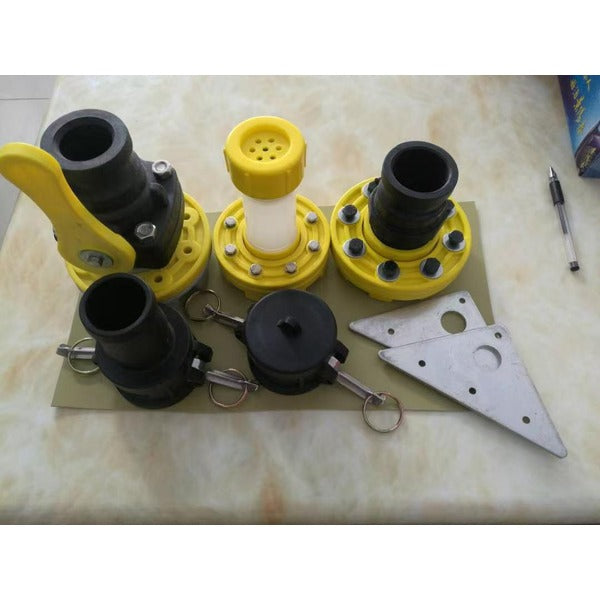
When he got to the campsite, he just opened the valve and filled his water jugs. When the trip was over, he drained the tank, let it dry, rolled it up, and put it in a storage bin.
"Took less time than cleaning out those blue jugs used to take," he said.
The Size Range Is Kinda Wild
The 200-liter size is probably the most useful for regular people. That's about 53 gallons. Enough for a family of four for about a week of camping, or one person for a month of emergency use.
They make bigger ones too. 500 liters. 1,000 liters. All the way up to 200,000 liters. That last one is for disaster relief or big farms. Not something you'd put in your garage.
But for camping, for emergencies, for hauling water to a cabin? The smaller ones are perfect.
Why I Keep Telling People About These
Tom's not the only person I know who struggled with water storage. My neighbor has a basement full of blue jugs just in case. My friend with the camper van has a whole system of bungee cords trying to keep her jugs from rolling around.
There's a better way. It's just not what most people think of when they imagine water storage.
A Flexible Pillow-Shape Water Tank is flat, stable, safe for drinking, and folds up small. It solves the problems that jugs create. No tipping. No wasted space. No plastic taste. No permanent footprint in your garage.
Tom sent me a picture from his last camping trip. The tank was in the back of his truck, gear stacked on top of it, not taking up any extra room at all. This is how it should be, he texted.
He's right. Water storage shouldn't be a hassle. It should just work.
If you're tired of wrestling with jugs or trying to figure out where to store emergency water, take a look at these. They're not what you'd expect. But they might be exactly what you need.