

Heavy-Duty 1000-Gallon Water Bladder for Safe & Reliable Storage
Heavy-Duty 1000-Gallon Water Bladder for Safe & Reliable Storage
My neighbor Dave has a small farm. Nothing fancy about twenty head of cattle, a few acres of hay, and a big garden that keeps his family fed through summer. Two years ago, we had a dry spell that just wouldn't quit. His pond shrank to a muddy puddle. His well started sucking air every time he turned on the pump.
He spent that whole summer hauling water in a 300-gallon tank strapped to his flatbed truck. Three hours round trip to the nearest fill station. He did that every other day for six weeks.
I'm gonna lose my mind, he told me one afternoon. There's gotta be a cheaper way to store water out here.
I didn't have an answer for him then. But I started looking around. And I finally found something that would have saved him about a thousand miles of driving.

What Even Is a 1,000-Gallon Bladder?
When I first heard water bladder, I pictured something from a hospital. You know, the bag they hang next to the bed. Not exactly farm equipment.
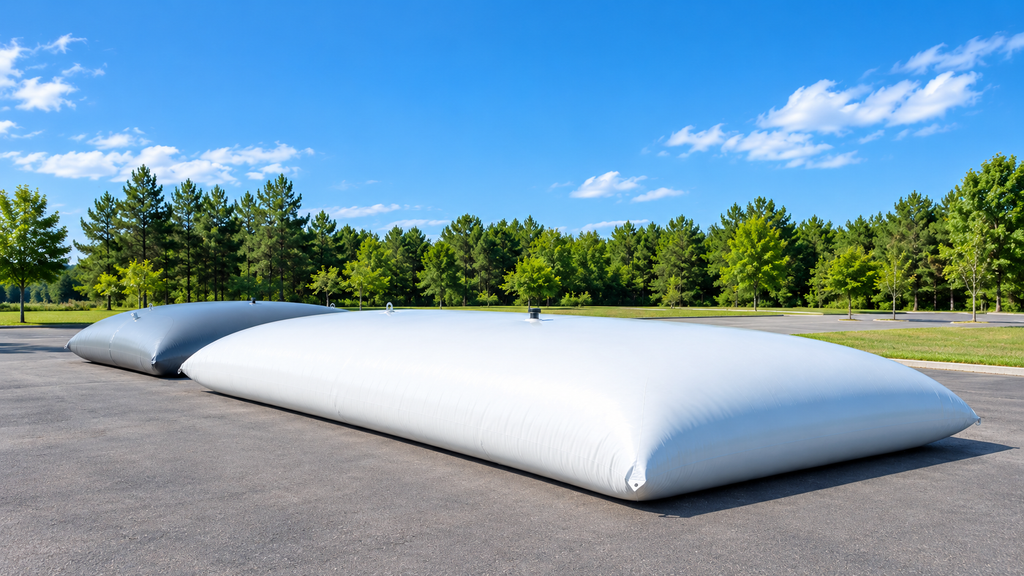
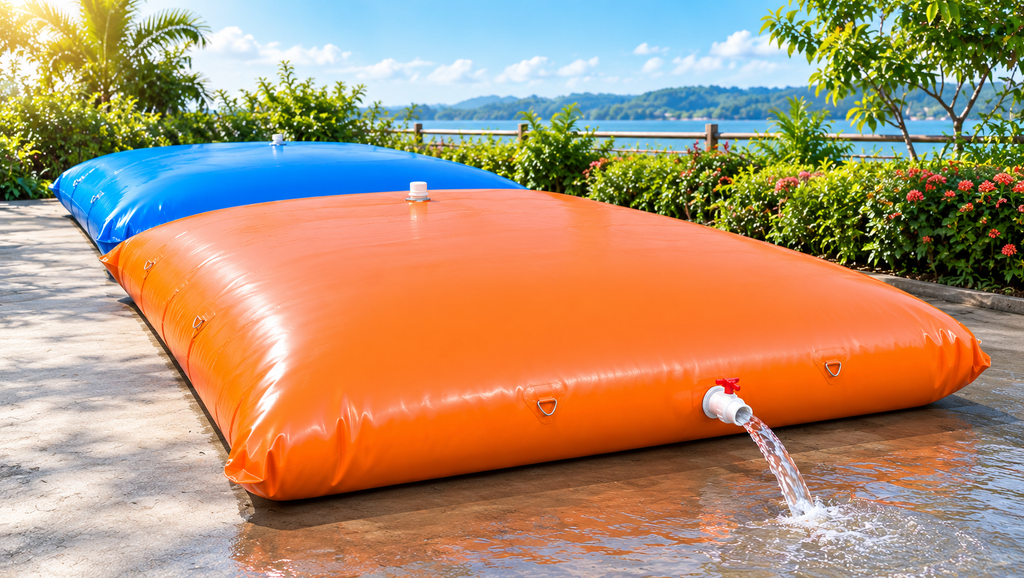
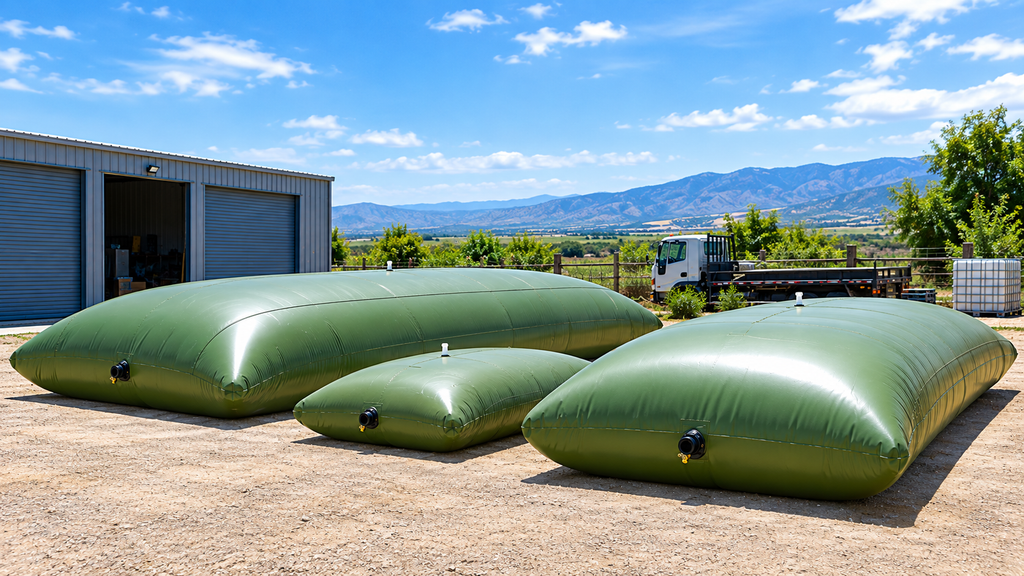
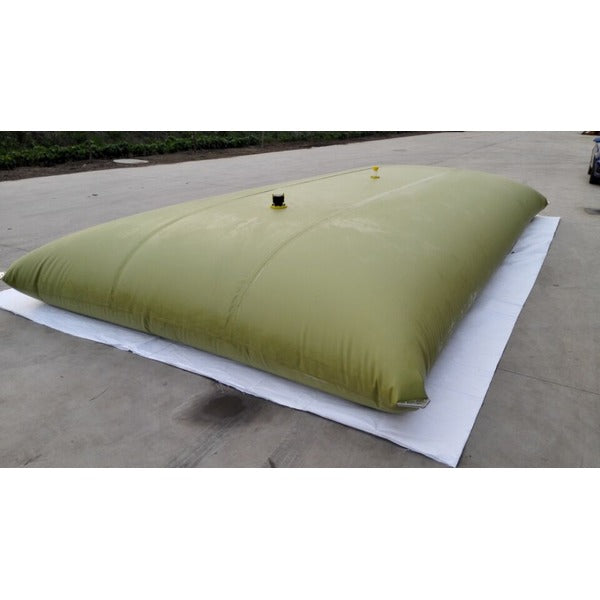
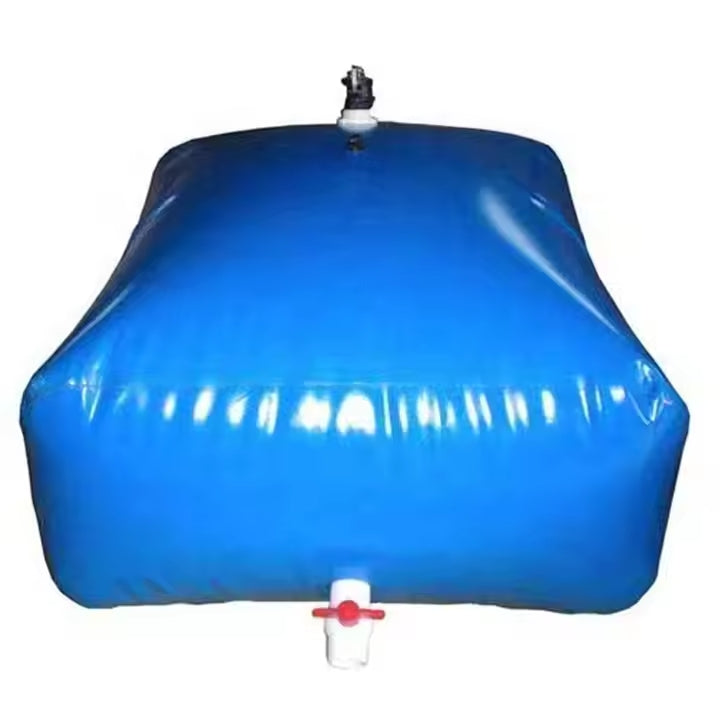
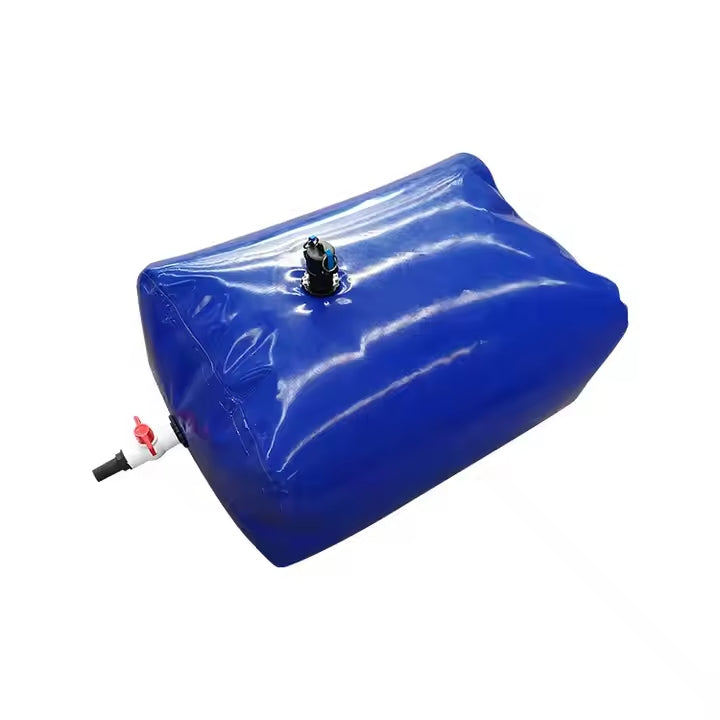
Turns out, it's different. Picture a giant, heavy-duty pillow made from thick rubbery material. When it's empty, it folds up into a package about the size of a sleeping bag. You could throw it in the back of a truck or slide it under a workbench.
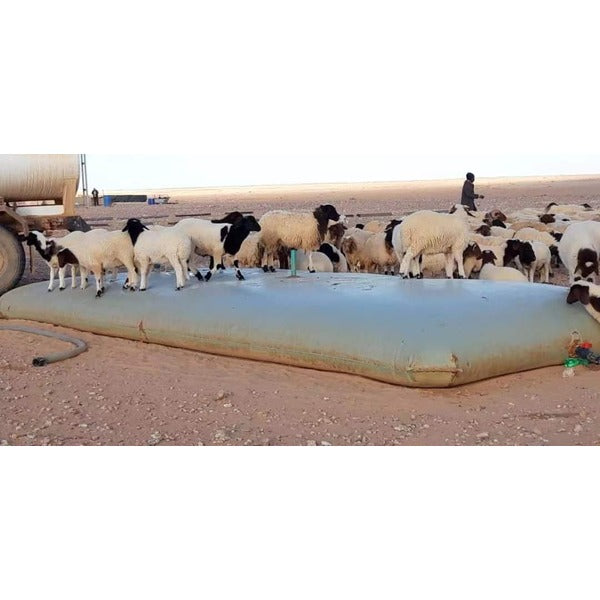
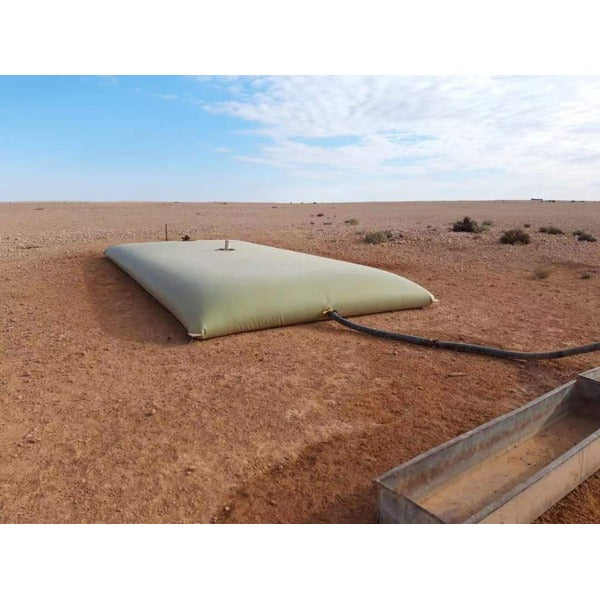
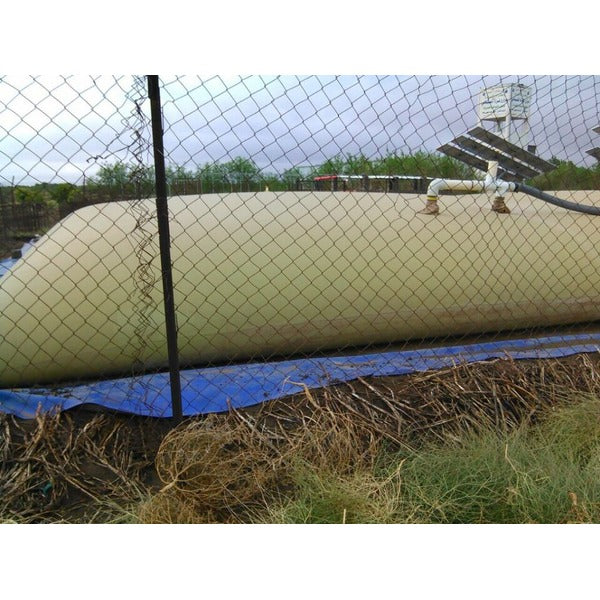
When you fill it with water, it expands into a flat rectangle about the size of a large mattress. And it holds 1,000 gallons.
That's 8,300 pounds of water, by the way. So you're not picking it up when it's full. But you can lay it on the ground, fill it from a hose or a truck, and have that water sitting there ready to go.
The material is food-grade, which means the water stays safe to drink. No plastic taste. No chemicals. Just water.
Dave's problem was that he had nowhere to store water on his property. A rigid 1,000-gallon tank would cost thousands and take up permanent space. A concrete cistern would be even more expensive. A bladder? He could roll it out when he needed it, fill it up, and when the dry spell passed, fold it up and forget about it until next year.
Why 1,000 Gallons Is the Magic Number
I've looked at a lot of water storage options. For one person camping, 20 gallons is plenty. For a family's emergency kit, 100 gallons might do.
But for real needs a farm, a ranch, a big garden, a real emergency 1,000 gallons is where it starts to get useful.
That's enough water to keep twenty cows going for a week. Enough to water a large garden through a month of dry weather. Enough to provide drinking water for 50 people for several days. Enough to run a construction site without constant refill trips.
For Dave, 1,000 gallons would have meant hauling water once a week instead of every other day. That's three trips a week down to one. When each trip costs you three hours and fifty bucks in diesel, that adds up fast.
Who Actually Buys These Things?
I started poking around to see who uses these bladders. Turns out, it's a pretty wide range.
Farmers and ranchers. Dave's situation exactly. Livestock need water every day. When your pond dries up or your well can't keep up, you need storage. A bladder gives you that without building a permanent tank.
Off-grid homeowners. If you're collecting rainwater or hauling water to a cabin, you need somewhere to put it. A 1,000-gallon bladder holds a lot but doesn't require a concrete pad or a building permit.
Emergency response folks. After a hurricane or earthquake, clean drinking water is usually the first thing people need. These bladders ship flat, so you can pack a bunch of them on a truck. Deploy them anywhere, fill them up, and you've got water for a displaced community.
Construction crews. Remote job sites need water for drinking, washing, and dust control. A 1,000-gallon bladder sits on the ground and supplies a crew for days. When the job moves, the bladder folds up and moves with them.
Event organizers. Outdoor concerts, festivals, weddings thousands of people need water. A 1,000-gallon bladder can be the central water supply. No running hoses from a distant building.
Serious preppers. Some people prepare for months, not days. A 1,000-gallon bladder in the basement provides a real buffer. When stored properly, the water stays good for a long time.

The Drinking Water Part Matters
Here's something a lot of people don't think about. Not every water container is safe for drinking.
Those blue jugs from the hardware store? They're fine for a weekend. But they're not really designed for long-term storage. The plastic can leach stuff over time.
A 1,000-gallon bladder meant for drinking water is made from food-grade material. That means it's specifically made to be safe for water you're going to drink. No weird taste. No chemical worries. Just clean water.
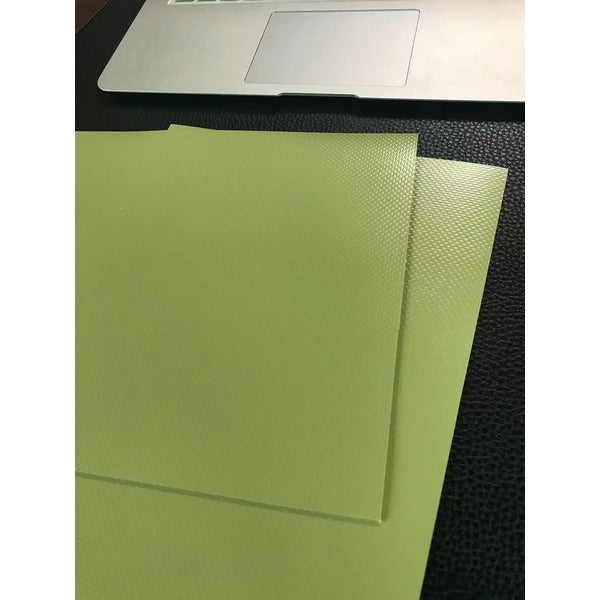
The specs on these mention TPU or PVC that's food-grade and resistant to UV, corrosion, and temperature swings. That matters if you're storing water outdoors in the summer heat or winter cold.
What Setting One Up Is Like
Dave asked me how hard it would be to set one of these up. I did some digging.
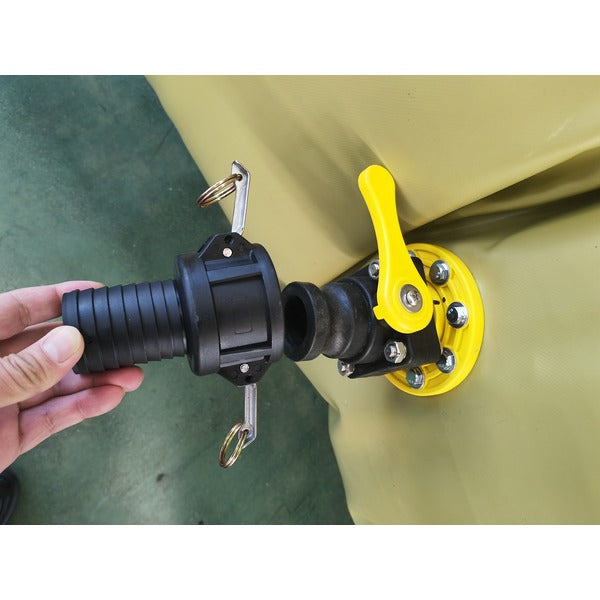
When it arrives, it's folded into a box that's smaller than you'd expect. You carry it to where you want it, unroll it, and lay it flat on the ground. Just make sure there aren't any sharp rocks or sticks underneath. Common sense.
Then you hook up a hose to the inlet and start filling. As the water goes in, the bladder slowly expands into its full shape. It takes a while to fill 1,000 gallons maybe 30 to 60 minutes depending on your water pressure. But you're not standing there holding the hose the whole time.
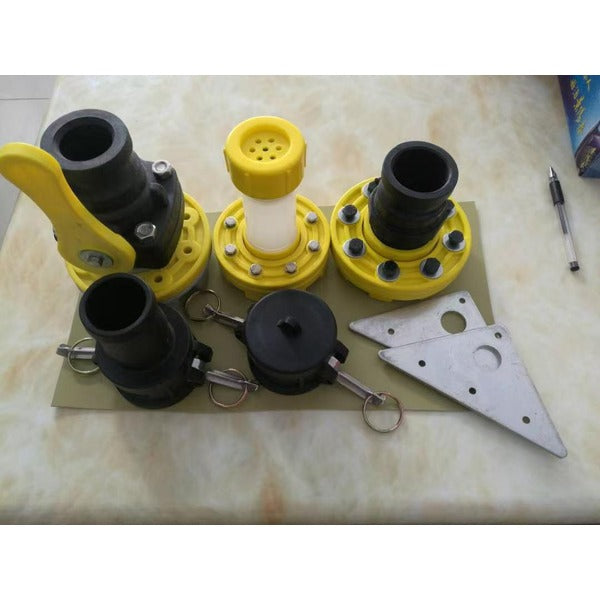
Once it's full, it just sits there. The weight keeps it in place. You can hook another hose to the outlet to draw water out as needed.
When you're done, you open the drain valve, let the water out, and roll the bladder back up. Let it dry if you're storing it long-term, then fold it and put it away.
No tools. No concrete pad. No building permit. No permanent commitment.
The Cost Thing
This is where bladders really beat rigid tanks.
A 1,000-gallon rigid plastic or steel tank costs thousands of dollars. It's heavy to transport. It needs a flat foundation. It takes up permanent space. And when you don't need it anymore, you're stuck with a giant tank.
A bladder costs way less. It ships in a small box. It rolls out on almost any flat surface. It folds away when you're done. And if you decide you don't need it, you can sell it, give it away, or just keep it folded in storage.
Dave did the math. For what he was spending on diesel to haul water, a bladder would pay for itself in a few months. And he'd save hours of driving.
Why I Keep Telling People About These
Dave finally got one. He bought the 1,000-gallon size. He rolls it out at the beginning of dry season, fills it from a truck, and has water for his cattle for a week or more. When the rains come back, he drains it, rolls it up, and puts it in the barn.
I wish I'd known about these years ago," he told me. "Would have saved me a lot of headaches.
That's the thing about large-scale water storage. Most people think of rigid tanks expensive, permanent, complicated. But for a lot of situations, a flexible bladder is just better. Cheaper. Easier. Portable. And just as reliable.
If you're trying to figure out how to store a serious amount of water for a farm, for emergencies, for a remote site take a look at these. They're not what most people picture when they think of water storage. But they might be exactly what you need.