

Flexible Potable Water Tank for Easy Storage Anywhere
Flexible Potable Water Tank for Easy Storage Anywhere
My sister Jenna lives in a studio apartment. It's not the smallest place I've ever seen, but it's close. Bed in one corner, tiny kitchen along the wall, a bathroom you can't swing a cat in. She's got exactly one closet.
Last winter, we had a bad ice storm. Power went out for three days. She called me on day two, and I could hear the frustration in her voice.
I have water, she said, but the city issued a boil advisory. I didn't stock up on bottled water because I have nowhere to put it.
She was right. A case of water bottles would have lived on her only counter. Those big blue jugs would have taken up half her floor space. She wasn't being careless. She just didn't have the room.
I told her I'd see if there was something that could work for her.

What the Heck Is a Foldable Water Bladder?
When I first heard water bladder, I thought of those bags they hang next to hospital beds. You know, the ones with the tube going into your arm. Not exactly what Jenna needed.
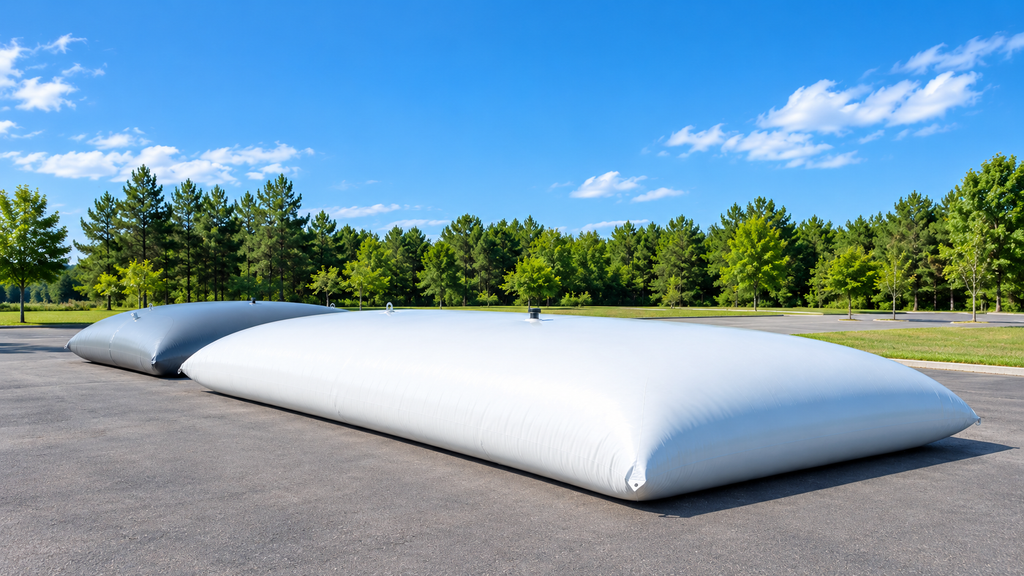
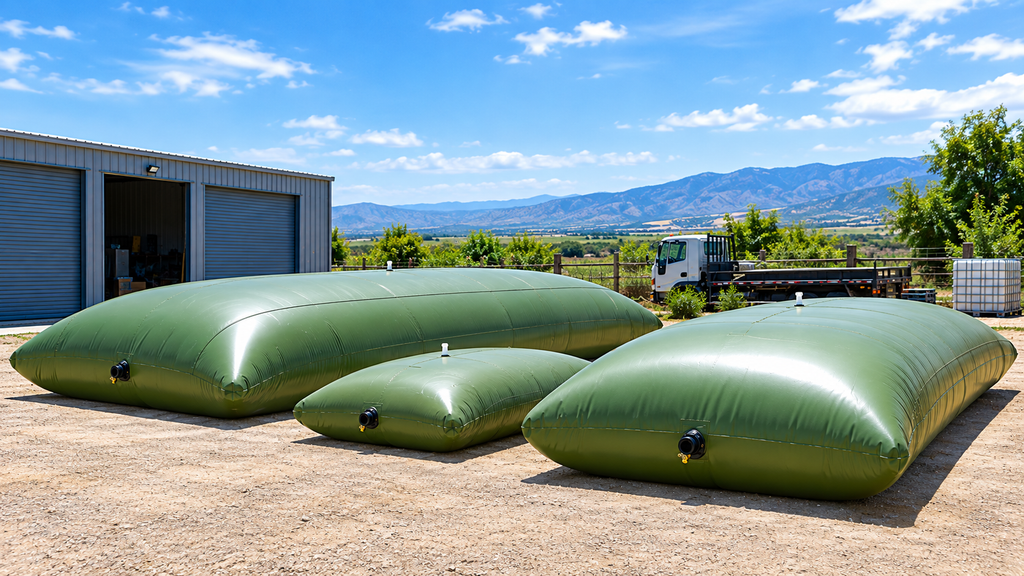
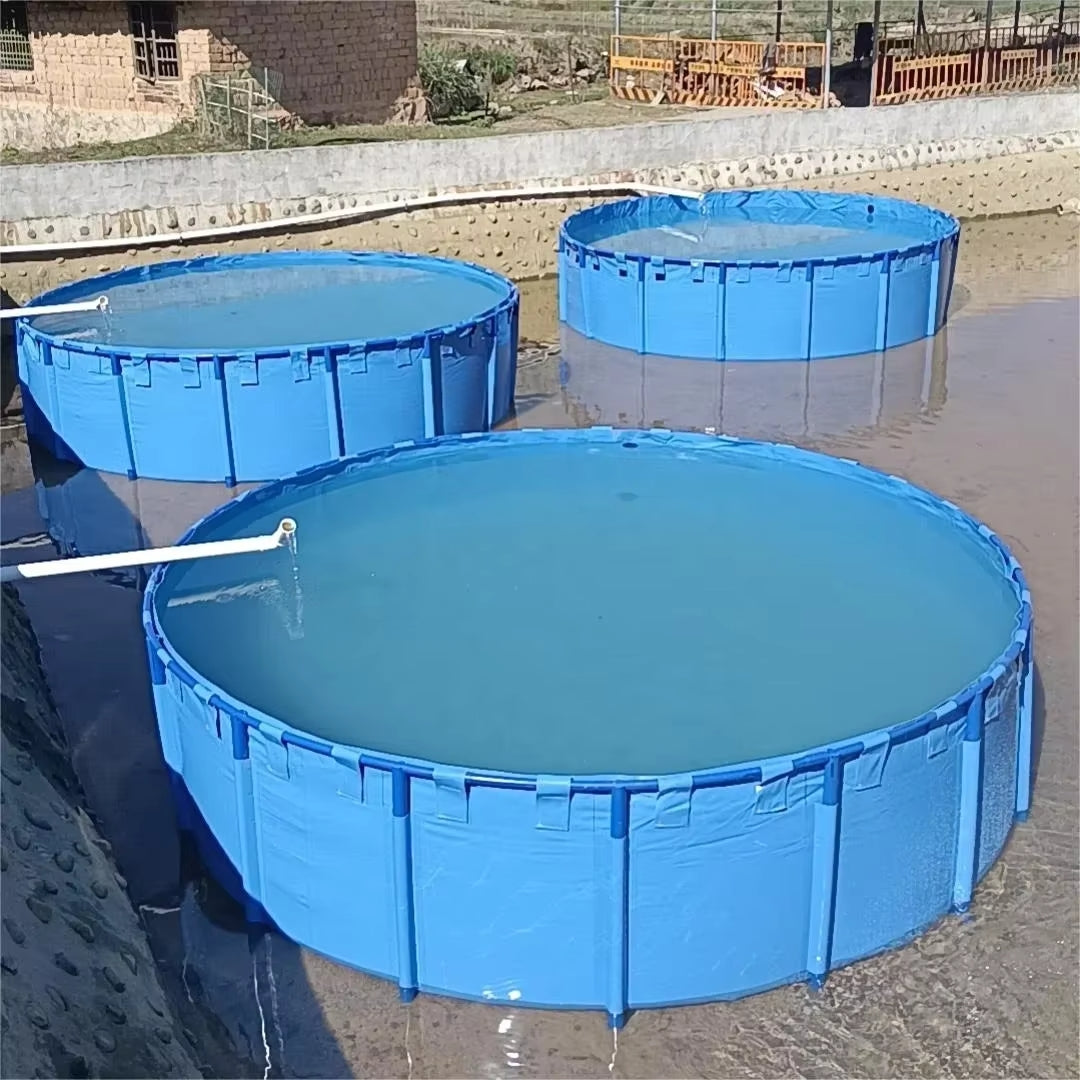
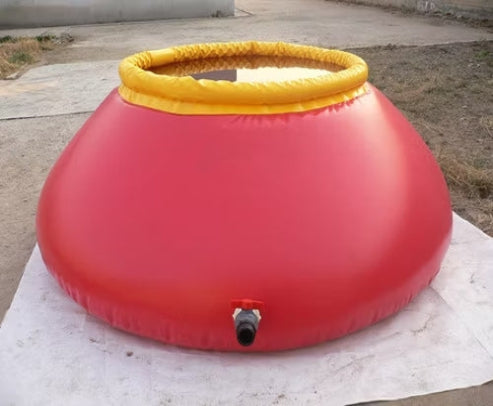
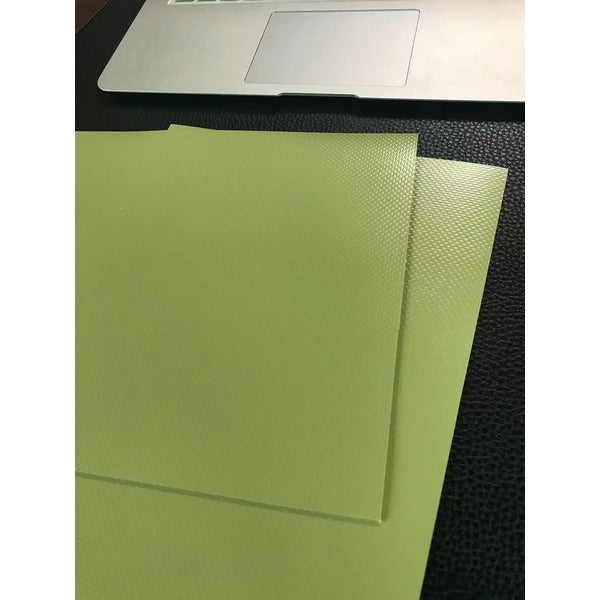
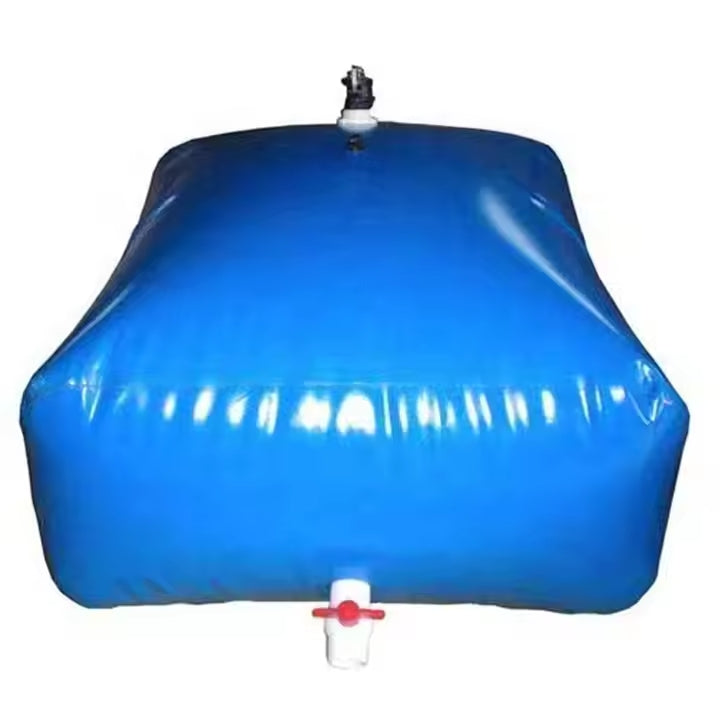
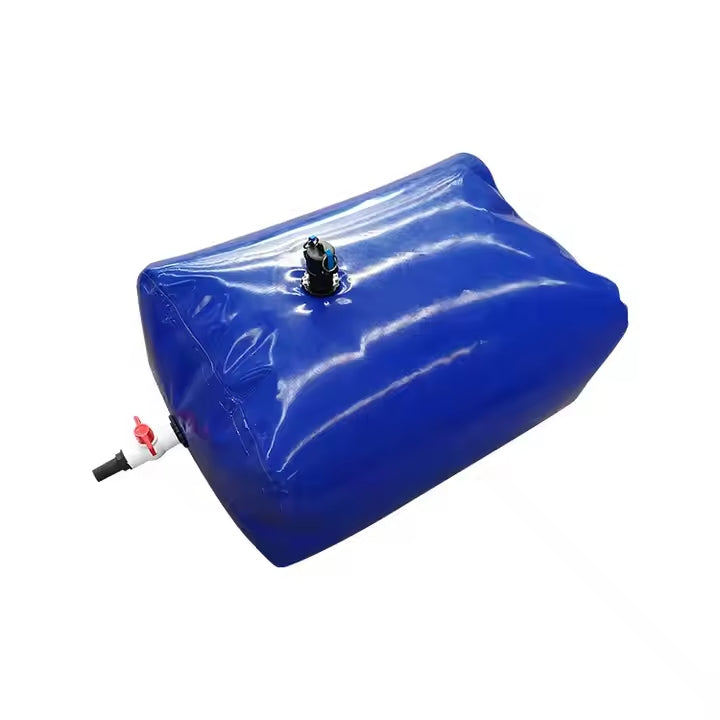
It's different. Picture a thick, sturdy rectangle made from rubbery material that feels more like a truck tarp than a medical device. When it's empty, it folds up smaller than a shoebox. You could stuff it in a drawer or slide it behind a bookshelf.
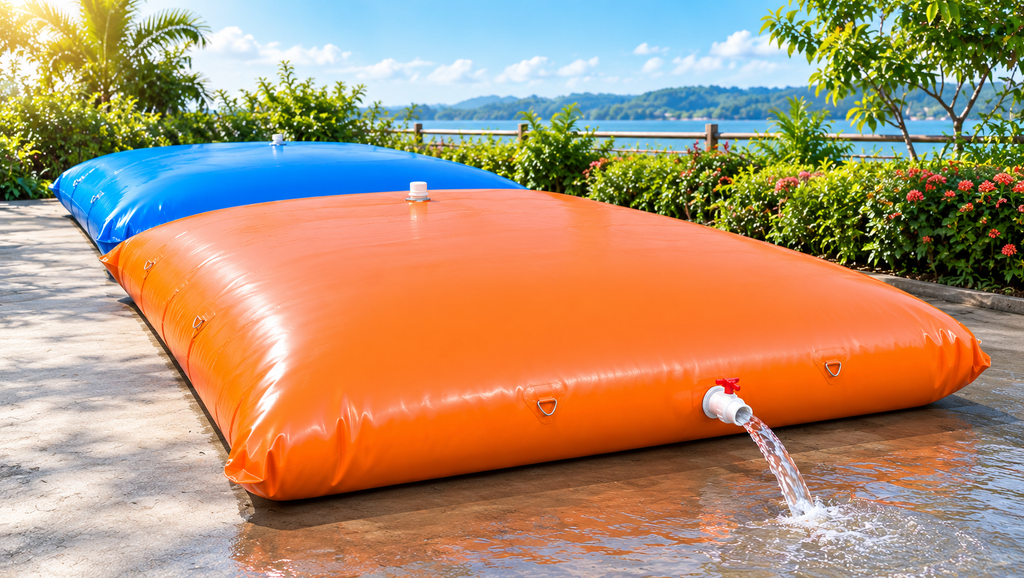
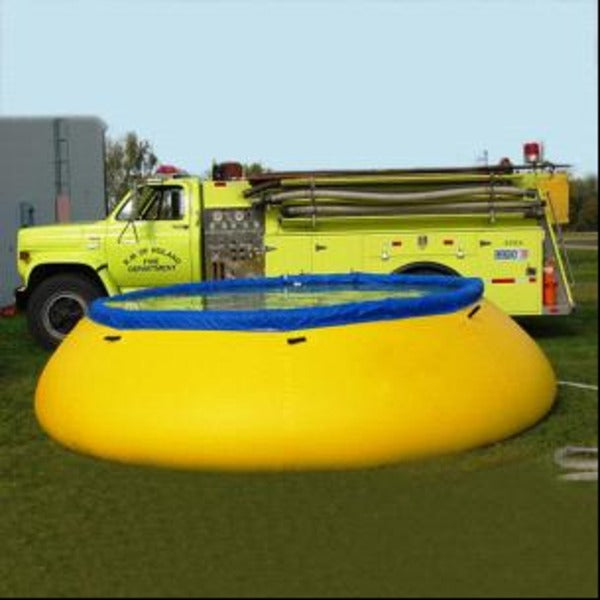
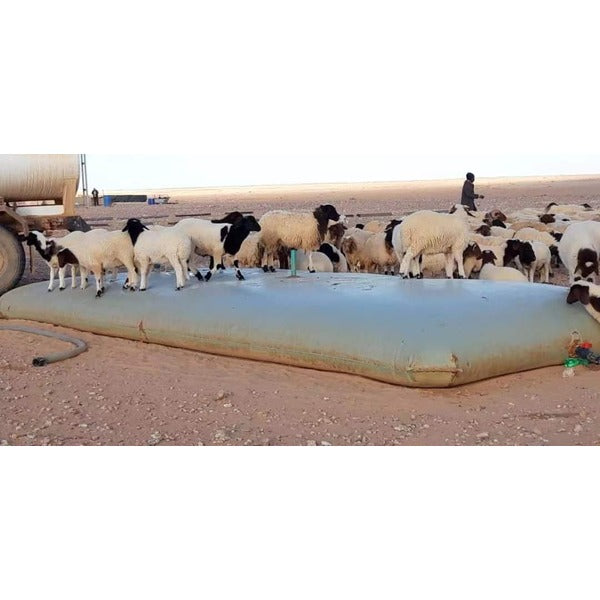
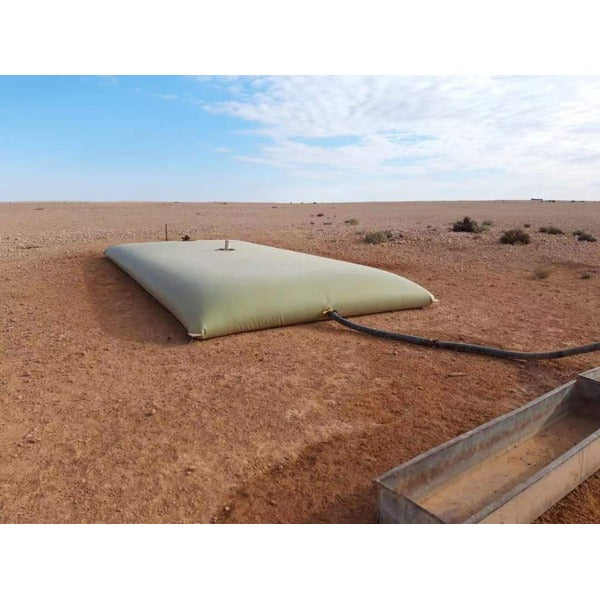
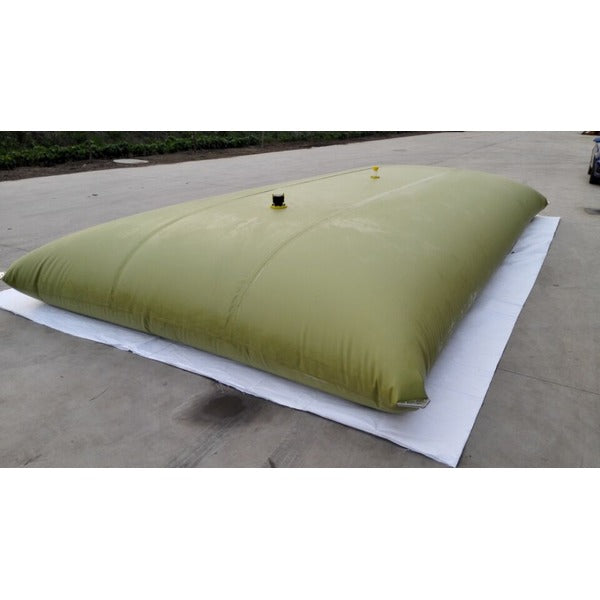
When you fill it with water, it expands into a flat, stable shape that just sits there on the floor. Doesn't tip. Doesn't roll. Just holds water.
Jenna's problem was space. A rigid tank wouldn't fit. A stack of jugs would crowd her out. But a folded bladder? She could slide it under her bed and forget about it until the next storm.
The "Potable" Thing Is Important
Here's something I learned the hard way. Not every water container is safe for drinking.
A few years ago, I filled up some old laundry detergent jugs with water for my garage. Rinsed them out really well. Thought I was being smart. A couple months later, I opened one and the water smelled like chemicals. I dumped the whole thing.
A potable water bladder is made from food-grade material. That means it's specifically manufactured to be safe for water you're going to drink. No weird taste. No chemical leaching. Just clean water.
Jenna didn't want to worry about whether her emergency water was still good. She just wanted to fill something up, put it away, and know it would be fine when she needed it.
Who Actually Uses These?
I started asking around and found these bladders show up in a lot of places.
Apartment people like Jenna. Limited space but still wants emergency water. A foldable bladder fits under a bed or in a closet. When the power goes out or the water gets shut off, she's got drinking water for days. When the emergency passes, she drains it, folds it, and puts it back.
Campers. You're driving to a remote site, you need to bring your own water. A rigid jug takes up space in the car and in the tent. A bladder folds flat on the way there, then sits on the floor of the tent or the back of the SUV. When you pack up, it folds back down.
RV owners. Every inch of space in an RV is precious. A flexible bladder can fit in odd compartments under bench seats, in storage bays, behind the cab. When it's empty, it takes up almost no room at all.
Regular people who want emergency water. Not the bunker-and-MRE type. Just folks who want a week or two of water stored just in case. A bladder gives them that without dedicating a corner of the garage to blue jugs for years.
Humanitarian aid workers. This one surprised me. But when there's a disaster, you need to get clean drinking water to people fast. These bladders ship flat, so you can pack hundreds of them on a truck. Deploy them anywhere, fill them up, and you've got water for a displaced community.

What Jenna's Setup Looked Like
She sent me a video when hers arrived. The box was small smaller than she expected. She pulled out the folded bladder, unfolded it, and laid it flat in her bathtub. That's where she decided to fill it.
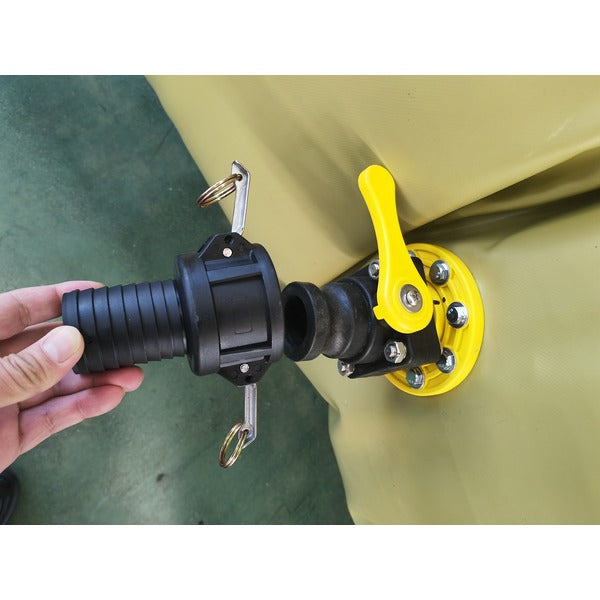
She connected a hose to the inlet and turned on the water. As it filled, the bladder slowly expanded. Took maybe ten minutes. When it was full, she disconnected the hose, folded the top over, and slid it out of the tub onto her bathroom floor.
It just sat there. Flat. Stable. Not going anywhere.
She covered it with a towel so it wasn't an eyesore. When the storm came through and the boil advisory hit, she had clean drinking water sitting in her bathroom.
When the advisory lifted, she opened the drain valve, let the water out (used it for her plants), let the bladder dry, folded it back up, and put it in her closet.
Took less effort than buying jugs would have, she said.
The Size Options
The one Jenna got is on the smaller end. Holds about 50 gallons. That's enough for one person for about a month of drinking and basic needs. For her studio, that's plenty.
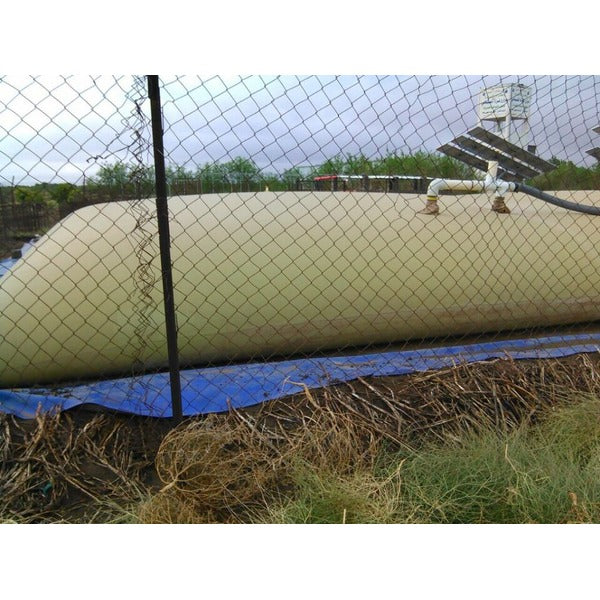
But they make these things huge too. Like, industrial-size. For cities, military bases, disaster relief. Not something you'd put in your apartment.
For most regular people, the smaller sizes are where it's at. Enough water to get through a week or two of emergency, but small enough to fit in a closet.
The Cost Difference
Jenna looked at buying enough bottled water for a month. It would have cost a lot and taken up a ton of space.
A case of 24 bottles is about 3 gallons. For 50 gallons, that's about 17 cases. Stacked in her apartment, that's a mountain of plastic.
The bladder cost her about what 10 cases of bottled water would have cost. And she can use it over and over. Fill it, empty it, fold it, repeat. Long-term, it's way cheaper. And less plastic waste.
Why I Keep Telling People About This
Jenna's not a prepper. She's not a survivalist. She's just a regular person who wanted to have some water set aside for emergencies but didn't have room for jugs.
That's the thing about these bladders. They make water storage possible for people who thought it wasn't.
Small apartment? Under the bed. RV? Under the bench seat. Car camping? Folds flat in the trunk. Emergency kit? Slides behind the bookshelf.
She just texted me the other day. Still got that bladder under my bed, she said. "Haven't needed it yet. But it's nice knowing it's there.
If you've been putting off getting drinking water stored because you don't have space or you don't want to deal with heavy jugs, take a look at these. They're not what most people picture when they think of water storage. But they might be exactly what you need.