

Efficient Drinking Water Storage for Livestock in Harsh Environments
Efficient Drinking Water Storage for Livestock in Harsh Environments
A few years ago, I spent a week helping out on a friend's ranch in eastern Oregon. It was August. The temperature hit 104 degrees three days in a row. The pasture was dry and cracked. And the creek that usually watered the cattle had shrunk to a muddy trickle.
My friend was hauling water every morning in a big steel tank strapped to his flatbed. He'd drive 45 minutes each way to the nearest fill station, fill up, drive back, and empty the tank into a trough. By the next morning, the trough was almost dry again.
I'm spending more time hauling water than I am with my own animals, he said. There's gotta be a better way.
I didn't have an answer for him then. But I started looking. And I found something that would have saved him a lot of early mornings.

What Is a Livestock Water Bladder?
When I first heard water bladder for livestock, I pictured something like a giant water bed for cows. Not exactly.
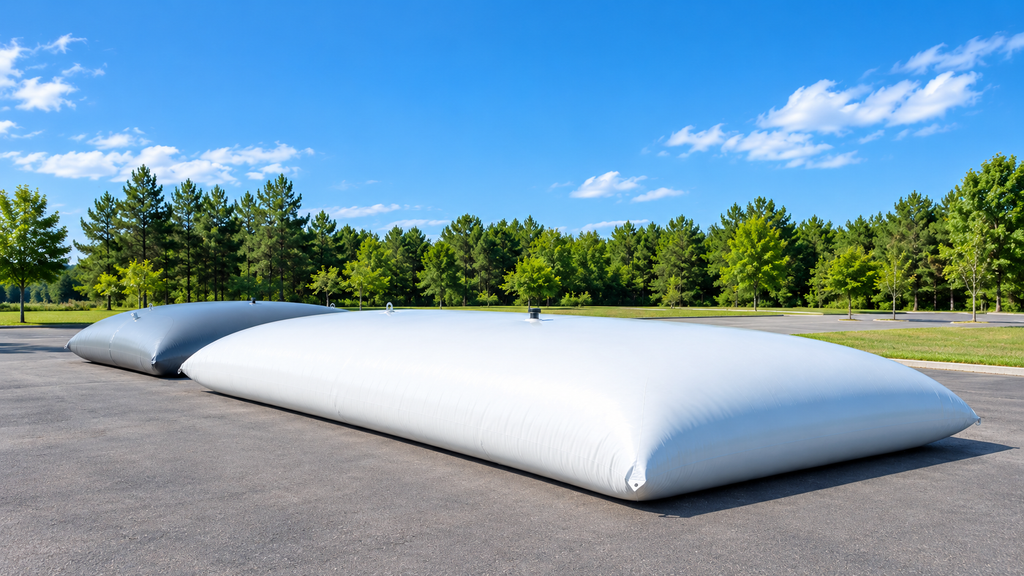
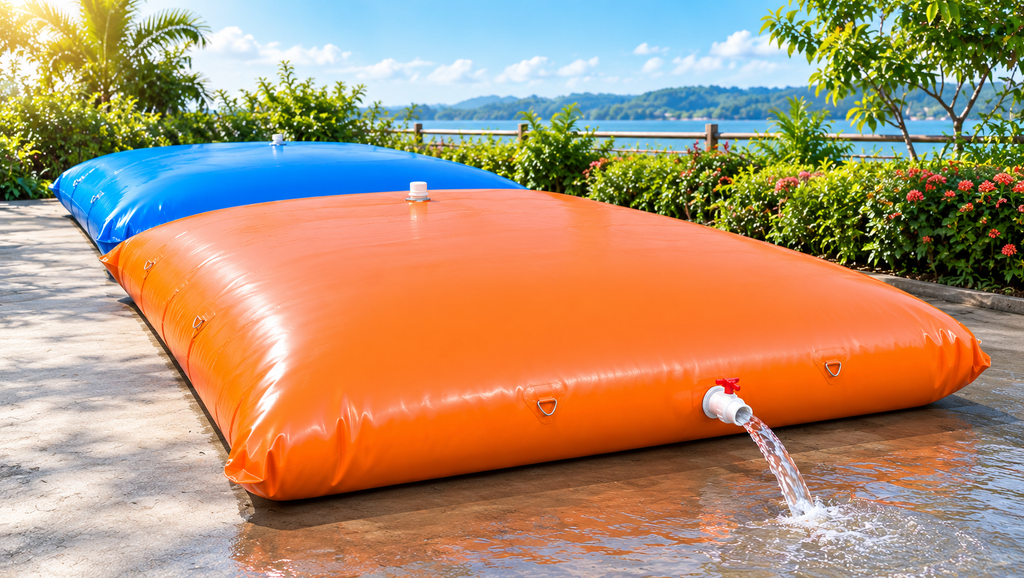
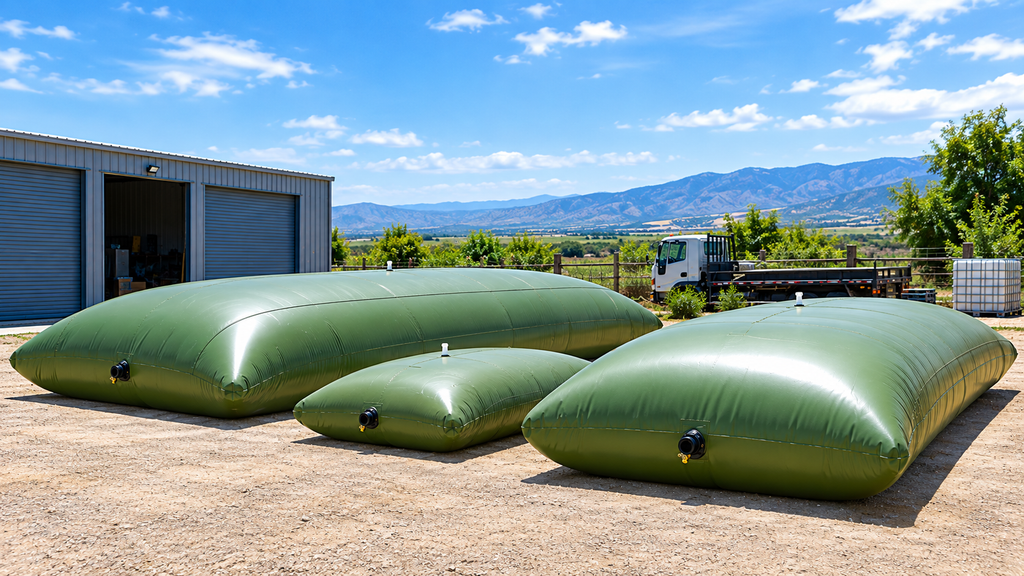
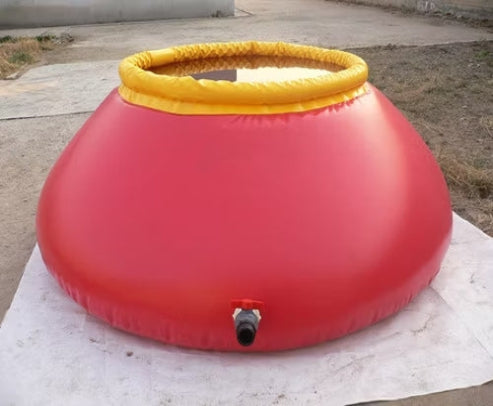
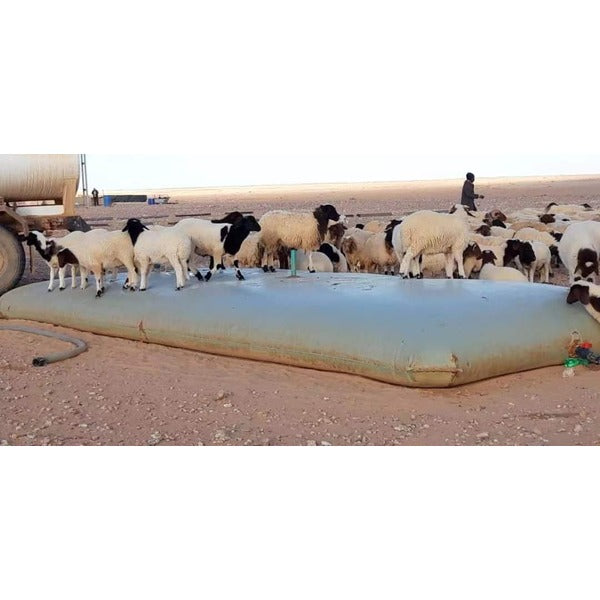
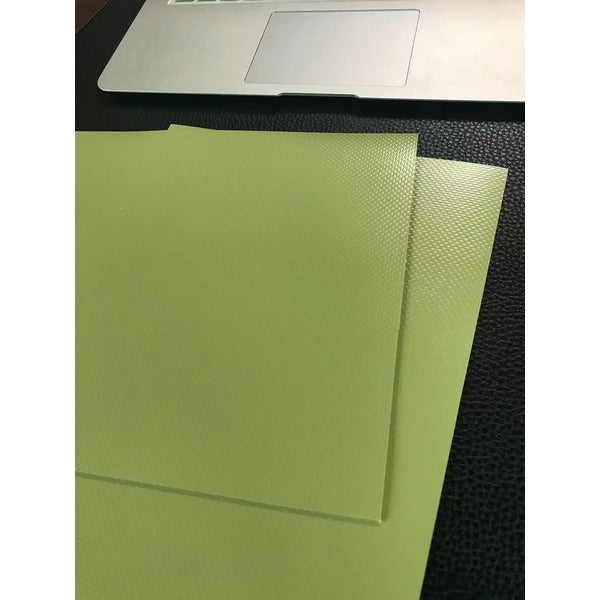
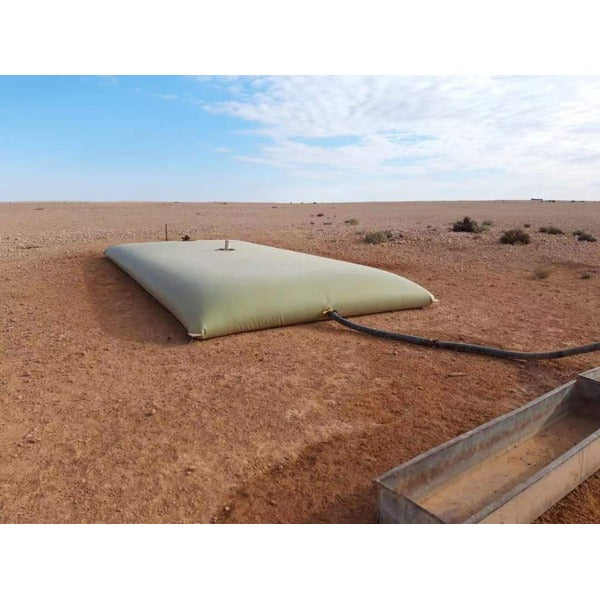
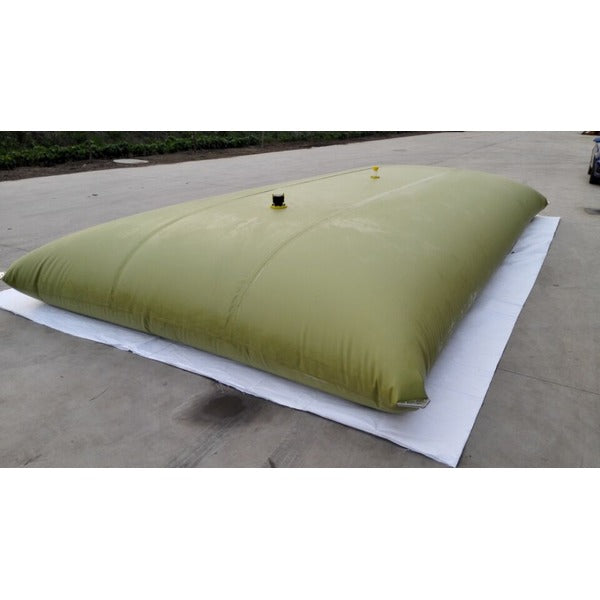
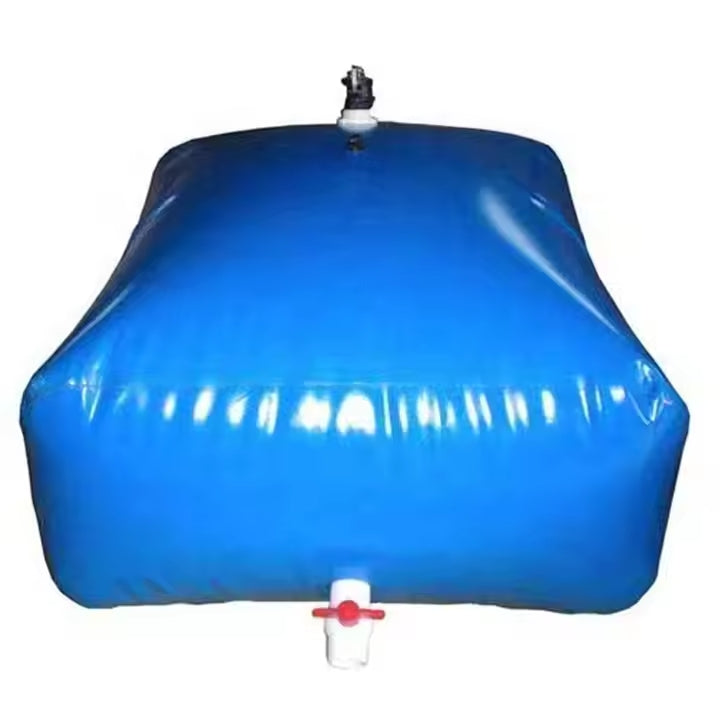
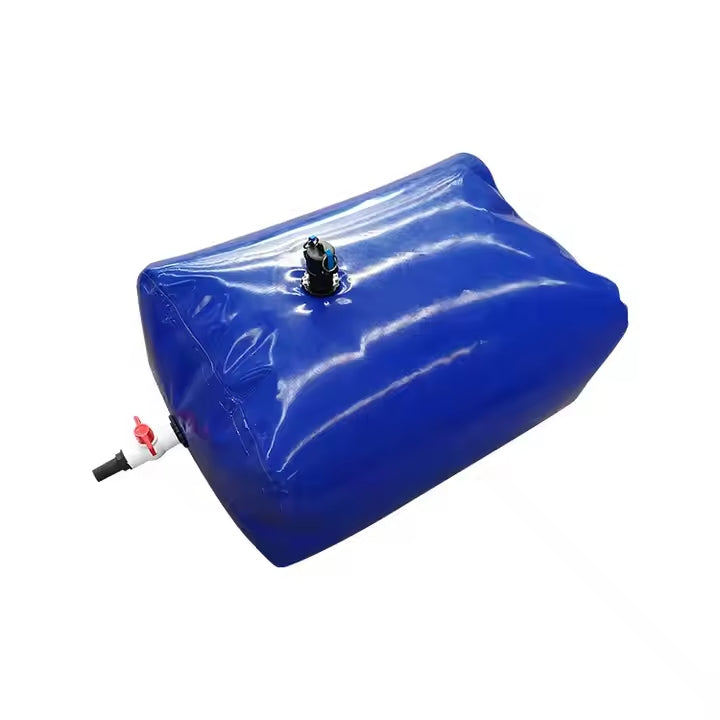
Picture a massive, heavy-duty pillow made from thick PVC material. We're talking industrial-grade stuff. When it's empty, it folds up into a package that fits on a pallet. When you fill it with water, it expands into a flat, rectangular bladder that can hold anywhere from 10,000 to 50,000 liters.
That's a lot of water. For context, 10,000 liters is about 2,600 gallons. Enough to keep a herd of 50 cattle going for more than a week in hot weather.
The material is tough. We're talking UV-resistant, puncture-resistant, and rated for temperatures from -30°C all the way up to +70°C. That's freezing cold to desert hot.
My friend's problem was that his steel tank was rigid, heavy, and a pain to haul. A flexible bladder? He could fold it up when it was empty, throw it in the truck, and set it up wherever he needed it.

Why Harsh Environments Eat Regular Tanks
If you've ever tried to keep livestock watered in extreme conditions, you know the struggles.
Heat. Water evaporates fast. Steel tanks get hot enough to burn a cow's nose. Plastic tanks degrade in UV and crack after a few seasons.
Freezing. When water freezes, it expands. Steel tanks can bulge and split. Plastic tanks crack. Concrete troughs can shatter.
Dust and dirt. Open troughs get contaminated. Algae grows. Animals refuse to drink dirty water.
Remote locations. No electricity for pumps or heaters. No easy way to refill. Everything has to be hauled in.
A flexible bladder solves most of these problems. The dark material blocks light, which slows algae growth. The pillow shape means less surface area for evaporation. The flexible material expands with ice instead of cracking. And when it's empty, it folds up and moves with you.
Who Actually Uses These?
I started asking around and found these bladders in some tough places.
Libya. This is no joke. The company has sold these bladders to livestock farms in the Libyan desert. We're talking extreme heat, sand, dust, and zero permanent infrastructure. If it works there, it'll work just about anywhere.
Australian outback stations. Huge properties, miles from anywhere. Water has to be hauled or pumped from deep bores. Flexible bladders get set up at watering points and moved when the herd rotates to new pasture.
High-altitude ranches. Freezing temperatures most of the year. Steel tanks crack. Plastic tanks get brittle. Flexible bladders handle the freeze-thaw cycle without falling apart.
Drought-stricken farms anywhere. When the well runs low or the creek dries up, you need storage fast. A bladder can be deployed in minutes, filled from a truck, and keep your animals alive until the rains come.
What Setup Actually Looks Like
My friend finally got one. Here's what he told me.
It arrived folded up on a pallet. He and his son carried it to the spot where he wanted it a flat area near the existing trough. They unfolded it, laid it flat, and made sure there weren't any sharp rocks underneath.
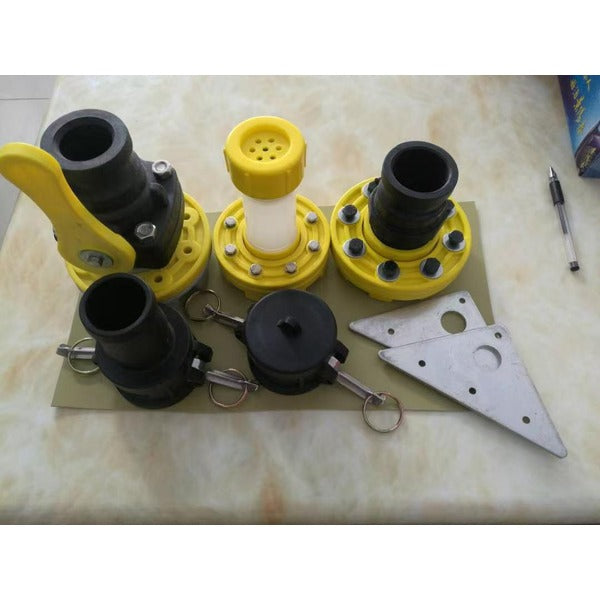
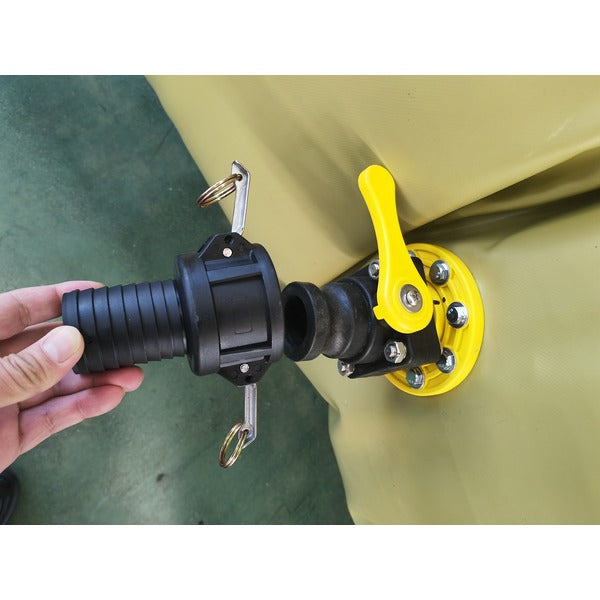
Then he connected a hose from his fill tank to the bladder's inlet and opened the valve. The bladder slowly expanded as it filled. Took about 45 minutes to fill 10,000 liters.
Once it was full, he connected the outlet to his existing trough system. Now he could fill the bladder once a week instead of hauling water every day.
When the season changed and he didn't need the extra storage anymore, he opened the drain valve, let the water out (used it for the pasture), let the bladder dry, folded it back up, and stored it in his barn.
"No more 4 AM water runs," he said.
The Cost Difference
He did the math. A rigid steel tank of the same capacity would have cost him three times as much. It would have required a concrete pad and a crane to set in place. And it would be permanent once it's there, it's there forever.
The bladder cost less, shipped on a pallet, and he set it up with just him and his son. No concrete. No crane. No permanent commitment.
And when he eventually sells the ranch? The bladder folds up and goes with him.
The Durability Question
I asked him if he was worried about punctures. Cows are big. They step on things. They rub against things.
The material is thick reinforced PVC tarpaulin, the same stuff they use for truck curtains and inflatable boats. It's designed to handle abrasion and puncture. He's had his for two seasons now. No leaks. No tears.
He does put a groundsheet underneath it to protect against sharp rocks. Common sense stuff. But other than that, it just sits there and does its job.
Why This Matters
Livestock need water every single day. Miss a day, and animals get sick. Miss two days, and you're losing animals.
In harsh environments, keeping water available is a constant battle. Heat evaporates it. Freezing destroys containers. Dust contaminates it. Distance makes hauling it a grind.
A flexible water bladder isn't a magic solution. But it's a damn good tool. It's tough enough for the worst conditions. It's portable enough to move with your herd. It's affordable enough that it doesn't break the bank.
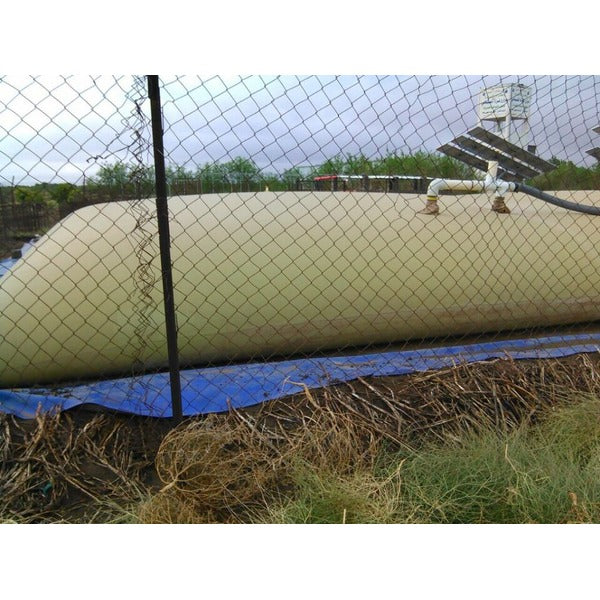
My friend sent me a photo last week. His cattle were gathered around the trough, drinking. The bladder was sitting there behind them, low to the ground, doing its job.
Best money I've spent in years, he said.
If you're trying to keep livestock watered in tough conditions, take a look at these. They're not what most people picture when they think of water storage. But they might be exactly what your herd needs.