

Portable Flexible Water Bladder for Middle-East Water Storage Needs
Portable Flexible Water Bladder for Middle-East Water Storage Needs
I have a friend named Youssef. He runs a small farm outside of Muscat, in Oman. We met years ago through a mutual friend, and we stay in touch. A few months back, he called me, sounding exhausted.
The well is getting salty again, he said. And the truck that brings water only comes once a week. I've got fifty sheep and a dozen camels. I can't store enough to get through the week.
I asked him what he was using for storage. He laughed.
Old steel tanks. Rusted through in two places. I patched them with epoxy, but they still leak. And they take up half my yard.
I didn't have a good answer for him then. But I started looking into what people in dry regions use for water storage. And I found something that would have made Youssef's life a lot easier.

What Is a Flexible Water Bladder?
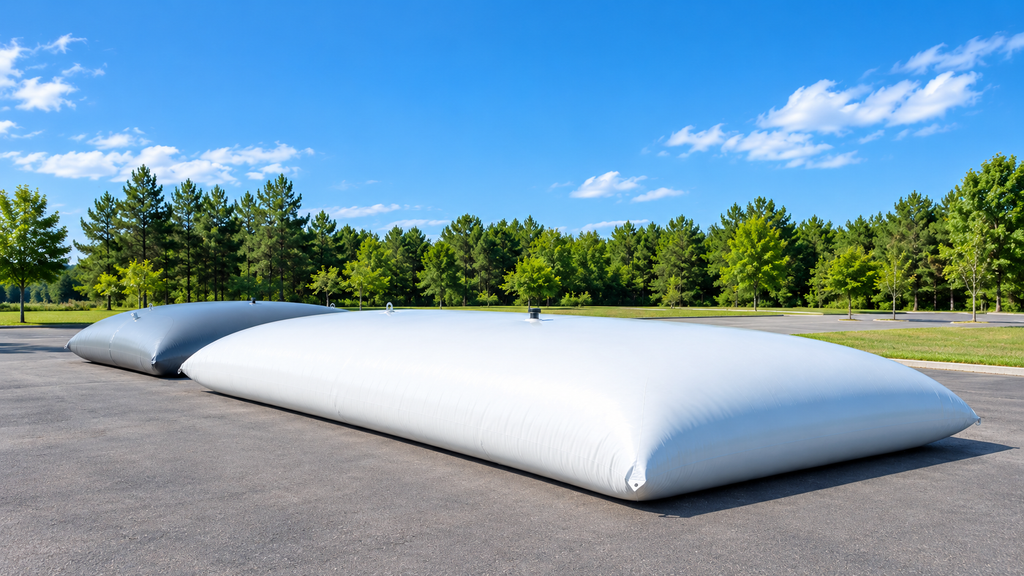
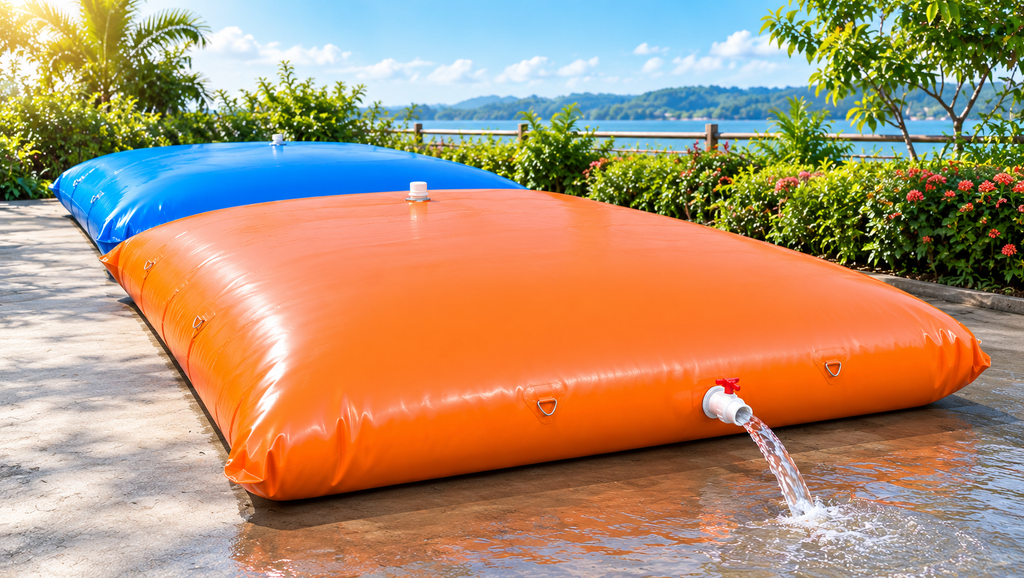
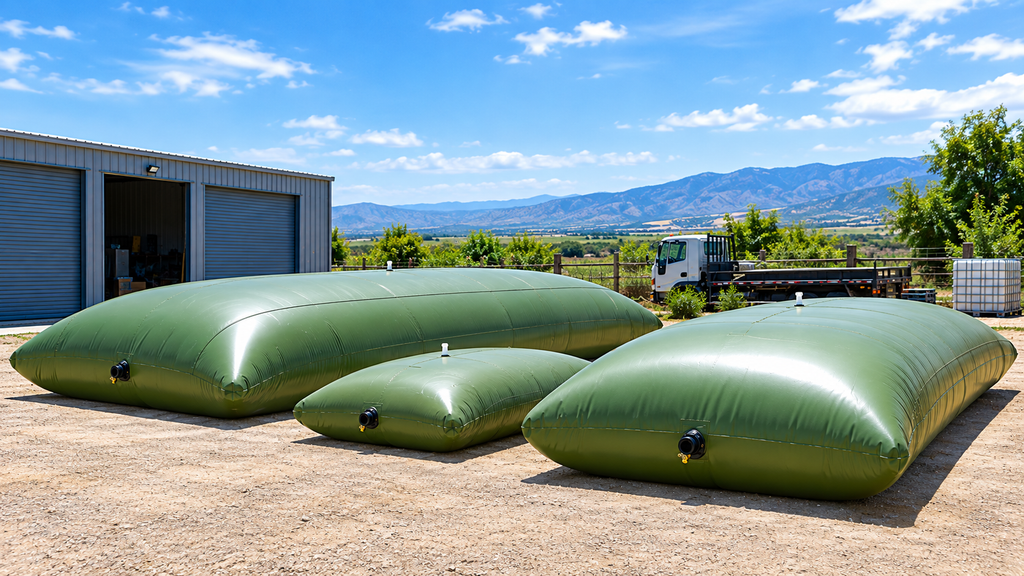
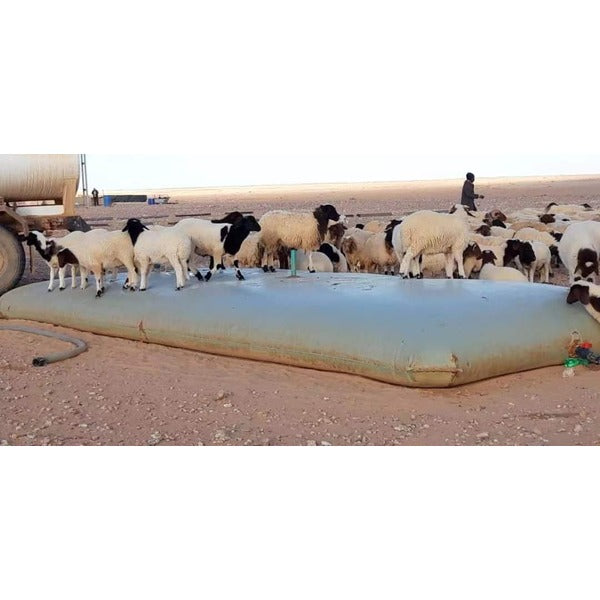
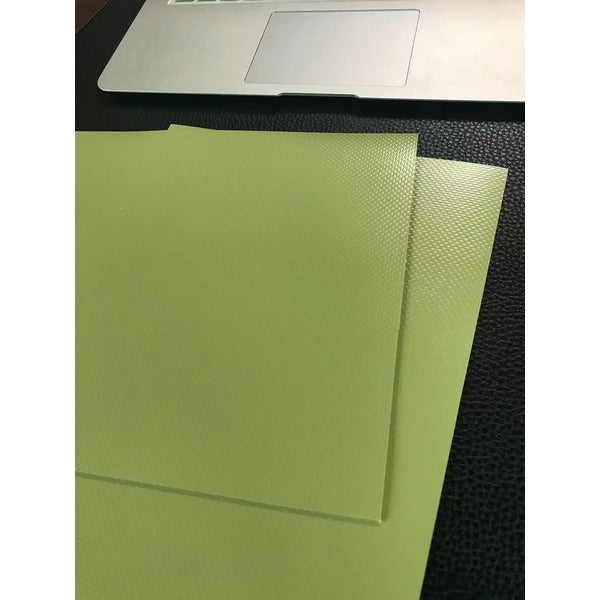
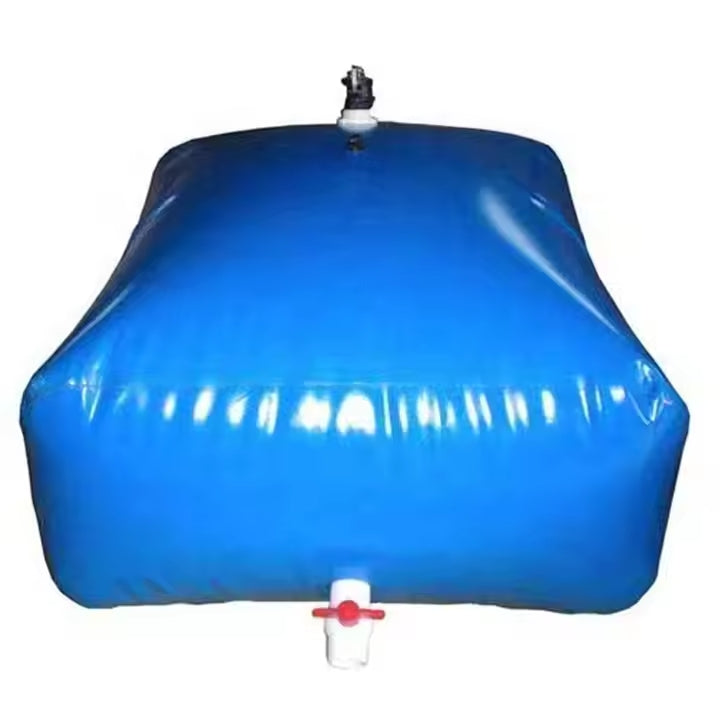
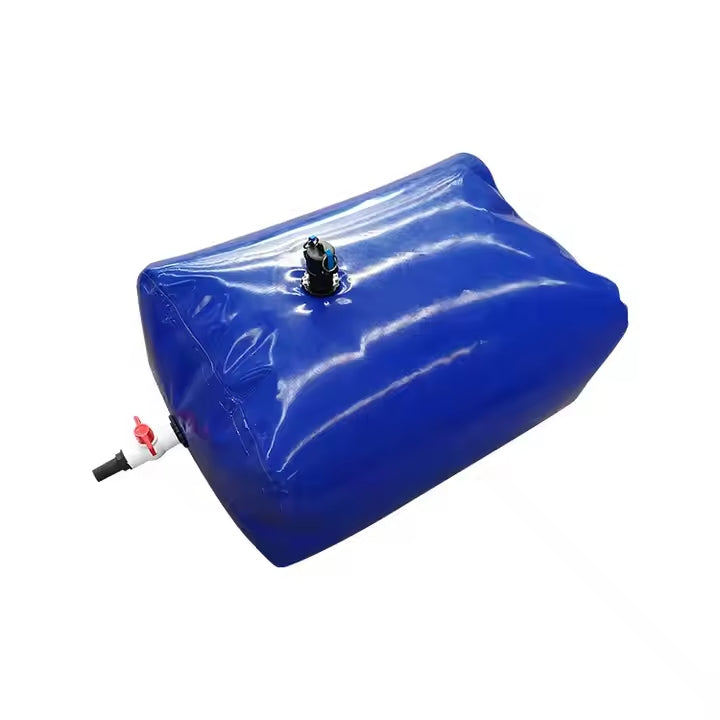
If you've never seen one, don't picture a balloon. Picture a heavy-duty rectangular bag made from thick PVC material. The kind of stuff they use for truck curtains and industrial tarps. It's tough. It's flexible. And when it's empty, it folds up into a bundle the size of a sleeping bag.
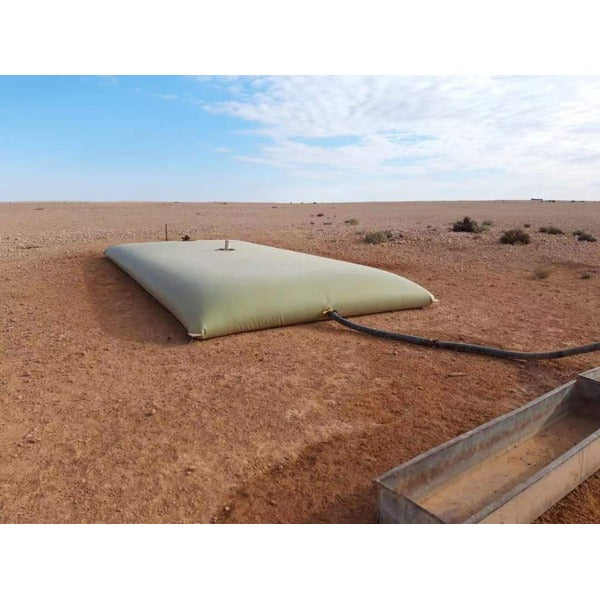
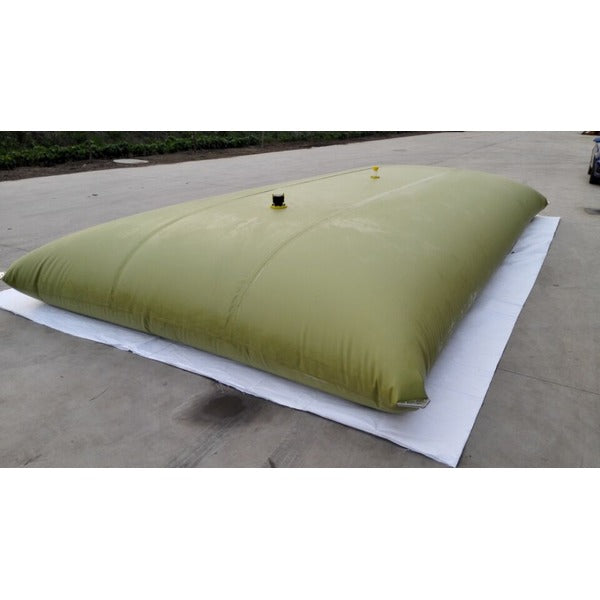
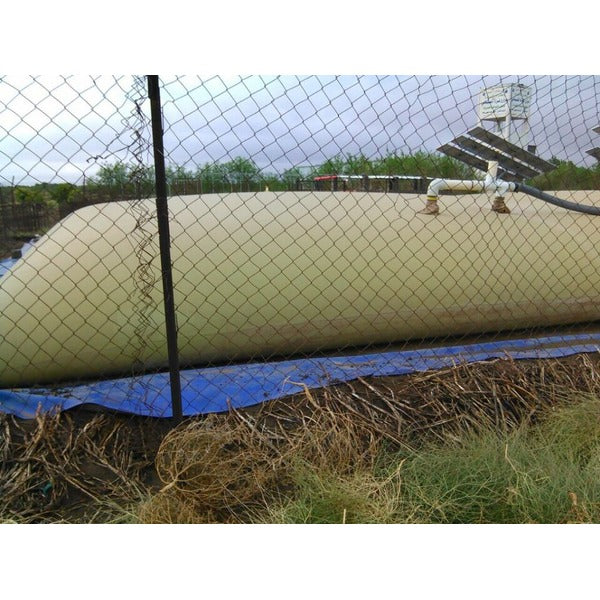
When you fill it with water, it expands into a flat, stable tank that just sits there. Doesn't tip. Doesn't roll. Holds anywhere from 600 liters up to 26,000 liters, depending on the size you get.
Youssef's problem was that his steel tanks were permanent, rusted, and too small. A flexible bladder? He could roll it out, fill it from the delivery truck, and have enough water for his animals for a week or more. When he didn't need it, he could fold it up and put it in a shed.
Why Arid Regions Need Something Different
The Middle East and other dry regions have challenges that most water storage products aren't built for.
Heat. We're talking 50°C in the shade. Plastic tanks warp. Steel tanks get hot enough to burn your hand. The water inside gets warm, which isn't great for drinking.
Space. Land is valuable. A permanent tank takes up space forever. A flexible bladder sits there when you need it and disappears when you don't.
Transport. Water often has to be trucked in from far away. Rigid tanks are empty most of the time but still take up the same space. Flexible bladders fold flat, so you can ship a dozen of them in the space of one rigid tank.
Durability. Sand gets everywhere. UV is intense. Cheap materials break down in a season. These bladders are made from PVC that's designed to handle both.

Who Actually Uses These?
Youssef started asking around after I told him about these bladders. Turns out, they're all over the place in his region.
Livestock farms. This is Youssef's world. Camels, sheep, goats, cattle they all need water every day. A flexible bladder can be filled once a week from a delivery truck and keep the whole herd going.
Remote villages. Some small communities have no piped water. A truck brings water, and people store it in whatever they have. A flexible bladder gives them clean, safe storage without building permanent tanks.
Construction sites. Building roads or facilities in the desert means you need water for concrete, dust control, and worker hydration. A bladder can be moved from site to site as the project progresses.
Emergency relief. When there's a flood or an earthquake, clean water is the first thing people need. These bladders ship flat, so aid organizations can pack hundreds of them on a truck and deploy them anywhere.
Military operations. I've heard these are used by armed forces in the region too. Portable water storage that packs small and sets up fast is valuable when you're moving through remote areas.
What Youssef Found Out
He ended up buying one. Got the 3,000-liter size. Here's what he told me when I checked in with him.
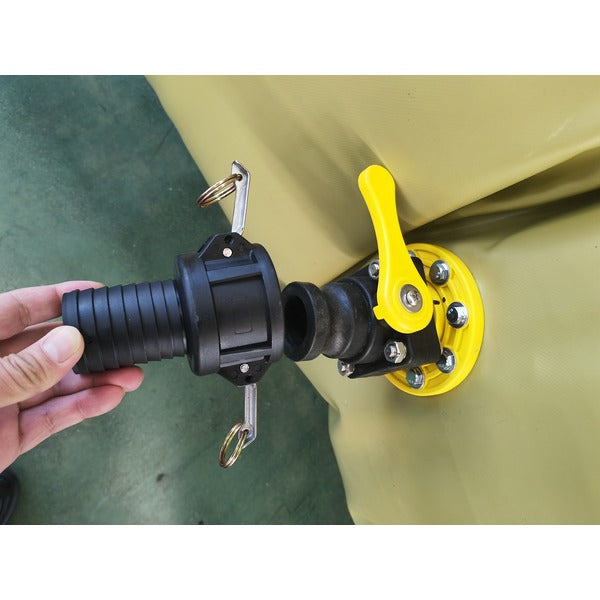
The bladder arrived folded up in a box. He and his son carried it to the spot where he wanted it—a flat area near the animal pens. They unrolled it, made sure there weren't any sharp rocks underneath, and connected a hose from the delivery truck's fill pipe.
The driver opened the valve, and the bladder slowly expanded as it filled. It took about twenty minutes. When it was full, it just sat there. Flat. Stable. No leaks.
He connected the outlet to his existing trough system using a small pump. Now he could get a delivery once a week instead of twice a week, and his animals always had water.
"The sheep figured it out in a day," he said. "Camels took a little longer. They're suspicious of new things."
When the dry season ended and he didn't need as much stored water, he drained the bladder, let it dry, folded it up, and put it in his storage shed.
"Takes up less space than my saddle," he said.
The Durability Question
I asked Youssef about the heat. Oman gets brutally hot. Would the PVC hold up?
He sent me a photo of the bladder after three months of use. It looked fine. The material is rated for the temperature range, and the dark color handles UV exposure better than lighter materials would.
He does keep a groundsheet underneath to protect against sharp rocks and thorns. Common sense. But other than that, the thing just sits there and takes whatever the sun and sand throw at it.
What the Specs Don't Tell You
The product page lists capacities and dimensions. But what Youssef really cared about was simpler.
Does it leak? No.
Will it handle the heat? Yes.
Can I move it by myself? With two people, easy.
Does the water stay clean? The dark material blocks light, which slows algae growth. He hasn't had any problems.
How long will it last? His neighbor has had one for three years. No issues.

The Cost Difference
Youssef did the math. A new steel tank of similar capacity would have cost him nearly twice as much. Plus installation. Plus a concrete pad. Plus he'd have to worry about rust.
The bladder cost less, shipped right to his farm, and he set it up with just him and his son. No concrete. No heavy equipment. No rust.
And when he eventually moves or changes his operation? The bladder rolls up and goes with him.
The Bottom Line
Youssef called me a couple weeks ago. His voice sounded different. Less tired.
"The bladder's been a game changer," he said. "No more patching rust holes. No more running out of water between deliveries. The animals are healthier. I'm sleeping better."
That's the thing about water storage in arid regions. It's not just about convenience. It's about survival. Your animals need water every day. Your family needs water every day. If your storage fails or isn't big enough, everything falls apart.
A flexible water bladder isn't magic. But it's a damn good tool for a place where water is scarce and conditions are tough.
If you're in a dry region and you're tired of wrestling with old tanks that leak and rust, take a look at these. They're not what most people picture when they think of water storage. But they might be exactly what you need.