

Durable & Portable PVC Water Tank for Modern Farming
Durable & Portable PVC Water Tank for Modern Farming
My neighbor Bill runs a cattle operation. About 150 head, give or take. He's been at it for thirty years. Last summer, I stopped by to help him move some fence posts, and he was in a bad mood.
"Damn well's acting up again," he said, kicking at a clump of weeds. "Pump keeps losing prime. I'm hauling water from the creek every morning just to keep the troughs full."
I asked him why he didn't just put in another tank somewhere else on the property. He looked at me like I'd just suggested he build a spaceship.
Costs too much, he said. And once you put one in, you're stuck with it. Can't move it. Can't adjust. Just sits there forever.
I didn't have an answer for him then. But a few months later, I found something that would have saved him a lot of early mornings.

What Is a Portable Livestock Water Tank?
When I first heard portable water tank for livestock, I pictured something like a kids' wading pool. You know, flimsy plastic that would last about twenty minutes around a herd of thirsty cattle.
It's not that.
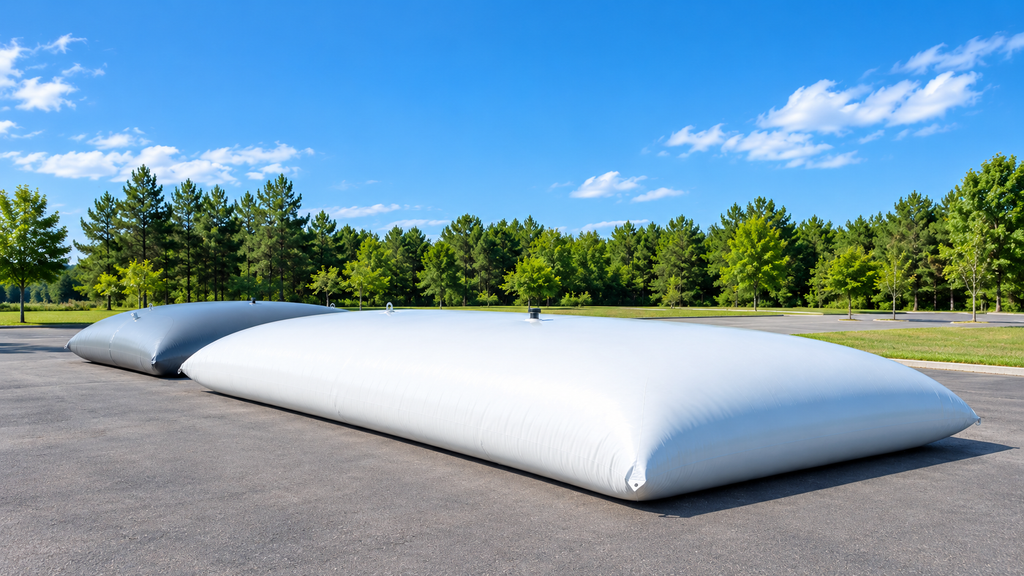
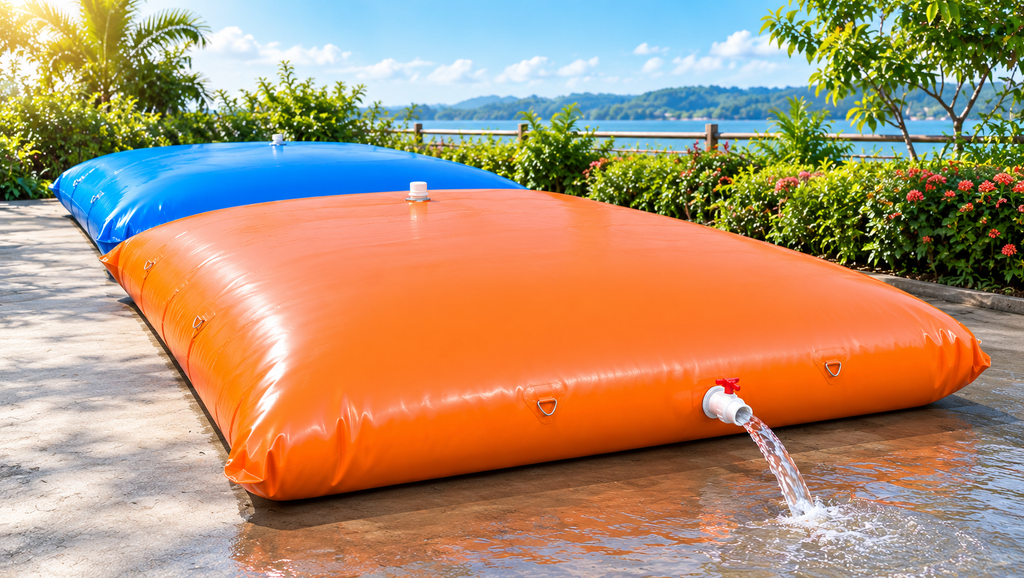
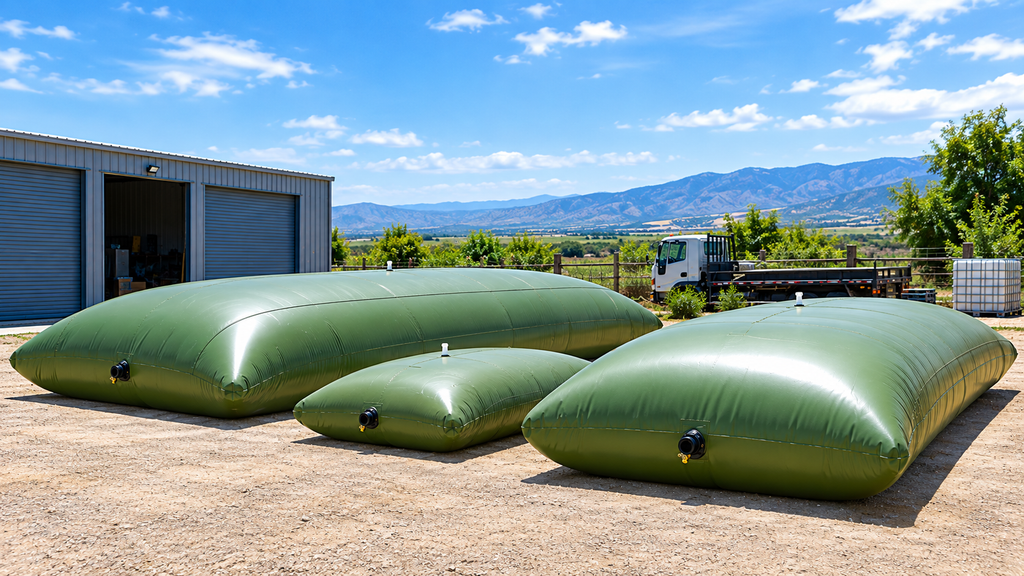
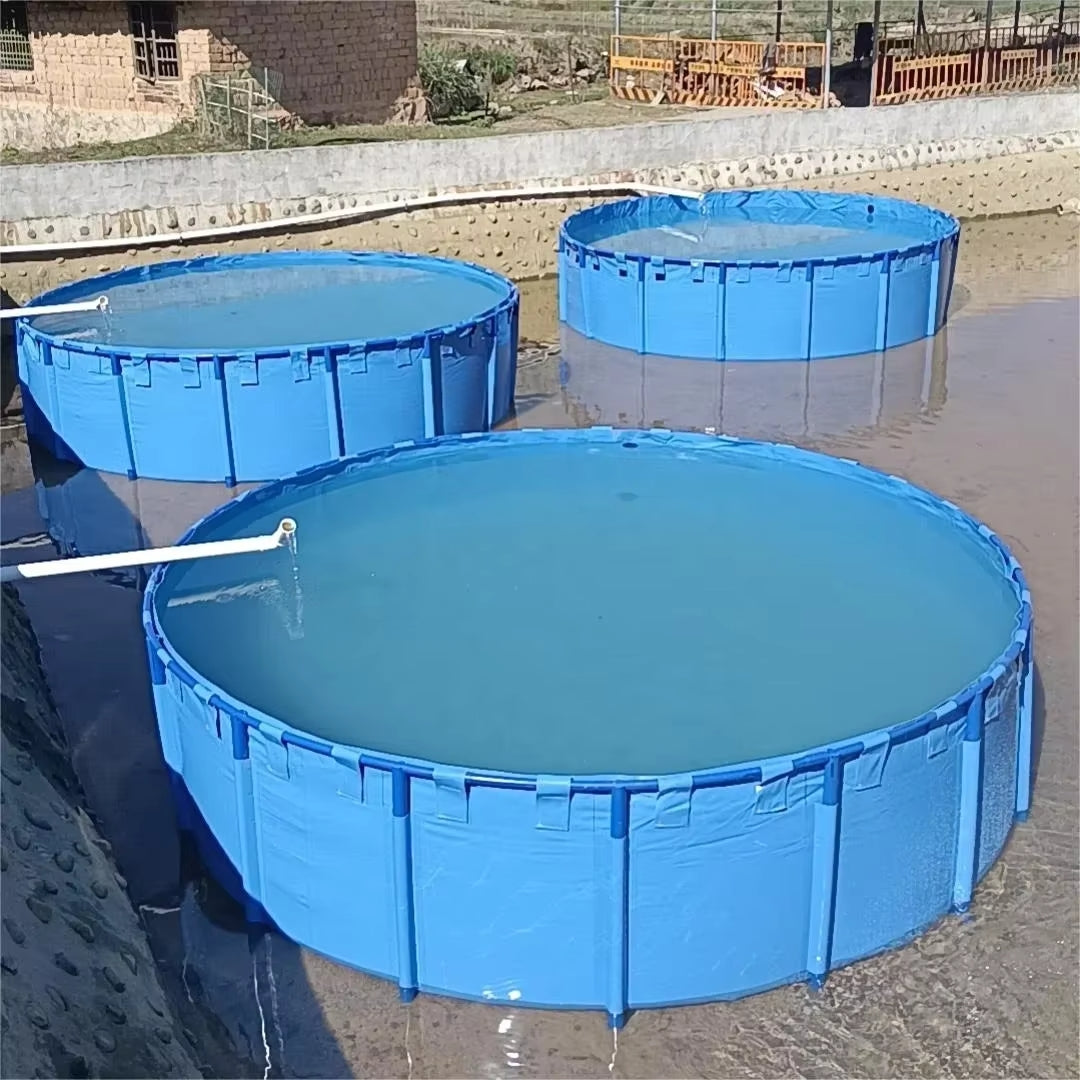
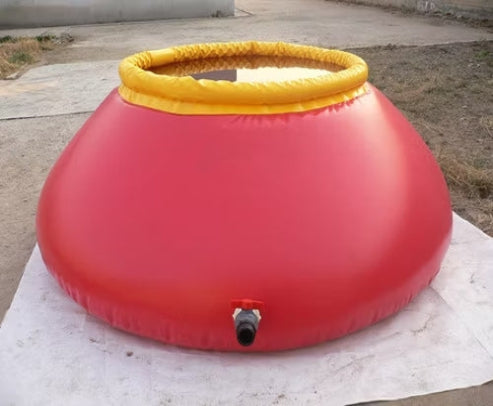
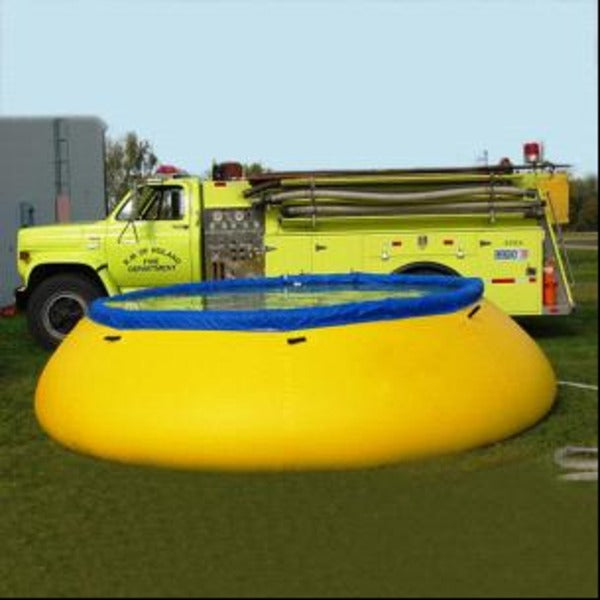
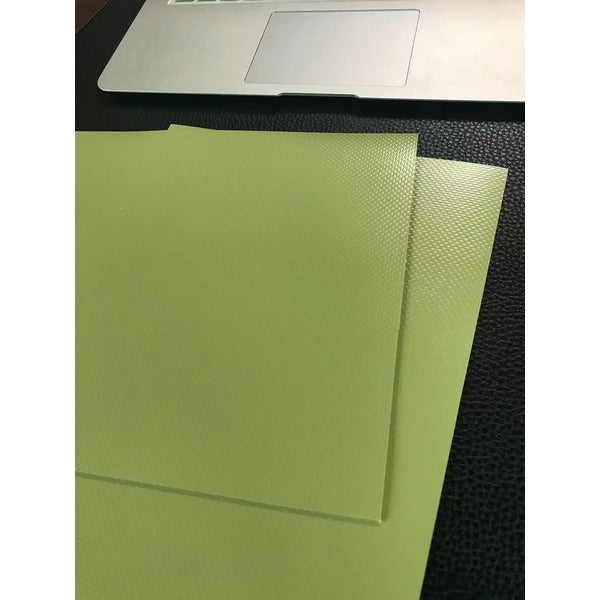
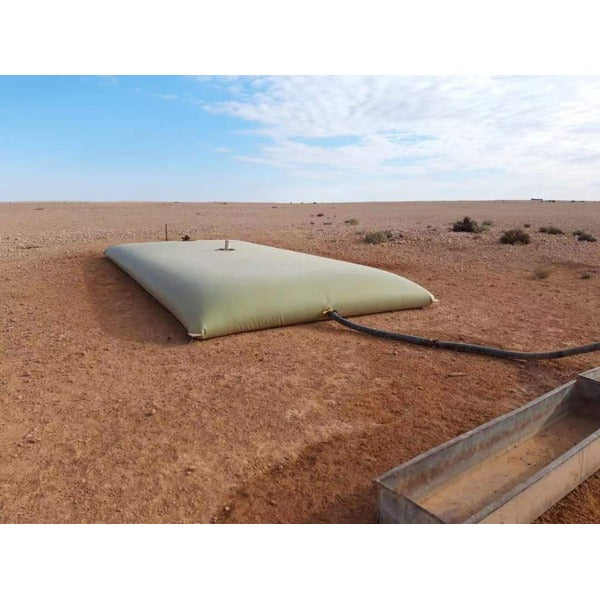
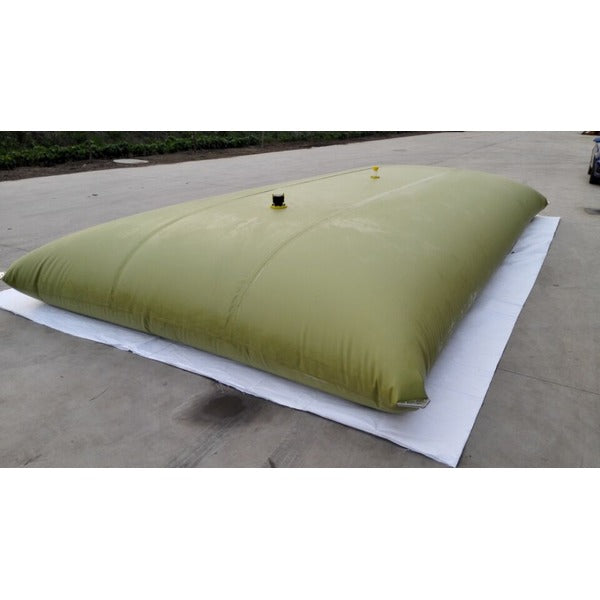
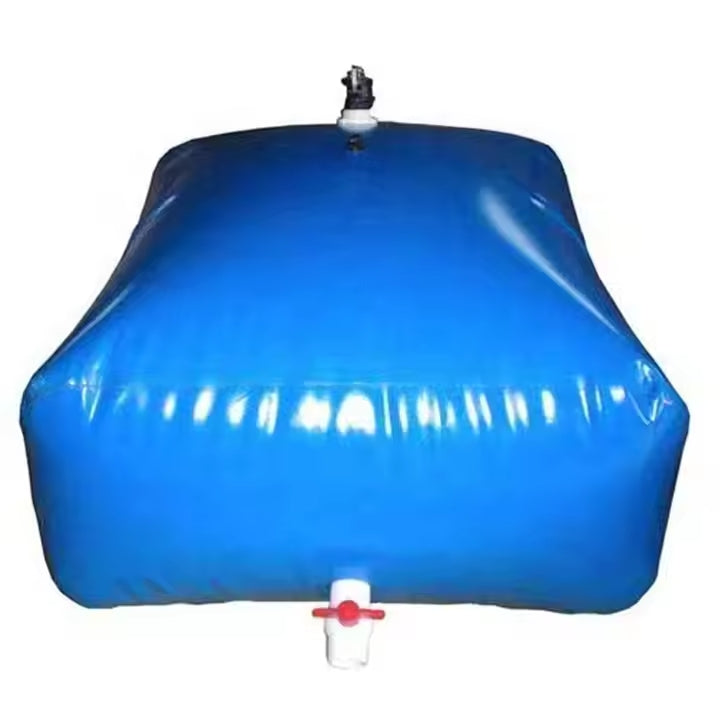
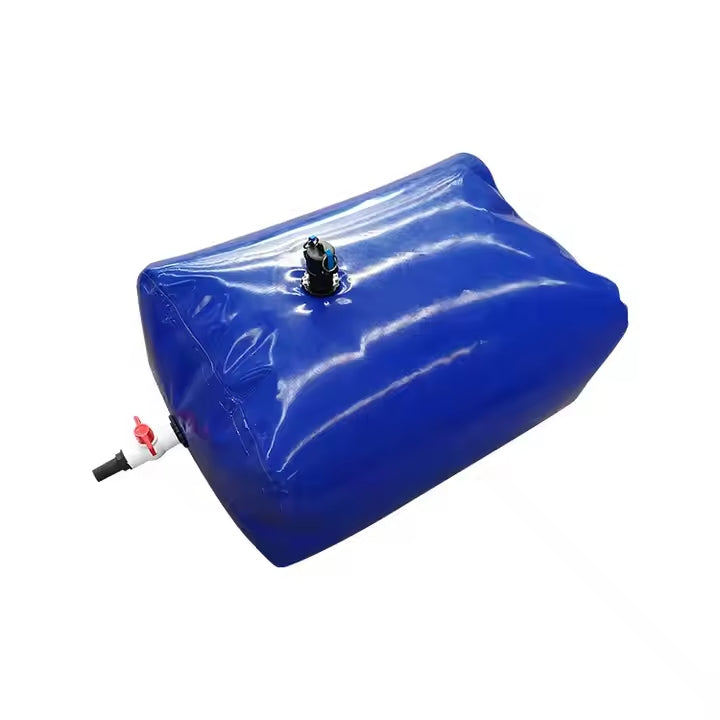
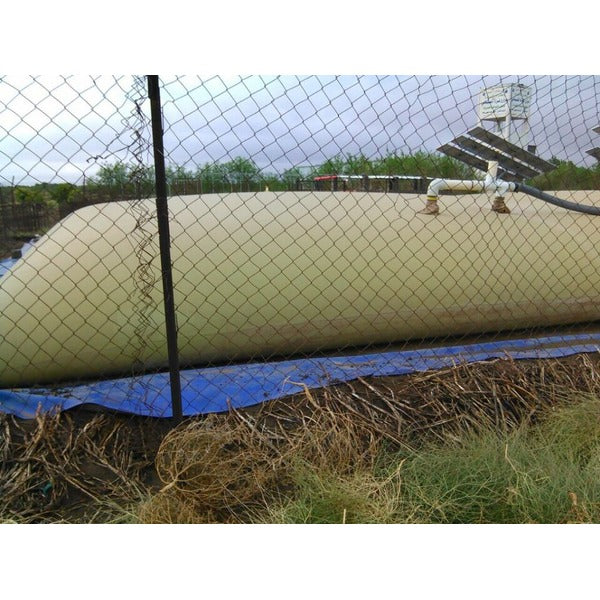
Picture a massive, heavy-duty bladder made from thick PVC tarpaulin. We're talking double-sided coated material. The same kind of stuff they use for truck curtains and industrial applications. When it's empty, it folds up into a roll that fits on a pallet. When you fill it with water, it expands into a stable, flat reservoir that can hold anywhere from 10,000 to 50,000 liters.
That's enough water to keep Bill's herd going for a week or more, depending on the weather.
The material is tough. UV-resistant. Temperature-rated from -30°C to +70°C. That means it handles the summer heat and doesn't crack in the winter freeze.
Bill's problem was that his well was unreliable and he had no way to store water at the grazing points. A permanent tank costs thousands and ties you to one spot. A portable bladder? He could fill it from his truck or a temporary pump, move it when the herd rotated to new pasture, and roll it up when he didn't need it.
Why Modern Farming Needs Portability
Farming isn't what it used to be. Rotational grazing means herds move from one pasture to another every few weeks or even days. Permanent water tanks force you to bring animals back to the same spot over and over, which beats down the ground and wastes forage.
A portable water tank changes that. You set it up at the new grazing area, fill it from a truck or temporary pump, and the animals have water right where they're eating. No long walks to a distant trough. No mud pits from overused watering points.
Bill started using rotational grazing a few years back. His pastures look better, his cattle are healthier, and he's getting more beef per acre. But the one thing holding him back was water. He couldn't afford to put permanent tanks at every grazing cell.
A portable bladder solved that overnight.

What Using One Is Actually Like
Bill borrowed one from a neighbor to try it out. Here's what he told me.
The bladder arrived folded up on a pallet. He and his son carried it to the pasture on a flatbed truck. They unrolled it on a flat spot near the grazing area, making sure there weren't any sharp rocks underneath.
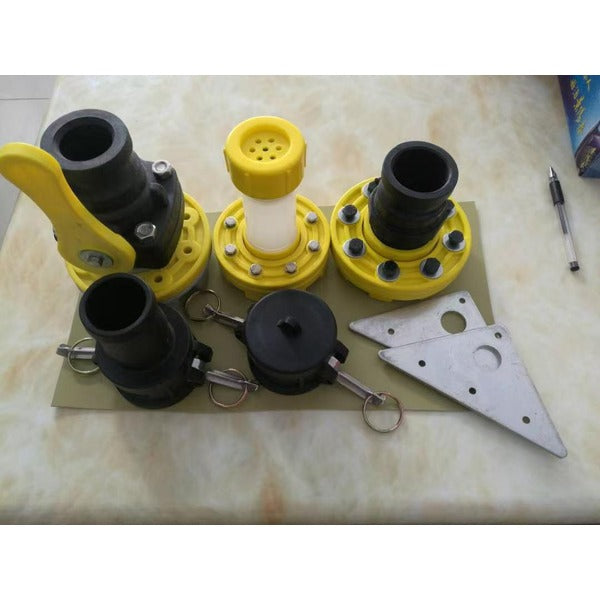
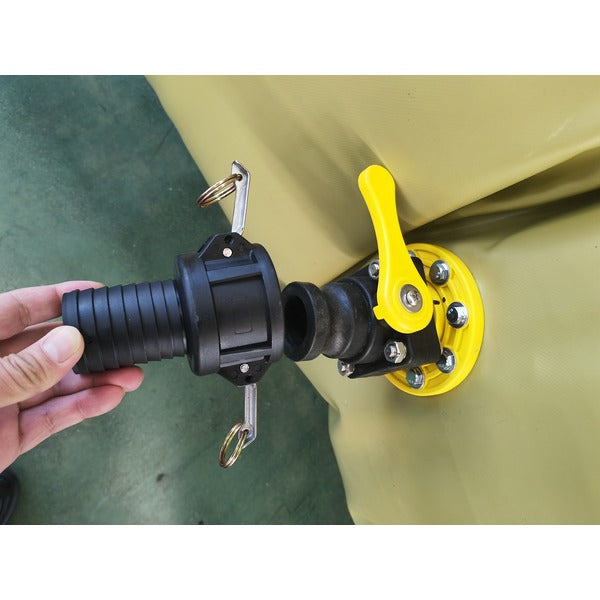
Then he connected a hose from his fill tank to the inlet and opened the valve. The bladder slowly expanded as it filled. Took about an hour for 10,000 liters. When it was full, it just sat there. Flat. Stable. Not going anywhere.
He connected the outlet to his trough system using a small pump. The cattle figured it out pretty quick. Within a day, they were drinking from it like they'd always had it.
When the herd moved to the next pasture, Bill drained the leftover water, rolled the bladder back up, and loaded it on the truck. Took maybe thirty minutes.
"Beats hauling water every morning," he said.
The Durability Question
I asked Bill if he was worried about the cattle damaging it. Cows are big. They step on things. They rub against things.
The material is thick. Double-sided PVC tarpaulin. The same stuff they use for inflatable boats and heavy-duty truck covers. Bill's neighbor has had one for three seasons with no leaks and no tears.
He does put down an old tarp underneath to protect against sharp rocks. Common sense. But other than that, the thing just sits there and takes whatever the animals throw at it.
Who Else Uses These
Bill's operation is cattle, but these bladders work for all kinds of livestock.
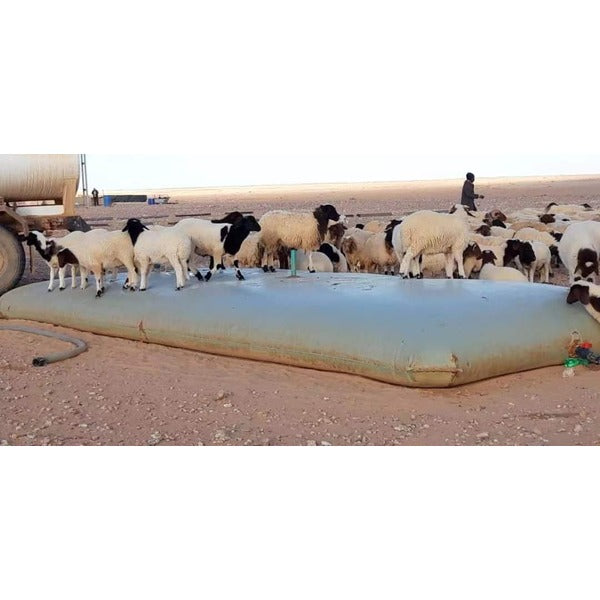
Sheep and goat farms. Smaller herds need less water, but the same portability benefits apply. Rotational grazing works great for sheep, and a portable water tank makes it practical.
Horse operations. Horses are picky about water. They'll refuse dirty or stale water. A portable bladder is easy to clean and can be moved to different paddocks or arenas.
Dairy farms. Dairy cows need constant water access for milk production. A portable bladder serves as backup storage during well maintenance or peak demand.
Remote grazing land. Some properties have no well at all. Water has to be hauled in. A portable bladder can be filled at a central source, transported, and deployed at the grazing point.
Temporary shelters. During calving season or extreme weather, animals might be moved to a temporary shelter. A portable bladder brings water with them.
The Cost Difference
Bill did the math. A permanent concrete or steel tank of similar capacity would have cost him three times as much. Plus installation. Plus a concrete pad. Plus permits, maybe.
The bladder cost less, shipped on a pallet, and he set it up with just him and his son. No concrete. No heavy equipment. No permanent commitment.
And when he eventually sells the place or changes his grazing plan? The bladder rolls up and goes with him.
What the Specs Don't Tell You
The product specs say "UV-resistant" and "temperature range -30°C to +70°C." That's important. But what Bill really cared about was simpler.
Does it leak? No.
Will it survive a cow stepping on it? Yes.
Can I move it by myself? Two people, easy.
Does the water stay clean? The dark material blocks light, which slows algae growth.
Will it last? His neighbor's on year three with no problems.
The Bottom Line
Bill ended up buying his own bladder. He got the 10,000-liter size. He uses it for his rotational grazing setup, moving it from pasture to pasture as the herd moves.
Should have done this years ago, he told me. No more hauling water. No more mud pits. Cattle are healthier. Pastures look better.
That's the thing about portable water storage for livestock. It's not just about convenience. It's about farming smarter. Using your land better. Taking care of your animals without killing yourself with extra work.
If you're running livestock and you're tired of hauling water or dealing with permanent tanks that don't move, take a look at these. They're not what most people picture when they think of farm water storage. But they might be exactly what your operation needs.