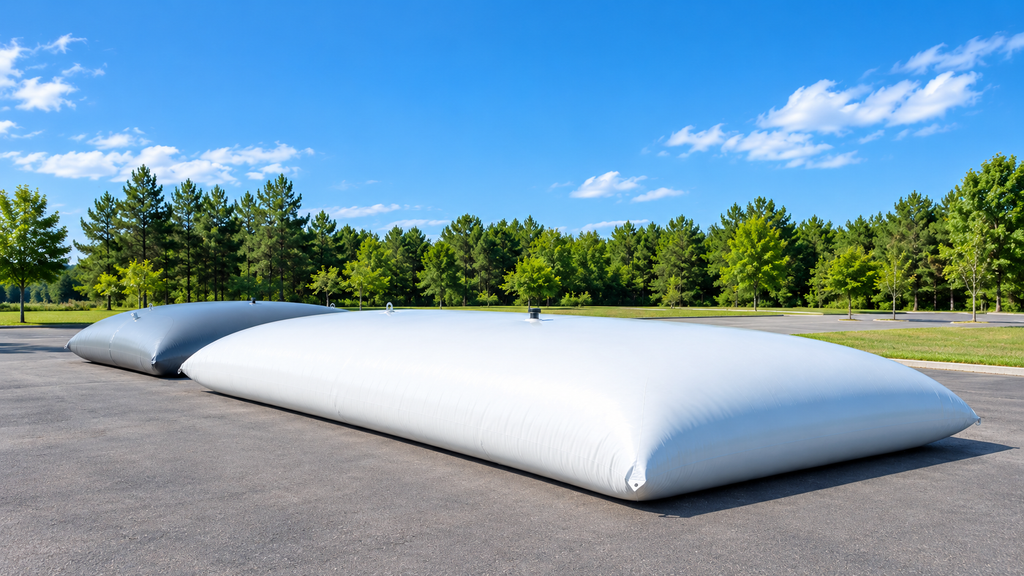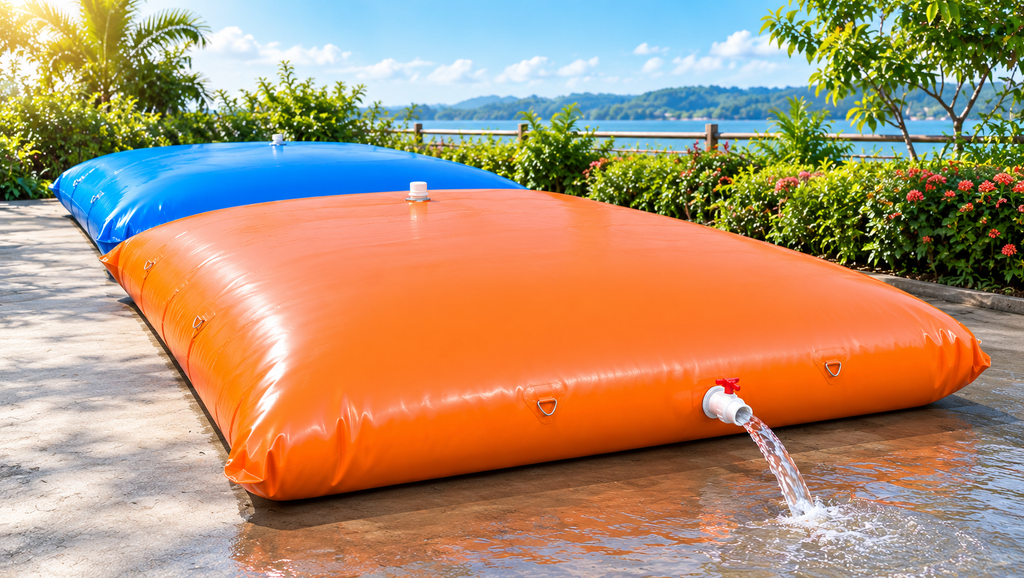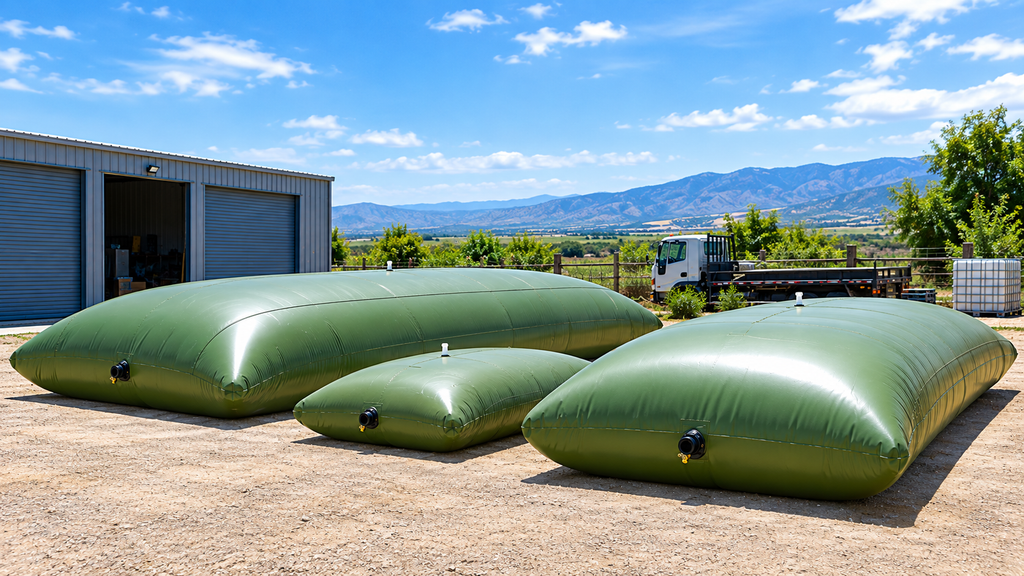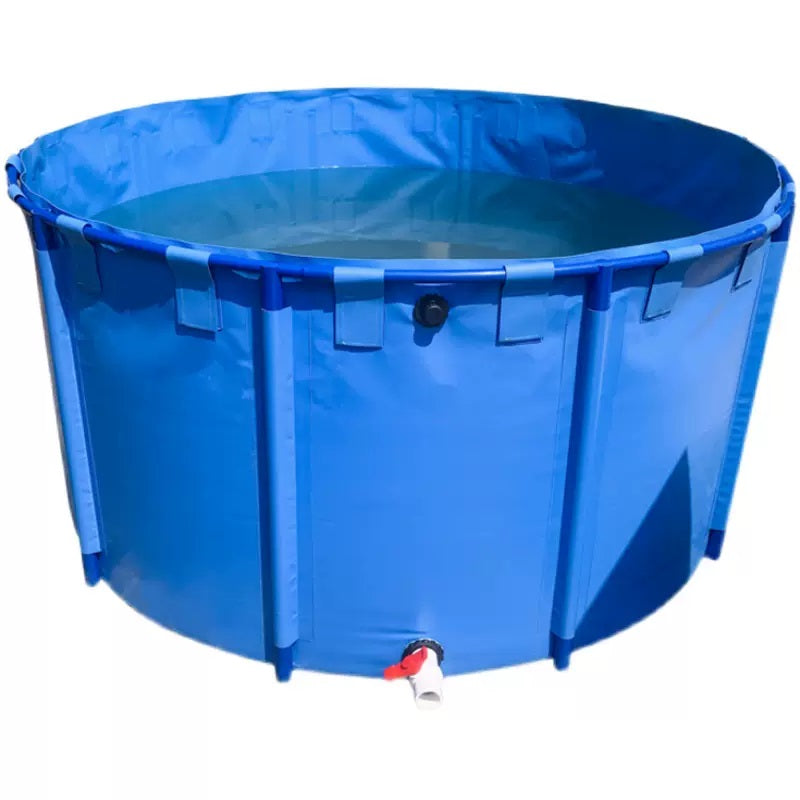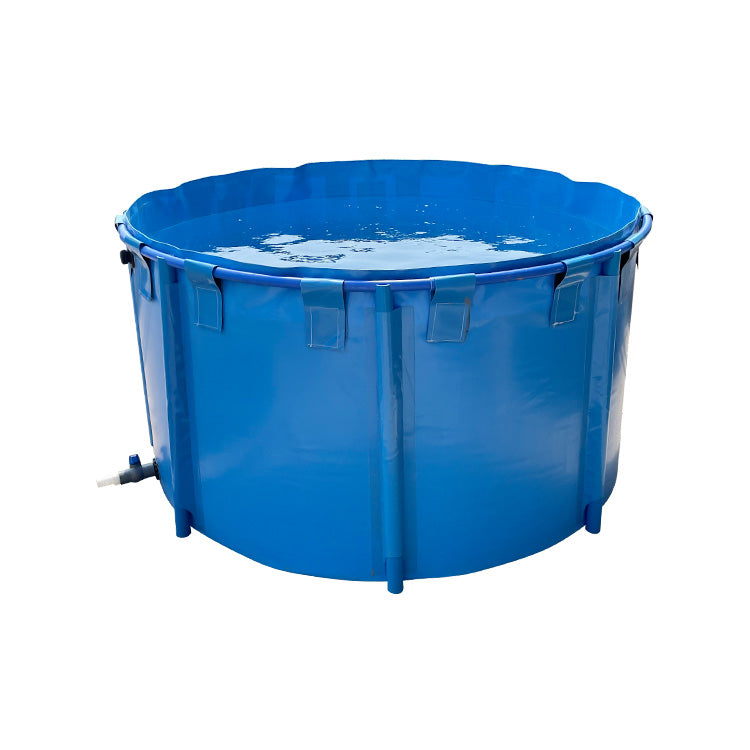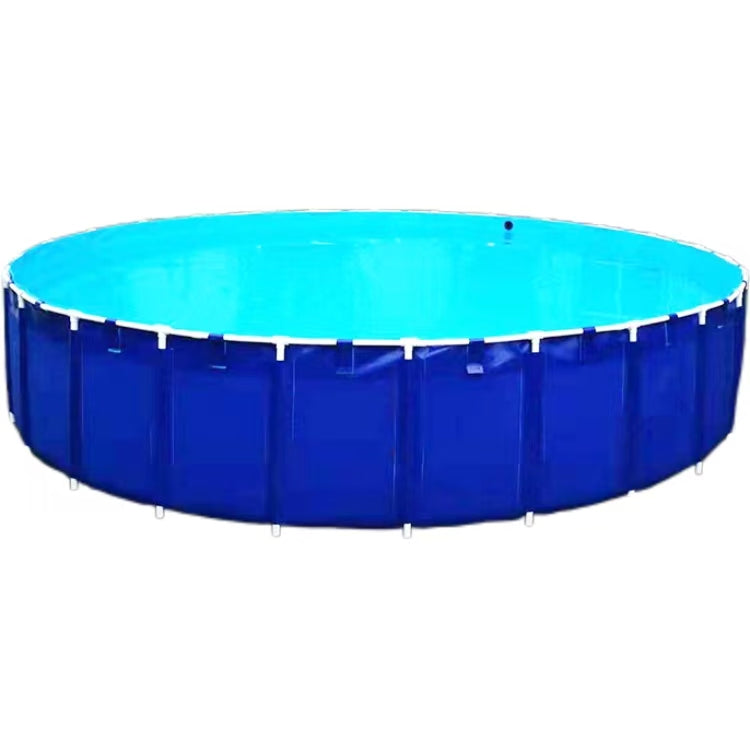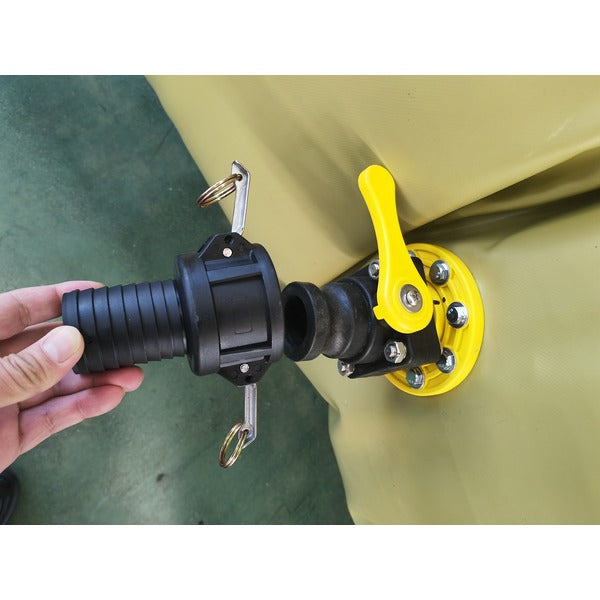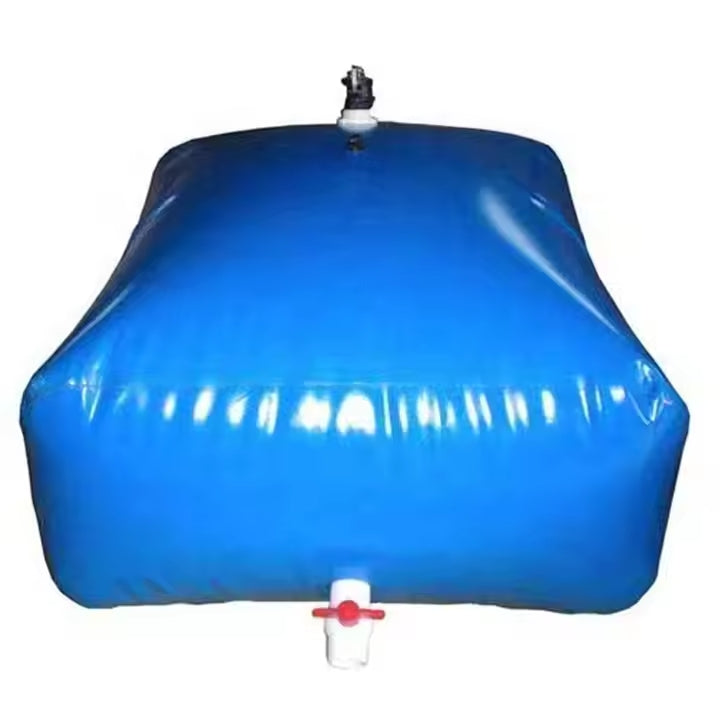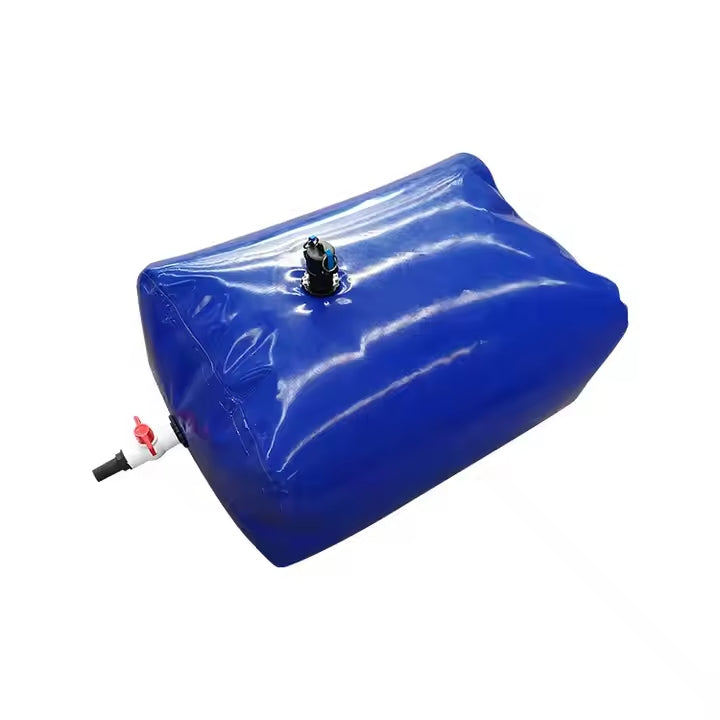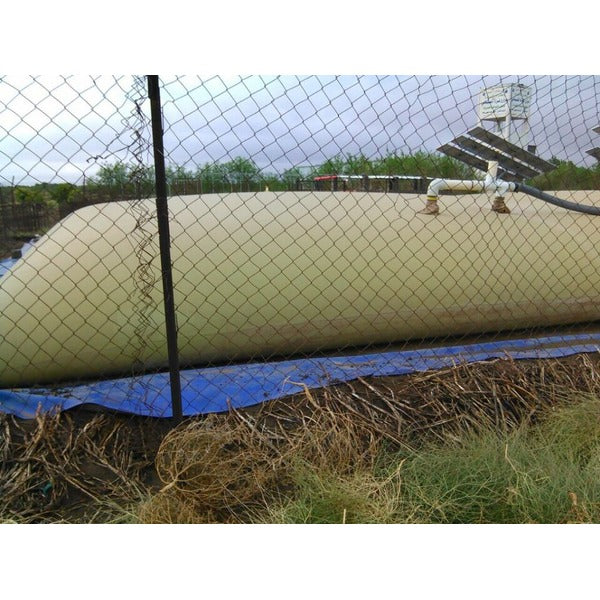


Onion-Shape Water Storage Tank for Portable Drinking Water Solutions
Access to clean drinking water remains one of the most pressing challenges for remote communities, humanitarian operations, and field deployments worldwide. In areas where mains infrastructure doesn't reach whether a village in the Sahel, a construction camp in the mountains, a military forward base, or a disaster-struck urban neighbourhood the question is never simply "where is the water?" It's "how do we store enough of it to keep people safe?"
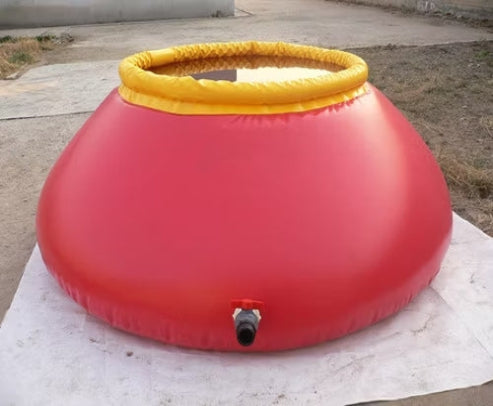
The answer, increasingly, is the portable drinking water tank and specifically, the onion-shaped flexible bladder design that combines food-grade safety, self-supporting stability, and compact transport in a single deployable unit. The RAINBOW Flexible Onion-Shape Potable Water Storage Bag, from 200 litres to 10,000 litres, is the practical solution that remote area water management has long needed.

The Real Challenge of Remote Water Storage
Before understanding why a portable onion-shape potable water storage tank works so well in remote contexts, it helps to understand what those contexts actually demand and why conventional infrastructure so consistently fails to meet them.
Distance from supply — Remote communities, construction camps, and field operations often sit hours from the nearest town, far beyond the reach of piped water networks. Water must be trucked in, collected from rainfall, or drawn from natural sources. Storage capacity directly determines how long a delivery lasts and how frequently costly resupply runs must be made.
Absence of infrastructure — Concrete cisterns and rigid tanks require foundations, civil works, and sometimes specialist equipment to install. In remote areas with no road access, no construction machinery, and no civil engineering capability, these options simply don't exist.
Changing operational locations — Military units redeploy. Construction projects advance. Seasonal farming operations shift between pastures. Humanitarian missions move as crises evolve. Fixed water infrastructure can't follow a portable potable water storage tank can.
Safety for human consumption — Not every flexible water container is food-safe. In remote area drinking water applications, the material of the container is not a secondary concern. It is a primary one.
Why the Onion Shape Works for Remote Deployment
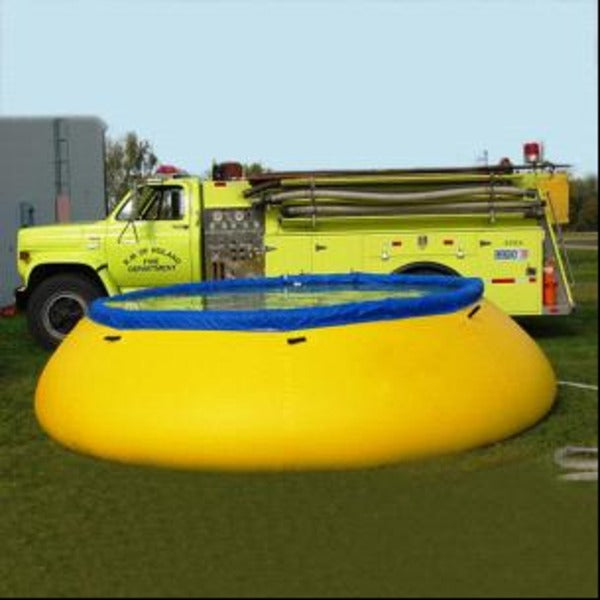
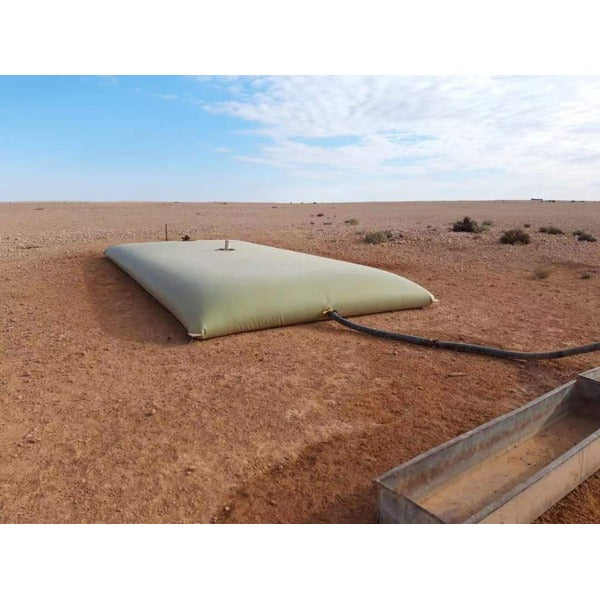
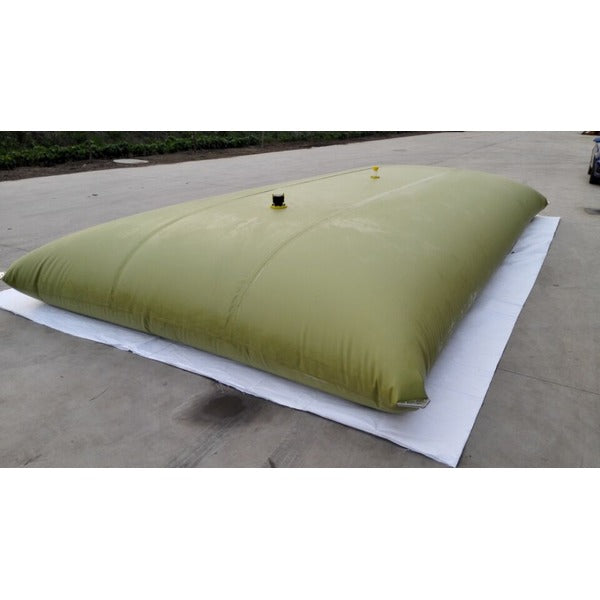
The onion-shaped bladder was engineered for exactly the kind of deployment challenges remote areas present. Unlike rectangular pillow tanks that require flat, prepared surfaces to hold their shape, or large rigid tanks that need installation equipment and time, the onion tank expands into a self-supporting dome structure when filled stable on virtually any reasonably flat ground, without any external frame required.
This structural self-sufficiency is transformative in remote contexts. When your deployment site is a field, a rocky plateau, a flood-plain levee, or a desert hardstand, you cannot guarantee a perfectly prepared surface. The onion shape's natural dome geometry distributes water weight evenly across its base, sitting stable in conditions that would cause a rigid tank to crack or a pillow bladder to distort.
When empty, the same bladder collapses into a compact, rollable form transportable on a truck, in a helicopter cargo sling, on the back of a pack animal, or in a standard shipping container. Deployment takes minutes. Relocation takes the time it takes to drain, roll, and reload.
Key Features That Make Remote Deployment Practical
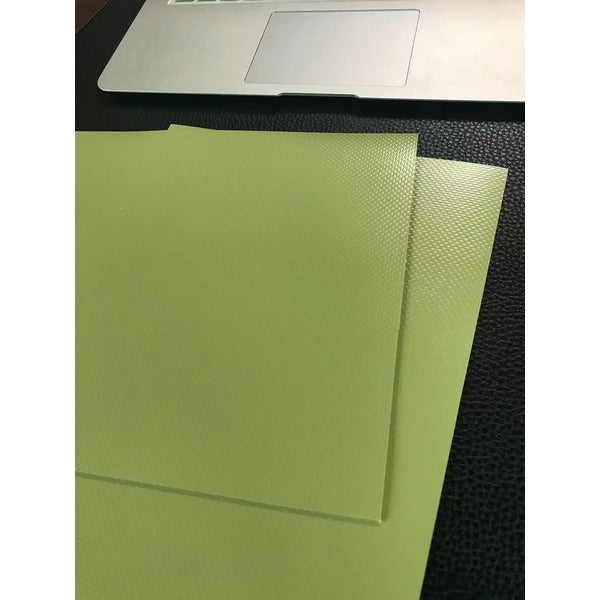
Food-Grade Potable Water Material
Every unit is manufactured from food-grade potable water-safe material the same certification standard required for municipal water storage infrastructure. No harmful chemical leaching, no taste transfer, no contamination risk from the container itself. In remote areas where water testing capacity may be limited, having a certified food-safe container removes one critical variable from the water safety equation.
UV-Resistant Outdoor Construction
Remote deployment means prolonged outdoor exposure. The bladder's UV-resistant construction protects the material integrity through seasons of sun exposure a critical feature for semi-permanent installations in agricultural remote areas, village supply points, and field bases that may run for months or years in the same location.
Minutes to Deploy — No Tools, No Foundation
From transport to operational: unfold on any reasonably flat ground, connect the inlet hose, and fill. The quick setup requires no tools, no civil works, no specialist labour. In disaster response and humanitarian contexts where every hour before water access matters, this speed is not a convenience — it is a life-saving capability.
Compact Folded Form for Any Transport Method
When empty, the onion bladder folds to a fraction of its filled size loadable onto flatbed trucks, pickup beds, cargo aircraft, or boats. The compact transport profile enables forward staging: units can be pre-positioned in regional hubs and deployed by whatever transport is available when a crisis or operational requirement arises.
9 Standard Sizes — 200L to 10,000L
The capacity range covers every remote area application from a small field team's daily supply (200L) to a village distribution point (5,000–10,000L). Multiple units can be deployed together at a single site to create larger combined storage capacity without requiring custom manufacturing.
Who Relies on Onion-Shape Potable Water Tanks in Remote Areas
Remote Village Water Supply — Where no piped supply reaches, a 5,000L or 10,000L onion tank at the village centre, filled weekly by tanker truck, provides a reliable community drinking water point.
Disaster Relief Operations — Post-earthquake, post-flood, and conflict-displacement responses require fast water deployment. The onion tank's transport profile and setup speed make it the standard specification for humanitarian logistics teams worldwide.
Remote Construction and Mining Camps — Worksites in deserts, mountains, and jungles need drinking water for dozens or hundreds of workers, with supply managed entirely off-grid. The onion tank's capacity range and food-grade safety make it the right tool for the job.
Military Field Operations — Forward operating bases and patrol bases need water that moves with the operation. The onion tank's rollable transport and rapid deployment meet the pace of military tempo in remote theatre environments.
Marine and Offshore Operations — Vessels, offshore platforms, and remote island installations use onion tanks as supplementary or primary freshwater reserves, deployed on deck or ashore without any structural modification.
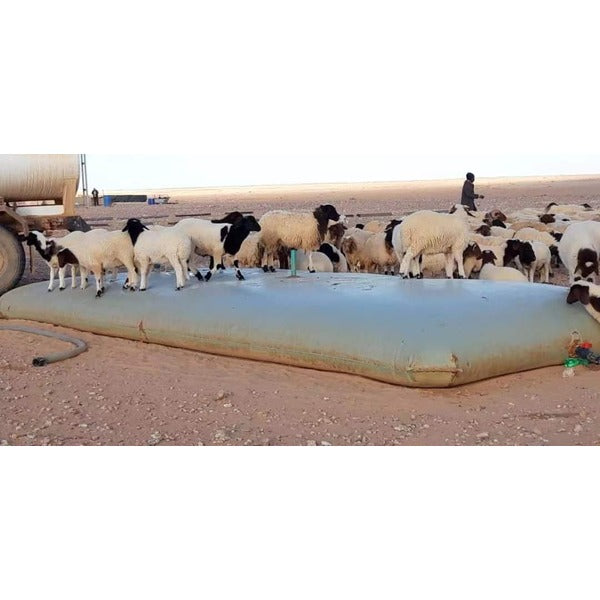
Remote Agricultural and Livestock Operations — Farms and grazing operations beyond infrastructure use large-capacity onion tanks as the primary water supply for both animals and workers across seasonal operational cycles.
Available Sizes
|
Capacity |
Top Diameter |
Bottom Diameter |
Height |
|
200L |
35 cm |
80 cm |
80 cm |
|
500L |
60 cm |
110 cm |
80 cm |
|
1,000L |
80 cm |
140 cm |
100 cm |
|
1,500L |
100 cm |
160 cm |
110 cm |
|
2,000L |
120 cm |
180 cm |
120 cm |
|
3,000L |
130 cm |
200 cm |
140 cm |
|
4,000L |
130 cm |
240 cm |
145 cm |
|
5,000L |
140 cm |
280 cm |
140 cm |
|
10,000L |
240 cm |
360 cm |
140 cm |
Product Specifications
|
Specification |
Details |
|
Brand |
RAINBOW |
|
Model |
KSD-001 |
|
Material |
Food-grade potable water-safe flexible material |
|
Water Type |
Drinking / potable water |
|
Structure |
Self-supporting onion shape |
|
Design |
Flexible and collapsible |
|
UV Resistant |
Yes |
|
Storage When Empty |
Compact folded form |
|
Capacity Range |
200L – 10,000L |
|
Customization |
Color, thickness, capacity, OEM/ODM |
|
Price |
$62.00 – $280.00 USD |
|
Warranty |
24 months |
Portable vs. Fixed Storage — Remote Area Comparison
|
Feature |
Onion-Shape Potable Bladder |
Concrete Cistern |
Rigid Plastic Tank |
|
Remote Deployment |
✅ Ideal |
❌ Not practical |
⚠️ Difficult |
|
Drinking Water Safety |
✅ Food-grade certified |
❌ Requires lining |
⚠️ Depends on material |
|
Setup Time |
✅ Minutes |
❌ Days/Weeks |
⚠️ Hours |
|
Transport Method |
✅ Any — truck, air, boat |
❌ Impossible |
⚠️ Heavy vehicle only |
|
Self-Supporting |
✅ No frame needed |
✅ Yes |
✅ Yes |
|
Relocatable |
✅ Yes |
❌ No |
⚠️ Limited |
|
Emergency Deployment |
✅ Excellent |
❌ Not feasible |
⚠️ Moderate |
|
Cost |
✅ From $62.00 |
❌ Very high |
⚠️ High |
|
Custom Capacities |
✅ Available |
❌ Complex |
⚠️ Limited |

FAQ
Q1: Is the food-grade material certification suitable for long-term drinking water storage in remote areas? Yes — the food-grade potable water-safe material is certified for prolonged contact with drinking water without chemical leaching or taste transfer, making it appropriate for both short-term emergency deployment and long-term semi-permanent remote area water supply points.
Q2: How stable is the onion shape on uneven or unprepared ground? The self-supporting dome geometry distributes water weight evenly across the base, providing reliable stability on most field surfaces without requiring a prepared foundation for significantly uneven terrain, a simple levelling layer of compacted soil or sand beneath the base is recommended.
Q3: Can the tank be transported by helicopter for emergency deployment to inaccessible areas? Yes — when empty and folded, even the largest standard 10,000L unit has a compact transport profile compatible with helicopter cargo sling or internal loading operations for remote emergency water deployment.
Q4: How many people can a 5,000L onion tank supply, and for how long? At the WHO emergency minimum of 15 litres per person per day, a 5,000L tank supplies 333 people for one day or 47 people for one week for longer supply intervals between tanker refills, multiple units can be deployed together at a single distribution point.
Q5: Can custom colours and capacities be ordered for specific organizational or branding requirements? Yes — RAINBOW offers full OEM and ODM customization including colour, material thickness, capacity, and organizational branding for NGOs, government agencies, and military procurement that require standardized specifications across fleet deployments.
Q6: What is the maintenance requirement for a tank deployed semi-permanently at a remote village water point? Maintenance is minimal: periodic rinsing of the interior when refilling, inspection of the inlet and outlet seals before each refill cycle, and an annual full drain-clean-inspect using a dilute food-safe cleaning solution all tasks manageable by local community members without specialist training.
What Customers Are Saying
⭐⭐⭐⭐⭐ Jean-Pierre M. — Kinshasa, DRC (NGO Field Director) "We deployed thirty 5,000L RAINBOW onion tanks across three remote health facility sites after flooding — every unit was operational within 45 minutes of arrival and the food-grade certification meant no additional water testing was required before distribution began."
⭐⭐⭐⭐⭐ Maj. Sandra K. — Djibouti, East Africa (Military Logistics) "The onion shape's self-stability is its key advantage in field conditions — we've deployed these on everything from rocky desert hardstand to soft sandy ground and they hold shape reliably without any frame assembly requirement."
⭐⭐⭐⭐⭐ Dawit H. — Tigray Region, Ethiopia "Our village has no piped water supply — two 10,000L RAINBOW onion tanks at the village square, filled every five days by the regional water authority truck, now supply clean drinking water to 400 people year-round."
⭐⭐⭐⭐⭐ Carlos V. — Atacama Region, Chile (Mining Operations) "Running a remote exploration camp 120km from the nearest town — four 3,000L RAINBOW onion tanks provide the entire camp's drinking and washing water supply, resupplied weekly by tanker, and the food-grade material means we meet all occupational health water safety requirements."
Case Studies
Case Study 1 — Cyclone Disaster Response, Coastal Mozambique
Following a major cyclone that destroyed water infrastructure across four coastal districts, an international humanitarian organization deployed ninety RAINBOW onion-shape potable water storage bags within 96 hours of the disaster the units ranged from 1,000L to 5,000L and were transported by a combination of road truck and helicopter to communities with no ground access; the food-grade certified bags provided safe drinking water to over 28,000 displaced people across eleven distribution points during the critical first two weeks before any permanent infrastructure restoration could begin, with the compact folded transport profile enabling the entire operation's water storage capacity to be loaded onto four standard cargo flights.
Clean Water Doesn't Require Permanent Infrastructure
The assumption that reliable drinking water access requires permanent, fixed infrastructure has kept clean water out of reach of remote communities for too long. The RAINBOW Flexible Onion-Shape Potable Water Storage Bag proves that safe, high-capacity portable drinking water storage can be deployed anywhere, by anyone, in minutes — and relocated just as fast when the mission or the season demands it.
Food-grade certified. Self-supporting without a frame. Deployable from 200 to 10,000 litres. Transportable by any vehicle in any terrain.
For remote areas, this is what practical water storage looks like. Shop Now