

Lightweight, Foldable & Durable – Your Ultimate Portable Water Tank
Lightweight, Foldable & Durable – Your Ultimate Portable Water Tank
My friend Mark is what I'd call a casual prepper. He's not building a bunker or stockpiling for the apocalypse. He just wants a few weeks of water stored in case a bad storm knocks out power or the city issues a boil advisory.
But he kept running into the same wall.
I don't have room for a bunch of blue jugs, he told me. And those big rigid tanks cost a fortune. Plus, once you put one in, you're stuck with it forever.
He wasn't wrong.
So I started helping him look for a better option. And I learned that choosing the right flexible water tank comes down to asking yourself a few simple questions.

What's a Flexible Water Tank Anyway?
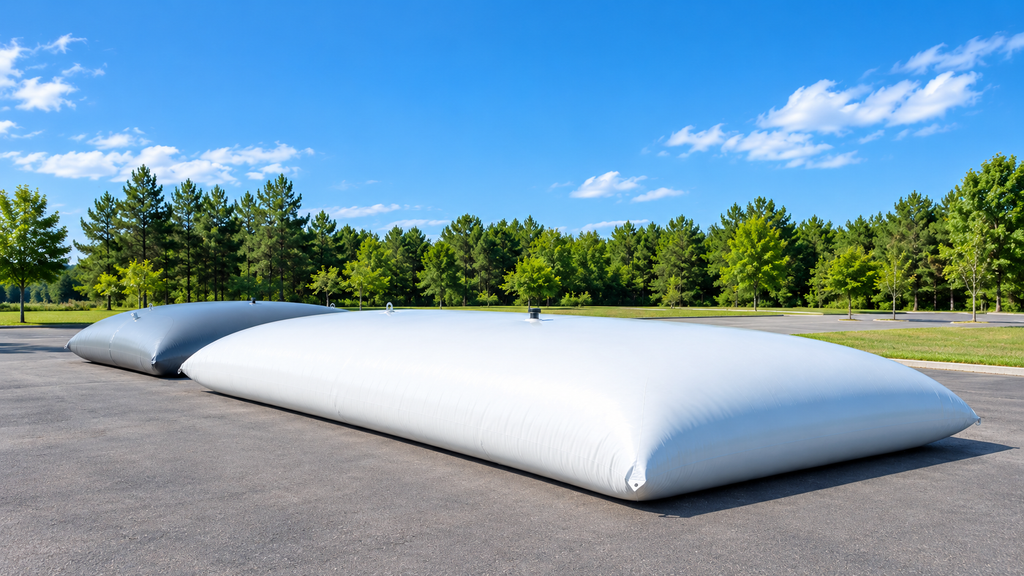
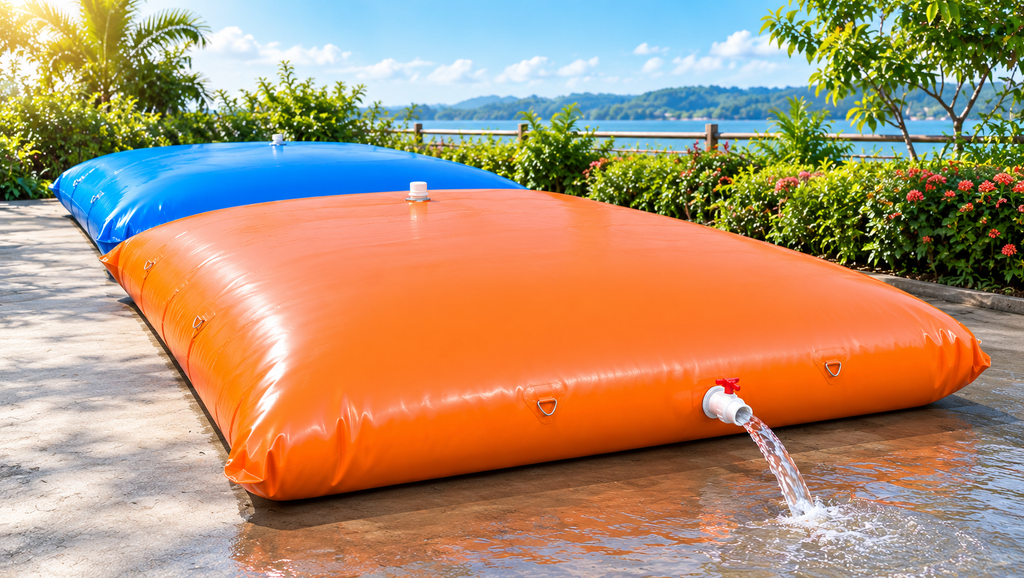
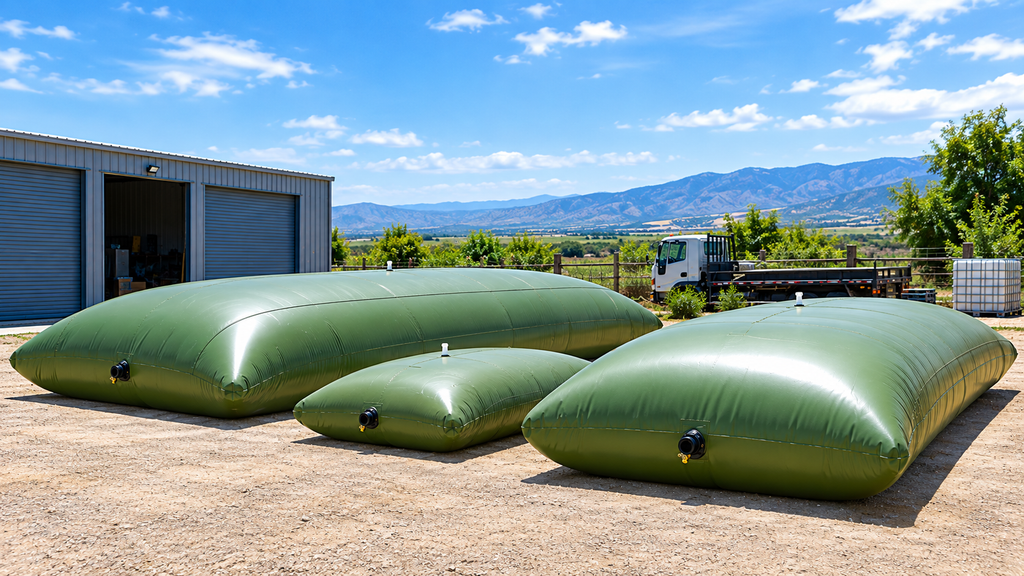
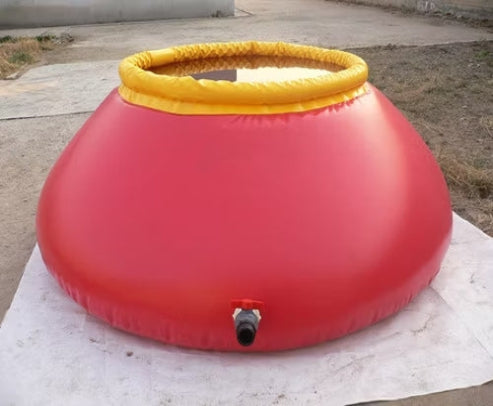
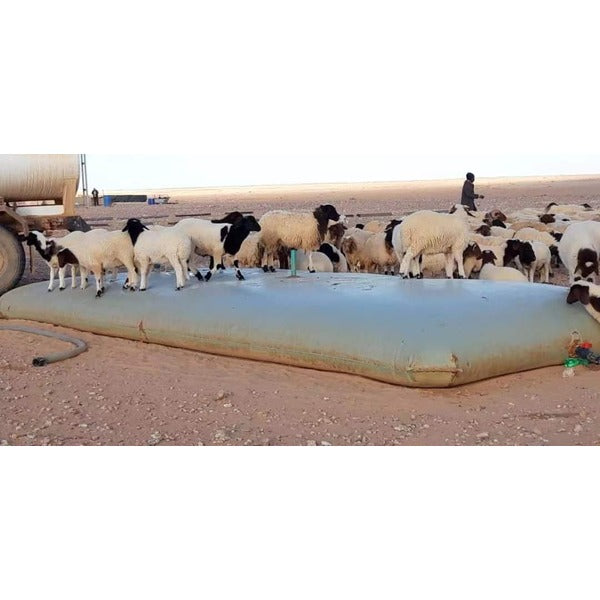
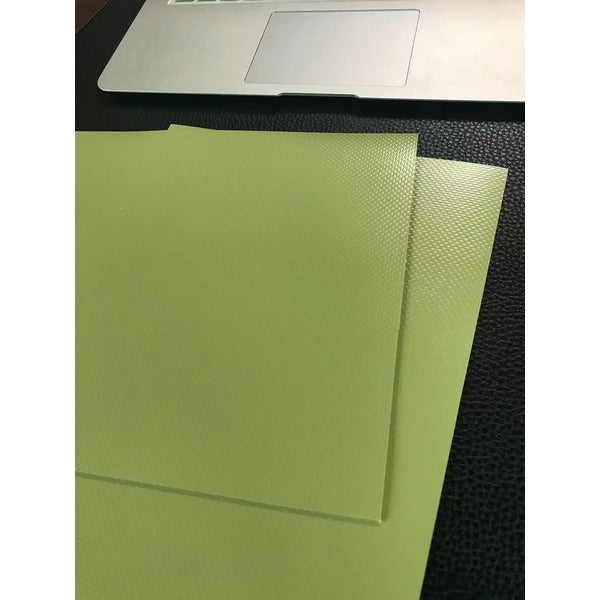
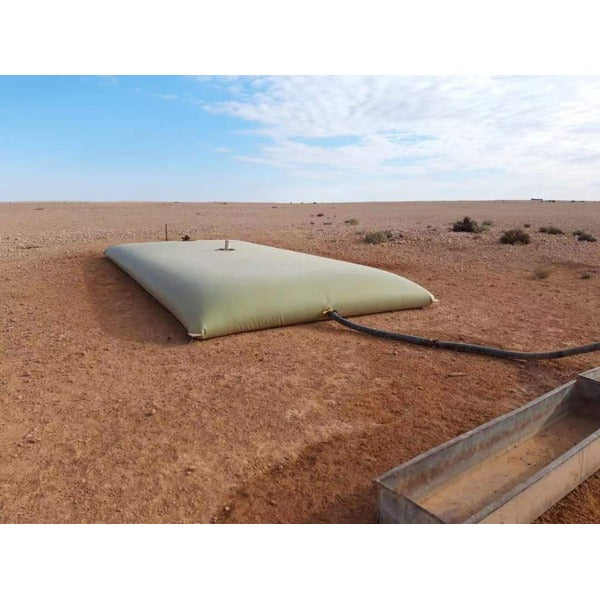
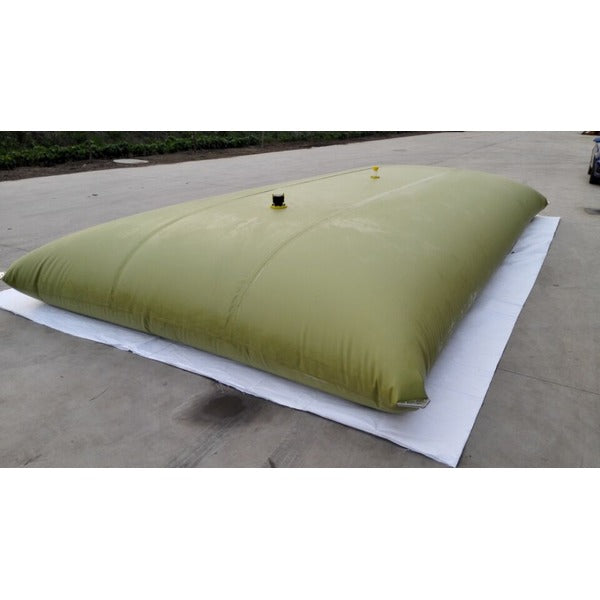
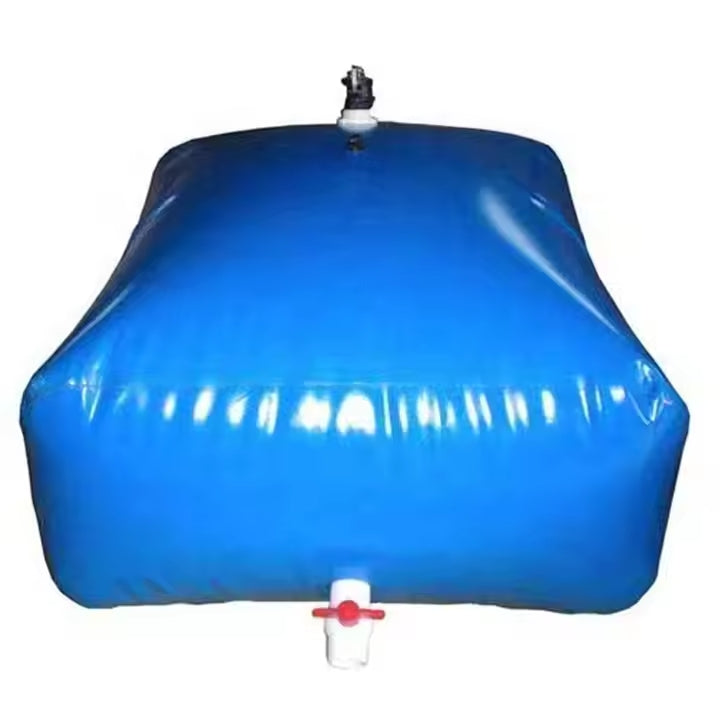
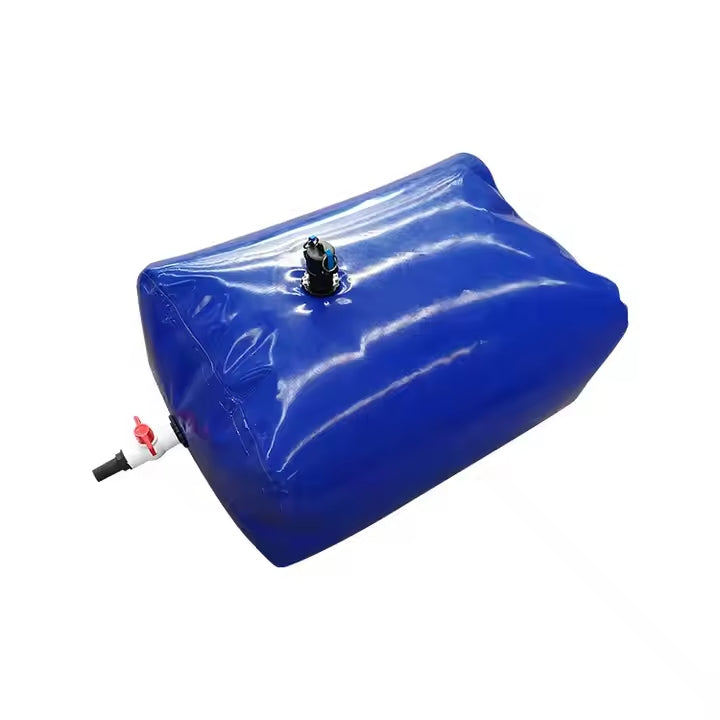
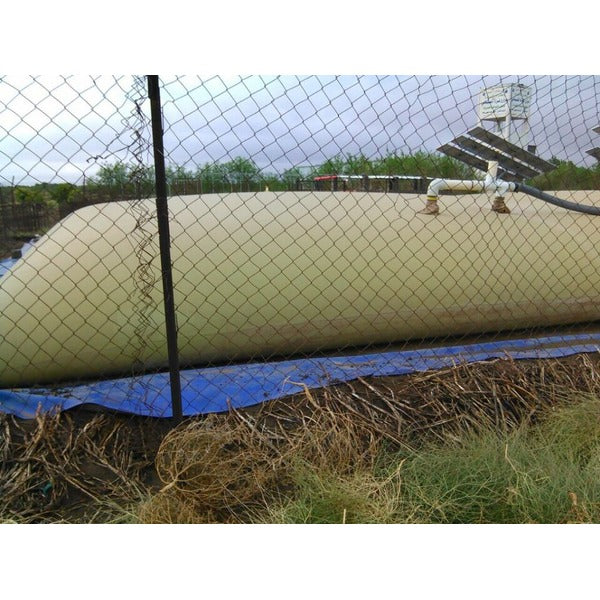
If you've never seen one, picture a heavy-duty pillow made from thick PVC material. When it's empty, it folds up into a roll you could stuff in a closet or throw in the back of a truck. When you fill it with water, it expands into a flat, stable tank that just sits there.
No rigid walls. No permanent footprint. No heavy equipment to move it.
The material is tough. We're talking UV-resistant, puncture-resistant, and able to handle temperatures from freezing cold to desert hot.
Mark's problem was space and permanence. He didn't want a tank taking over his garage. A flexible tank solved both.
How Much Water Do You Actually Need?
This is where most people start, and it's the right place.
For one person, 10 to 20 gallons might be plenty for a weekend camping trip. For a family's emergency supply, 50 to 100 gallons is a good buffer. For a farm with livestock, you're looking at thousands of gallons.
The tank Mark ended up with holds about 50 gallons. That's enough for him and his wife for a couple weeks of drinking and basic needs. Not huge. But big enough to matter.
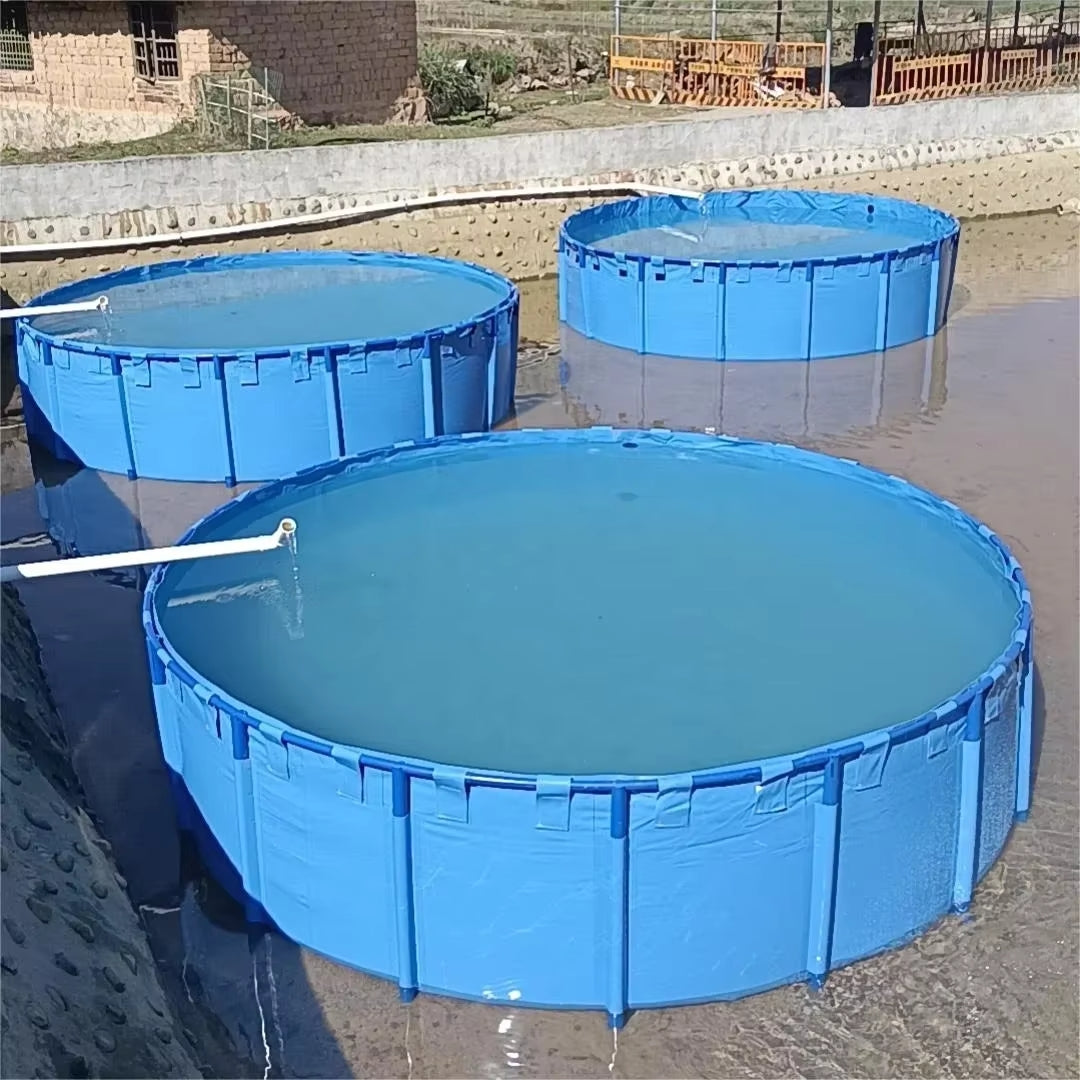
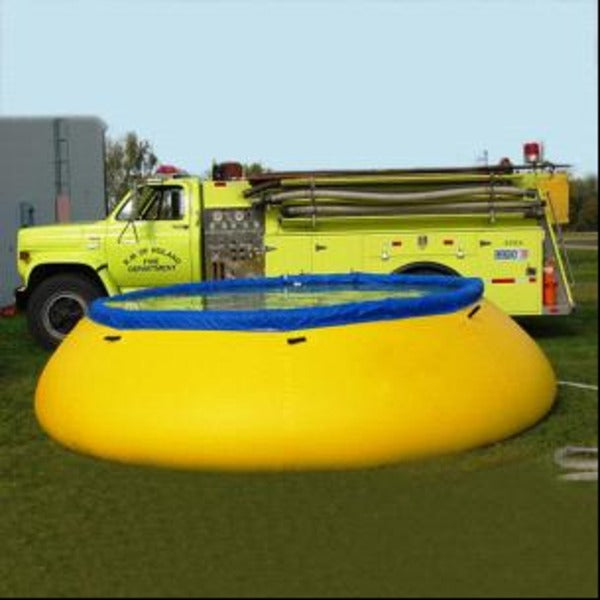
The tanks come in all sizes. Small ones for camping. Medium ones for home emergency storage. Massive ones for farms and disaster relief. Start with your need, then find the size that matches.
Where Will You Put It When It's Full?
A lot of people forget this step. They buy a tank, fill it up, and then realize they have nowhere to put it.
A flexible tank needs a flat surface. No sharp rocks or debris underneath. A basement floor, a garage slab, a level spot in the yard, under a bed, in the back of a truck.
Think about the space you have. A pillow tank is flat and wide. It fits where tall barrels won't. Under a bed. Behind a couch. In a storage bay. On a boat deck.
Mark put him in the corner of his basement. It sits there quietly. Don't tip over. Doesn't roll around.
If you don't have a spot for a full tank, you might want a smaller size or a different shape. Do this thinking before you buy, not after.

What Kind of Water Will You Store?
This one matters more than people think.
If you're storing drinking water, you need a tank made from food-grade material. That means no chemical leaching, no plastic taste, no contamination. Look for FDA or SGS certification.
If you're storing water for livestock or irrigation, the standards are different. Still clean, but the material doesn't need to meet drinking water specs.
Mark's tank is for drinking water. Food-grade PVC. Certified. He fills it from his tap, and it tastes like tap water, not like plastic.
I know someone who tried to use a cheap tarp-style pool for drinking water storage. The water tasted terrible. Don't cut corners on material.
How Will You Fill and Empty It?
A tank is useless if you can't get water in or out easily.
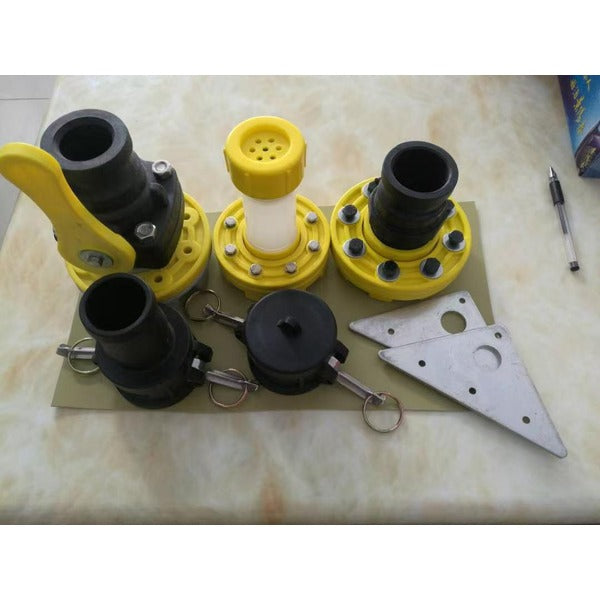
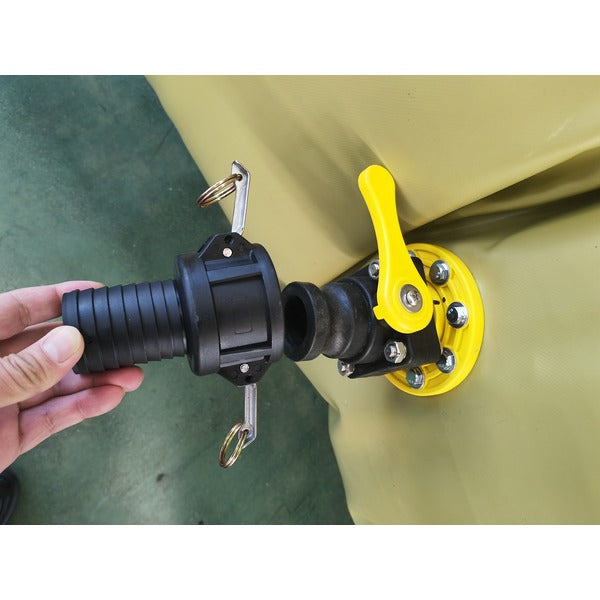
Most flexible tanks have inlet and outlet valves. The inlet is where you connect a hose to fill it. The outlet is where you connect a hose or pump to draw water out.
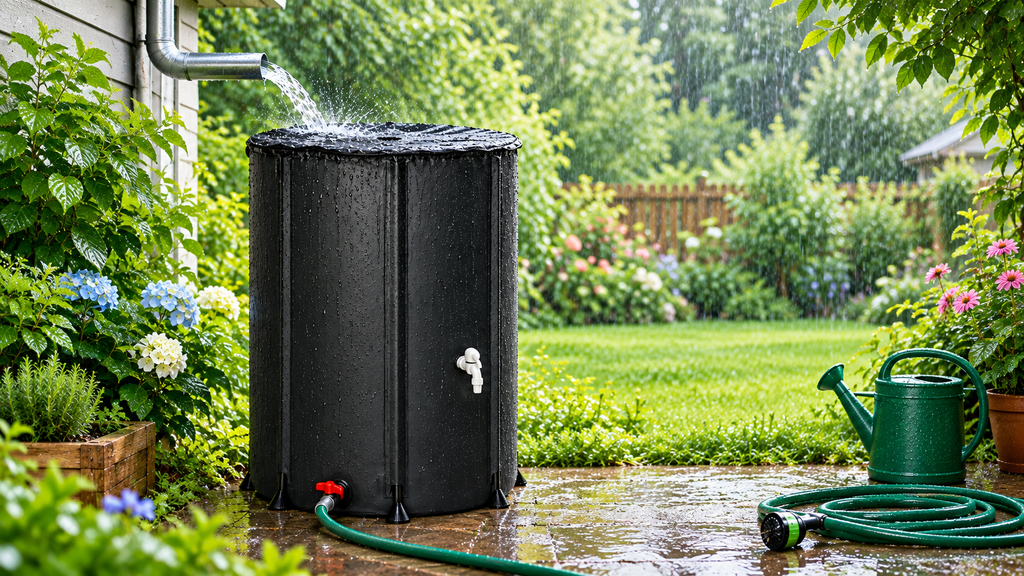
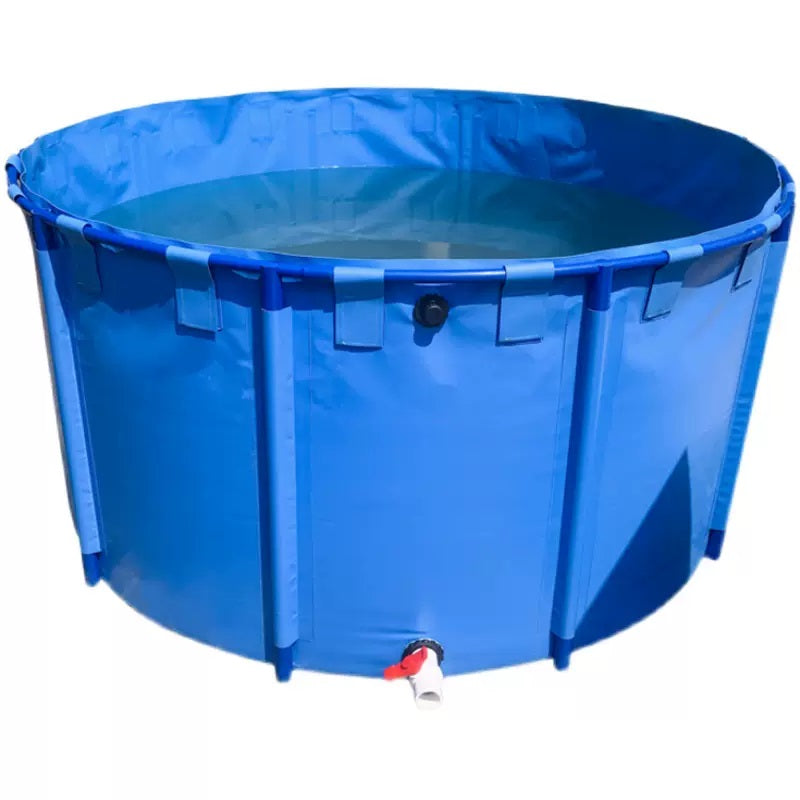
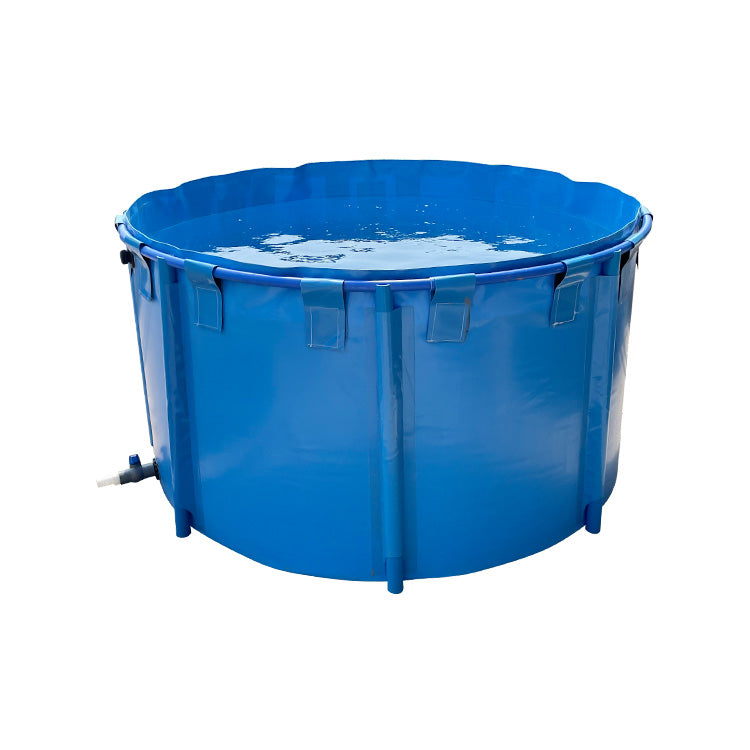
Some have a wide top opening so you can fill with a bucket or collect rainwater. Some have small valves meant for garden hose connections.
Mark's tank has a standard garden hose fitting. He fills it from his basement sink, then connects a short hose to the outlet when he needs water. Simple.
Think about your setup. Will you fill from a tap? A truck? Rainwater? Will you draw water with gravity, a pump, or by scooping? Make sure the tank you buy matches your plan.
How Will You Move It When Empty?
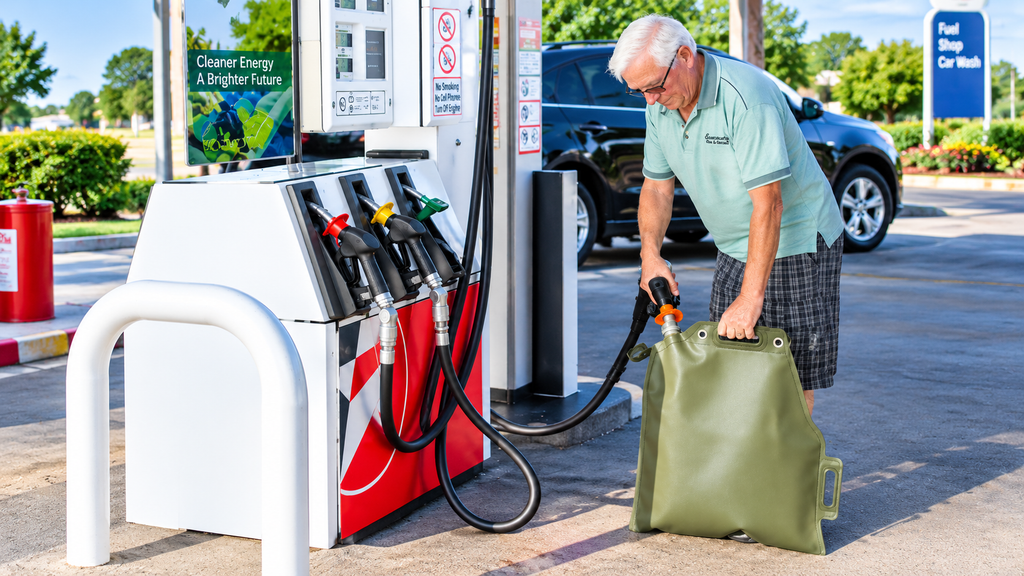
This is the advantage of flexible tanks. When empty, they fold or roll up. You can carry them with one hand. Throw them in a car trunk. Slide them on a high shelf.
Mark's tank folds into a package about the size of a sleeping bag. He keeps it in a storage bin in his basement. When he travels, he throws it in the car.
If you plan to move your tank around from cabin to cabin, from truck to campsite look for one with handles or straps. Makes carrying easier.
Do You Need Certifications?
For drinking water, yes. Look for FDA-approved or food-grade materials. Some tanks also have SGS certification, which is third-party testing.
For non-drinking uses, certifications matter less. But still look for quality materials UV-resistant, temperature-rated, puncture-proof.
Mark's tank is FDA-certified. He wanted peace of mind that the water would stay safe.
Putting It All Together
Mark ended up with a 50-gallon pillow-style flexible tank. Food-grade PVC. Folds flat. Under a hundred bucks.
He keeps it in his basement. When storms come, he fills it. When they pass, he drains it (uses the water for his plants), folds it up, and puts it away.
I don't know why I waited so long, he told me. It's cheap, it's easy, and it doesn't take over my house.
That's the thing about flexible water tanks. They're not complicated. Ask yourself the questions above, and you'll find the right one for your needs.
If you just need emergency water for a small apartment, get a small tank that fits under a bed. If you're outfitting an RV, get a medium tank that fits in a storage bay. If you're running a farm, get a big one for livestock.
The right tank is out there. And once you have it, you'll wonder why you ever messed with blue jugs or rigid barrels.