

How to Maintain a 1000-Gallon Flexible Potable Water Tank
A 1000-gallon flexible potable water tank is a serious piece of infrastructure. Whether it's serving as an emergency household backup, supplying drinking water to a remote construction camp, supporting a humanitarian field operation, or providing high-capacity agricultural water storage, the water inside it is only as safe as the container keeping it clean. And like every piece of field equipment, its long-term performance depends entirely on how well it's maintained.
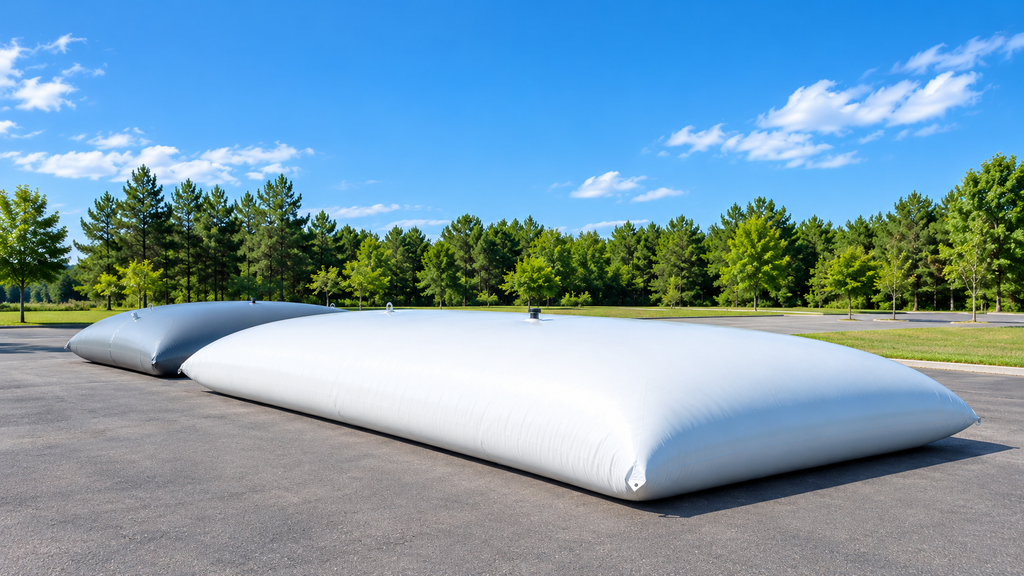
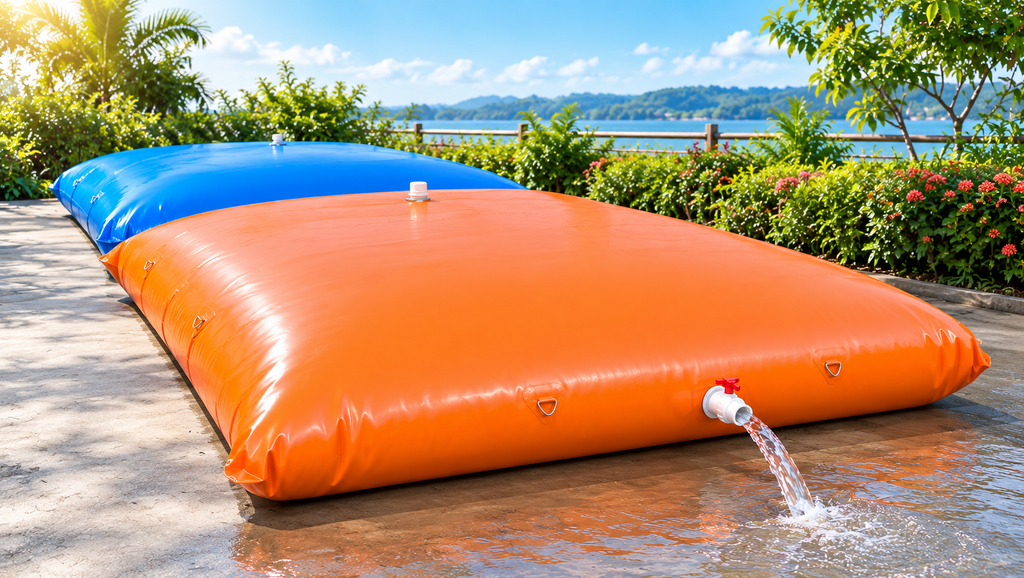
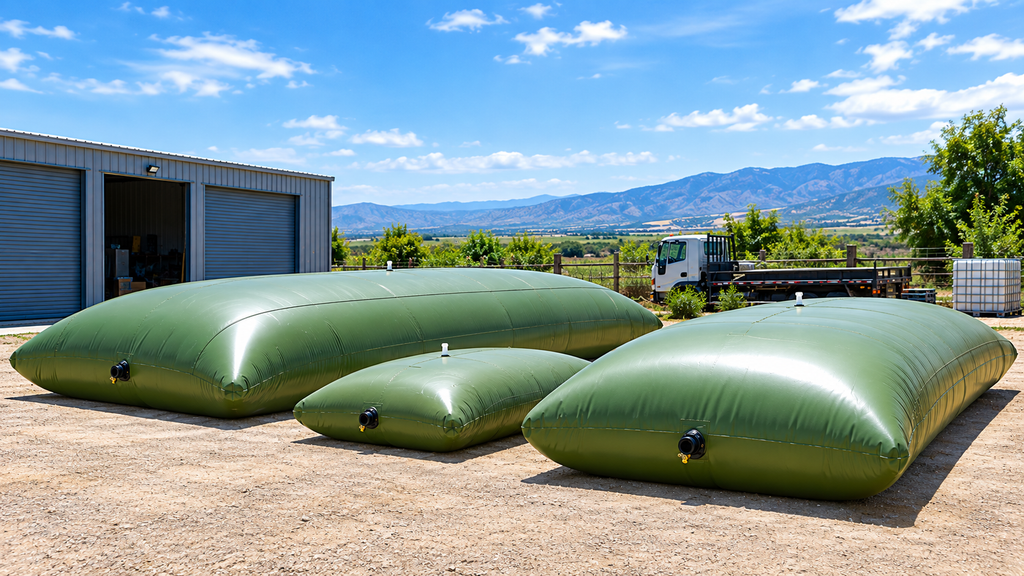
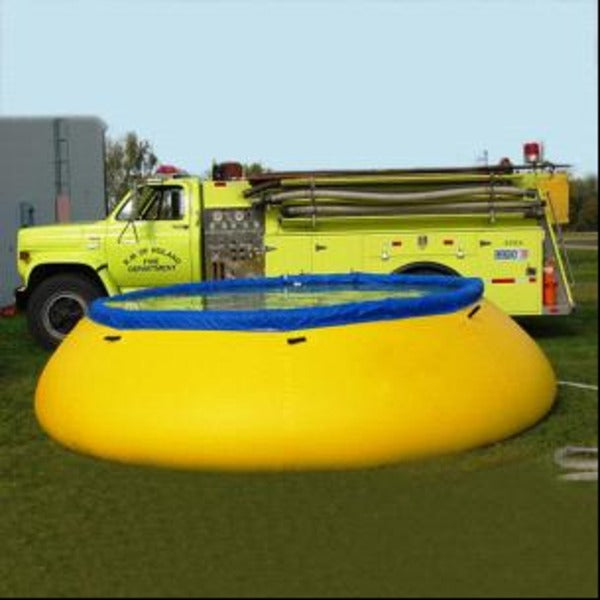
The RAINBOW 1000-Gallon Flexible Potable Water Tank – High-Capacity Storage Bladder, built from food-grade TPU/PVC and rated for UV resistance, corrosion resistance, and temperature tolerance, is engineered for years of reliable service. It's one of the most cost-effective high-capacity potable water storage tanks available but only if maintained correctly. This guide covers everything you need to keep it performing safely and reliably across multiple deployment cycles.

Why Maintenance Matters for a Potable Water Tank
A flexible potable water bladder tank has one non-negotiable requirement that a fuel tank, rainwater barrel, or agricultural water bladder does not: everything inside it must remain safe for human consumption. This changes the maintenance calculus significantly.
Where an agricultural tank might tolerate a thin algae film without operational consequence, a potable water tank cannot. Where a fuel bladder can be inspected annually, a drinking water bladder needs more frequent attention. The food-grade TPU/PVC material keeps the container itself inert and non-contaminating but external biological and chemical factors act on the stored water independently of the container material.
A well-maintained flexible water tank used for drinking water should produce water that is indistinguishable in safety from its source. A neglected one can become a contamination source in its own right.
Step 1: Pre-Deployment Inspection and First Fill
Before every deployment whether new or returning from storage complete a thorough pre-use inspection to confirm the tank is fit for potable water service.
Pre-deployment checklist:
● ✅ Inspect all seams visually for any cracking, delamination, or stress marks
● ✅ Check all valve bodies and fittings for cracks, corrosion, or debris
● ✅ Confirm all rubber gaskets and sealing rings are seated correctly and show no compression set or cracking
● ✅ Perform a clean water pressure test: fill to 25% capacity, check all seams and valve connections for seepage, allow to sit for 2 hours before proceeding to full fill
● ✅ Rinse the interior with a dilute food-safe sanitising solution (sodium hypochlorite at 50–100 ppm) before first use with potable water
● ✅ Drain and rinse the sanitising solution completely before filling with drinking water
This pre-deployment protocol is particularly important for tanks returning from extended storage even in clean conditions, interior surfaces benefit from a sanitising rinse before reactivation.
Step 2: In-Service Water Quality Monitoring
Once deployed and filled, ongoing water quality management is the most important aspect of potable water tank maintenance. The tank material will not contaminate your water but biological growth in stored water can occur if temperature, light exposure, or storage duration exceed safe parameters.
Weekly checks during active deployment:
● Monitor water for any unusual colour, odour, or clarity change these are the first indicators of biological activity in stored water
● Check inlet and outlet valve areas for any seepage, dripping, or mineral deposit buildup
● Confirm the tank remains on a stable, level surface without tilting or base distortion under fill weight
Water treatment guidance:
● For extended storage beyond 72 hours, treat stored water with a food-safe chlorine solution maintaining a residual of 0.5–1.0 ppm free chlorine
● In hot climates where tank surface temperatures may exceed 40°C, reduce storage duration between refills and increase chlorine residual accordingly
● Do not store potable water in the bladder for longer than 7 days without refreshing or retreating with disinfectant
Step 3: Cleaning Between Refill Cycles
Every time the tank is drained for refilling, take the opportunity to clean the interior before the next fill particularly in deployments involving multiple refill cycles over extended periods.
Between-cycle cleaning procedure:
- Drain the tank completely via the outlet valve ensure the tank is fully empty before beginning
- Mix a cleaning solution: 50 litres of clean water + 25ml of food-grade sanitiser (sodium hypochlorite solution, available commercially as potable water treatment tablets or liquid)
- Introduce the cleaning solution through the inlet valve
- Agitate the tank gently if large enough to walk around, rolling or pressing the sides helps distribute the solution across all interior surfaces
- Allow the sanitising solution to contact all interior surfaces for 20–30 minutes
- Drain completely via the outlet valve
- Rinse twice with clean fresh water, draining fully between each rinse
- Verify no sanitiser odour remains before refilling with drinking water
This between-cycle cleaning keeps the interior biologically clean across long-term deployment and prevents the accumulation of mineral scale or organic residue on interior surfaces.
Step 4: Valve and Fitting Maintenance
The valve system is the most mechanically active component of the flexible tank and therefore the area most likely to show wear or develop issues during prolonged deployment.
Outlet valve maintenance:
● Clean the valve body and seat area at each refill cycle using a clean cloth dampened with food-safe sanitising solution
● Inspect the rubber sealing gasket for compression set or cracking at each inspection a gasket that no longer springs back to its original profile when released needs replacement before the next fill
● Operate the valve through its full open-close cycle at each maintenance check to confirm smooth operation and complete seal
Inlet fitting maintenance:
● Remove the inlet fitting cap and inspect the inlet port for debris, mineral deposits, or biological growth
● Clean with a bottle brush and food-safe sanitiser if any buildup is visible
● Confirm the inlet cap seals completely when closed an improperly sealed inlet is a contamination entry point
Step 5: End-of-Deployment Drain, Clean, and Storage
When a deployment ends and the tank needs to be stored or transported, a thorough end-of-deployment protocol protects both the tank's structural integrity and its readiness for the next deployment.
End-of-deployment procedure:
- Final sanitise — perform a full between-cycle cleaning as described in Step 3 before draining for storage
- Complete drain — drain through the outlet valve completely; tip or press the tank to direct remaining water to the outlet
- Air dry — leave the outlet valve open and the inlet cap off for 24–48 hours in a ventilated environment to allow full interior drying before folding
- Fold correctly — fold the tank along its natural crease lines; do not force folds at unnatural angles that stress the TPU/PVC seams
- Protect during storage — store folded in a cool, dry location away from direct UV exposure, sharp objects, and chemical vapors
- Label and date — mark the tank with the date of last full sanitise and the date folded for storage, so the next deployment team knows its status
A tank that goes into storage dirty or wet risks developing mold, bacterial colonies, and material degradation that may not be visible until the next deployment when it's too late.

Common Issues and Solutions
|
Issue |
Likely Cause |
Solution |
|
Unusual odour from stored water |
Biological growth or insufficient chlorination |
Drain, sanitise, refill with correct chlorine residual |
|
Seepage at outlet valve |
Worn gasket or loose valve body |
Replace gasket; tighten valve body fitting |
|
Discolouration of stored water |
Mineral leaching from source water |
Test source water; filter if needed before filling |
|
Tank tilting or distorting when full |
Uneven deployment surface |
Reposition on level, firm ground; add base board if needed |
|
Mold visible on exterior |
Extended wet storage |
Clean exterior with food-safe sanitiser; ensure dry before re-folding |
|
Inlet port debris accumulation |
Uncapped inlet during deployment |
Keep inlet capped when not actively filling |
Product Specifications
|
Specification |
Details |
|
Brand |
|
|
Model |
KSD-001 |
|
Capacity |
1,000 Gallons (264–13,209 gal range) |
|
Material |
Food-grade TPU/PVC fabric |
|
Tank Type |
Flexible pillow-type bladder |
|
Water Safety |
Potable water certified |
|
Installation |
Ground, truck bed, or marine |
|
UV Resistant |
Yes |
|
Corrosion Resistant |
Yes |
|
Foldable |
Yes |
|
Manufacturer Experience |
15+ years |
|
|
|
|
Warranty |
24 months |
What Customers Are Saying
⭐⭐⭐⭐⭐ Dr. Amara K. — Nairobi, Kenya (NGO Water Programme) "We maintain a fleet of twelve RAINBOW 1,000-gallon tanks across three field sites the between-cycle sanitise protocol described here matches exactly what our field hygiene team developed independently, which tells me the tank design was built with this maintenance model in mind."
⭐⭐⭐⭐⭐ Lt. Col. Marcus B. — Ramstein, Germany (Military Logistics) "The pre-deployment pressure test step is the one our maintenance teams were skipping before we had a seam seepage issue in the field now it's mandatory and we haven't had a single field failure since."
⭐⭐⭐⭐⭐ Priya N. — Gujarat, India (Agricultural Water Management) "Used for crop irrigation water storage but the maintenance protocol is the same, the valve gasket inspection advice saved us from a slow drip that would have become a full valve failure within weeks."
⭐⭐⭐⭐⭐ Thomas W. — Auckland, New Zealand (Emergency Management) "Our civil defence water reserve uses four of these tanks in rotation; the end-of-deployment sanitise-and-store protocol means every tank is ready to deploy within hours when needed, not days."
Case Studies
Case Study 1 — Multi-Site Emergency Water Reserve, Queensland, Australia
A state emergency management agency deployed a rotating fleet of RAINBOW 1,000-gallon flexible potable water tanks across twelve regional emergency staging points, implementing a standardised maintenance protocol that included pre-deployment pressure testing, between-cycle sanitisation after every refill, and a full end-of-deployment clean before long-term storage; over a three-year period with forty-six individual tank activations across flood, fire, and infrastructure failure events, zero water quality failures were recorded the maintenance protocol was credited as the primary factor in achieving 100% potable water compliance across all deployments.
FAQ
Q1: How often should a potable water bladder tank be fully sanitised between deployments? Every tank should be fully sanitised with a food-safe chlorine solution before each new deployment regardless of how clean it appeared when stored to eliminate any biological activity that may have developed during the storage period.
Q2: What chlorine concentration is safe and effective for sanitising a potable water tank interior? A solution of 50–100 ppm sodium hypochlorite for a 20–30 minute contact time is the standard food-safe sanitising protocol for potable water storage containers this concentration sanitises effectively without leaving harmful residue if rinsed twice afterward with clean water.
Q3: Can the TPU/PVC material degrade and contaminate stored drinking water over time? No — food-grade TPU/PVC is inert and certified for prolonged contact with potable water without chemical leaching; the material itself does not contaminate stored water, even after multiple years of deployment and storage cycles.
Q4: How should the tank be handled if it develops a small puncture or seam leak in the field? Minor punctures in TPU/PVC bladder tanks can be repaired using food-safe flexible PVC repair patches available commercially; drain the tank fully, allow the repair area to dry completely, apply the patch per the manufacturer's instructions, allow cure time, and perform a pressure test before refilling with drinking water.
Q5: Is it safe to store the tank folded for extended periods between deployments? Yes — provided the tank has been fully sanitised, drained, and air-dried before folding, it can be stored in a folded state for months or years without material degradation; ensure storage is in a cool, dry location away from UV exposure and chemical vapors.
Q6: What is the maximum temperature at which potable water can be safely stored in this tank? The tank material is rated to handle high temperatures, but water quality considerations limit practical storage at elevated temperatures in ambient conditions above 35° C. Store water for no more than 48–72 hours without refreshing or retreating with chlorine, as warm water accelerates bacterial growth regardless of container material.

A Maintained Tank Is a Safe Tank
The RAINBOW 1000-Gallon Flexible Potable Water Storage Tank is built to last. Its food-grade TPU/PVC construction, UV resistance, and corrosion-proof material mean the tank itself will not fail your water supply. But a flexible water tank used for drinking water demands a level of maintenance discipline that goes beyond structural checks; it demands water quality stewardship