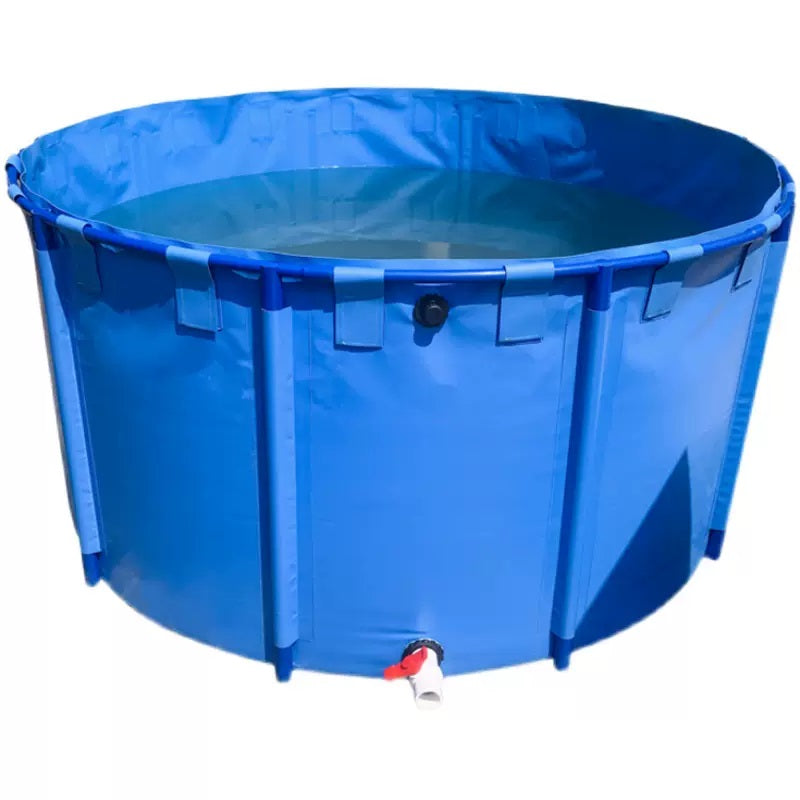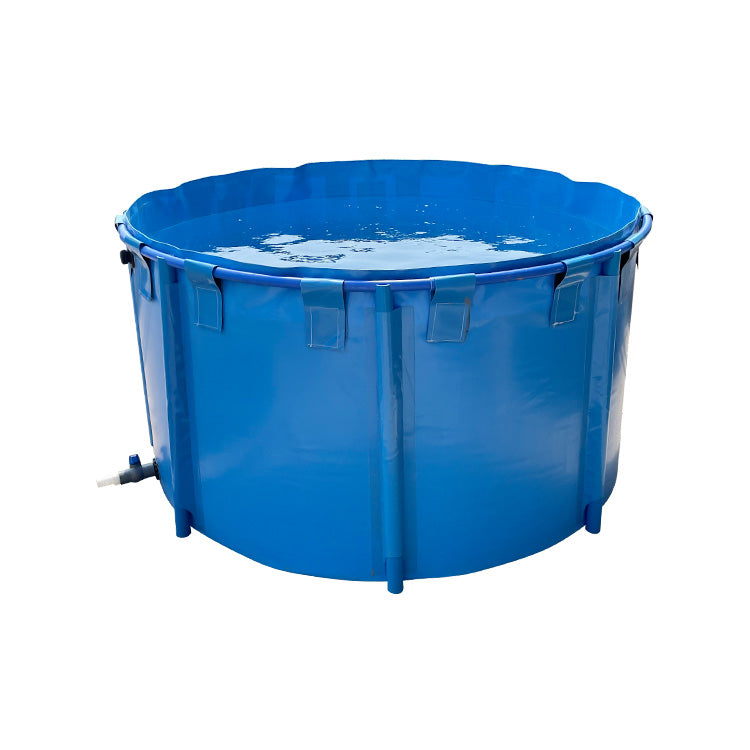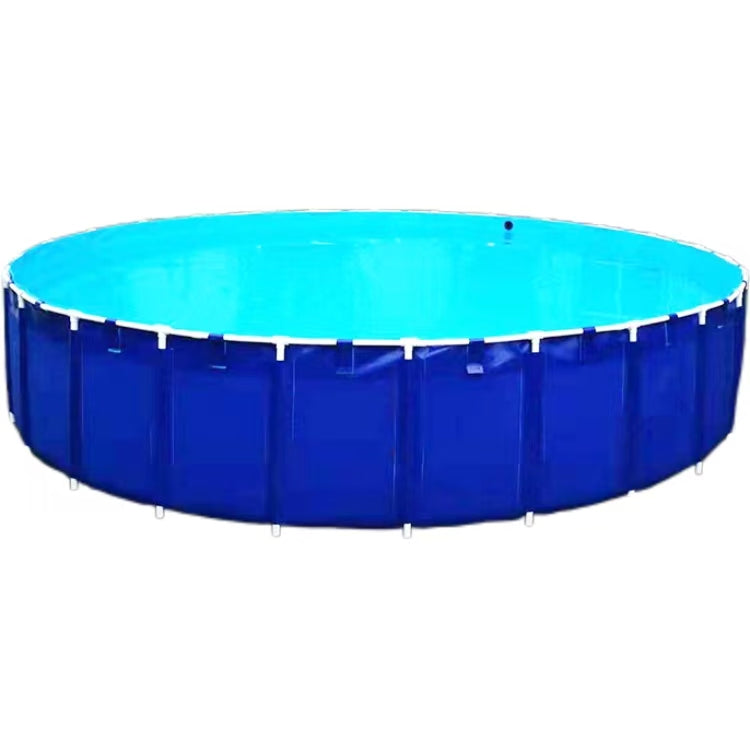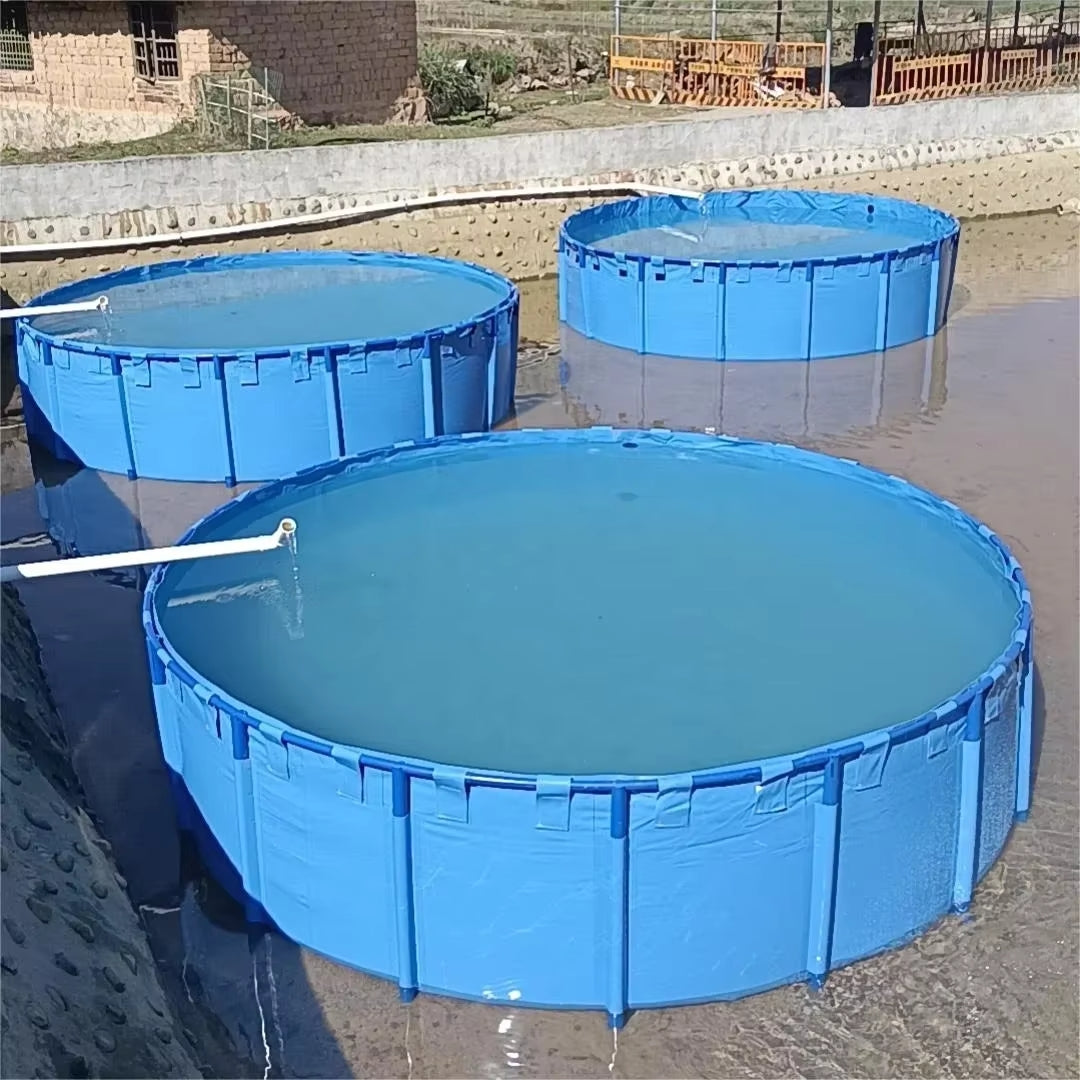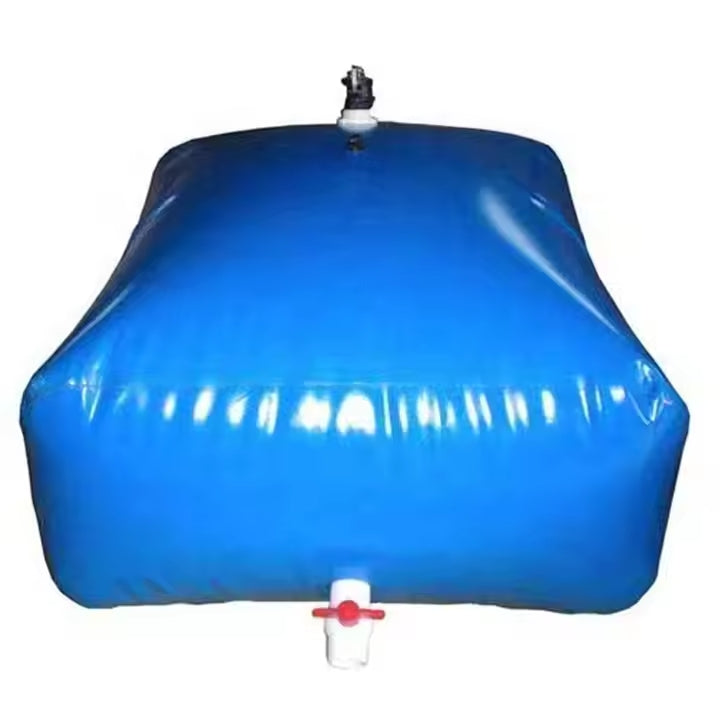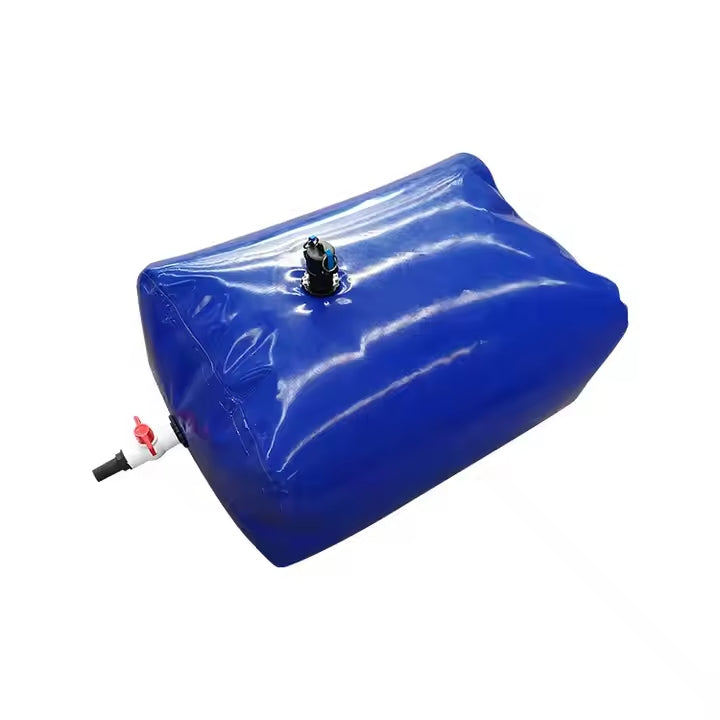


Flexible Onion-Shape Water Tank – Budget-Friendly and Built to Last.
My uncle has a small farm in Virginia. Nothing huge—just some cattle, a few pigs, and a garden that feeds his family through summer. A few years ago, he started talking about needing more water storage.
"I'm tired of hauling water to the back pasture every other day," he told me. "The creek dried up again, and the well can't keep up with the cattle."
I asked him why he didn't just buy a water tank.
He laughed. "You seen the prices on those things? A rigid tank big enough to matter costs a fortune. Plus, once I put one in, I'm stuck with it forever. I can't move it when the cattle rotate to a different field."
He wasn't wrong. Traditional water tanks are expensive and permanent. That's when I started looking into flexible water bladders.

What Is a Flexible Drinking Water Bladder?
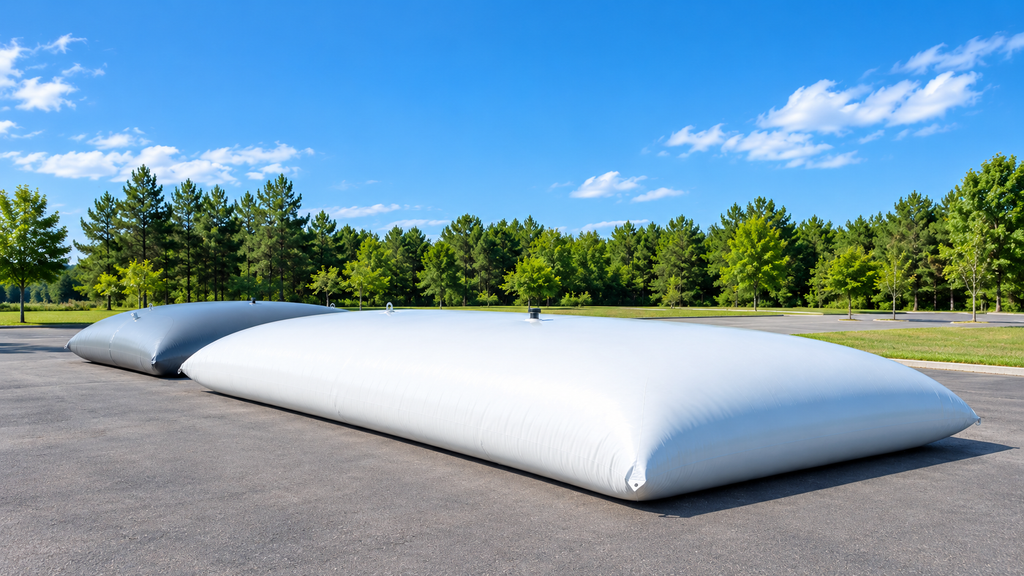
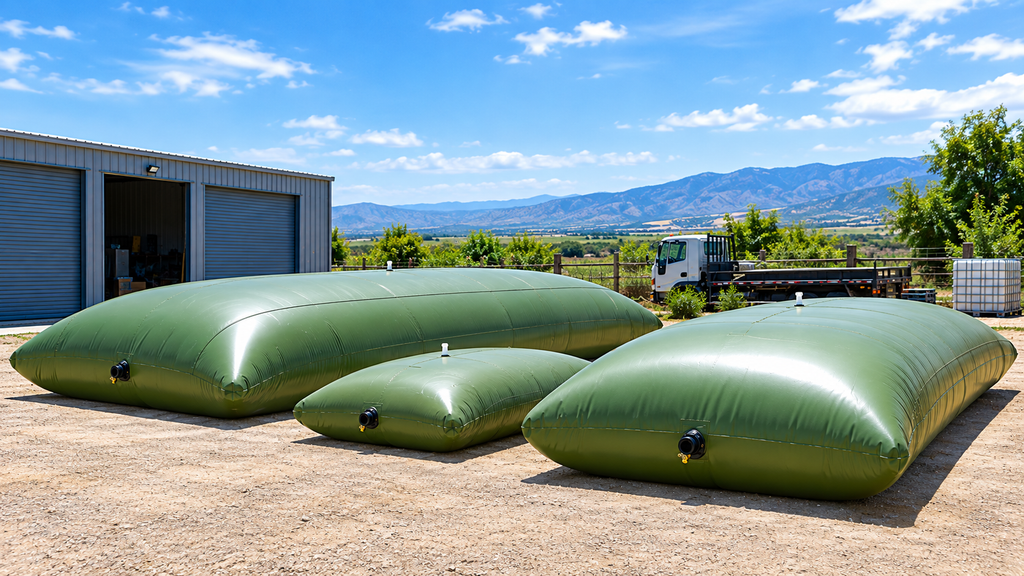
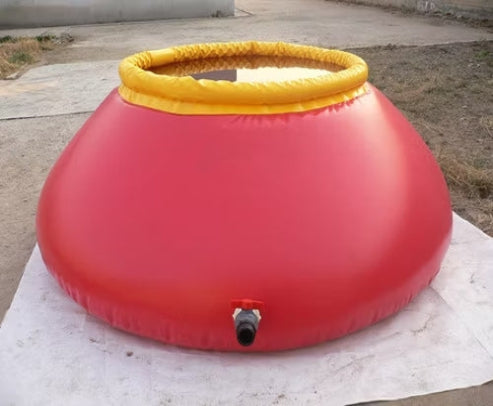
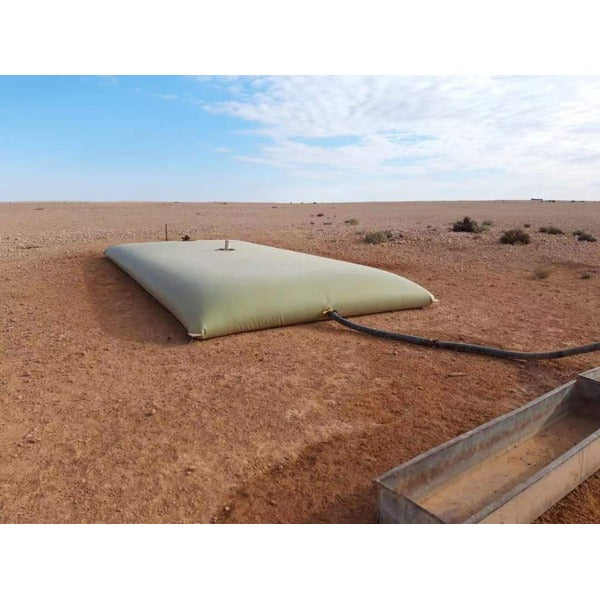
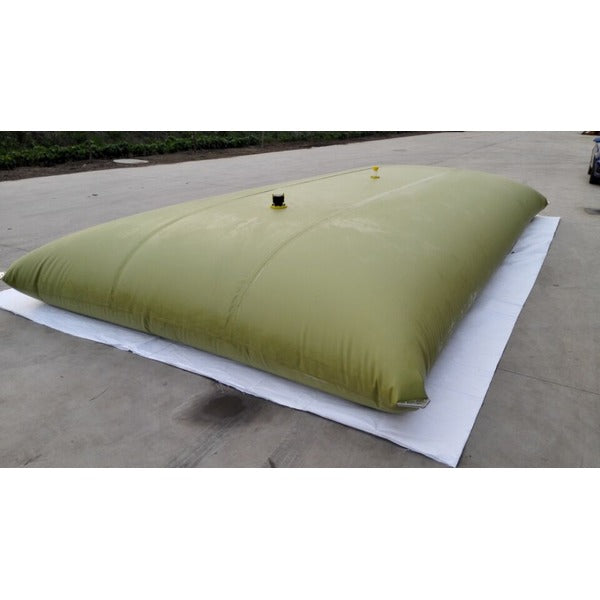
If you've never seen one, picture a giant onion-shaped bag made from thick, food-grade material. When it's empty, it rolls up into a package you can carry with one hand. When you fill it with water, it expands into a self-supporting tank that just sits there. Doesn't tip. Doesn't roll. Just holds water.
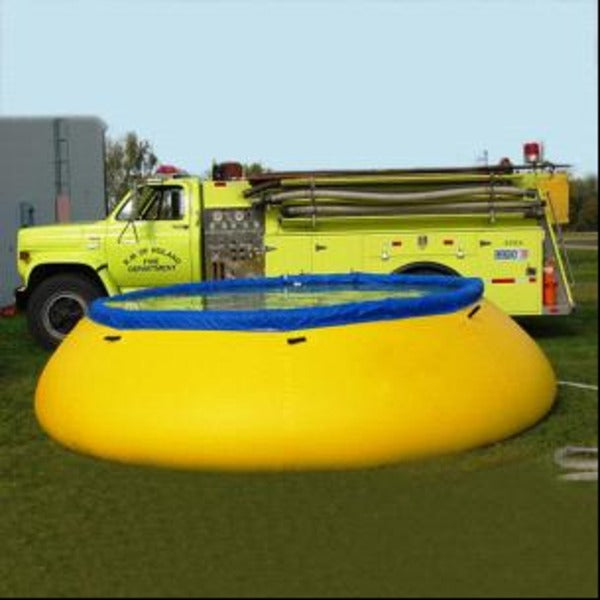
The onion shape isn't just for looks. The wide bottom makes it stable. The narrower top makes filling easier. And because it's flexible, you can roll it up and store it in a shed when you don't need it.
My uncle's problem was that he needed water storage that could move with his cattle. A permanent tank wouldn't work. A flexible bladder? He could set it up in the back pasture, fill it from his truck, and move it when the herd moved to a new field.
Why the Onion Shape Actually Matters
Most water storage is cylindrical or rectangular. Boring. Functional, but boring.
The onion shape is different. It's wider at the bottom than the top. That means when it's full, the center of gravity is low. It doesn't tip over. Even on uneven ground, it stays put.
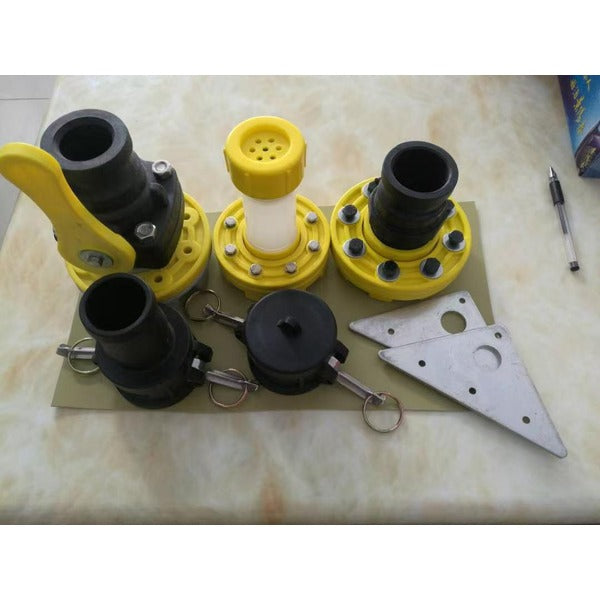
The wide opening on top makes filling easy. You're not trying to pour water into a small hole. You can use a hose, a bucket, or even a gravity feed from a downspout.
And when it's empty? Roll it up. That's it. No empty tank taking up space in your barn or garage for months.
What My Uncle Discovered
He bought a 500-liter bladder to start. Big enough to make a difference, small enough to handle by himself.
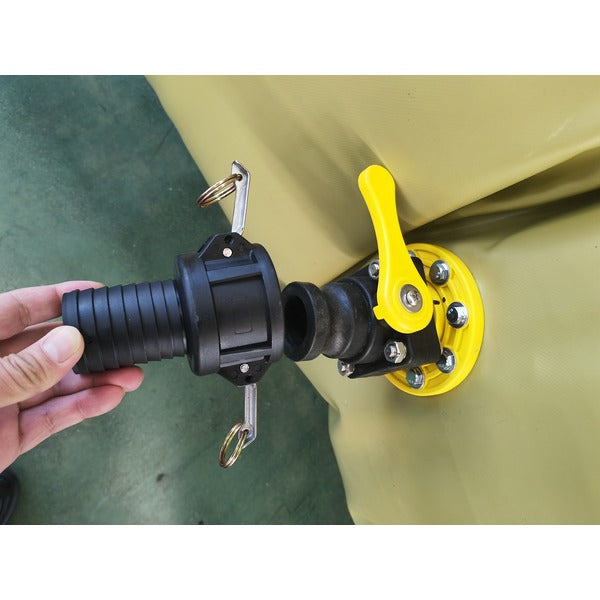
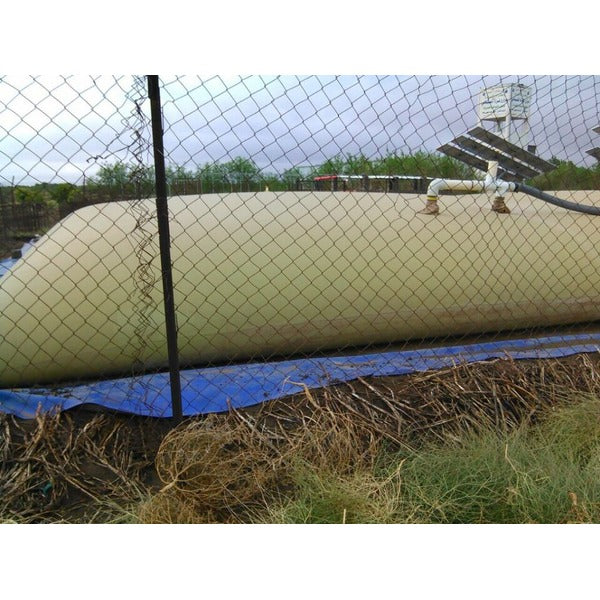
The day it arrived, he unrolled it in his barn. Connected a hose to the inlet and turned on the water. He said it took about fifteen minutes to fill. When it was full, it just sat there. Flat. Stable. Not leaking.
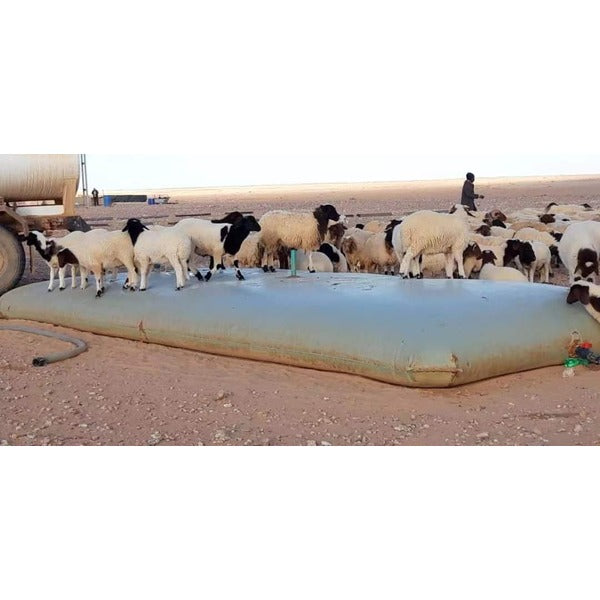
He loaded it onto his flatbed truck and drove it to the back pasture. Set it on the ground, connected a trough, and let the cattle drink.
"When the cows figured it out, they wouldn't leave it alone," he said. "They knew there was water there."
When the herd moved to a different field a few weeks later, he drained the bladder, rolled it back up, and tossed it in the back of his truck. Took maybe twenty minutes total.
The Budget-Friendly Part
This is what really got his attention. A rigid tank of similar capacity would have cost him nearly three times as much. Plus installation. Plus a concrete pad. Plus he'd be stuck with it forever.
The flexible bladder cost a fraction of that. And it came rolled up in a box, delivered right to his farm. No installation crew. No concrete. No permits.
"I spent less on this bladder than I used to spend on diesel hauling water in one summer," he said.
Built to Last
He was worried about durability. A soft-sided water tank? Would it hold up to cattle bumping into it? Would it survive the sun and weather?
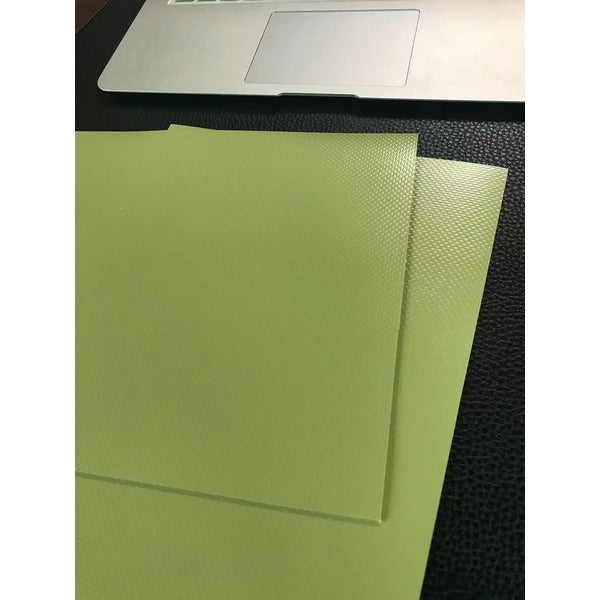
The material is food-grade PVC that's been pressure-tested and stress-tested. It's tough. He's had his for three years now. No leaks. No tears. No cracks.
He does put a tarp underneath to protect against sharp rocks. Common sense. But other than that, the thing just sits there and takes whatever the farm throws at it.

Who Else Uses These?
My uncle's a farmer. But flexible water bladders work for all kinds of people.
Homeowners with limited space. A rigid tank takes up permanent space. A flexible bladder rolls up and stores in a closet.
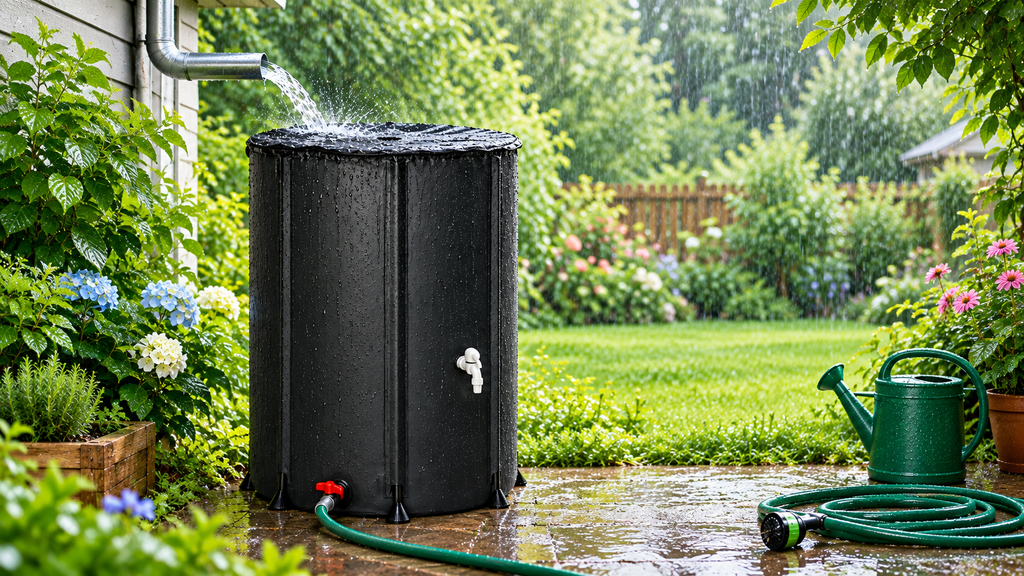
Gardeners. Rainwater is better for plants. A bladder can sit next to your garden, collect rain from a downspout, and provide free water all season.
Renters. You can't install permanent equipment on a property you don't own. A flexible bladder is portable. Set it up when you need it, take it with you when you move.
Emergency preppers. You want water stored, but you don't want your garage looking like a survivalist compound. A bladder sits in a closet until you need it.
Small farms and homesteads. Same as my uncle. Rotational grazing, remote pastures, temporary water needs. Flexible bladders adapt.
The Size Options
They come in all sizes. My uncle started with 500 liters. That's enough for a small herd for several days.
But they go up from there. 1,000 liters. 2,000 liters. All the way to 10,000 liters and beyond. Whatever capacity you need, they can build it.
For a home garden, 200 or 500 liters is plenty. For a farm with livestock, you might want 5,000 or 10,000 liters.
The Bottom Line
My uncle called me a few weeks ago. His garden is in, his cattle are healthy, and he hasn't hauled water in months.
"Best money I've spent on the farm," he said. "It's cheap. It's tough. And when I don't need it, I roll it up and forget about it."
If you're looking for water storage—for your home, your garden, or your farm—don't assume you need an expensive rigid tank. A flexible onion-shape bladder might be exactly what you need. It's budget-friendly, built to last, and disappears when you're done with it.
My uncle's sold on them. And honestly, after seeing his, I got one for my garden too.