

Reliable Emergency Water Supply with Custom Flexible Water Bladders
My cousin works for the Red Cross. She's been deployed to hurricanes, floods, and one memorable earthquake that she still doesn't like to talk about. A couple years ago, at a family barbecue, I asked her what the hardest part of her job is.
I expected her to say something about the long hours or the emotional toll.
"Nope," she said, reaching for another burger. "It's water. Getting clean water to people and keeping it clean once it's there."
She told me about a shelter she worked at after a hurricane. They had tanker trucks full of drinking water, but nowhere to put it once it arrived. The shelter was a high school gymnasium. No storage tanks on site. People were lining up with whatever containers they had coolers, pitchers, empty soda bottles.
We had the water," she said. We just didn't have anything to put it in.
I asked why they didn't bring their own tanks. She gave me a look.
We bring what fits on the trucks, she said. "Rigid tanks take up too much space. We can only fit a few. And once they're empty, they're still taking up space on the way back. It's a logistical nightmare.
That conversation got me thinking. And it made me realize that most people don't think about water storage the way emergency responders do.
The Problem with Traditional Tanks When Things Go Wrong
Traditional water tanks are fine for everyday use. If you're storing water at your farm or your cabin, a steel tank or a plastic barrel works.
But for emergencies? Different story.
They eat up truck space. A rigid tank is the same size empty as it is full. So when you're rushing supplies to a disaster zone, you're hauling a lot of empty space.
They're heavy. Even empty, a steel tank weighs hundreds of pounds. You need equipment to move it. In a disaster zone, forklifts and cranes are hard to come by.
They don't adapt. A 500-gallon tank is a 500-gallon tank. It doesn't squeeze into odd-shaped corners or fit under low ceilings.
They're permanent. Once you put one in place, it's not moving without a lot of effort.
My cousin's team tried using rigid tanks for years. They hated them. Too heavy. Too bulky. Too hard to deploy.

What's a Flexible Water Bladder Anyway?
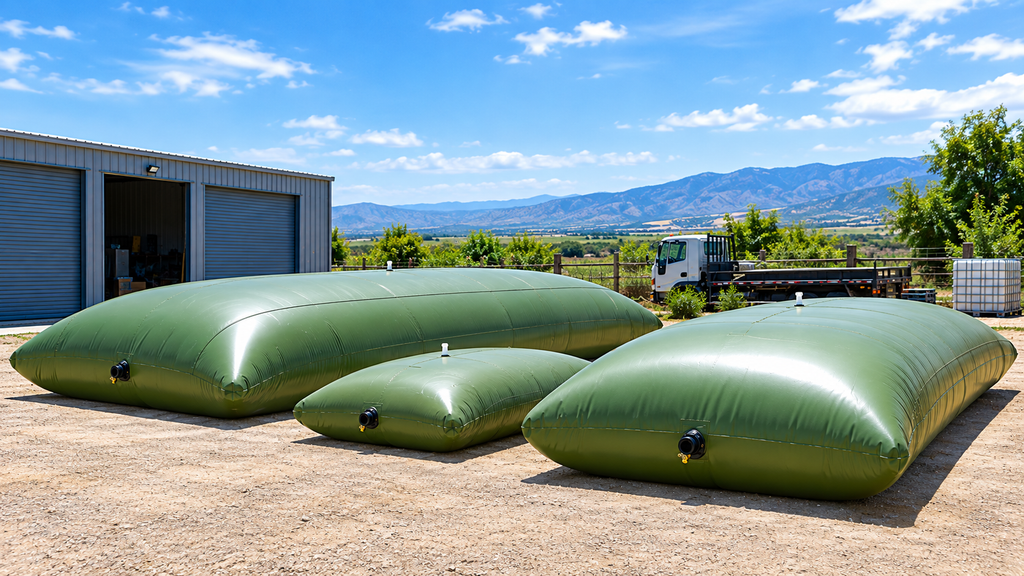
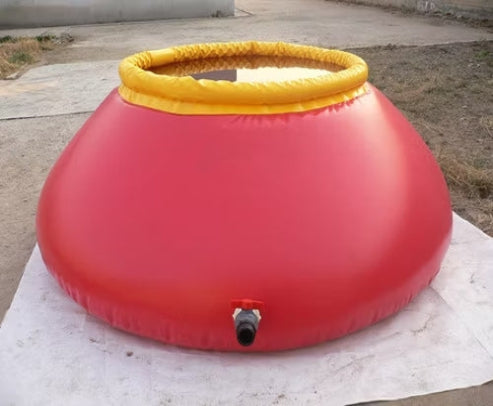
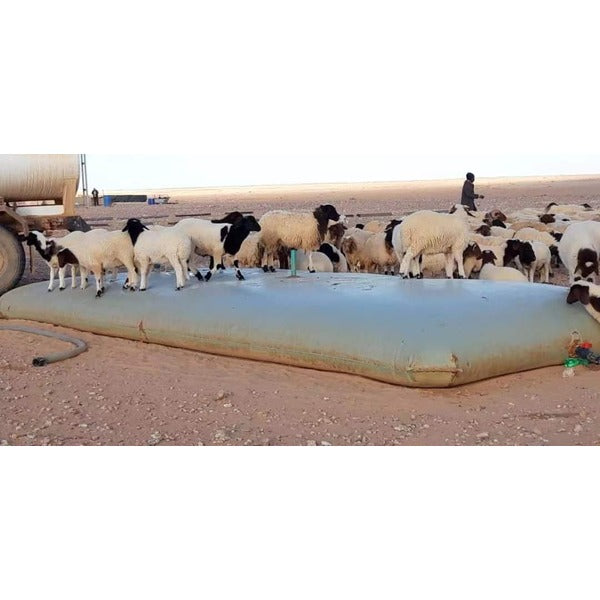
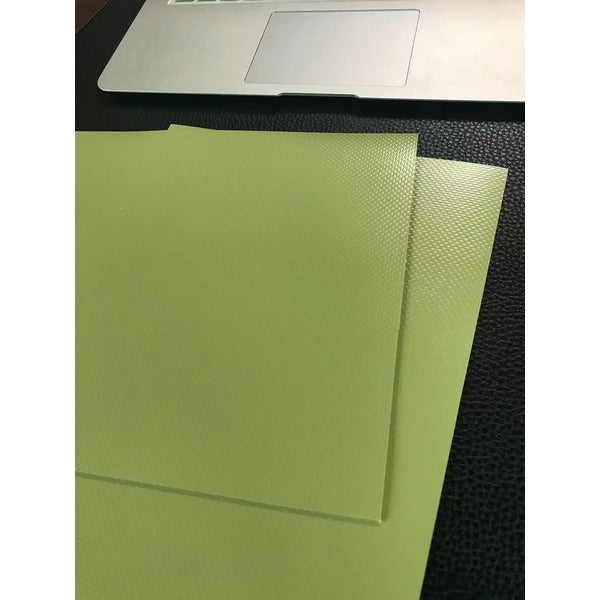
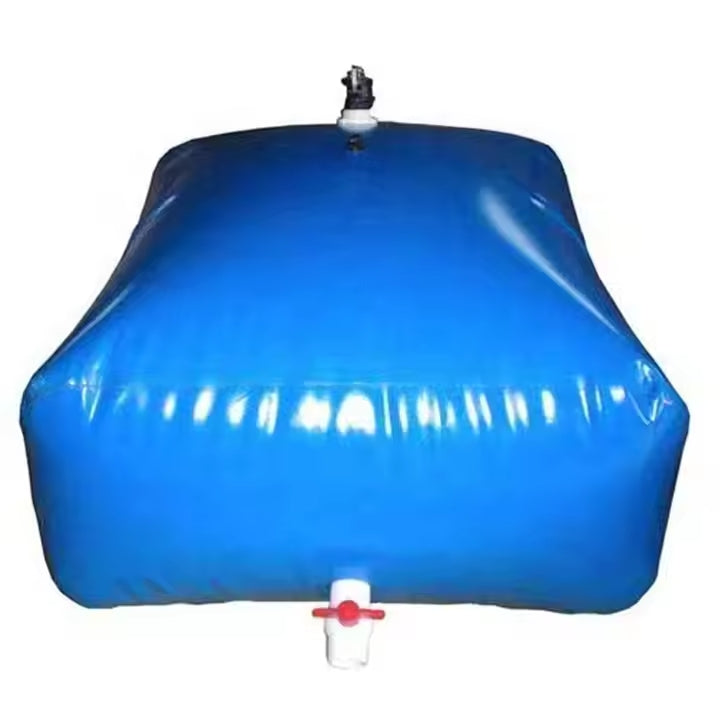
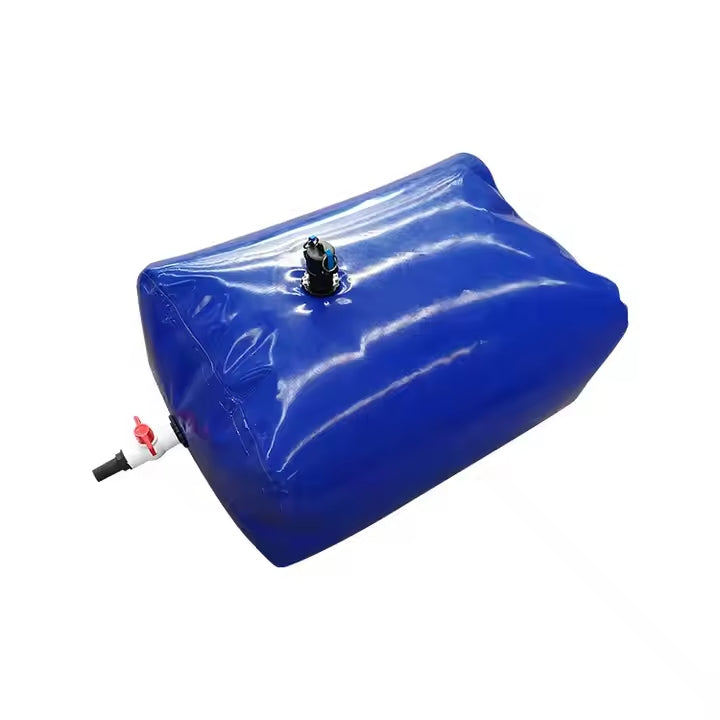
If you've never seen one, don't picture a water balloon. Picture a heavy-duty rectangle made from thick, food-grade material. Same kind of stuff they use for inflatable boats.
When it's empty, it folds up into a package the size of a sleeping bag. You could stack a dozen of them on a single pallet.
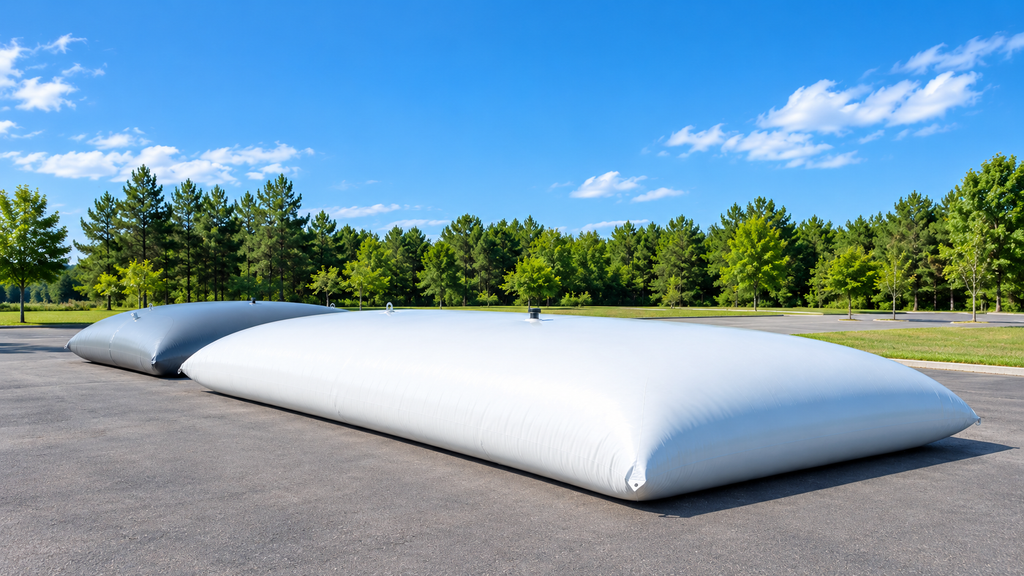
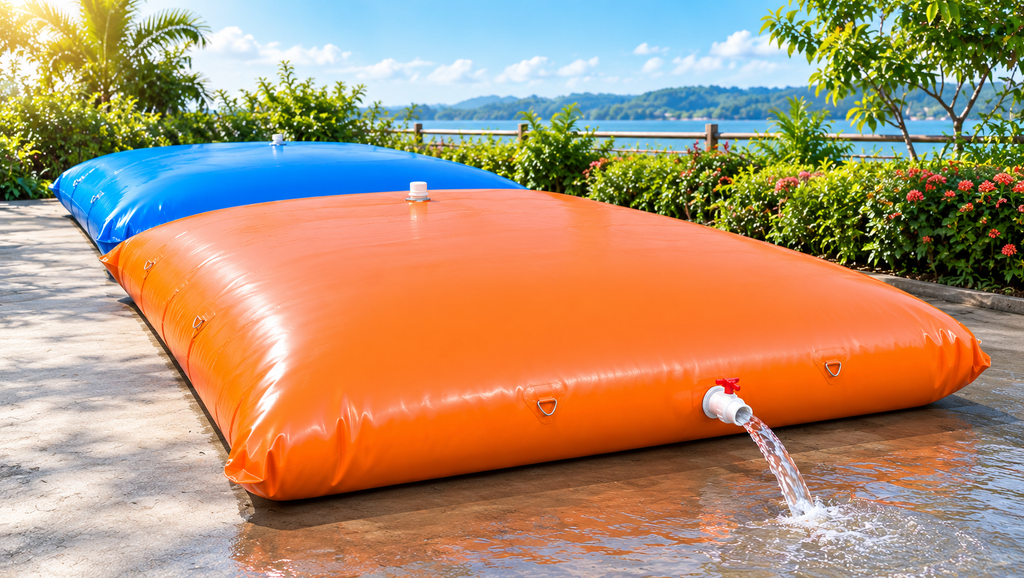
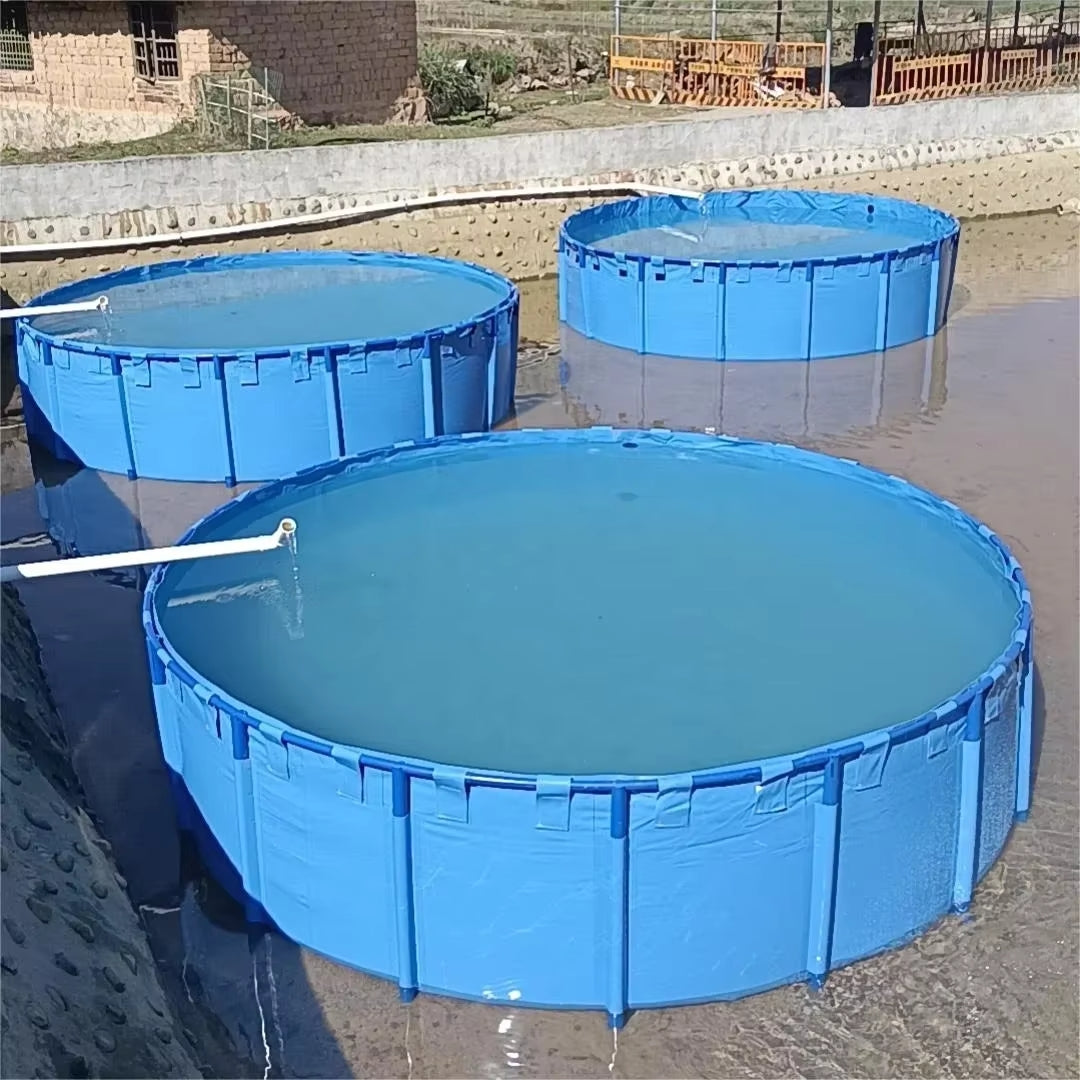
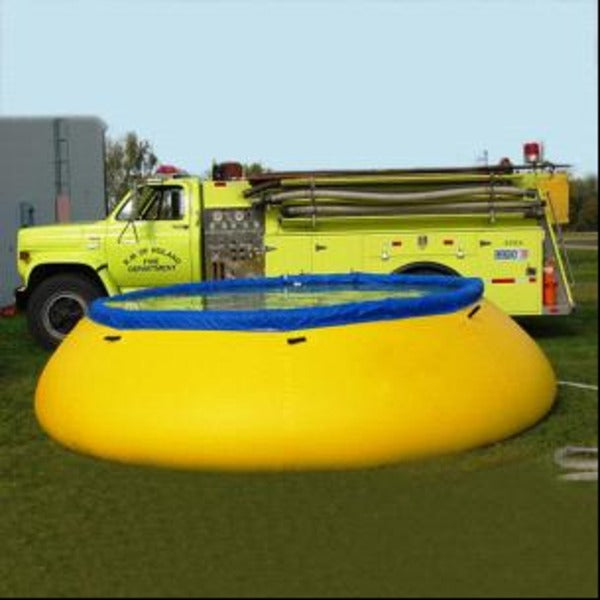
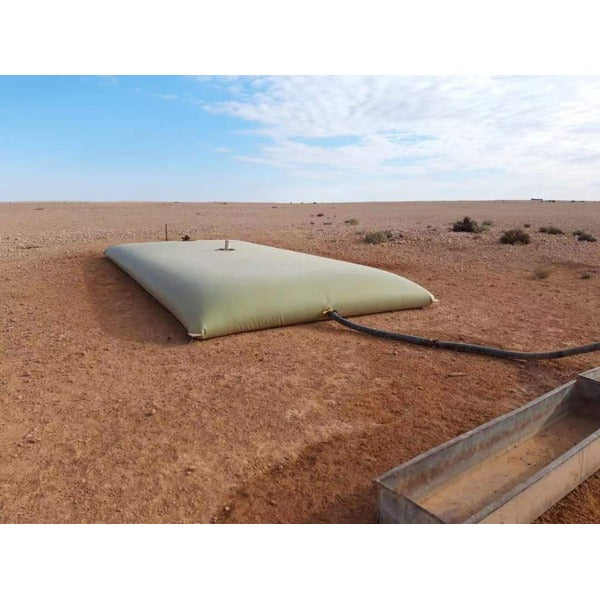
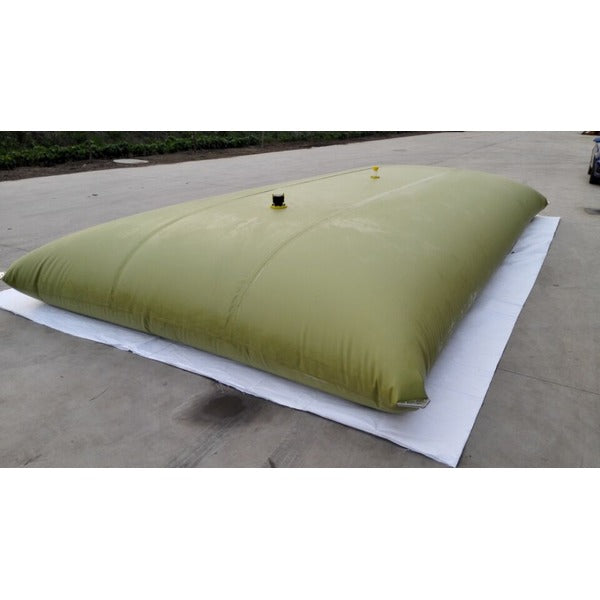
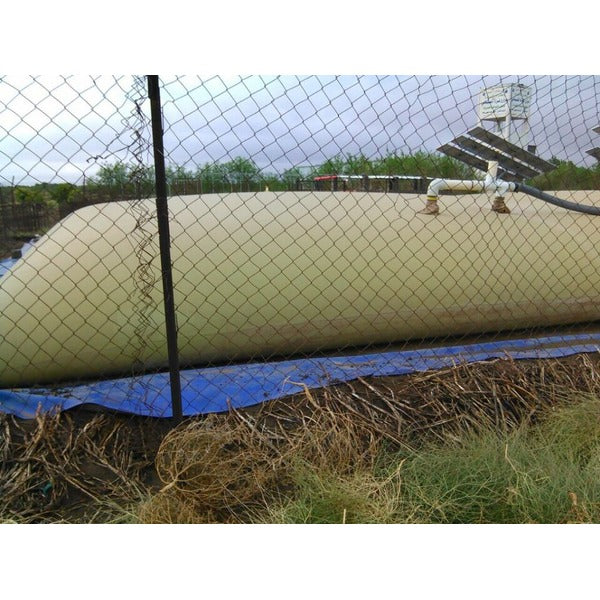
When you fill it with water, it expands into a flat, stable tank that just sits there on the ground. Doesn't tip. Doesn't roll. Just holds water.
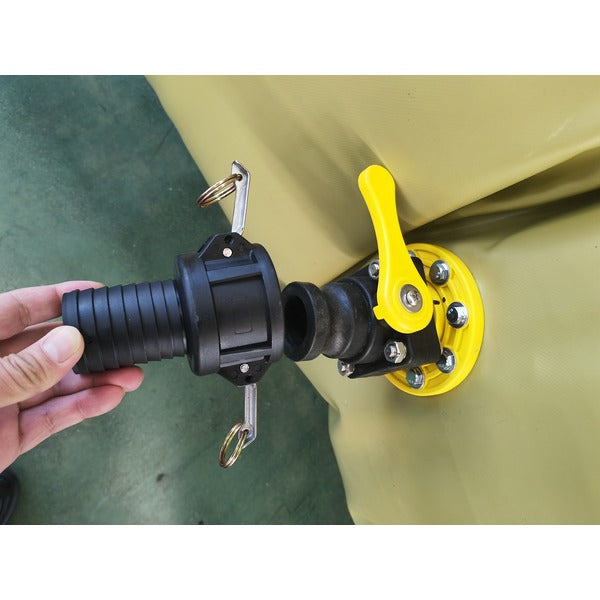
The "custom" part means you can get them made in any size or shape you need. Need one that fits exactly in the back of a specific truck? They'll build it. Need a weird shape to fit under a stage in a school gym? They'll build it.
The material is food-grade. FDA-approved. SGS-certified. That means the water stays safe to drink. No plastic taste. No chemicals leaching in.
What Changed When They Switched
My cousin's organization switched to flexible bladders a few years back. She said it was like night and day.
More water per truck. Instead of hauling a handful of rigid tanks, they now load up pallets of folded bladders. Same truck, ten times the storage capacity.
Set up in minutes. Two people carry a folded bladder to where it's needed. Unfold it. Connect a hose. Fill it. Done. No forklifts. No cranes. No heavy lifting.
Fits anywhere. She told me about a shelter where the only available floor space was an odd-shaped corner behind some stacked chairs. A rigid tank wouldn't fit. A custom bladder, sized to that exact corner, fit perfectly.
Packs up small. When the emergency passes, you drain the bladder, fold it up, and put it back on the truck. Takes almost no space for the return trip.
She said the first time they used bladders in a real deployment, the shelter manager couldn't believe how fast they set up.
"You're done?" the manager asked. "That took twenty minutes."
Who Else Uses These?
My cousin's organization isn't alone.
FEMA and state emergency services. They stockpile these things in warehouses around the country. When a hurricane is coming, they deploy them by the truckload.
The military. Forward bases, patrol bases, temporary camps. They all need water. Flexible bladders pack flat, set up fast, and move with the unit.
Humanitarian aid groups. Red Cross, Doctors Without Borders, UN agencies. They operate in places where every pound of cargo matters.
Serious preppers. Not the guy with a few cases of bottled water. Whole communities preparing for extended emergencies. Custom bladders let them fit storage into bunkers, shipping containers, or whatever space they have.
Remote industrial sites. Mines, oil rigs, big construction projects. They need emergency water storage that fits their specific transport constraints.

The Customization Thing
Off-the-shelf products force you to adapt. Custom means the product adapts to you.
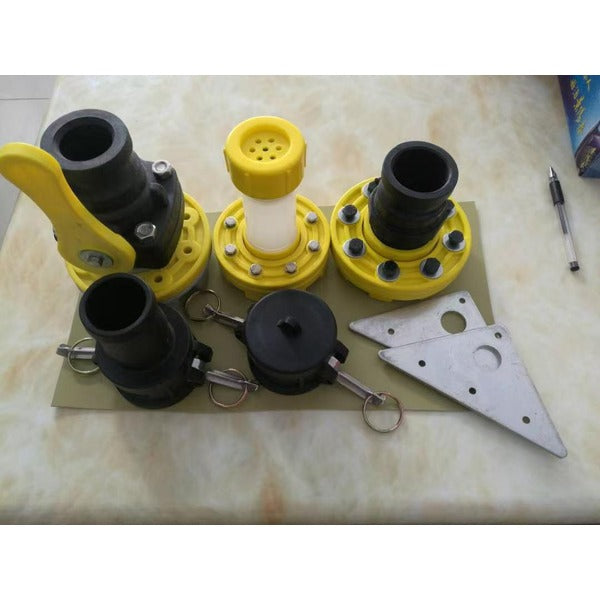
My cousin's team needed bladders with different fittings than the standard model. They wanted compatibility with their existing pumps and hoses. The manufacturer built exactly what they asked for.
Another team needed bladders that would fit inside a specific type of cargo helicopter. The manufacturer built them to those exact dimensions.
That's the thing about custom. You're not settling for "close enough." You're getting exactly what you need.
What About Cost?
My cousin did the math. Rigid tanks of similar capacity cost about the same upfront. But the logistics costs were way higher. More trucks. More fuel. More warehouse space between emergencies.
The bladders paid for themselves in reduced shipping and storage costs within a couple of years.
And they last. The material is tough. UV-resistant. Temperature-rated for harsh conditions. They've used some bladders on multiple deployments with no leaks and no problems.
The Bottom Line
My cousin's organization still keeps some rigid tanks for certain situations. But for most emergency responses, they reach for flexible bladders.
Traditional tanks have their place, she told me. But when you're trying to help people fast, you need stuff that packs small, sets up quick, and fits wherever you put it.
If you're responsible for emergency water storage for a community, a business, or your own family it's worth thinking about what happens when you actually need to use it. Off-the-shelf might not be the answer. Sometimes the smartest solution is the one built exactly for you.
She finished her burger and said, "The day we switched to bladders, our logistics guy almost cried. He'd been fighting with rigid tanks for years."