

1000-Gallon Water Bladder – Reliable Drinking Water Storage Anywhere
My neighbor runs a hay farm. Not a huge operation, but big enough that he's got a dozen employees and a fleet of tractors. Last summer, he had a problem. A well on one of his remote fields went dry during a heatwave. He was trucking water out there twice a day just to keep the crew hydrated and the dust down on the access roads.
I'm spending more time hauling water than I am baling hay, he told me. There's gotta be a better way.
I asked him why he didn't just put a tank out there.
He laughed. A 1000-gallon rigid tank costs a fortune. Plus, how am I supposed to get it out there? The field's a mile from the paved road. I'd need a flatbed and a crane.
He wasn't wrong. That's when I started looking into flexible water bladders.

What Is a 1000-Gallon Water Bladder?
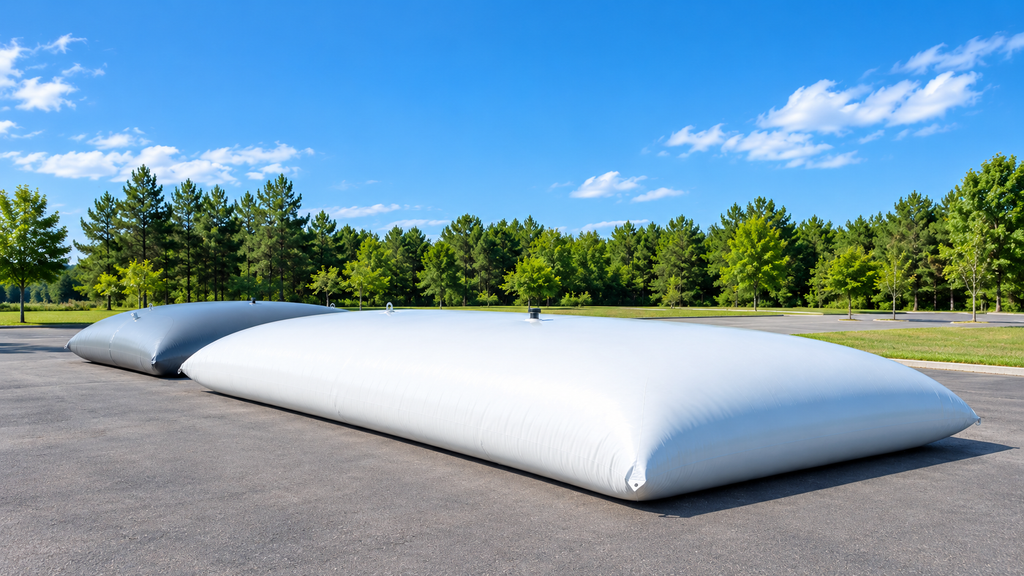
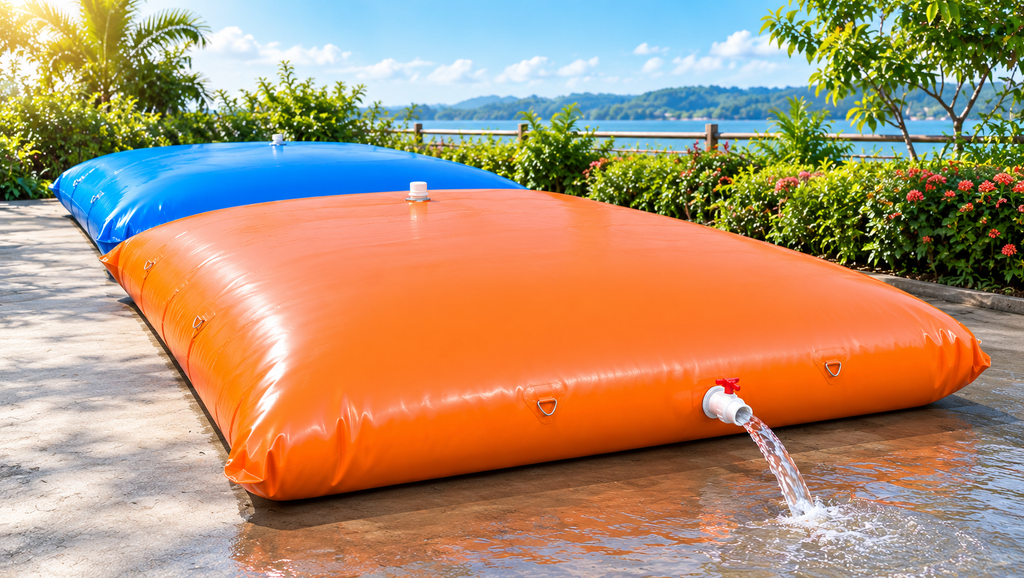
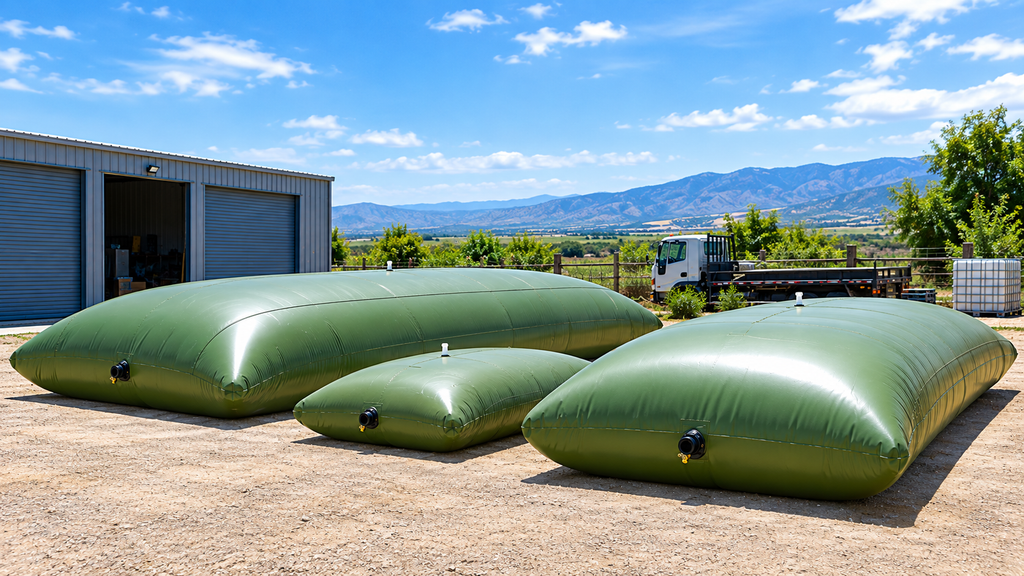
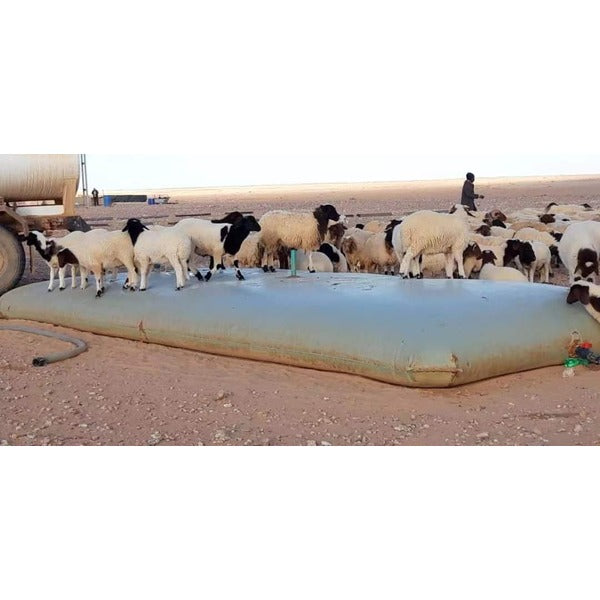
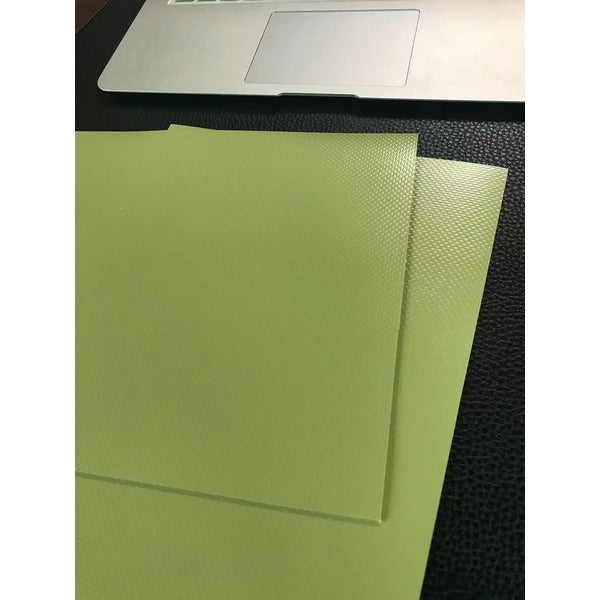
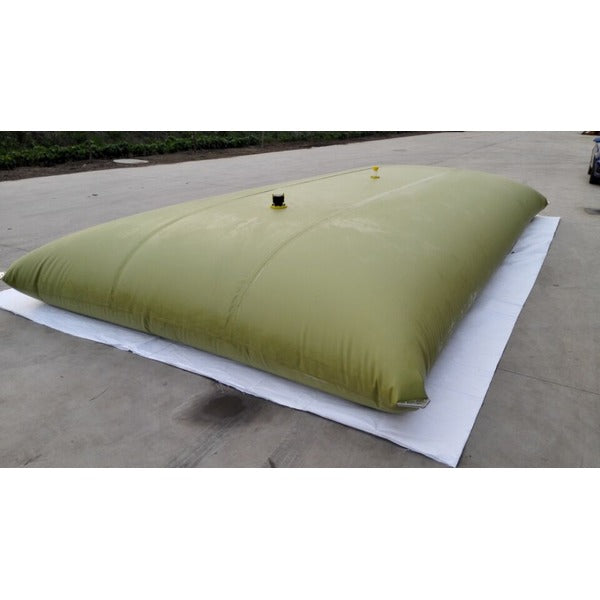
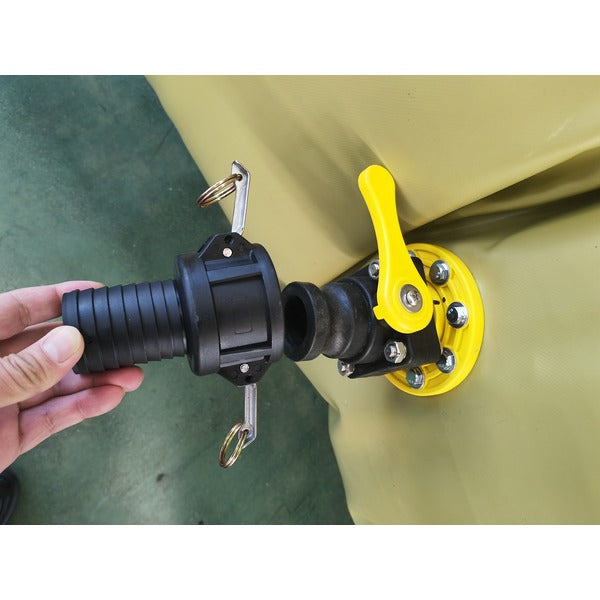
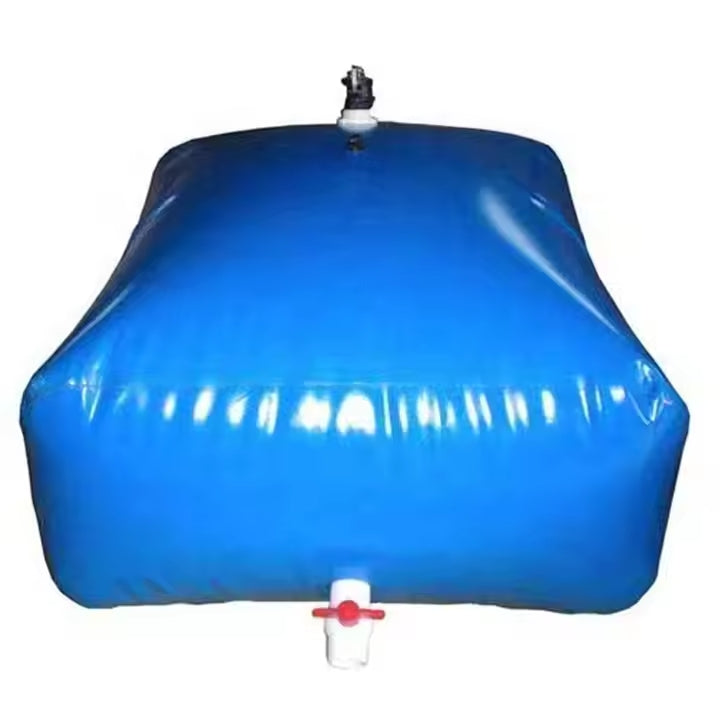
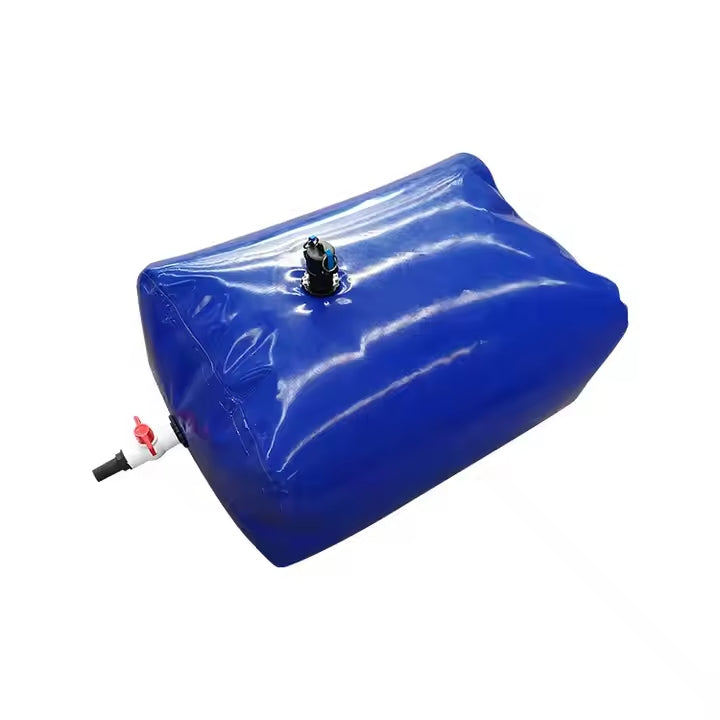
If you've never seen one, picture a giant, heavy-duty rectangular pillow. Made from thick, food-grade PVC or TPU material. When it's empty, it folds up into a package the size of a large suitcase. You could throw it in the back of a pickup truck.
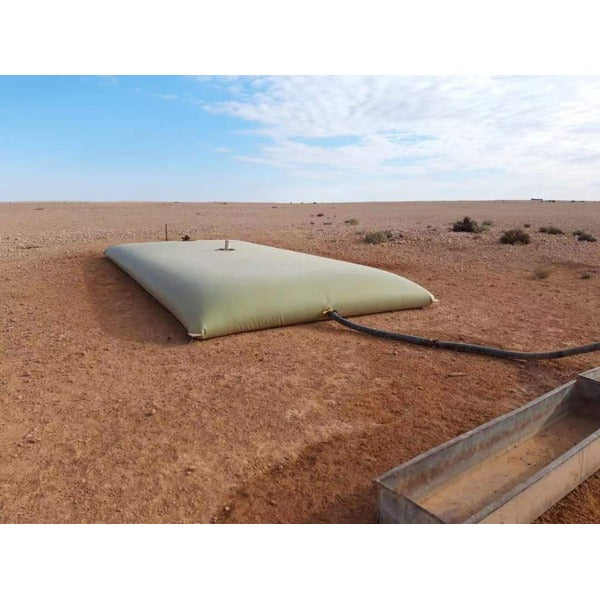
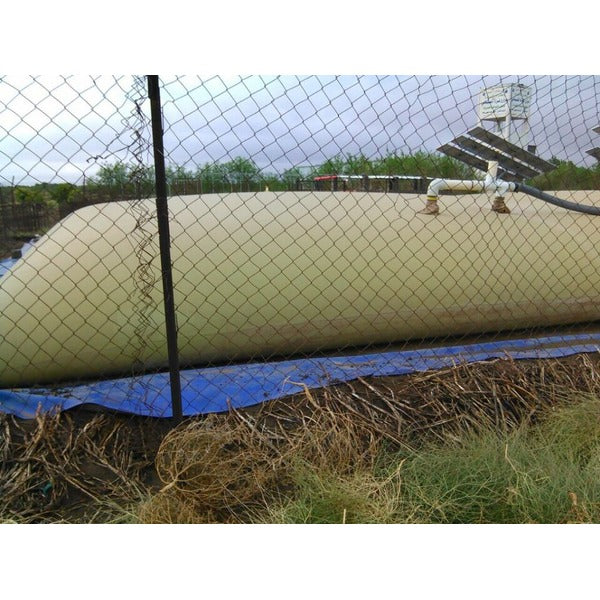
When you fill it with water, it expands into a flat, stable tank that holds 1000 gallons. That's about 8,300 pounds of water. So you're not picking it up when it's full. But you can lay it on the ground, fill it from a truck or a hose, and have that water sitting there ready to use.
The material is food-grade, so the water stays safe to drink. No weird taste. No chemicals leaching in. Just clean water.
My neighbor's problem was that he had a remote field with no permanent water source. A rigid tank would be expensive and nearly impossible to get into place. A flexible bladder? He could fold it up, throw it in his truck, drive it out there, and set it up in minutes.
Why 1000 Gallons Matters
A thousand gallons is a serious amount of water. Here's what it can do:
● Keep a crew of 20 workers hydrated for two weeks.
● Provide drinking water for 50 cattle for about a week.
● Run a large garden through a month of dry weather.
● Supply a construction site with water for dust control and concrete mixing for days.
● Give a family of four emergency drinking water for months.
For my neighbor, 1000 gallons meant he could fill the bladder once a week instead of trucking water twice a day. That's fourteen trips down to one. Hours saved. Diesel saved. Sanity saved.
What My Neighbor Did
He ordered a 1000-gallon bladder. When it arrived, he was surprised how small the box was. He pulled out the folded bladder, threw it in the back of his truck, and drove out to the field.
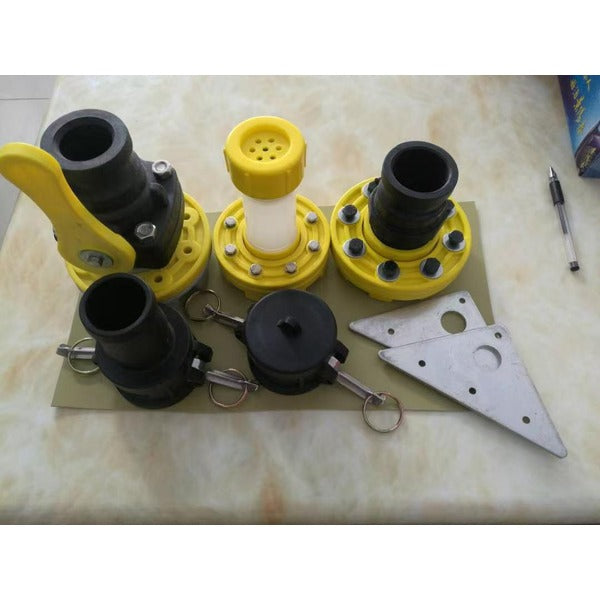
He picked a flat spot near where the crew was working. Unrolled the bladder on the ground, made sure there weren't any sharp rocks underneath. Connected a hose from his water truck to the inlet and opened the valve.
Took about thirty minutes to fill. When it was full, it just sat there. Flat. Stable. Not leaking.
He connected a smaller hose to the outlet and ran it to a drinking station for the crew. Then he filled a few 5-gallon buckets for washing up and knocking down dust.
"When the guys saw it, they couldn't believe it," he said. "They kept asking when the tank was arriving. I told them it was already here."
When the haying season ended and the crew moved on, he drained the leftover water (used it for the pasture), let the bladder dry, folded it back up, and put it in his barn.
"Takes up less space than my lawn mower," he said.
Farms and Agriculture
My neighbor's situation isn't unique. Flexible water bladders are showing up all over agriculture.
Rotational grazing. Cattle move from pasture to pasture. Permanent water tanks tie you to one spot. A portable bladder moves with the herd.
Remote watering points. Not every field has a well or a creek. A bladder can be filled at a central source, transported, and deployed where needed.
Seasonal operations. Haying, harvesting, planting crews. They work in different fields each week. A bladder moves with them.
Irrigation backup. When well output drops during dry spells, a bladder provides a buffer.
Livestock shows and events. Temporary water supply for animals away from home.

Construction and Industry
Beyond farming, 1000-gallon bladders are useful in all kinds of industrial settings.
Remote job sites. Road construction, pipeline work, mining exploration. No tap water for miles. A bladder brings water to the workers.
Dust control. Crushing operations, demolition sites, dirt roads. Water is the best dust suppressant. A bladder holds enough for days.
Concrete mixing. Concrete needs water. Remote pours often mean trucking water in. A bladder on site simplifies logistics.
Fire protection. Temporary water supply for fire watch crews during hot work or in wildfire-prone areas.
Crew hydration. Drinking water for workers where no facilities exist.
Emergency and Disaster Response
This is where the anywhere promise really shines.
Hurricane relief. After storms, tap water is often undrinkable for weeks. Bladders can be set up at distribution points.
Wildfire support. Fire camps need water for hundreds of firefighters. Bladders deploy quickly and pack flat for transport.
Earthquake response. Water infrastructure fails. Bladders can be air-dropped or trucked in.
Refugee camps. Temporary populations need water storage that scales with need.
What About Cost?
My neighbor did the math. A 1000-gallon rigid tank would have cost him three times as much. Plus delivery. Plus a flatbed truck. Plus a crane to unload it. Plus a concrete pad to set it on.
The bladder cost less, shipped in a box, and he set it up by himself in thirty minutes.
Payback was about three months, he said. Just in fuel savings alone.
The Durability Question
He was worried about the bladder holding up. Rocks, equipment, sun, weather.
The material is food-grade TPU or PVC, reinforced for puncture and UV resistance. He's had his for two seasons now. No leaks. No tears. No problems.
He does put an old tarp underneath when the ground is rough. Common sense. But other than that, it just sits there and does its job.
The Bottom Line
My neighbor's haying season is in full swing. The bladder is out in that remote field, full of water, keeping the crew hydrated and the dust down.
Best investment I've made in years, he told me.
If you're in agriculture, construction, or emergency response or if you just need a serious amount of reliable drinking water somewhere off the beaten path take a look at a 1000-gallon flexible water bladder. It's not what most people picture when they think of water storage. But it might be exactly what you need.