

A Practical Solution for Large-Volume Potable Water Storage
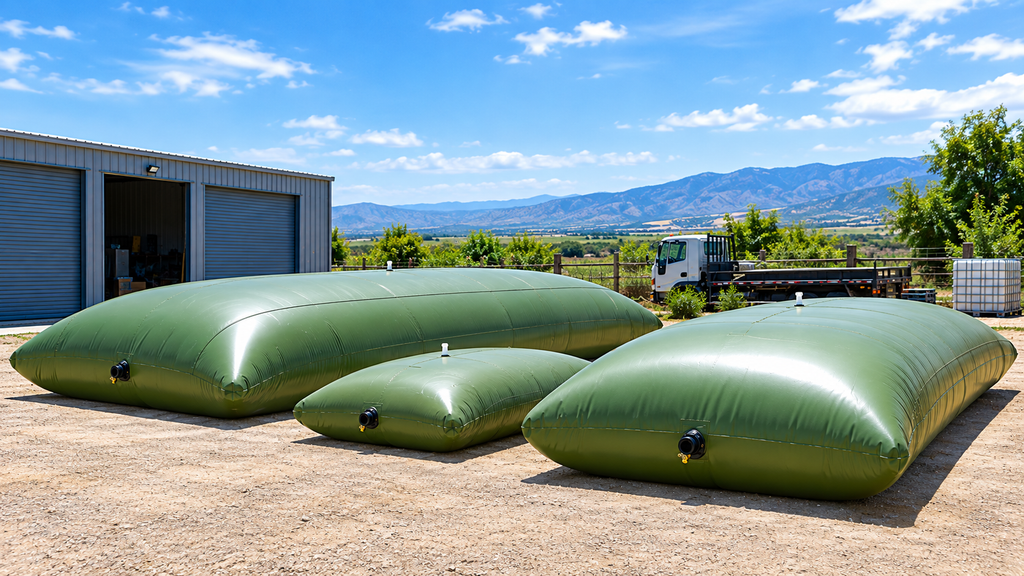
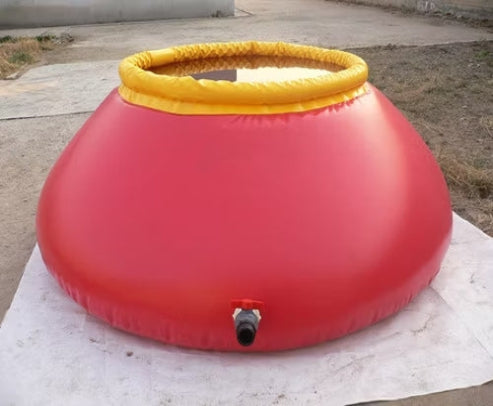
Choosing a 1,000-gallon water storage system requires considering space, water type, installation, transport, and long-term storage needs. A flexible potable water tank can offer greater deployment flexibility than rigid tanks, especially for farms, construction sites, emergency use, and remote locations. The RAINBOW 1,000-gallon flexible water tank uses food-grade TPU/PVC material and a collapsible pillow-style design for convenient potable water storage and transport.

1. Determine What Type of Water You Need to Store
The first consideration is whether the tank will store potable or non-potable water. For drinking water, choose a tank made with appropriate food-grade materials, such as the featured 1,000-gallon flexible tank using TPU/PVC fabric. For irrigation, landscaping, or wastewater, material requirements may differ, so always check the intended use and manufacturer's specifications.
2. Consider Where the Tank Will Be Installed
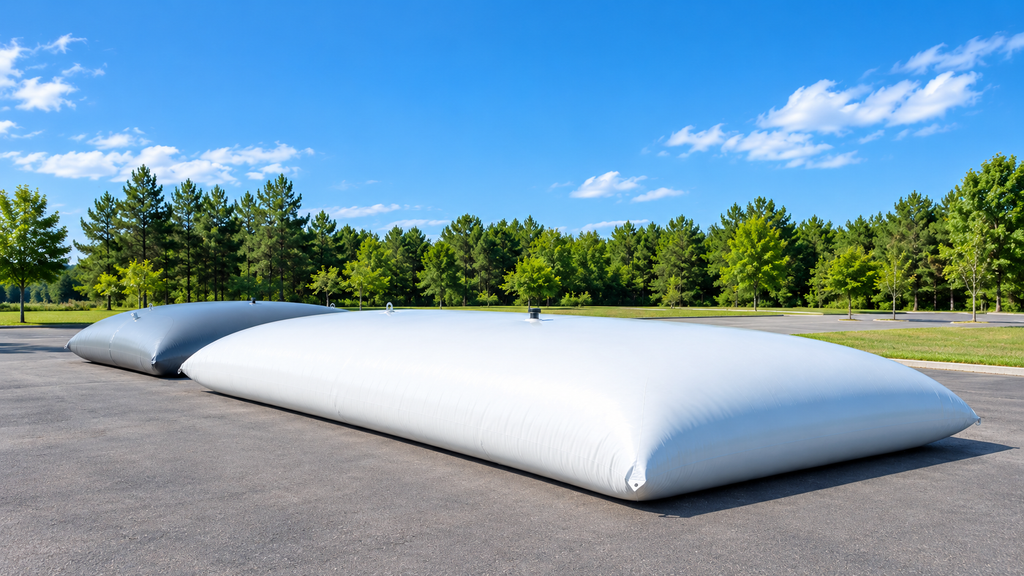
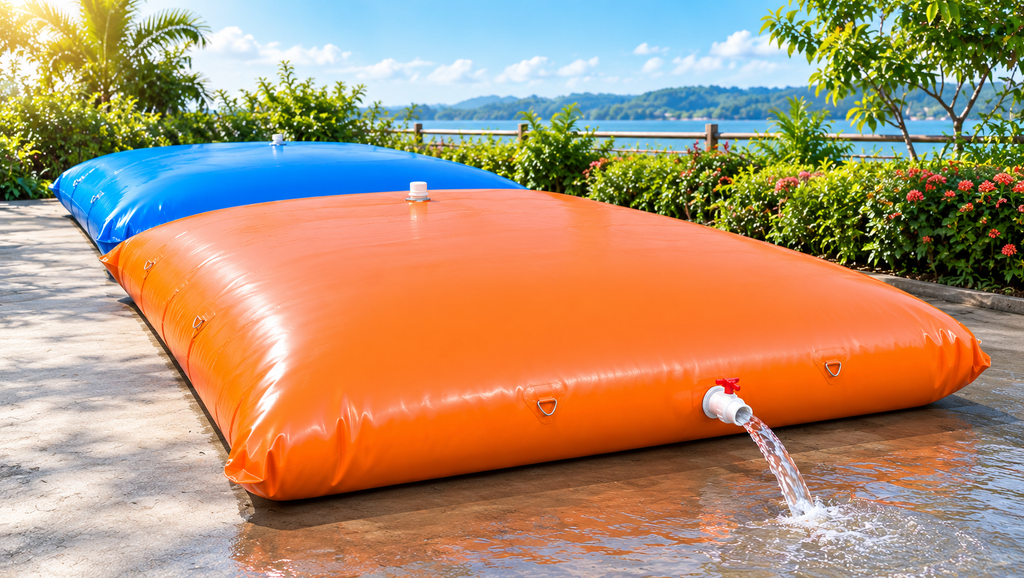
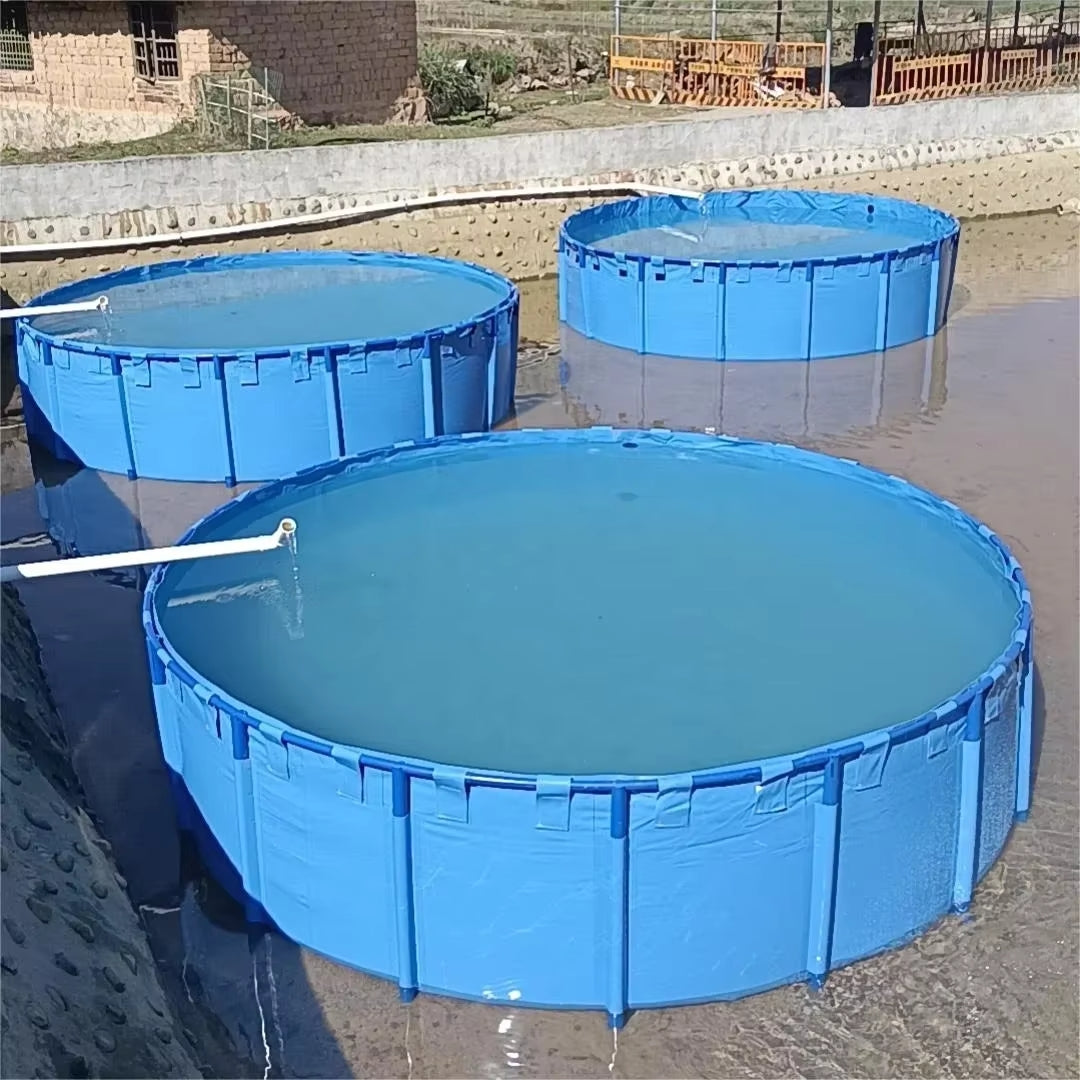
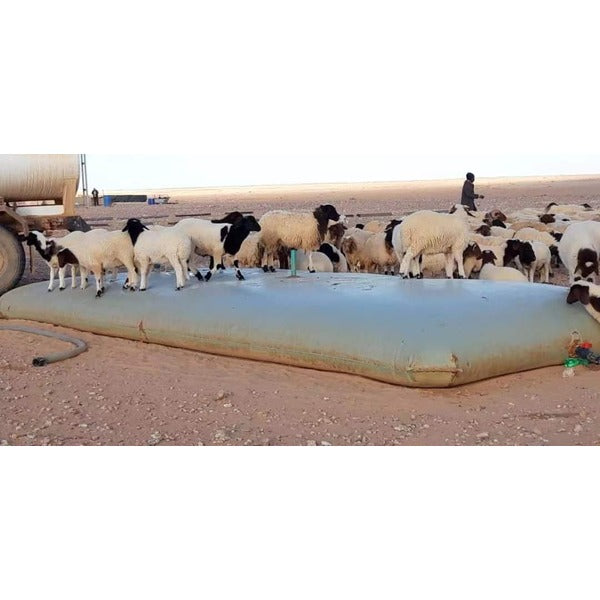
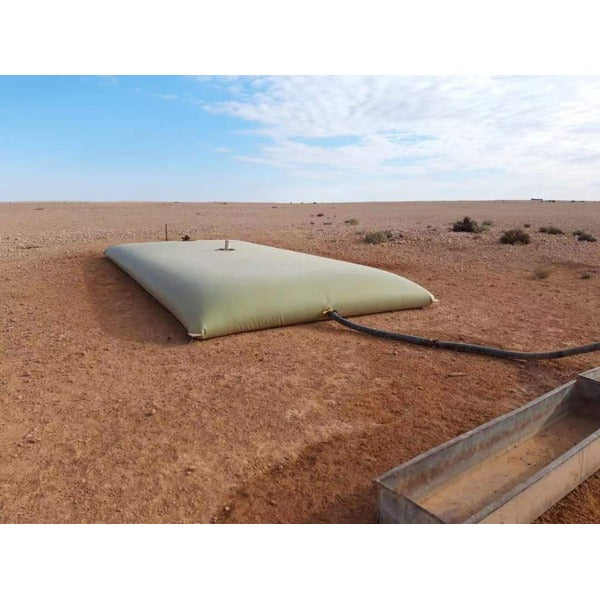
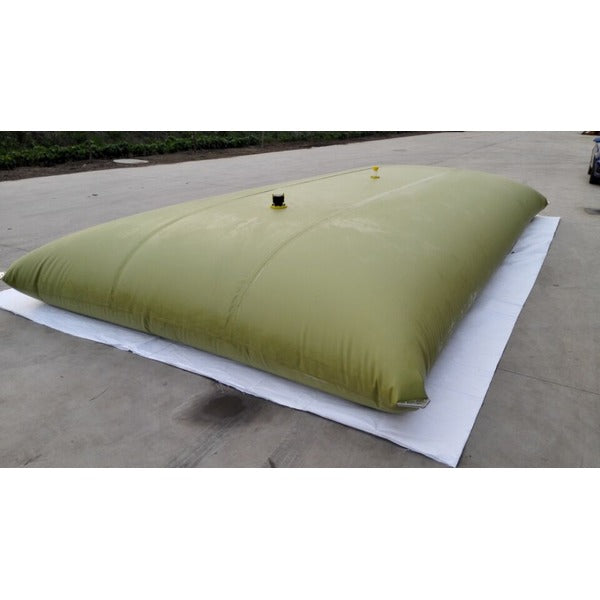
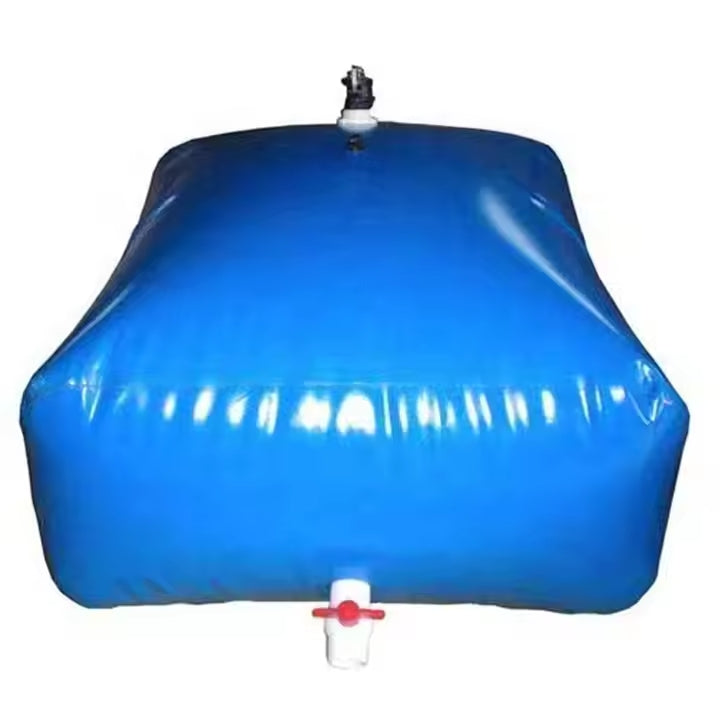
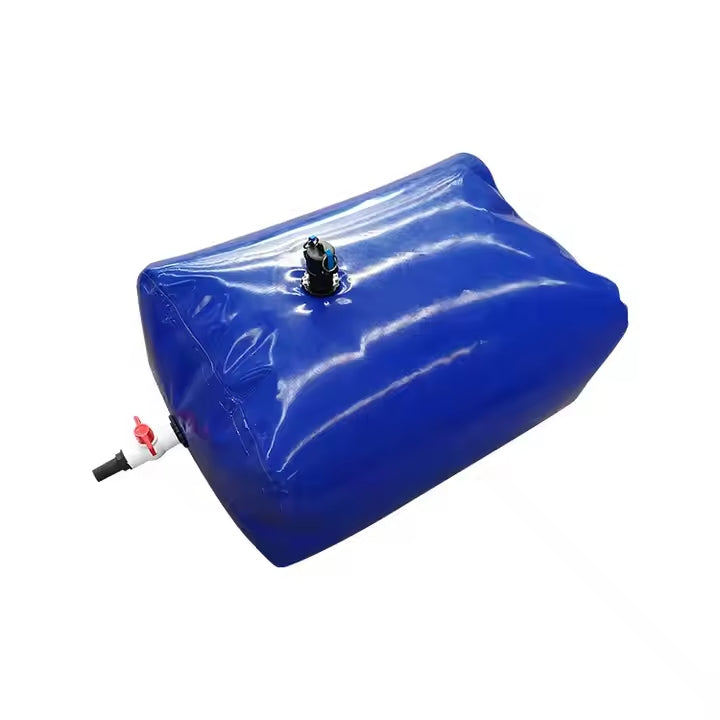
Available space is an important factor when selecting a water storage system, especially where permanent tank installation is difficult. A 1,000-gallon flexible water bladder uses a low-profile pillow design, making it suitable for ground-level spaces where tall rigid tanks may not fit. Before installation, check ground dimensions, filling access, drainage, water-source distance, and hose clearance for easier maintenance.
3. Decide Whether Portability Is Important
Not every water storage system needs to move. But if your project changes location frequently, portability becomes a major consideration.
Construction sites, emergency response operations, remote camps, mobile water systems, and humanitarian projects may require water storage that can be transported from one location to another.
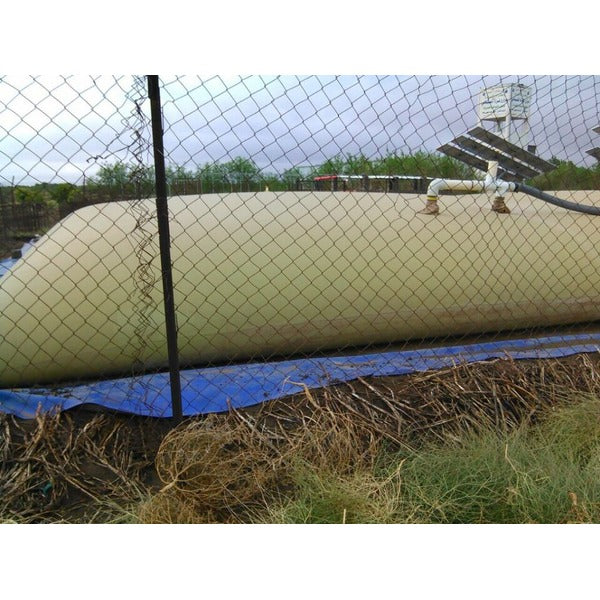
A flexible 1,000-gallon potable water tank can be folded when empty, making transportation and storage easier than moving a large rigid tank. The product is designed for ground, truck-bed, and marine deployment.
This makes flexible storage particularly useful when water infrastructure needs to follow the project rather than remain permanently installed in one location.
4. Think About Empty Storage Space
Another important factor is what happens when the tank is not being used.
A rigid tank continues to occupy its full physical footprint even when empty. For businesses or households with limited storage areas, this can become inconvenient.
A collapsible water storage bladder can be folded after draining and cleaning. This creates an advantage for seasonal operations, emergency equipment storage, temporary projects, and mobile teams.
If you only need large-capacity water storage during certain periods, an empty-storage requirement should be part of your purchasing decision.
5. Check the Tank's Material and Weather Resistance
Outdoor water storage exposes tanks to sunlight, temperature changes, moisture, and other environmental conditions.
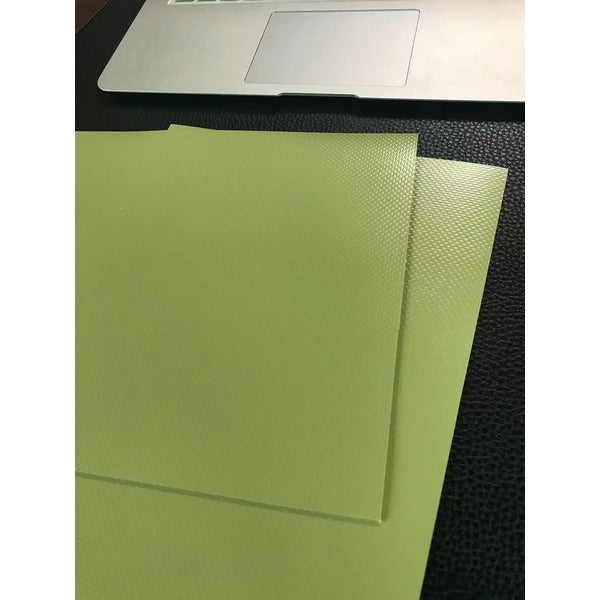
For outdoor applications, look for a tank designed for the environment where it will be used. The featured RAINBOW tank is described as UV-resistant, corrosion-resistant, and temperature tolerant, with high-strength TPU/PVC construction.
However, material specifications should always be considered alongside proper installation and care. Even a durable water tank should be positioned on a suitable surface and protected from unnecessary abrasion or sharp objects.
6. Evaluate the Tank's Intended Application
The same 1,000-gallon capacity can serve very different purposes.
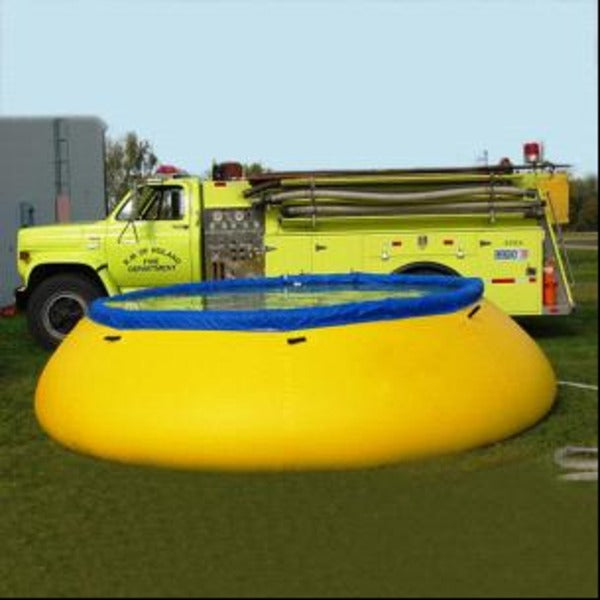
According to the product information, this flexible potable water tank is intended for applications including emergency and disaster-relief water storage, remote camps, truck-based water transportation, marine freshwater storage, construction sites, residential backup systems, and humanitarian operations.
Before selecting a tank, define your primary application.
For example:
Residential backup: Prioritize potable-water safety, convenient deployment, and compact storage.
Construction: Portability and rapid deployment may be more important.
Emergency response: Fast setup, transportation, and reliable storage are key considerations.
Marine use: Available installation space and compatibility with the vessel environment become especially important.
Remote operations: Portability and low infrastructure requirements can provide significant advantages.
7. Compare Flexible and Rigid Water Tanks
Comparing storage formats can help you determine which solution matches your needs.
|
Feature |
Rigid Plastic Tank |
Steel/Concrete Tank |
|
|
Portability |
High |
Limited |
Very low |
|
Empty storage |
Folds flat |
Full footprint |
Permanent |
|
Installation |
Ground/mobile |
Usually fixed |
Permanent |
|
Emergency deployment |
Fast |
Moderate |
Slow |
|
Transportation |
Suitable for mobile use |
Difficult |
Not practical |
|
Space efficiency |
High |
Moderate |
Low |
|
Potable-water option |
Food-grade models available |
Depends on model |
Usually requires appropriate lining |
The best choice depends on your priorities. A permanent facility may benefit from a rigid infrastructure solution, while a temporary or mobile operation may benefit more from a flexible bladder.
8. Consider Capacity and Future Requirements
Although this article focuses on a 1,000-gallon water storage solution, your future requirements should also be considered.
The product line lists capacities ranging from 264 to 13,209 gallons, allowing users to consider different storage volumes depending on their requirements.
If your water demand is expected to increase, choosing a flexible tank system with multiple capacity options may make future planning easier.
Rather than selecting a tank based only on today's requirements, think about how much water you may need during peak usage, emergencies, or seasonal operations.
9. Look at Deployment and Maintenance Requirements
A good water storage solution should be practical not only when full but throughout its entire service cycle.
Before purchasing, consider how the tank will be:
● Transported
● Unpacked
● Positioned
● Filled
● Drained
● Cleaned
● Inspected
● Stored between uses
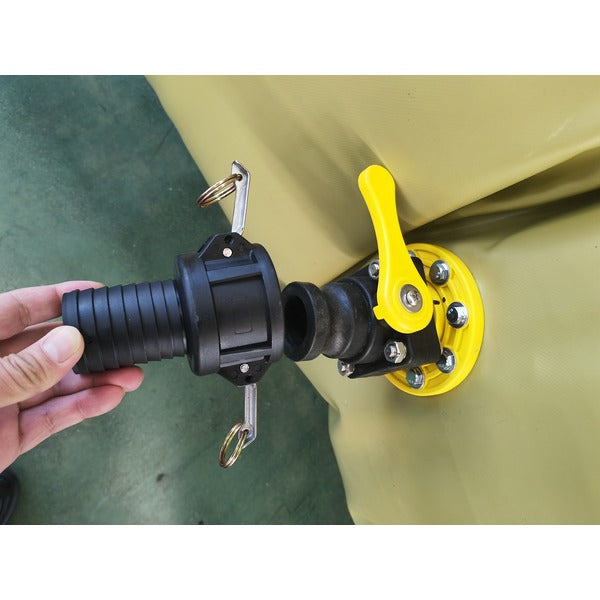
The collapsible design of a flexible tank can simplify transportation and empty storage. However, proper handling remains important. The tank should be installed on an appropriate surface and maintained according to the manufacturer's instructions.
10. Choose a Supplier With Relevant Manufacturing Experience
Finally, consider the manufacturer behind the product.
For a high-capacity potable water tank, manufacturing experience, material quality, testing procedures, and product support can all influence the overall value of the purchase.
The product page states that RAINBOW Flexible Tanks has more than 15 years of flexible tank manufacturing experience and uses quality-control procedures focused on food-grade safety, leak-resistant construction, and environmental resistance.
These factors are worth reviewing before selecting a water storage system for an important application.

Why a 1,000-Gallon Flexible Potable Water Tank May Be the Right Choice
A 1,000-gallon flexible water tank can be a practical option when you need substantial water storage without committing to a permanent rigid structure.
The RAINBOW model combines 1,000-gallon capacity, food-grade TPU/PVC construction, a low-profile pillow design, collapsible storage, and ground, truck, or marine deployment options.
For emergency preparedness, remote water supply, construction projects, mobile operations, residential backup, and humanitarian applications, these characteristics can make flexible storage easier to transport and deploy.
FAQ
1. How much water does a 1,000-gallon tank hold?
A 1,000-gallon tank is designed to store up to 1,000 gallons of water.
2. Is a flexible water tank suitable for drinking water?
The featured model is made with food-grade TPU/PVC material and is designed for potable water storage.
3. Can a 1,000-gallon flexible water tank be transported?
Yes. Its flexible, foldable design makes it suitable for mobile applications, including ground, truck, and marine deployment.
4. Does a flexible water tank require permanent installation?
No. Its collapsible design allows it to be deployed temporarily and folded for storage when empty.
5. Where can a 1,000-gallon potable water tank be used?
Potential applications include residential backup water storage, emergency response, remote camps, construction sites, humanitarian operations, truck-based water transport, and marine freshwater storage.
6. What should I check before buying a 1,000-gallon water tank?
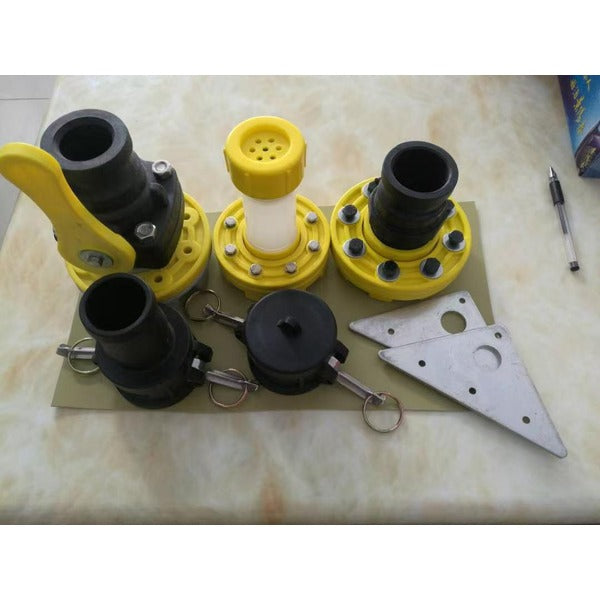
Check the tank's material, potable-water suitability, dimensions, installation environment, portability, durability, connection system, maintenance requirements, and manufacturer's specifications.
Final Thoughts
Choosing the right 1,000-gallon water storage solution depends on water type, available space, portability, environmental conditions, and maintenance needs. A flexible potable water tank can be a practical option where space efficiency and easy transport are important, thanks to its collapsible design. Before purchasing, always match the tank's materials, capacity, and specifications with your specific storage requirements.
Need reliable, space-saving water storage? Choose a 1,000-gallon flexible potable water tank designed for practical storage and transport.
Explore the RAINBOW Flexible Water Tank & Find the Right Storage Solution for Your Needs.