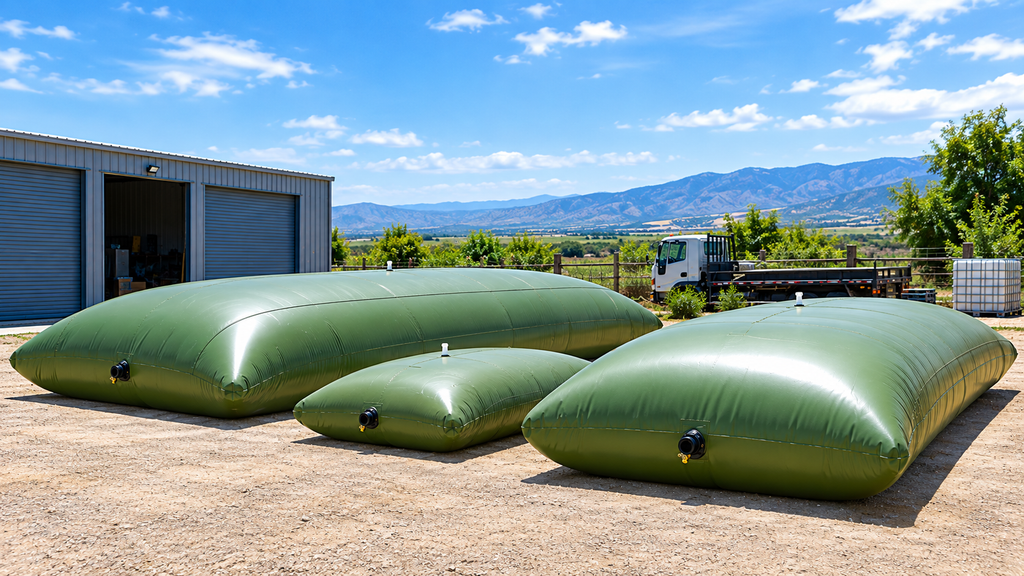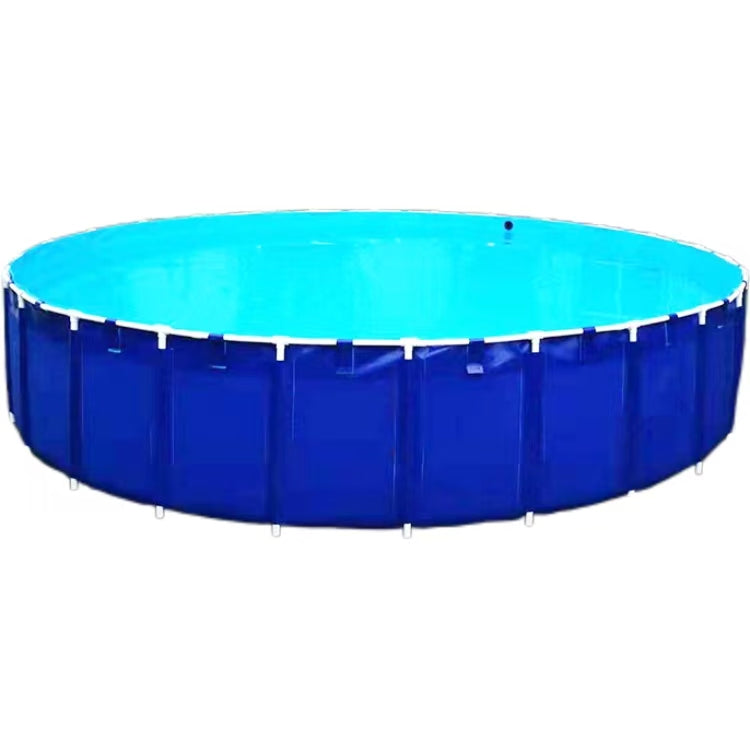


Smart Rainwater Storage Starts with a Space-Saving 132-Gallon Tank
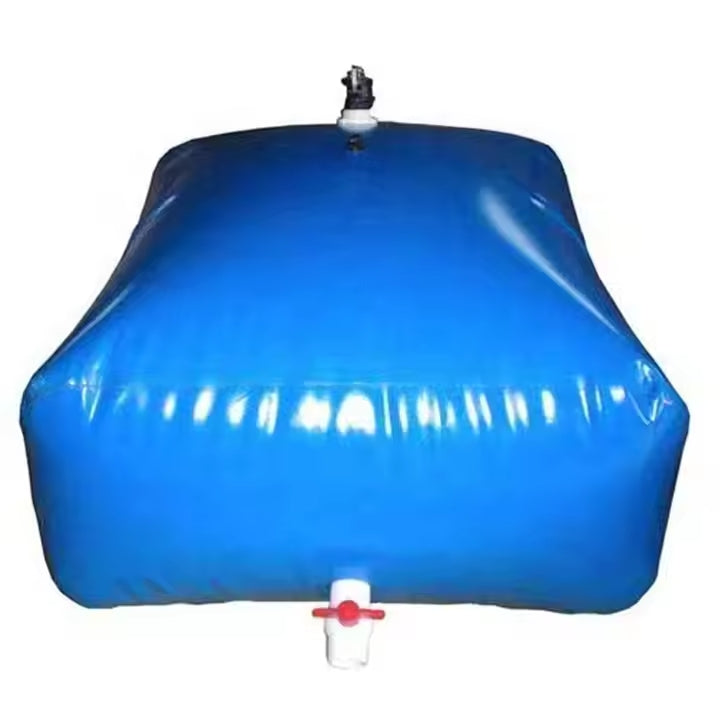
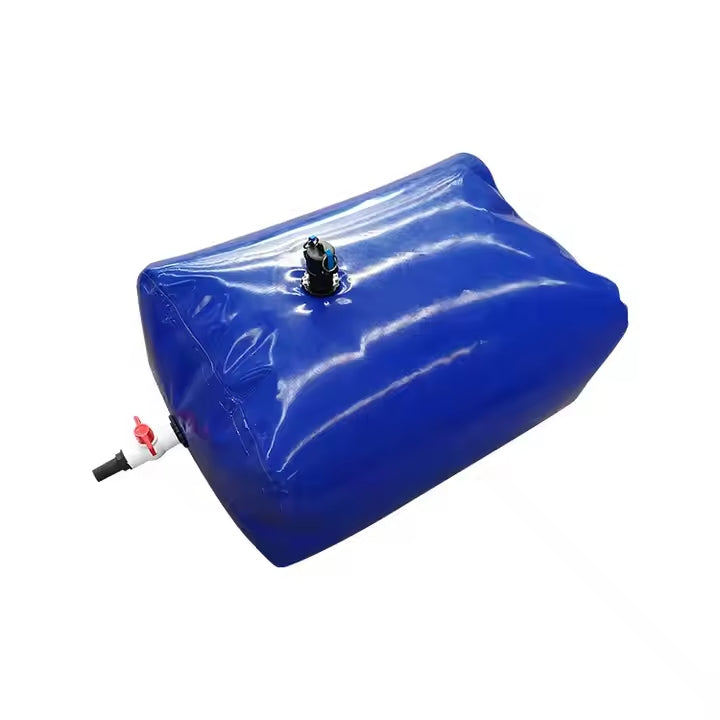
Rainwater harvesting is a simple way to collect and reuse water for gardening, irrigation, outdoor cleaning, and other non-potable applications. A flexible PVC rainwater tank makes this process even more convenient because it can be installed quickly, moved when empty, and folded away when it is not needed.
However, like any outdoor water storage system, a PVC rainwater tank needs regular care to maintain its performance. Proper cleaning, inspection, positioning, and seasonal storage can help protect the tank material and keep the water collection system working efficiently.
The good news is that maintaining a collapsible PVC rainwater tank does not require complicated equipment or intensive work. A few simple habits throughout the year can make a significant difference.

1. Choose the Right Location Before Installation
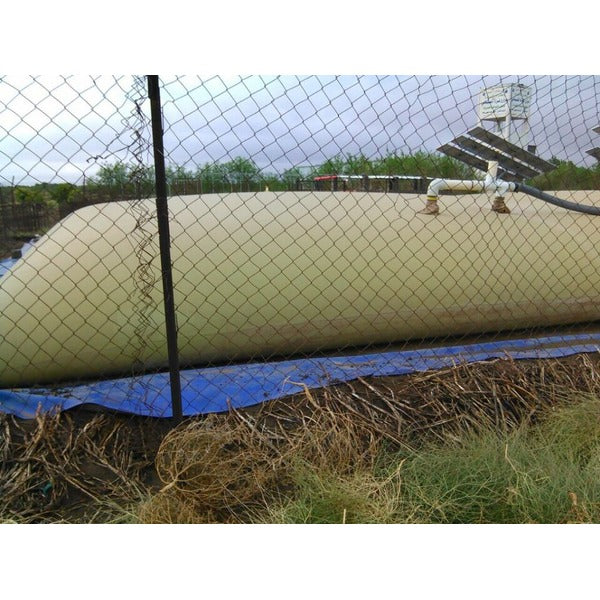
Good maintenance starts with proper installation. Before filling your PVC rainwater tank, select a suitable location with a flat, stable surface.
The ground should be free from sharp stones, branches, broken glass, metal objects, or anything else that could puncture or damage the tank. A stable surface also helps distribute the weight of the stored water more evenly.
Avoid placing the tank directly underneath objects that could fall onto it. If possible, choose a location that provides practical access to the gutter, downspout, outlet valve, and overflow system.
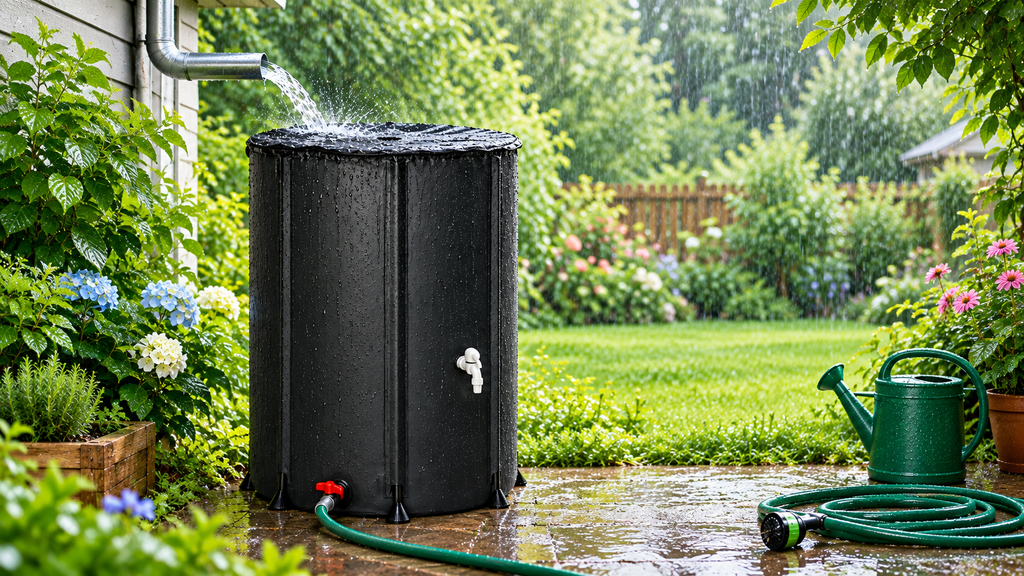
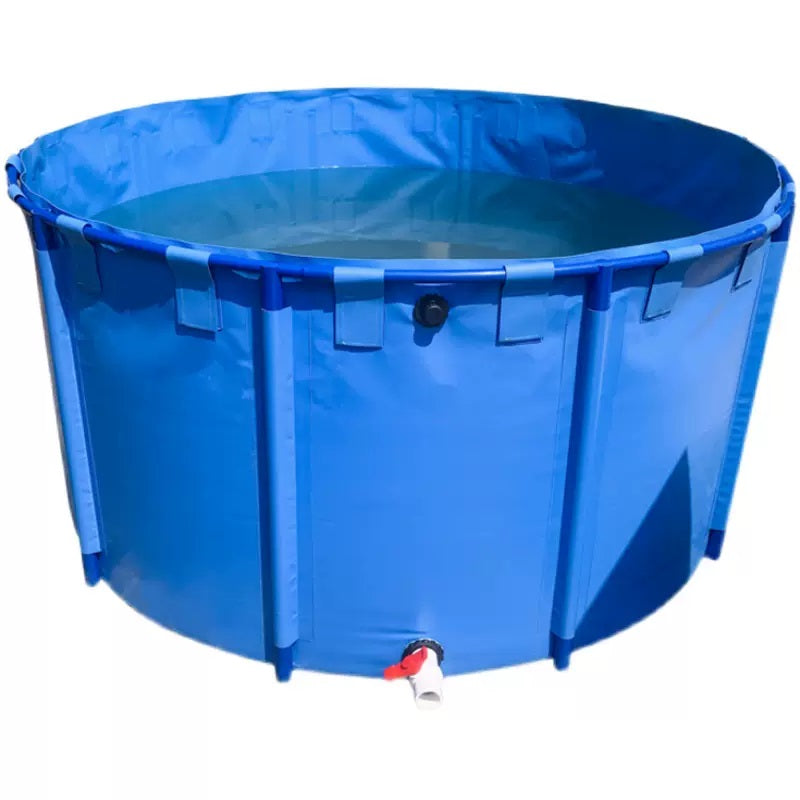
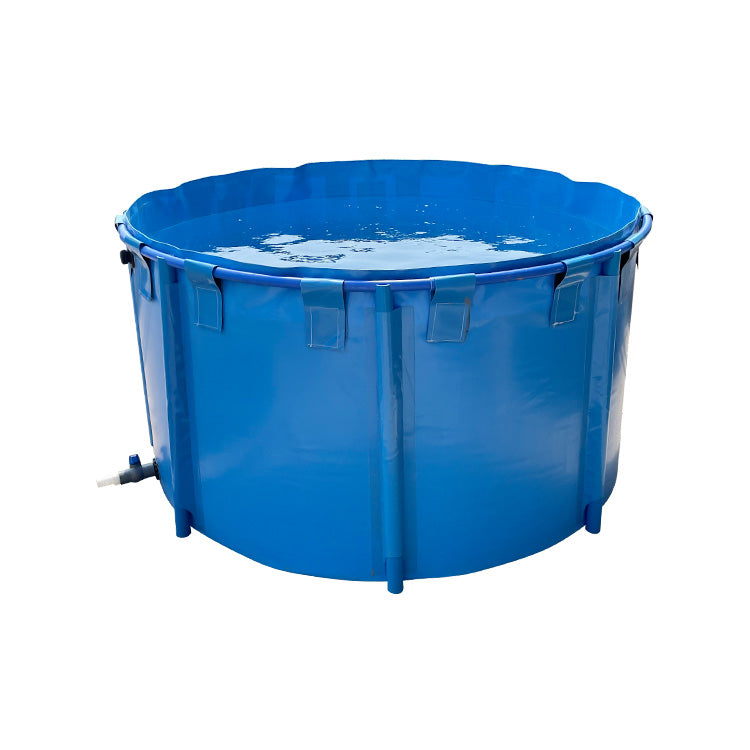
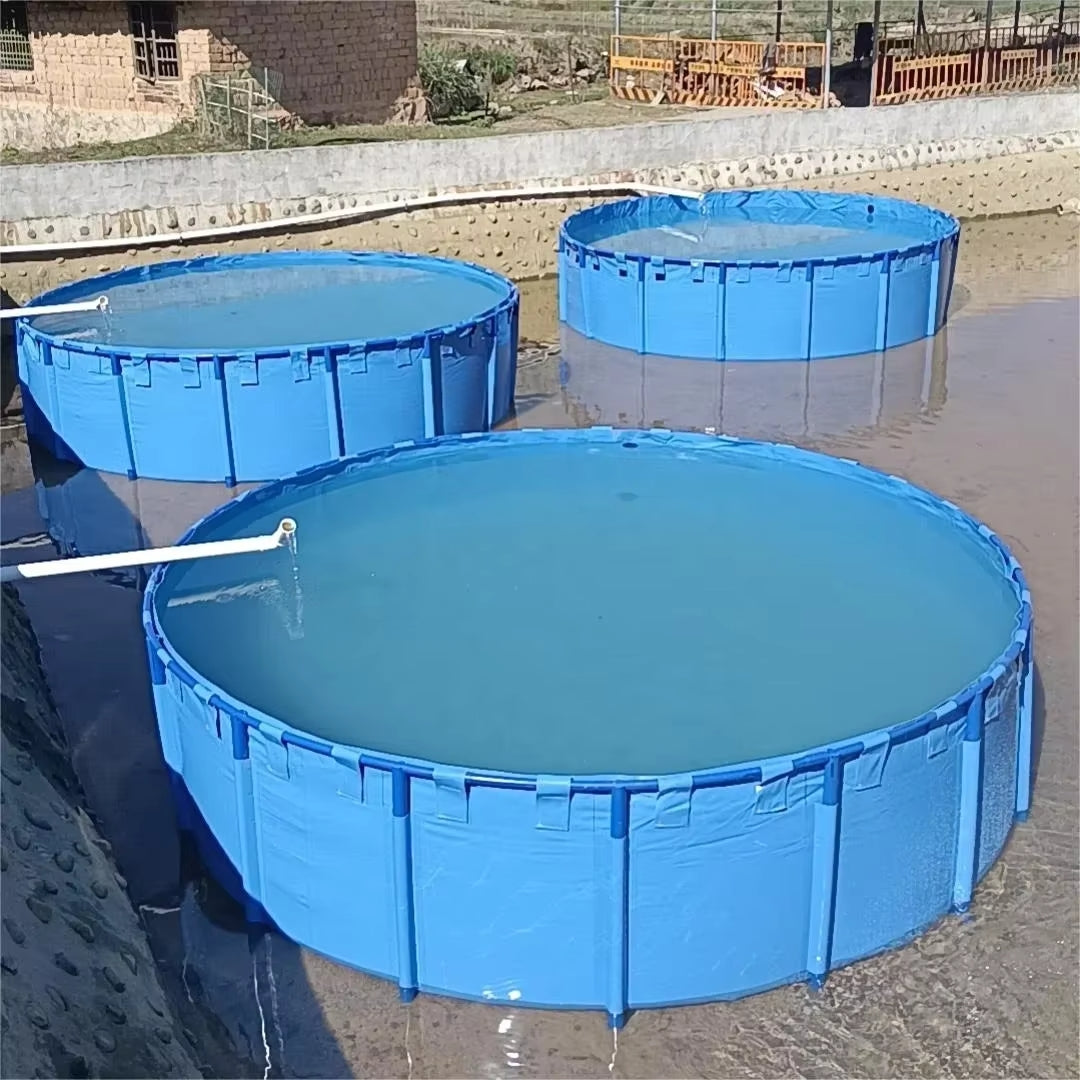
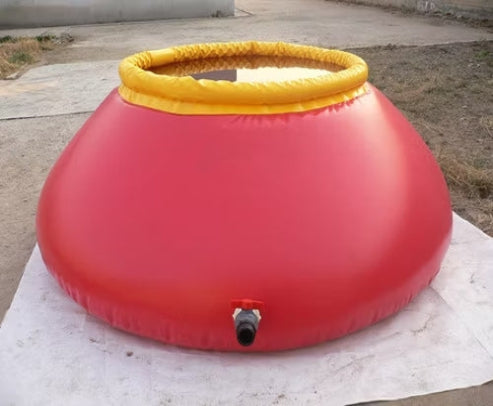
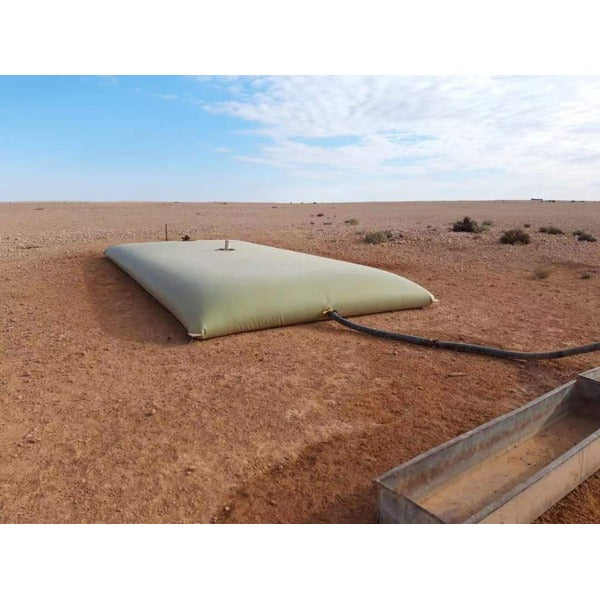
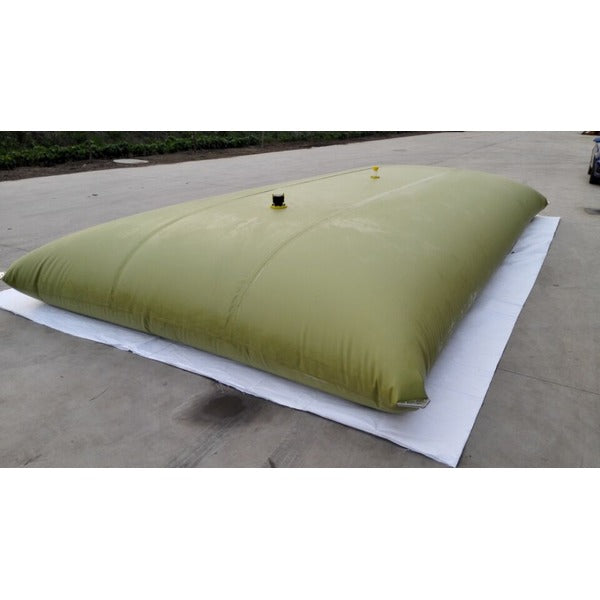
The 132-gallon collapsible PVC rainwater tank from RAINBOW MADE is designed for quick setup and uses supporting rods to maintain its vertical structure. Proper positioning helps the support system work as intended.
2. Keep the Mesh Filter Clean
One of the simplest but most important maintenance tasks is cleaning the inlet filter.
Rainwater flowing from a roof can carry leaves, dust, small pieces of debris, and insects. The mesh filter helps prevent these materials from entering the tank.
Check the mesh regularly, particularly after storms or periods of heavy rainfall. If debris has accumulated on the surface, remove it carefully and rinse the mesh with clean water.
A blocked filter can reduce water flow into the tank and may cause rainwater to overflow before it reaches the storage container.
Keeping the inlet area clean also reduces the amount of organic material entering the tank.
3. Inspect the PVC Material Regularly
Even durable outdoor PVC should be inspected from time to time.
Look over the tank's exterior for visible signs of wear, unusual stretching, punctures, abrasion, or damage around seams and connection points. Pay particular attention to areas near valves, support rods, and the bottom of the tank.
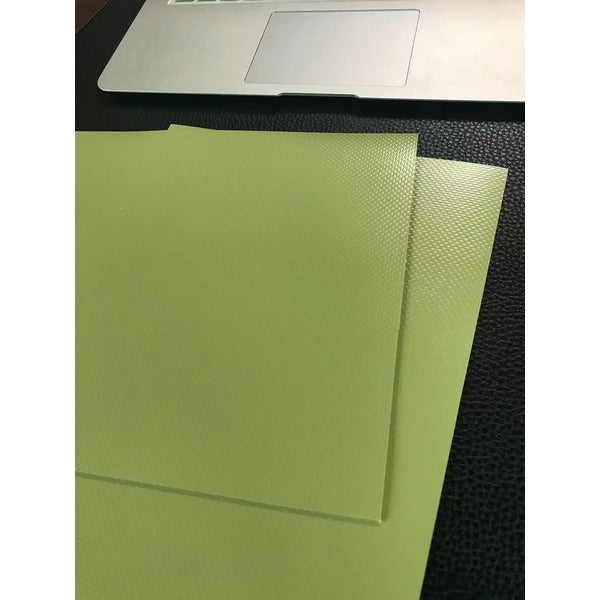
The RAINBOW MADE tank uses heavy-duty 3-ply UV-resistant PVC designed for outdoor conditions. However, UV-resistant does not mean maintenance-free. Regular visual inspections can help identify potential problems before they become more serious.
If you notice a significant leak or structural problem, stop using the tank until the issue has been properly assessed.
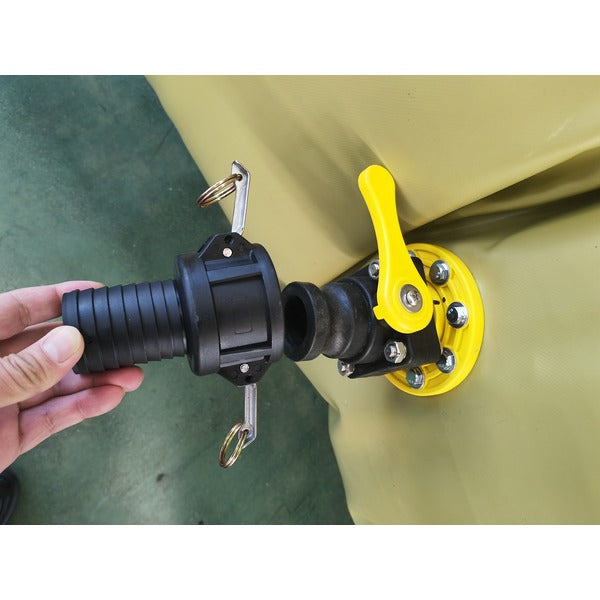
4. Check the Outlet Valve and Seals
The outlet valve is another important area to inspect.
Over time, connections can become loose because of regular use, movement, or temperature changes. Check the valve periodically and make sure the connection remains secure.
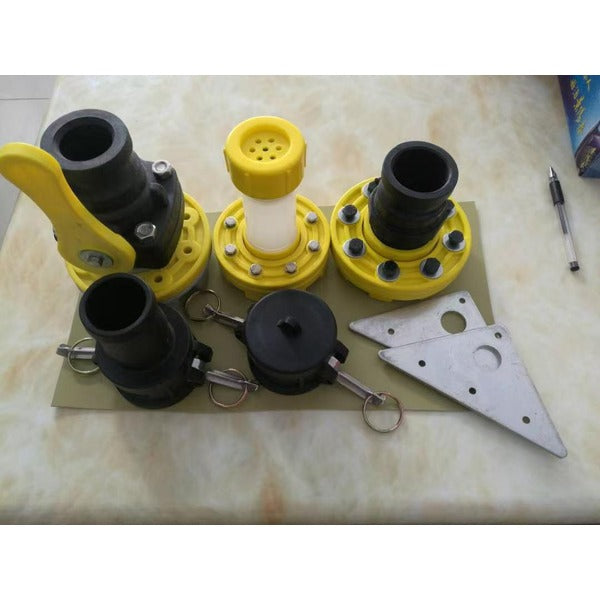
The product uses rubber sealing rings around the valve and spigot to help prevent leakage. During routine maintenance, check these sealing components for signs of deterioration or improper positioning.
Avoid forcing the valve or using excessive pressure when opening or closing it. Gentle handling can help extend the useful life of the connection system.
5. Monitor the Overflow System
Rainwater tanks should have a reliable way to manage excess water.
The 132-gallon RAINBOW MADE model includes dual overflow valves that can help direct excess water away from the tank.
After heavy rainfall, inspect the overflow outlets and make sure they are not blocked by leaves or dirt.
An unobstructed overflow path helps prevent unwanted water accumulation around the tank and reduces unnecessary stress on the storage system.
6. Clean the Tank at Regular Intervals
Even with a mesh filter, small amounts of dust and organic material can eventually enter a rainwater tank.
Periodic cleaning is therefore recommended, especially if the tank is used frequently.
Before cleaning, completely drain the stored water. Remove visible debris and rinse the interior using clean water. Avoid harsh chemicals or cleaning products unless they are specifically recommended by the manufacturer for the tank material and intended water use.
After cleaning, allow the tank to dry properly before storing it or returning it to service.
For water intended for gardening or other non-potable applications, regular cleaning can help maintain a cleaner storage environment.
7. Avoid Overloading the Tank
Always operate the tank according to its intended capacity.
For example, the featured model has a capacity of approximately 132 gallons, while the product line is available in several other sizes.
Do not attempt to increase the storage capacity by filling a tank beyond its specified limit. Overfilling can place unnecessary stress on the material, seams, valves, and support structure.
If more water storage is required, using additional compatible tanks can be a better solution. The product is designed with expansion in mind, allowing multiple tanks to be connected for greater overall storage capacity.
8. Protect the Tank From Unnecessary Physical Damage
Although flexible PVC is designed to withstand outdoor use, sharp objects and excessive abrasion should always be avoided.
Do not drag a filled tank across the ground. Water is extremely heavy, so moving a filled tank can put considerable stress on its material and connections.
If the tank needs to be relocated, drain it first and then move the empty tank carefully.
Keep gardening tools, machinery, vehicles, and other equipment away from the tank to reduce the possibility of accidental damage.
9. Prepare the Tank for Seasonal Storage
One of the major advantages of a collapsible PVC rainwater tank is its ability to fold away when it is not required.
If you plan to store the tank during a dry season or another period of non-use, completely drain it first. Clean and rinse the interior, then allow the material to dry thoroughly.
Once dry, fold the tank carefully and store it in a clean, dry location away from sharp objects and unnecessary physical pressure.
The collapsible structure is specifically designed to make seasonal storage easier than rigid rain barrels, which require permanent floor space.
10. Inspect the Tank Before Reusing It
Before putting a stored PVC rainwater tank back into operation, perform a quick inspection.
Check the PVC material, seams, support rods, valves, seals, mesh filter, and overflow outlets. Make sure everything is clean, properly positioned, and free from visible damage.
After installation, it is also sensible to test the system with a small amount of water before relying on it for a full collection cycle.
This simple inspection can help identify problems early and provide greater confidence before the next period of rainfall.

Why Regular Maintenance Matters
A rainwater tank is an investment in more efficient water management. Regular maintenance helps protect that investment.
A well-maintained flexible PVC rainwater tank can provide a convenient storage solution for gardens, greenhouses, outdoor cleaning, small farms, workshops, and household rainwater harvesting systems.
The RAINBOW MADE 132-gallon model combines a flexible 3-ply UV-resistant PVC structure with a mesh filter, leak-resistant outlet system, overflow valves, and a foldable design. These features are intended to make outdoor rainwater collection practical while keeping installation and storage relatively simple.
A Practical Solution for Sustainable Water Storage
If you are looking for a flexible alternative to a traditional rigid rain barrel, the 132 Gal Collapsible PVC Rainwater Tank offers a space-saving approach to rainwater collection. Its foldable structure, UV-resistant PVC construction, mesh filter, outlet valve, and overflow system are designed for convenient outdoor water storage and seasonal reuse.
Frequently Asked Questions
How often should a PVC rainwater tank be cleaned?
The cleaning frequency depends on how often the tank is used and the amount of debris entering the system. Inspect the tank regularly and clean it whenever dirt or sediment becomes noticeable.
Can a collapsible PVC rainwater tank stay outdoors?
Yes. The featured tank is designed for outdoor rainwater collection and uses UV-resistant PVC for outdoor conditions.
How do I prevent leaks from the outlet valve?
Regularly inspect the valve and rubber sealing rings. Make sure the connection is properly positioned and avoid excessive force when operating the valve.
Can I store the tank when it is not being used?
Yes. Drain and clean the tank, allow it to dry completely, then fold and store it in a clean, dry location.
What can collected rainwater be used for?
Collected rainwater can be used for applications such as garden irrigation, greenhouse watering, landscaping, outdoor cleaning, and other suitable non-potable purposes.
How can I extend the life of a flexible PVC rainwater tank?
Regular inspection, proper cleaning, careful handling, protection from sharp objects, correct capacity management, and proper seasonal storage can all help maintain the tank over time.

Final Thoughts
Maintaining a PVC rainwater tank for long-term outdoor use is mainly about consistency rather than complicated procedures.
Choose a stable installation surface, keep the mesh filter clean, inspect the PVC material and valves regularly, monitor the overflow system, clean the tank periodically, and avoid unnecessary physical stress. When the tank is not required, drain it, dry it completely, fold it carefully, and store it in a suitable location.
With these simple maintenance practices, a collapsible PVC rainwater tank can remain a practical part of a rainwater harvesting system for repeated seasonal use.
For homeowners, gardeners, farms, and outdoor users looking for a flexible water storage option, a properly maintained PVC rainwater tank provides a convenient way to collect and reuse rainwater while saving space when the tank is empty.