

Safe and Easy Fuel Storage with the 20L Portable Oil Tank
Safe and Easy Fuel Storage with the 20L Portable Oil Tank
I don’t know about you, but I have a complicated history with gas cans.
For years, my garage was a hazard zone. I had this one ancient plastic jug the cheap red kind with the flimsy handle that had decided it didn't want to be a jug anymore. It just wanted to sweat. The outside was always sticky, the garage reeked of fumes, and every time I picked it up, I got a little gas on my fingers. My wife refused to go near it. Honestly, I didn't blame her.
Then there was the pouring situation. You know the drill. You tilt it up, the fuel glugs and spits, and somehow, despite your best efforts, you end up with a puddle around the lawnmower cap. It feels like the can is fighting you.
I finally snapped a few months ago. I was trying to top off my generator before a storm, and in the rush, I slopped fuel all over my sneakers. Standing there in the driveway, shoelaces soaked in premium unleaded, I decided enough was enough. I needed to grow up and buy a proper tank.
That is when I picked up a 20L portable oil tank. And yeah, it sounds boring to get excited about a gas can, but honestly? It kind of changed the little things.

Twenty Liters is the Magic Number
Why 20 liters? Well, anything smaller feels like a toy. You buy a 5-liter can and you’re back at the gas station every other day. Anything bigger, and you’re throwing your back out trying to lift it.
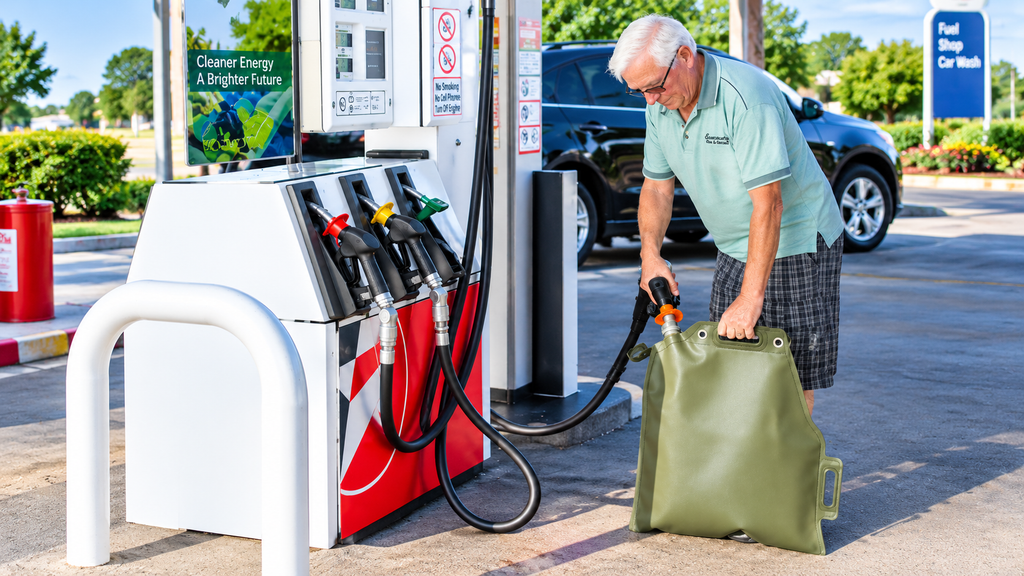
Twenty liters hits that sweet spot. It’s heavy when it’s full, don't get me wrong about 20 kilos (44 pounds) give or take. But it’s manageable. You can wrap an arm around it, you can carry it from the truck to the boat ramp without looking like you’re struggling. It holds enough fuel to run my generator for a solid day during hunting season or fill up the dirt bikes for a weekend ride. It’s the just right portion of the fuel world.
The Day I Realized "Safety" Actually Matters
We throw the word safe around a lot, but I learned the hard way what unsafe looks like. My old can had a vent that was clogged or something. When I opened it, air rushed in, and then fuel rushed out. It was like opening a shaken soda.
The new 20-liter tank I got has this fancy spout. I think they call it a self-venting nozzle. Basically, you flip a lever, and it opens the airway while you pour. The fuel comes out in a steady stream, no glugging, no spitting, no sneakers getting ruined. It actually stops when I want it to. It sounds stupid to be this happy about pouring liquid, but when you've spent years fighting with equipment, a smooth pour is a small luxury.
Also, the plastic on these things is different. It’s thick. It doesn't have that thin, crinkly feeling. It feels like it could take a beating in the back of a truck or if it tips over on the boat and not split open. That peace of mind? Worth the money.
Let’s Talk About Those Soft Bags (Because They’re Cool)
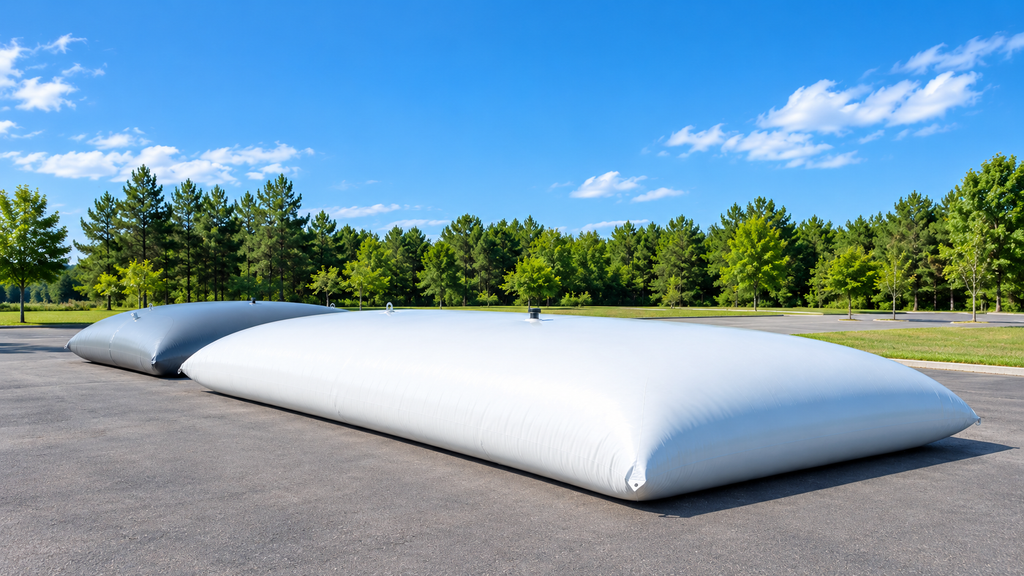
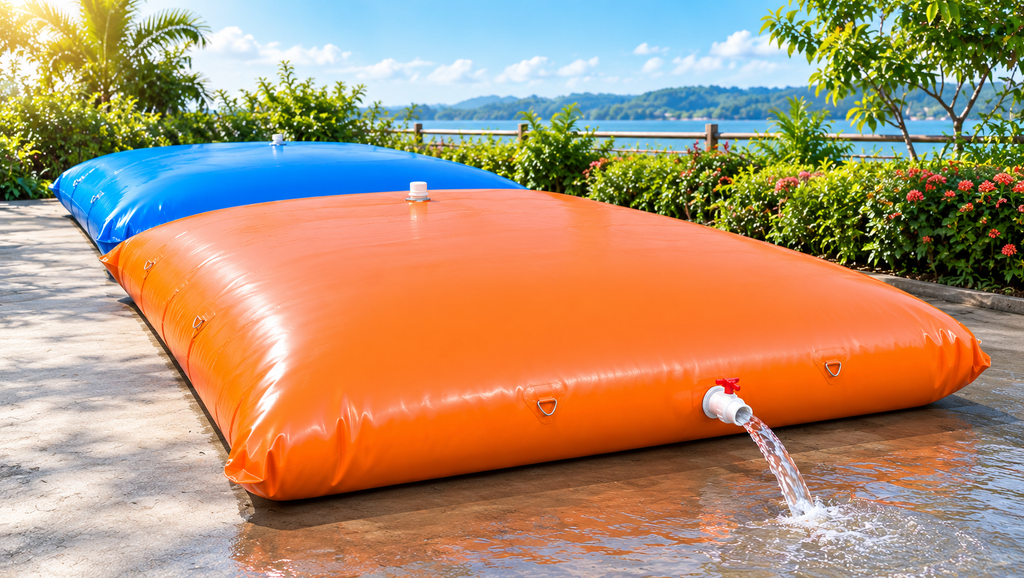
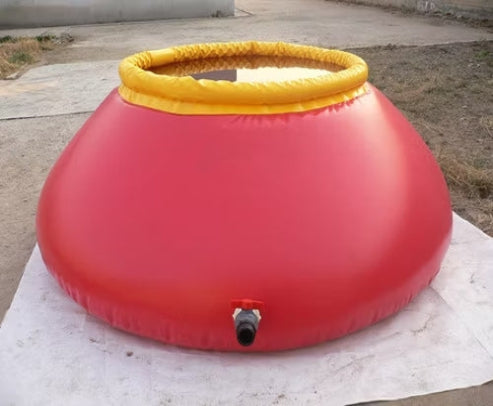
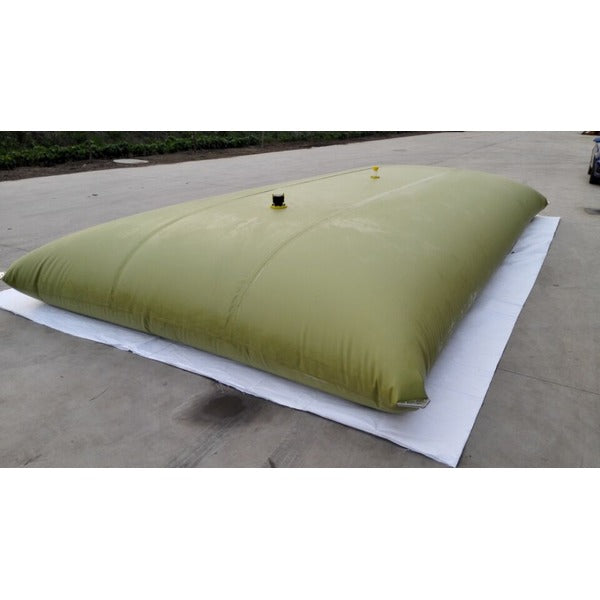
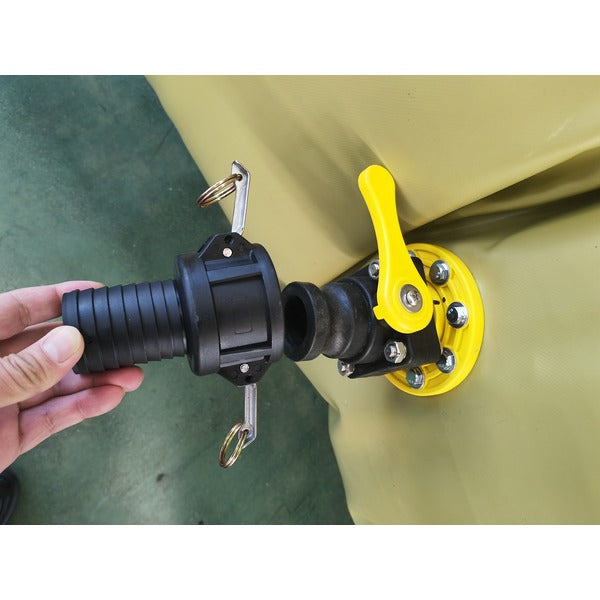
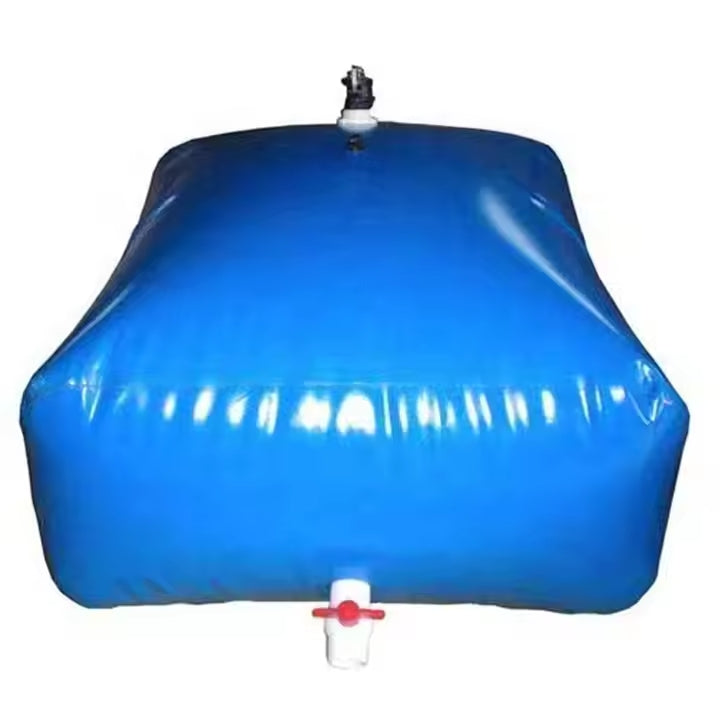
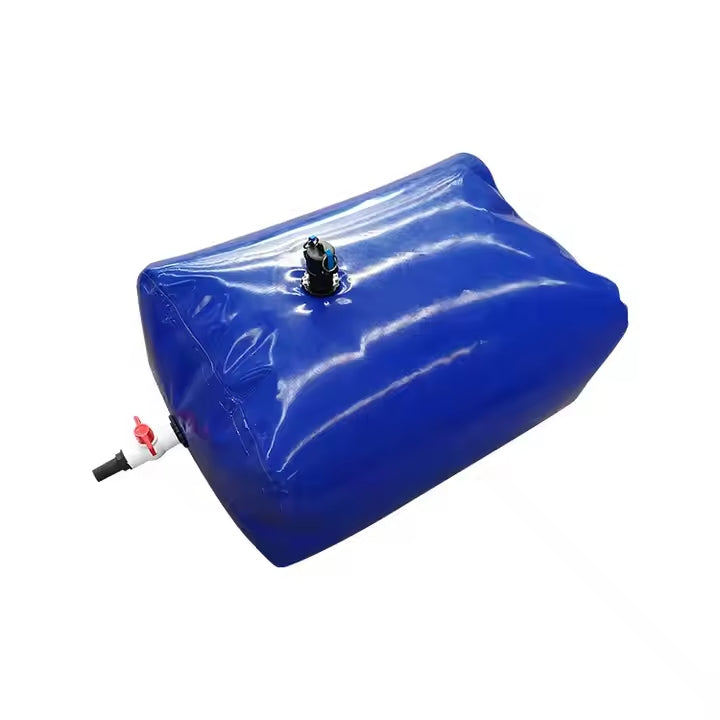
Okay, so I mostly use a rigid tank because it lives in my shed. But a buddy of mine recently dragged me into the 21st century by showing me his portable oil storage bags. At first, I thought he was crazy. You're putting gas in a bag? Like a Ziploc?
But seeing it work changed my mind.
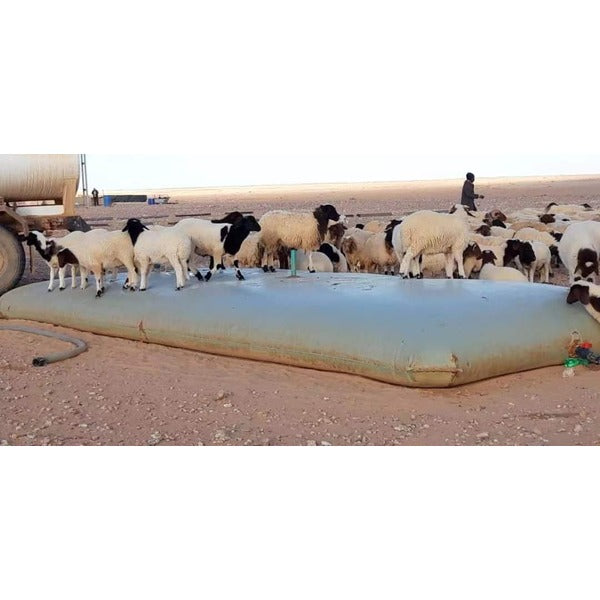
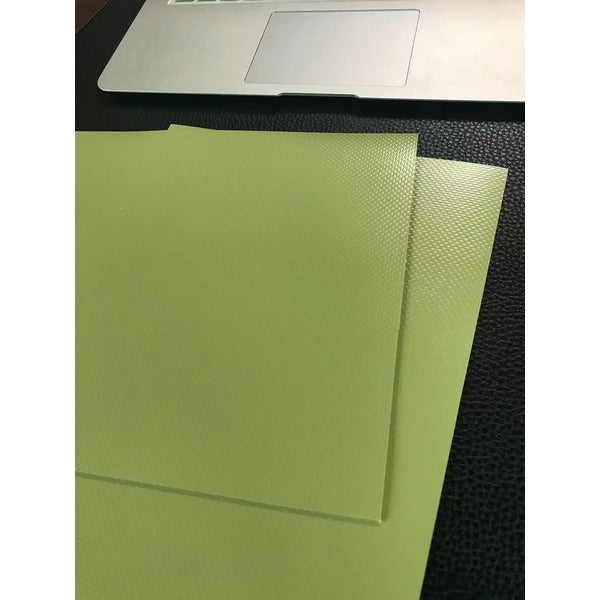
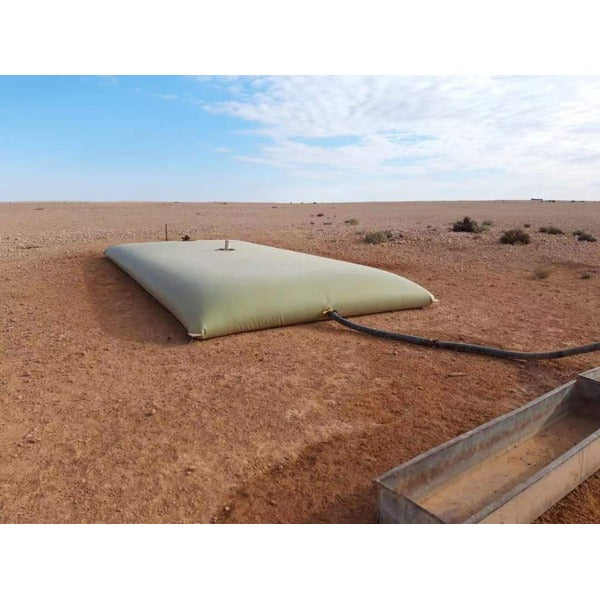
He does a lot of overlanding you know, driving out into the desert for days. Space in his rig is tighter than a drum. He showed me this soft 20L bag, made of this thick rubbery material. When it was empty, he rolled it up and stuffed it under his seat. You can't do that with my plastic tank. My tank, when empty, just sits there taking up the same amount of space being useless.
He fills it up, throws it in his roof basket, and because it's soft, it doesn't rattle. It just kind of... sits there. Conforms to the space. If you’re a kayaker, a boater, or an off-roader where every inch counts, those soft bags are a revelation. They make fuel transportation on rough terrain way less stressful because there’s no hard plastic to crack if you bounce off a rock.

The Stuff Nobody Tells You
Since I started using a decent tank, I've learned a few things the internet doesn't always shout about.
First, if you buy a yellow or red tank, write on it with a paint pen. I have a blue one for water and a yellow one for fuel. But guess what? They look the same when you're half asleep. I grabbed the wrong one last month and almost put gas in my coffee maker while camping. (Okay, not really, but I did almost pour it in a pan for washing dishes.) Label your stuff.
Second, don't be a hero. If you buy a 20L tank, don't fill it to the absolute tippy-top if it's hot outside. Gas expands. Leave a little room. Otherwise, you'll open the cap and get a face full of vapor.
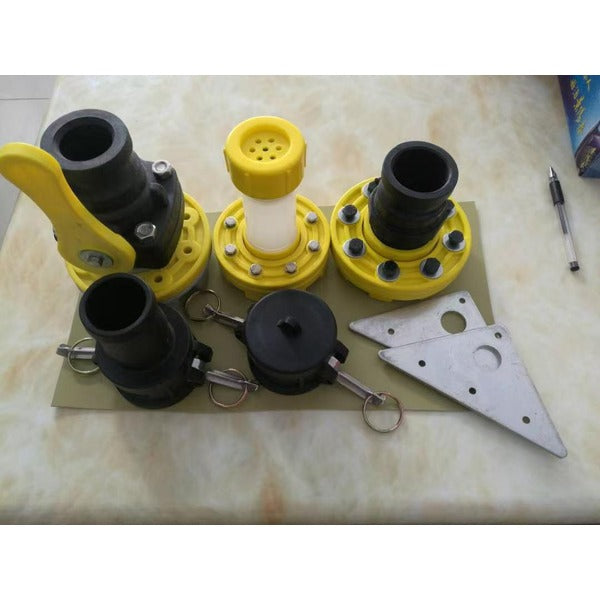
And finally, those cheap nozzles that come with some tanks? Throw them away. Invest in a good replacement nozzle with a trigger lock or a flexible hose. It turns a frustrating chore into a two-second job.
Why I'm Never Going Back
I look at that sticky old red jug in the corner of my garage now (I keep it for mixing old oil, it's harmless) and I wonder why I suffered for so long.
Having a solid 20L portable oil tank isn't about being a gear snob. It’s about not starting your day angry. It’s about grabbing the can, filling the chainsaw, and getting to work without a fuel-soaked sleeve. It’s about knowing that if you strap it to the trailer for a trip, it’s not going to leak all over the camping gear.
If you're still wrestling with those flimsy store-brand jugs, do yourself a favor. Upgrade the one thing you touch every time you need power. Your shoes will thank you.