
Portable Round Fish Tanks: A Flexible Solution for Aquaculture Projects
Aquaculture is becoming an important way to meet the growing demand for fish while making efficient use of available space and water resources. However, building traditional concrete or earthen ponds can require significant preparation, construction time, and investment. For fish farmers who need a more adaptable setup, portable round fish tanks offer a practical alternative.
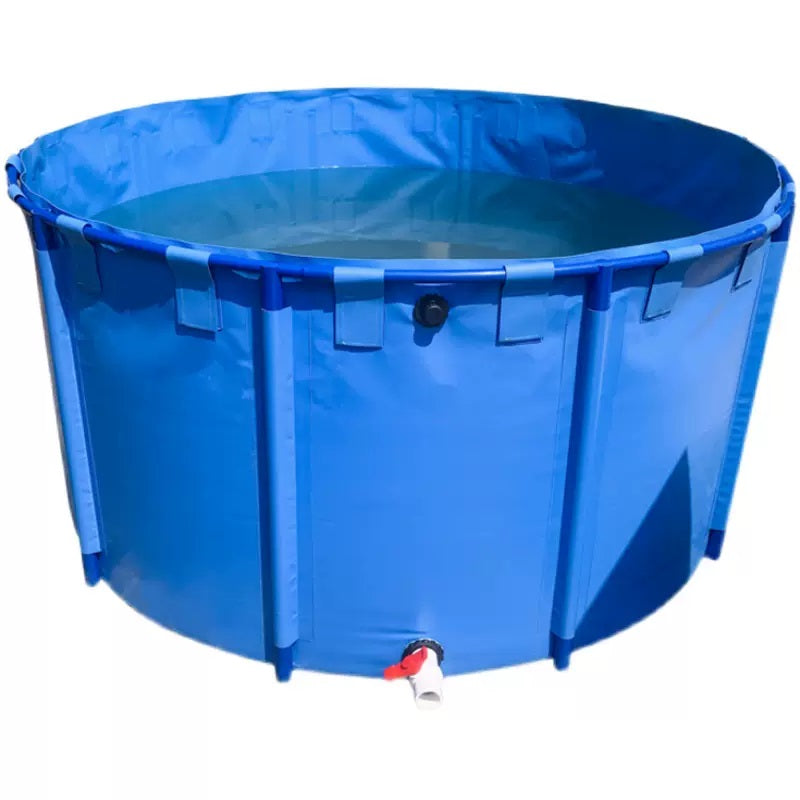
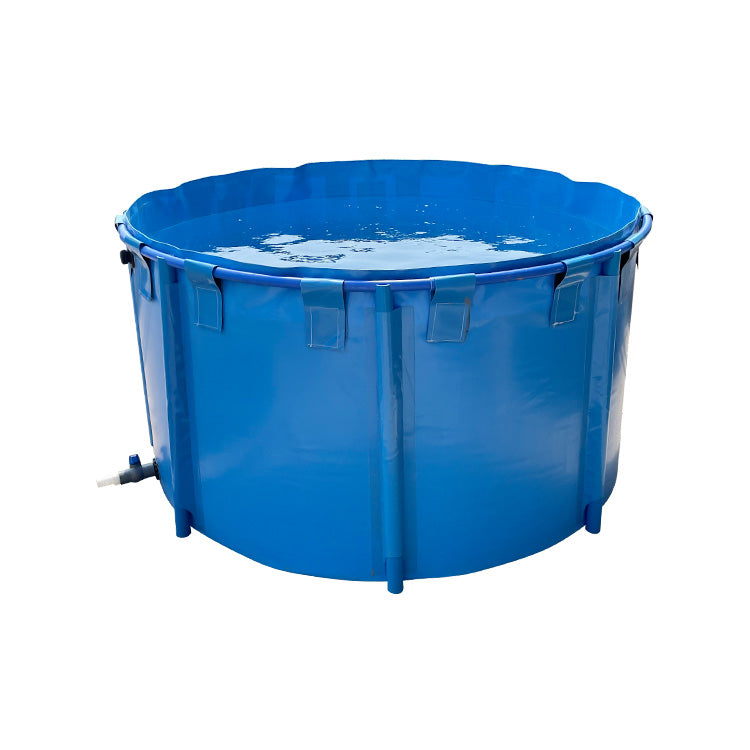
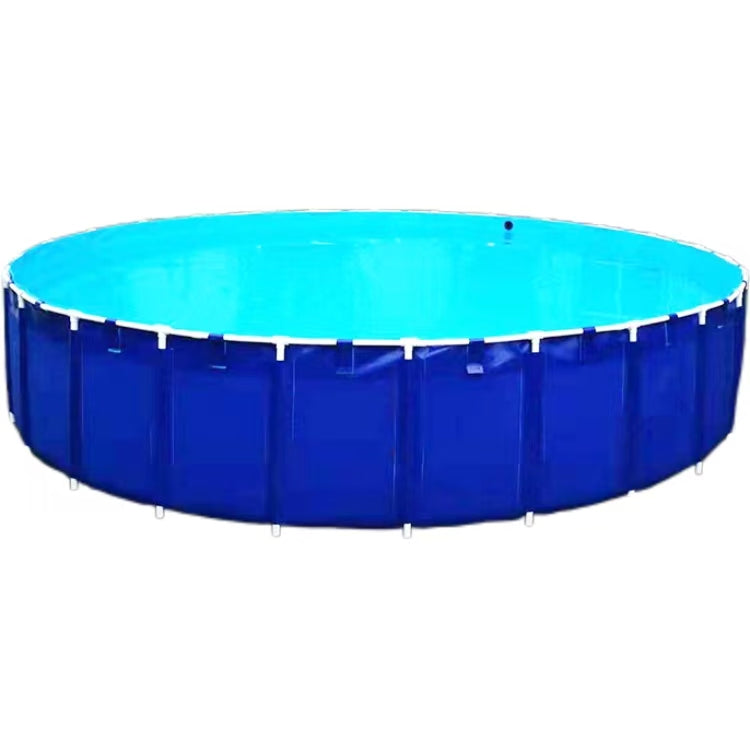
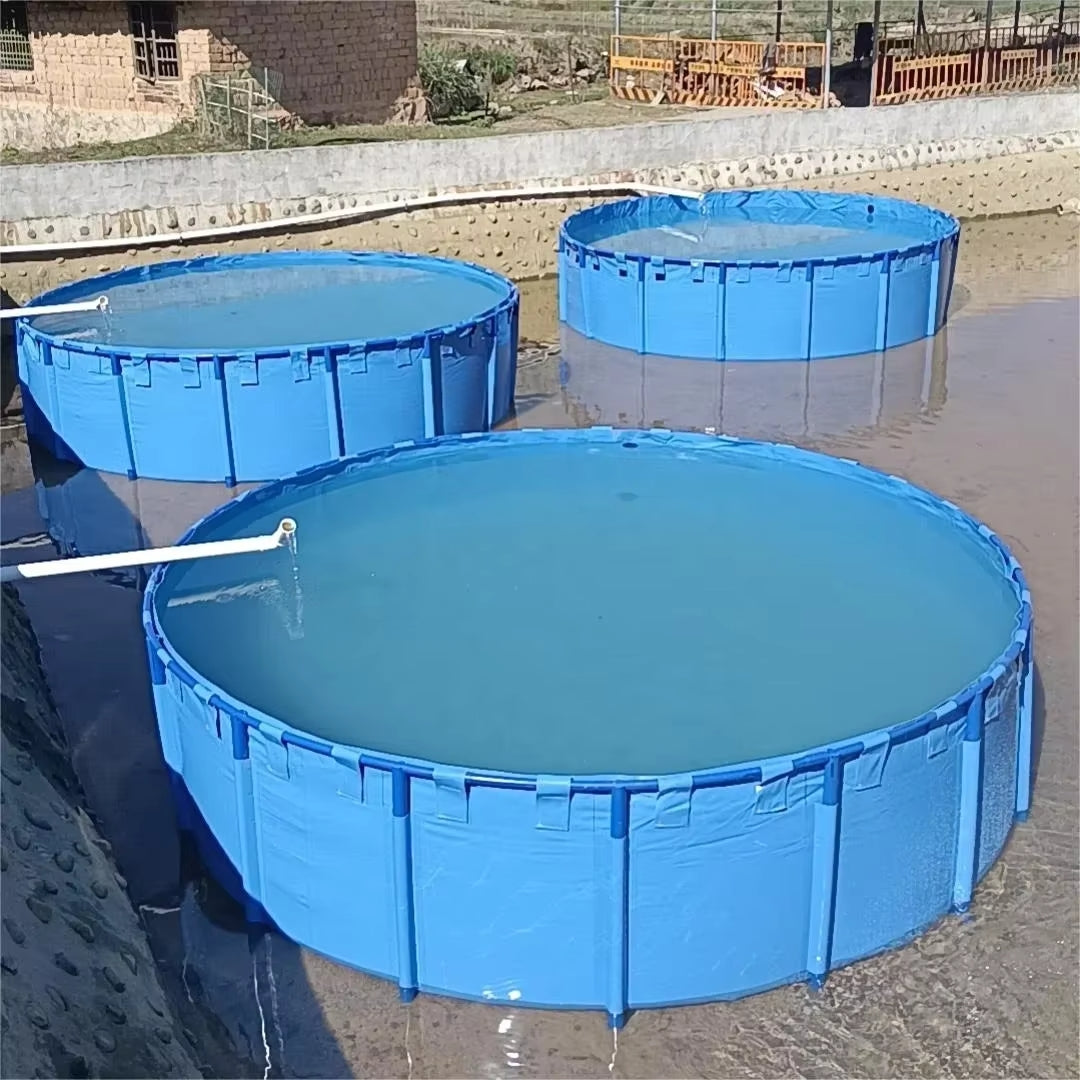
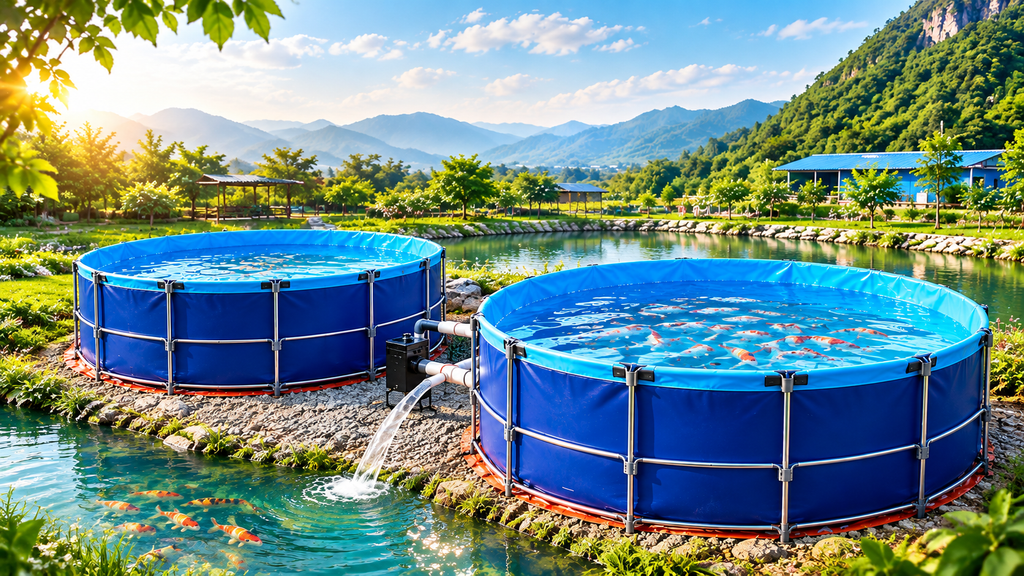
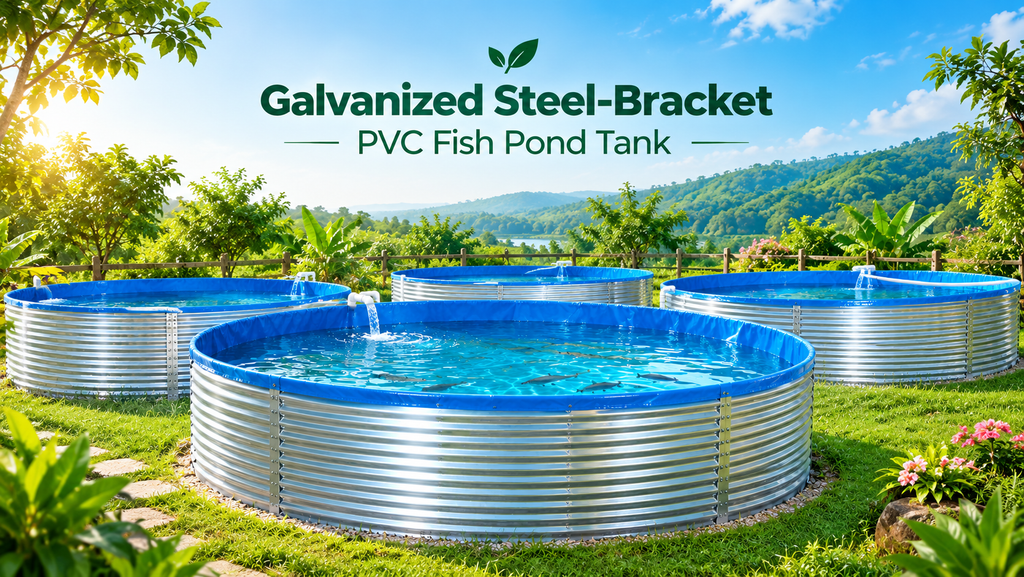
A portable round fish tank combines a galvanized steel frame with a durable PVC liner to create a reusable water containment system. Designed for commercial fish farms, hatcheries, aquaponics, and research facilities, this type of tank can help simplify installation and provide greater flexibility when aquaculture operations change. The RAINBOW round fish tank is available in capacities ranging from 5 m³ to 1,060 m³, with customized sizes available for different projects.

What Is a Portable Round Fish Tank?
A portable round fish tank is a modular aquaculture system designed to hold water for fish farming and related applications. Unlike a permanent concrete pond, it uses a supporting metal frame and a flexible liner to create a contained environment for aquatic production.
The SoftLiquidTank model features a galvanized steel frame and a premium PVC tarpaulin liner with a listed thickness of 0.8–1.2 mm, depending on the selected tank size. Its bolt-together frame supports assembly, dismantling, and relocation when required.
The round design also supports water circulation, while the smooth liner makes cleaning and routine water management more convenient. These features make portable tanks suitable for both small aquaculture projects and larger commercial operations.
Why Choose a Round Fish Tank for Aquaculture?
1. Flexible Installation for Different Locations
Traditional ponds often require extensive site preparation and permanent construction. A modular round fish tank provides an alternative for farmers who want to establish an aquaculture setup without building a conventional pond.
The tank can be used at commercial fish farms, hatcheries, agricultural properties, aquaponic greenhouses, research facilities, and suitable backyard locations. Its modular structure also makes it useful for temporary or mobile fish-farming projects.
Before installation, the site should be checked for ground stability, drainage, access to water, and the equipment needed to operate the fish-farming system.
2. Durable Frame and Waterproof PVC Liner
A dependable tank structure is essential for containing water and supporting everyday aquaculture operations.
The galvanized steel frame provides structural support and corrosion resistance, while the PVC liner forms the waterproof containment layer. The product is listed as UV-resistant, waterproof, reusable, and suitable for outdoor aquaculture applications.
Together, these materials offer a practical alternative to rigid pond construction. However, the tank still requires suitable ground support, correct assembly, and routine inspection to maintain reliable performance.
3. Multiple Capacity Options
Fish farms have different space requirements, stocking plans, and production goals. Choosing the right tank capacity helps farmers plan their operations more effectively.
The product range includes several options:
|
Capacity |
Listed Dimensions (Diameter × Depth) |
|
5 m³ |
2.1 × 1.5 m |
|
10 m³ |
3.0 × 1.5 m |
|
22 m³ |
4.3 × 1.5 m |
|
42 m³ |
6.0 × 1.5 m |
|
75 m³ |
8.0 × 1.5 m |
|
118 m³ |
10 × 1.5 m |
|
230 m³ |
14 × 1.5 m |
|
471 m³ |
20 × 1.5 m |
Larger capacities, including 800 m³ and 1,060 m³, are also listed. Custom sizes can be requested to suit specific aquaculture projects.
4. Easier Cleaning and Water Management
Water quality directly affects fish health, feeding, growth, and survival. The smooth PVC liner makes the tank easier to clean than many uneven pond surfaces, helping farmers carry out routine maintenance.
A round tank can also support water circulation when paired with an appropriately designed water inlet, outlet, and circulation system. However, the tank alone does not guarantee healthy water conditions. Filtration, aeration, temperature monitoring, and appropriate water-quality testing remain essential.
Fish Species Suitable for Portable Round Tanks
Portable round fish tanks can support a variety of freshwater aquaculture activities, depending on the species, tank configuration, and management system.
Tilapia farming: Tilapia is commonly raised in managed aquaculture systems. Farmers should select stocking densities and feeding schedules based on tank capacity, filtration, aeration, and water conditions.
Catfish farming: Catfish production can benefit from organized feeding and water management. Adequate oxygen supply and waste removal are important when stocking fish at higher densities.
Trout farming: Trout generally require carefully controlled water temperatures and high dissolved oxygen levels. A suitable tank must be supported by a water management system designed for the species.
Koi and ornamental fish: Round tanks can provide a controlled environment for breeding, holding, and raising ornamental fish when appropriate filtration and water-quality practices are followed.
The product is also listed for hatcheries, aquaponics, and aquaculture research applications.
How to Set Up a Portable Round Fish Tank
A successful installation begins with proper planning. Follow these general steps and always use the manufacturer's instructions for the specific tank model.
- Choose the right location. Select a stable, level surface that can support the filled tank and provides access to water, drainage, and electricity where needed.
- Select the tank capacity. Consider your fish species, expected stocking density, available space, and planned production volume before ordering.
- Assemble the metal frame. Connect the galvanized steel components according to the supplied assembly instructions. Check that the structure is secure before proceeding.
- Position the PVC liner. Place the liner carefully inside the assembled frame, keeping it free from sharp objects, folds that could cause damage, and unnecessary tension.
- Inspect before filling. Check the frame, liner, and any supplied connections. Fill the tank gradually and monitor the structure for leaks or other problems.
- Install aquaculture equipment. Prepare suitable aeration, filtration, water circulation, and drainage arrangements according to the fish species and production plan.
- Prepare the water before stocking. Test relevant water parameters and ensure the system is ready to support the intended fish species before introducing fish.

Portable Fish Tanks vs. Traditional Ponds
|
Feature |
Portable Round Fish Tank |
Concrete Pond |
Earthen Pond |
|
Installation |
Modular assembly |
Permanent construction |
Excavation required |
|
Portability |
High |
None |
None |
|
Relocation |
Possible after dismantling |
Difficult |
Difficult |
|
Cleaning |
Relatively easy |
Moderate |
More demanding |
|
Custom sizing |
Available |
Project-dependent |
Site-dependent |
|
Reusability |
Yes |
Limited |
Limited |
|
Expansion |
Flexible with planning |
Often costly |
Requires additional landwork |
Portable round fish tanks are especially useful when flexibility, relocation, and relatively fast installation are priorities. Concrete or earthen ponds may still be preferable for some established farms, depending on land availability, production requirements, and long-term operating plans.
Maintenance Tips for Long-Term Use
Regular maintenance helps protect the tank and maintain suitable conditions for fish.
● Inspect the steel frame and connections periodically for looseness, damage, or signs of corrosion.
● Check the PVC liner for punctures, abrasion, leaks, and unusual wear.
● Remove accumulated waste and maintain the filtration system.
● Monitor dissolved oxygen, temperature, pH, and other relevant water parameters.
● Keep aeration equipment operational and prepare for power interruptions where necessary.
● Avoid sharp tools or objects near the liner.
● Follow the manufacturer's instructions for cleaning, repairs, dismantling, and storage.
For commercial operations, maintaining a regular inspection and water-quality log can help identify potential problems before they affect the fish stock.
Final Thoughts
Portable round fish tanks provide a flexible option for aquaculture projects that require adaptable installation, reusable construction, and practical water management. Their combination of galvanized steel support and a PVC liner makes them suitable for applications ranging from tilapia and catfish farming to hatcheries, aquaponics, ornamental fish production, and research.
With capacities ranging from 5 m³ to 1,060 m³ and custom sizing options, the RAINBOW round fish tank can accommodate a variety of project requirements. Choosing the appropriate capacity, preparing the installation site, and maintaining proper filtration and aeration are essential steps toward a reliable fish-farming operation.
For farmers and aquaculture businesses seeking a flexible alternative to permanent pond construction, a portable round fish tank is worth considering.
Related post
06
Oct