

Portable Power for Every Journey – 5-Gallon Flexible Fuel Can
Let me paint you a picture. You’re three hours into a backcountry drive, the nearest gas station is a speck on your GPS that keeps fading in and out, and your fuel gauge is doing that nervous dance just above empty. Ever been there? Yeah, me too. That knot in your stomach. The quiet math in your head about how many miles you have left versus how many you actually need.
For anyone who spends serious time on the road whether you’re an overlander, a cross-country road tripper, or someone who just hates the anxiety of hunting for fuel in unfamiliar places that feeling is all too familiar. And let’s be honest: lugging around a clunky, heavy metal jerry can that smells like a refinery and takes up half your trunk isn’t exactly a dream solution either.
So what if you could stash an extra five gallons of fuel somewhere that barely takes up space until you actually need it? That’s where the idea of portable power starts to sound less like a marketing phrase and more like a genuine travel hack.

Why Traditional Fuel Cans Drive You Crazy (And Not in a Good Way)
Before we get into the good stuff, let’s acknowledge the elephant in the room or rather, the giant red plastic brick in your cargo area. Traditional fuel containers are heavy, awkward, and stubbornly rigid. They don’t bend, they don’t compress, and they definitely don’t apologize for taking up permanent real estate in your vehicle.
I’ve hauled enough of them to know the drill: they roll around, they drip occasionally, and after you’ve emptied them, you’re still stuck with this awkward empty shell that needs its own seatbelt. For anyone trying to pack light or maximize space, say, for a week-long camping trip or a remote work expedition that’s a real headache.
And then there’s the safety side. Metal cans dent and rust. Plastic ones get brittle in extreme cold. Neither is particularly fun to lift or pour from when you’re tired, hungry, and just want to get to camp before dark.
What Makes a Flexible Fuel Can Different? (Spoiler: It Collapses)
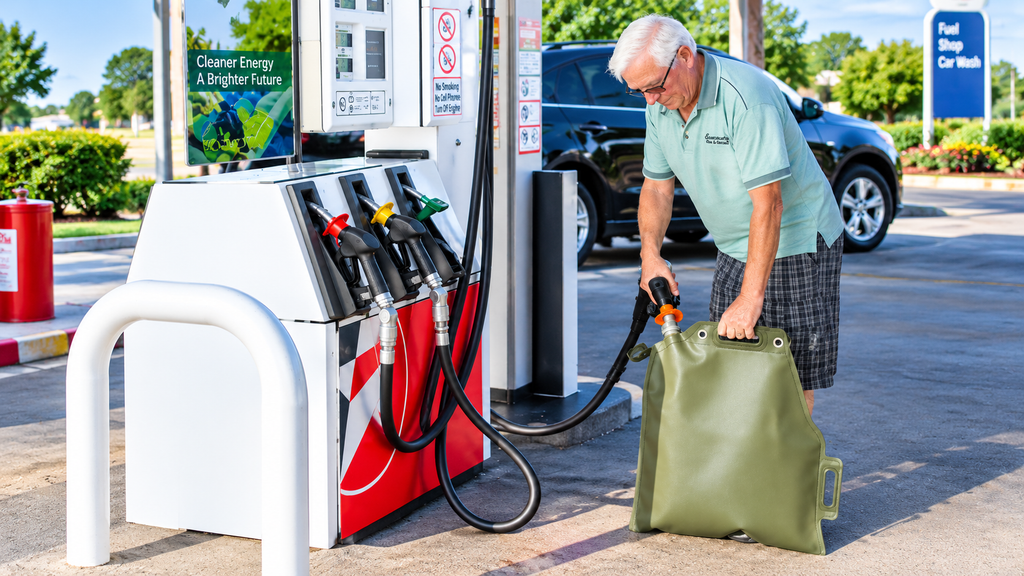
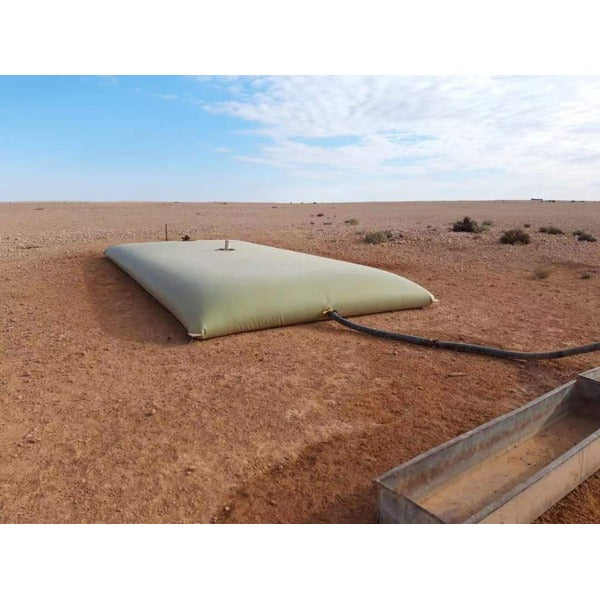
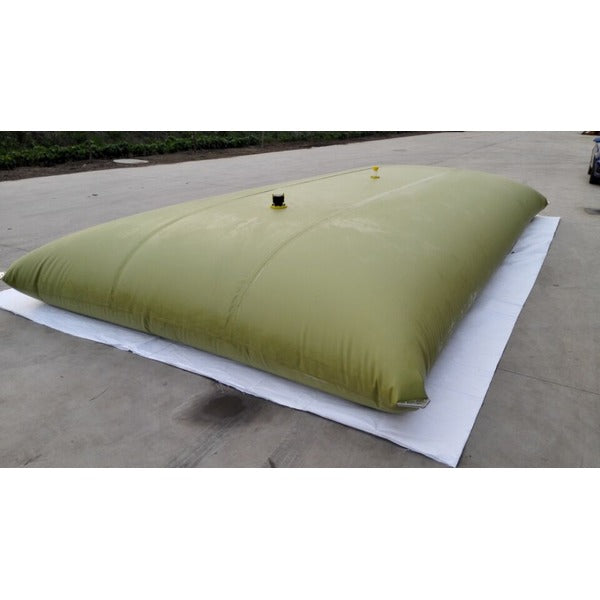
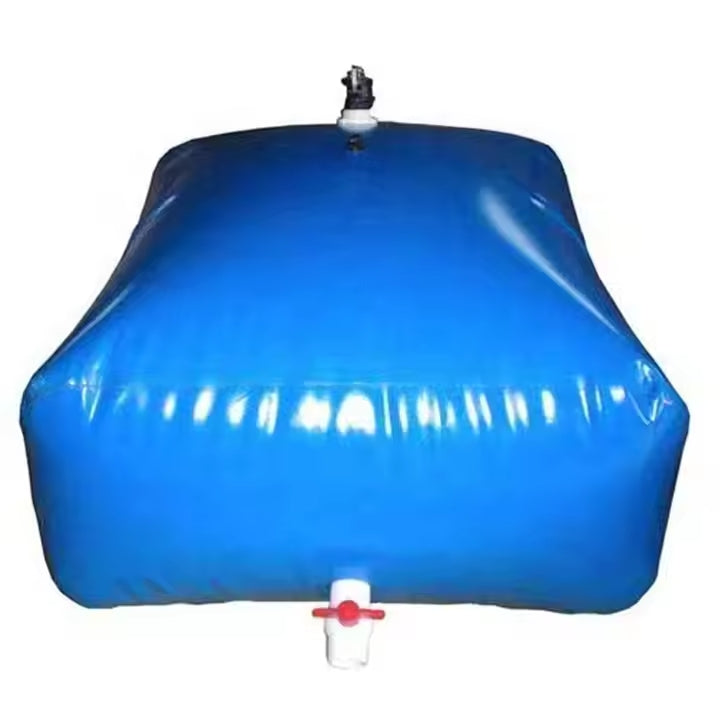
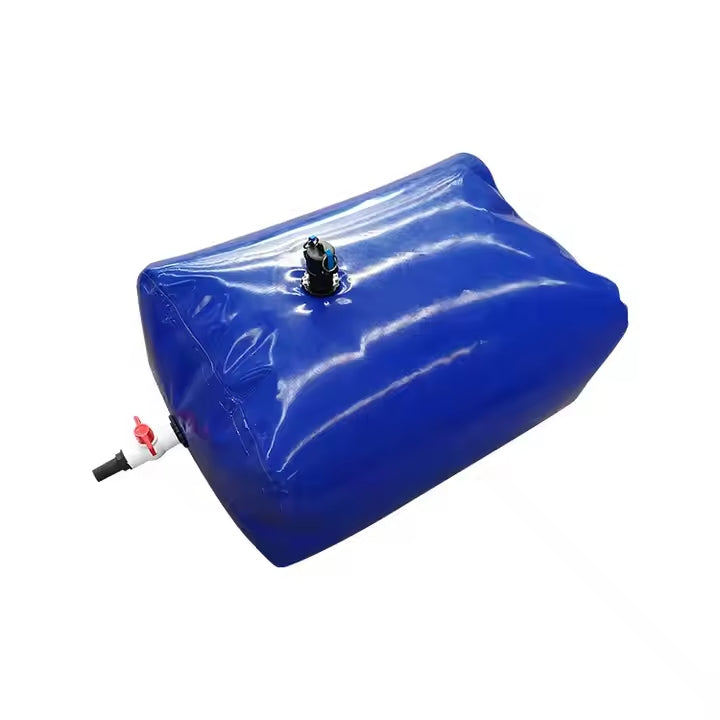
So here’s the concept that actually got me excited: a fuel container that folds down to about the size of a thick novel when it’s empty. Not kidding. The RAINBOW flexible 5-gallon tank I came across collapses to roughly A4 paper dimensions. You can slide it under a seat, tuck it into a backpack, or forget it exists in a side pocket until you suddenly need 20 extra liters of diesel or gasoline.
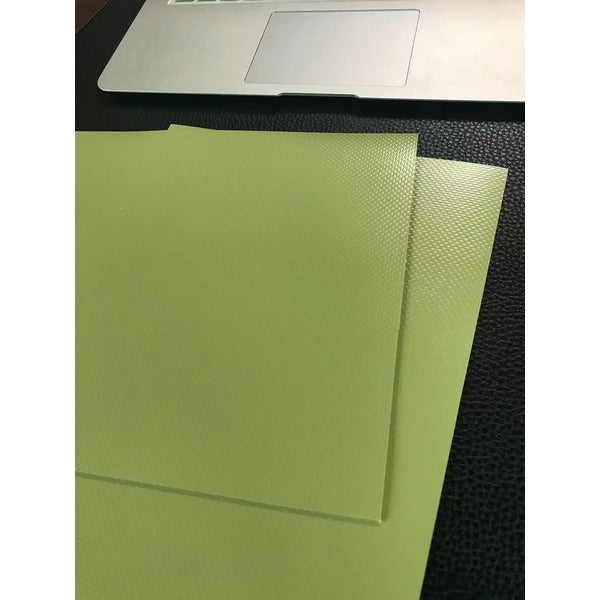
The material is heavy-duty PVC tarpaulin the same kind of stuff they make whitewater rafts from. So it’s not some flimsy bag that’s going to burst the first time you hit a pothole. It handles temperatures from blistering desert heat down to deep-freeze cold without cracking or getting weirdly stiff. And the burst pressure rating? Let’s just say it can take more abuse than you’d expect from something that looks soft.
What really got my attention though was the weight. At around three pounds empty, you’re carrying about a third of what a steel can weighs before you even put fuel in it. Your back will thank you later.
Real-World Scenarios Where This Changes the Game
Let me give you three quick stories not from a brochure, but from actual situations I’ve either been in or heard from fellow travelers who finally stopped wrestling with rigid cans.
Scenario one: The overlanding trip where space is gold.
You’ve got a roof tent, a cooler, recovery gear, and two duffel bags. There’s literally no flat surface left for a traditional gas can. But a soft tank? You wedge it vertically between your cooler and the wheel well. When it’s empty on day four, you fold it and zip it into a side pocket of your duffel. No fuss.
Scenario two: The private pilot running low on options.
A buddy of mine flies a small Cessna into remote airstrips. Carrying extra avgas in metal cans is heavy and awkward, especially when you’re already managing weight and balance. A collapsible 5-gallon tank that handles Jet A1 or avgas, straps down with built-in eyelets, and weighs almost nothing when empty? That’s not just convenient that’s practical peace of mind.
Scenario three: The family camping trip where dad overpacked.
You know who you are. You brought the grill, the inflatable kayak, and three types of chairs. Then you realize you have nowhere to put the emergency fuel. A flexible container slides right on top of the gear, conforms around other bags, and doesn’t turn your SUV into a clanking hardware store.

How to Actually Use One Without Making a Mess
If you’ve never used a soft fuel tank before, it’s simpler than you think but there are a couple things worth knowing.
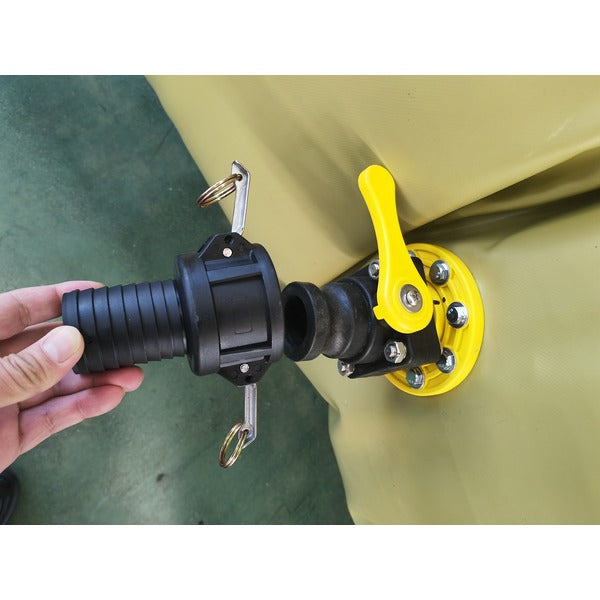
Fill it on a flat surface. The wide mouth (about 36mm) works with most standard nozzles, but take your time. Don’t overfill and leave a little room for expansion, especially if it’s sitting in direct sun. There’s a vent you’ll want to open slightly when it’s warm out to relieve pressure. Just common sense stuff, really.
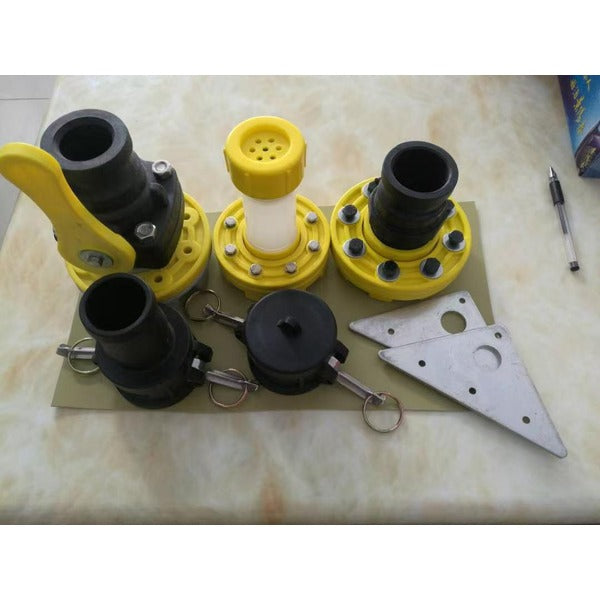
When you’re ready to pour, the included flexible spout makes it way easier than tipping a heavy plastic can. You can actually control the flow instead of playing “how much diesel ends up on my boots.
And here’s the part I really like: once it’s empty, you roll or fold it. No more driving home with empty cans sliding around. No more explaining to your partner why the car smells like a gas station for the next three days.
One quick safety note because we’re all adults here. Keep it away from sharp edges. Don’t leave it overfilled in the blazing sun without venting. And when you’re not using it for a while, store it empty and folded. Basic stuff, but worth saying out loud.
The Bottom Line: Freedom Without the Bulk
Look, nobody buys a fuel can because it’s fun. You buy it because you want the freedom to take the long way, explore that unpaved shortcut, or just sleep better knowing you have a backup plan.
What I appreciate about this Flexible 5-Gallon Diesel Fuel approach is that it removes the trade-off. You don’t have to choose between bringing extra fuel and bringing everything else you need. It tucks away quietly, shows up when you need it, and disappears when you don’t. That’s not just good design that’s genuinely thoughtful problem-solving.
So next time you’re planning a long haul whether it’s a desert crossing, a mountain pass, or just a week of exploring without a schedule, think about what portable power really means for your journey. It might just be the thing that turns a stressful “I hope we make it” into a confident “I’ve got this.