

Flexible Pillow-Shaped Water Storage for Every Need
Have you ever found yourself staring at a massive, rigid plastic water tank and thinking, Where on earth am I supposed to put this thing?" I've been there. You need water storage for your garden, your livestock, or just peace of mind during hurricane season but the thought of hauling a giant, permanent tank into your yard feels like a major commitment. It's heavy, it's awkward, and once it's there, it's there forever.
The good news? You've got options that don't involve buying a forklift.
I'm talking about a smarter, gentler approach to water storage. One that's flexible in every sense of the word. One that actually fits your space instead of taking it over. So before you resign yourself to a life of wrestling with unwieldy containers, let me introduce you to an idea that might just change the way you think about storing water.

You Don't Need a Tank; You Need a Solution
Let's be honest about what we're really dealing with here. A water tank itself isn't the goal. The goal is having water when and where you need it, without the headache. And for so many of us, the headache comes from the storage method itself.
Think about it. Traditional tanks demand a solid, level foundation. They need to be transported empty, which is still a logistical nightmare. They take up permanent square footage. And if you ever decide you don't need it anymore, you're left with a giant plastic shell to dispose of. Not exactly an elegant solution.
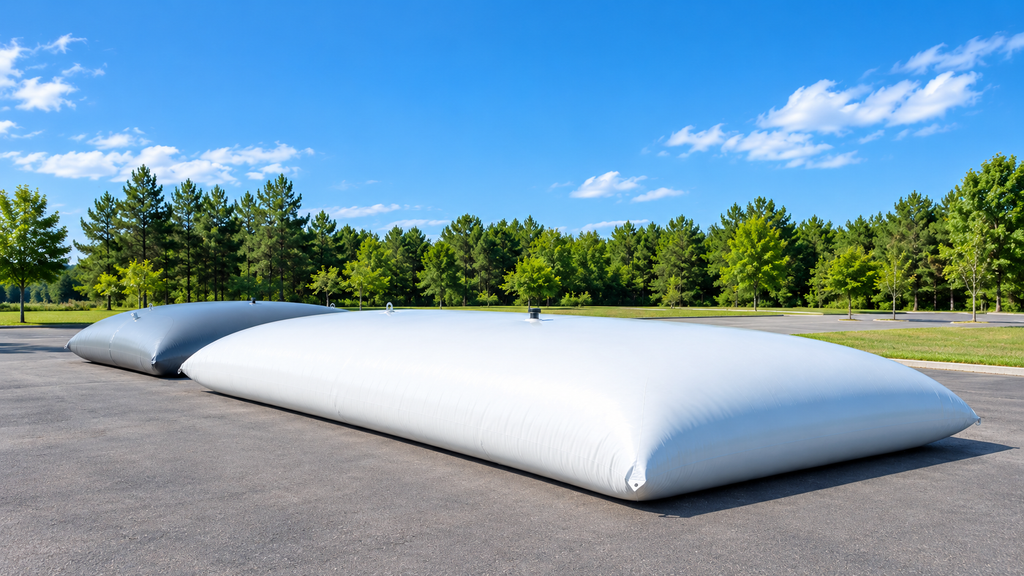
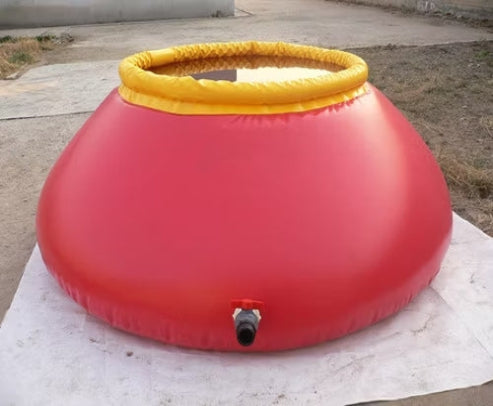
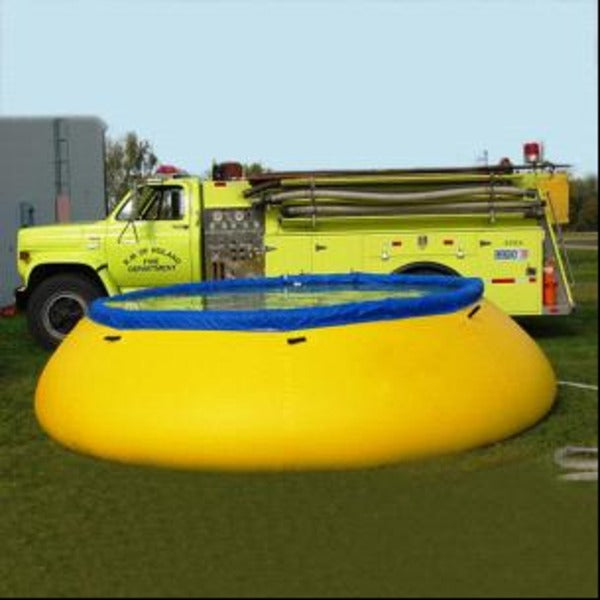
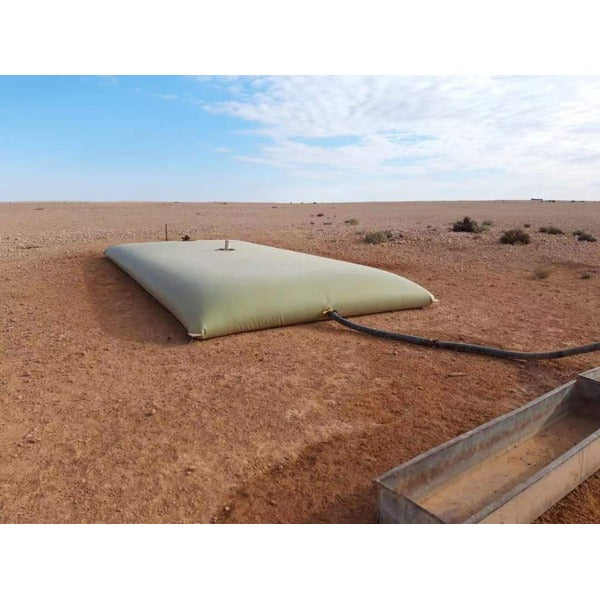
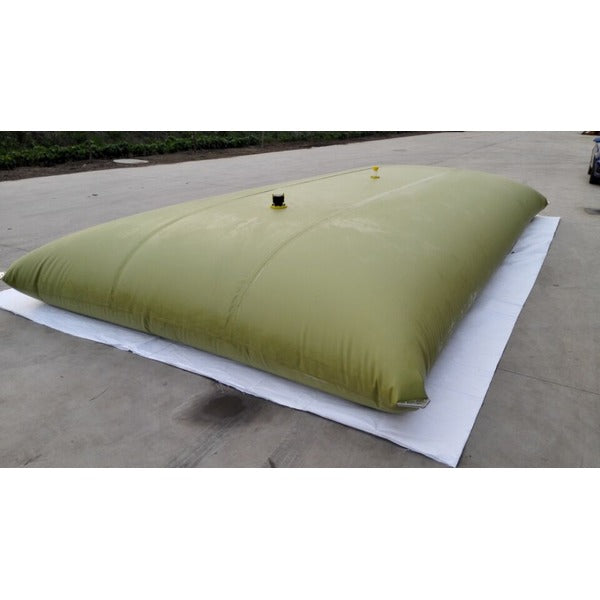
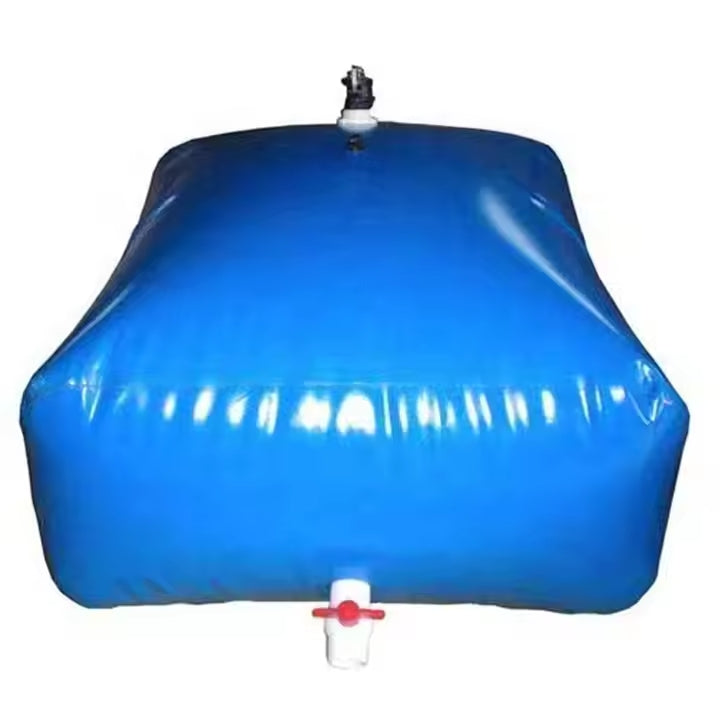
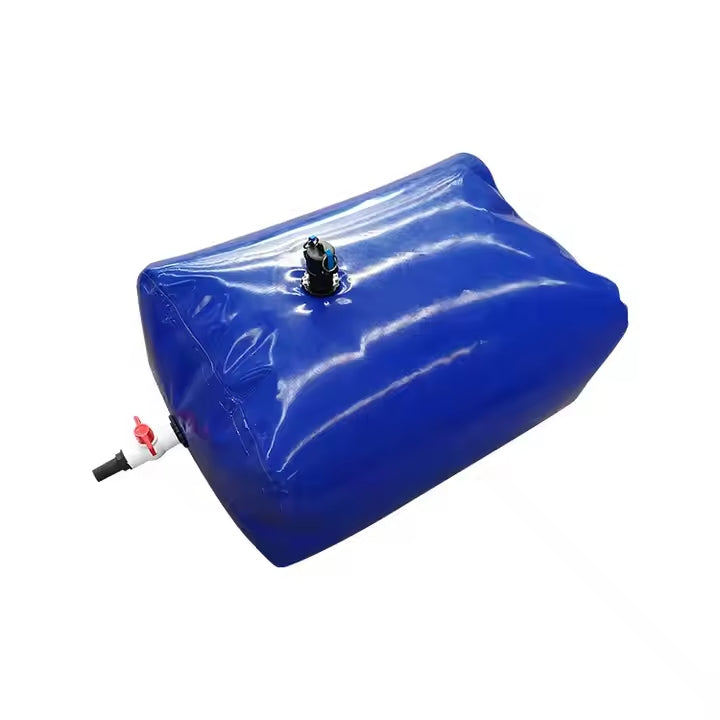
Now, picture this instead: a water storage bag that arrives rolled up in a small box. You unroll it on a flat surface. It starts filling like a soft, oversized pillow. It conforms to the space you have, whether that's under a deck, in a spare corner of the barn, or on a flatbed trailer. It doesn't care if the ground isn't perfectly level. And when you're done with it when the season changes or the emergency passes you just drain it, fold it up, and put it away until next time. No fuss, no permanent footprint.
That's not just a storage tank. That's a "why didn't I think of that" moment waiting to happen.
Where Does a Pillow Tank Actually Fit Into Real Life?
This isn't a one-trick pony. The flexibility of these bags isn't just about how they physically bend; it's about all the different ways they can be used. Let me walk you through a few scenarios that might ring a bell.
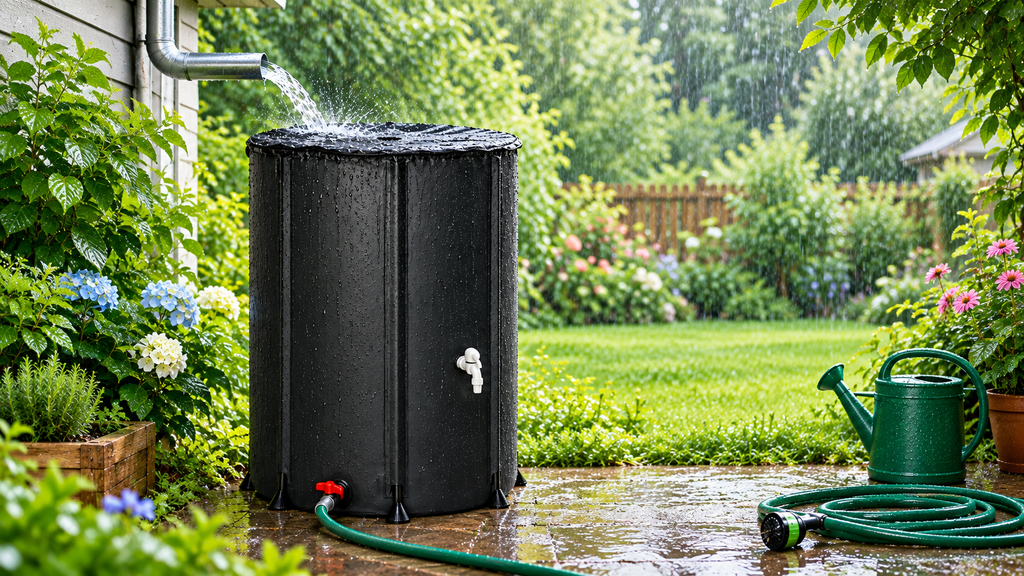
For the home and garden: Rainwater harvesting is wonderful for the environment and for your water bill. But collecting it requires a place to store it. A rigid barrel or tank can be an eyesore. A pillow-shaped water bag, on the other hand, can be tucked discretely along a fence line or beneath a raised deck. It's there, holding hundreds or even thousands of gallons of rainwater for your garden, but it's not the first thing anyone notices when they walk into your backyard.
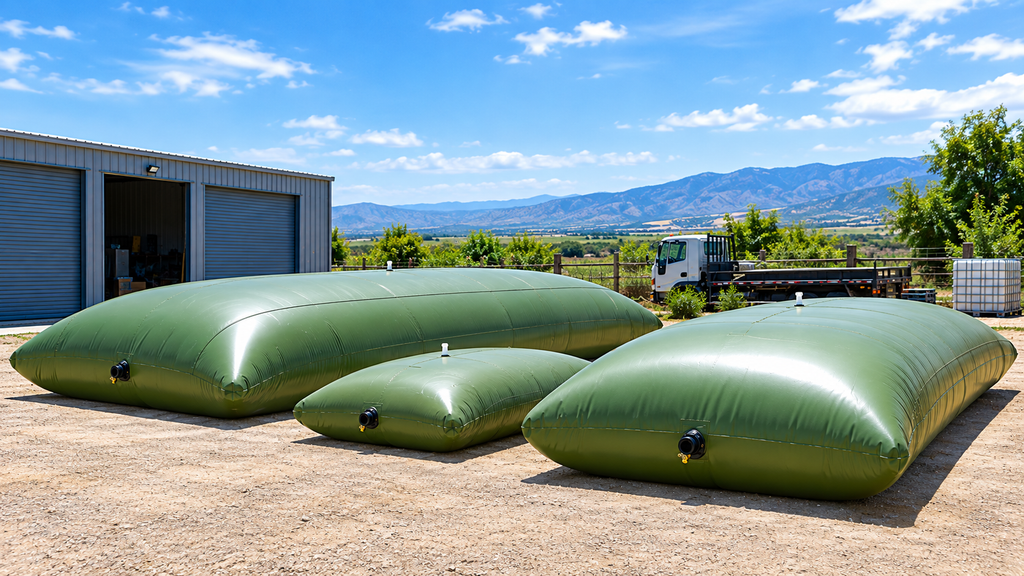
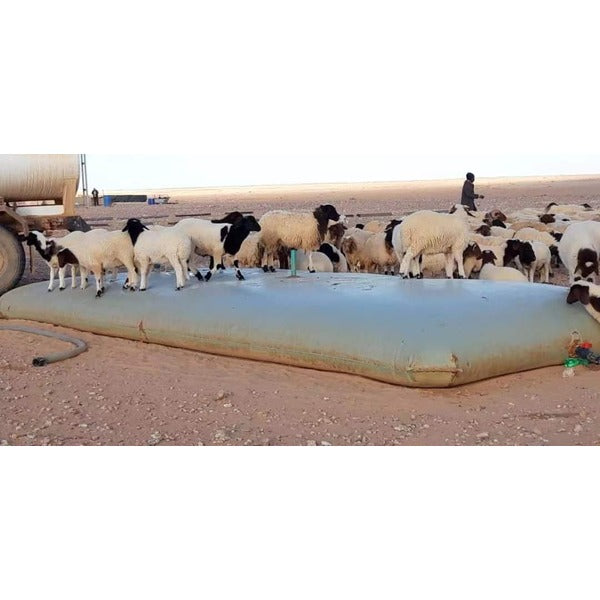
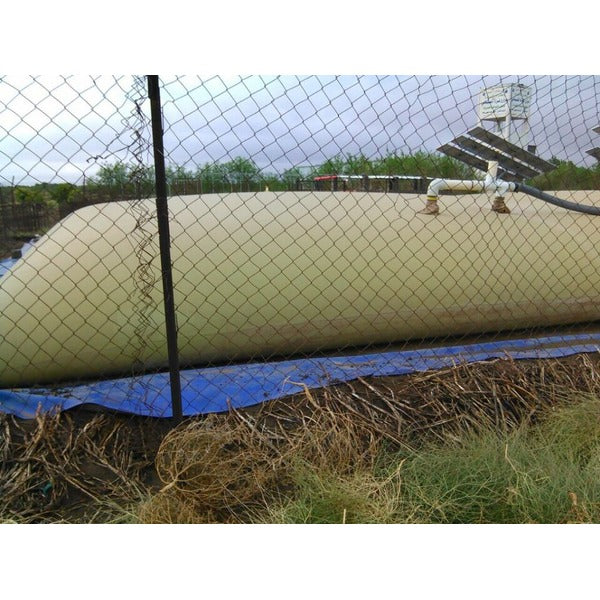
For the farm or ranch: Livestock need water, and they need it consistently. If you're managing animals, you know that running hoses across a field or hauling water in buckets is a daily grind. A large pillow tank can be placed right next to the pasture, filled from a well or a pond, and used to keep troughs full. It's durable enough to handle the rough environment, and it provides that clean, reliable source that keeps animals hydrated and healthy. It's a simple solution that makes your day-to-day work noticeably easier.
For the prepper and the prepared: Emergency water storage is one of those things we all know we should do, but we put it off because it seems complicated or space-consuming. A collapsible water bladder changes the equation. You can store a high-capacity tank flat in your garage or shed, filling it only when a storm is on the horizon or an alert is issued. It's the ultimate in "set it and forget it" preparedness you're ready for the worst, but your storage solution doesn't dominate your life in the meantime.

How It Works: Simpler Than You Think
If you've never used a flexible tank before, the idea might seem a little unusual. Let me demystify it for you. It's genuinely simpler than wrestling with a rigid tank.
Step one: Find your spot. It could be a cleared patch of ground, a tarp in a barn, or the bed of a truck. Just make sure there's nothing sharp that could poke or abrade the material.
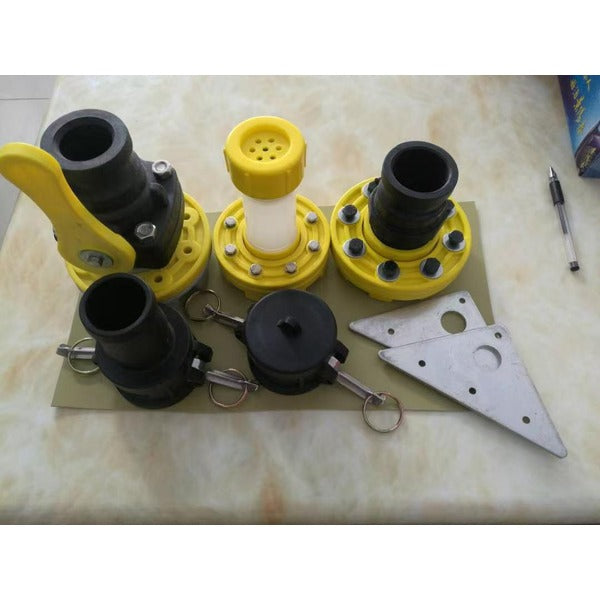
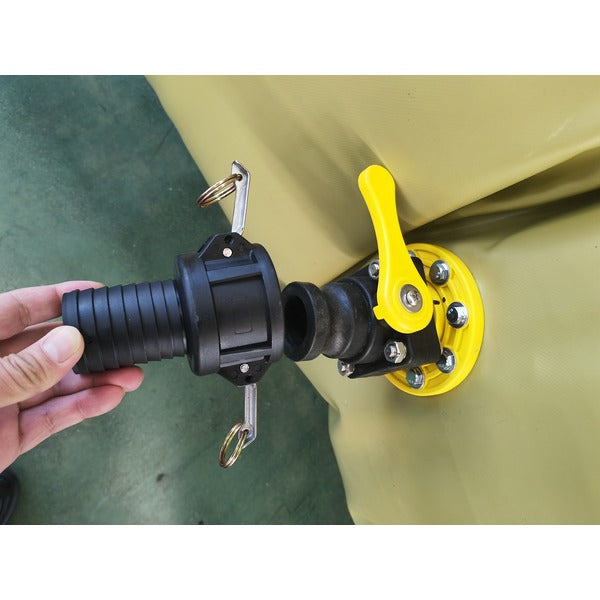
Step two: Unroll the bag and connect your fill hose to the inlet fitting. The pillow tank is designed for standard 2-inch or 3-inch connections, so it's compatible with most hoses and pumps you already have. Then, just turn on the water and let it fill. As the water goes in, the bag takes shape, spreading out into that pillow form. The design ensures it distributes weight evenly, so it's stable and secure.
Step three: When you need to use the water, attach a hose to the outlet ball valve. Gravity does the rest, giving you a steady flow. You can use it directly, or hook it up to a pump for better pressure. And when the bag is empty? Clean it, dry it, fold it, and store it.
One quick tip: Although these bags are incredibly tough, treating them with a little care goes a long way. Avoid dragging them over gravel or exposing them to sharp metal edges. Good practice means a long life.
What to Look For in a Quality Water Bag
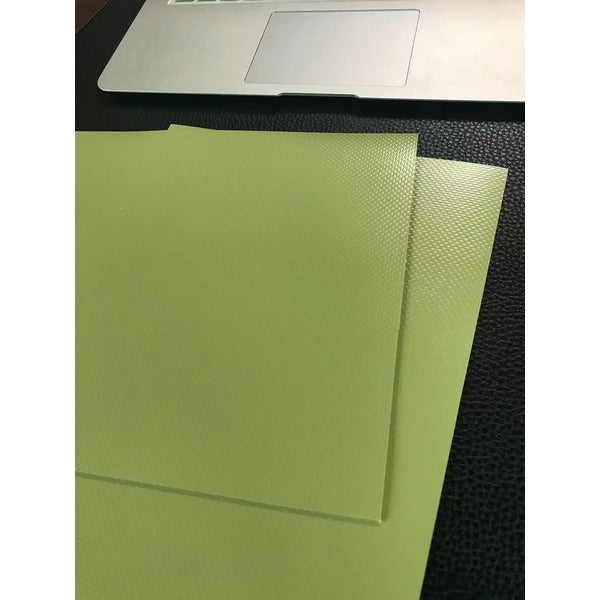
Not all flexible tanks are created equal. When you're choosing one, you want to look for a few key indicators of quality. The material should be a heavy-duty PVC tarpaulin the kind that's UV-resistant and can handle temperature swings without getting brittle. Welded seams are non-negotiable; they prevent leaks along the edges. And the fittings should be solid and leak-proof, so you don't end up with a muddy mess.
The RAINBOW pillow tank, for example, is built to these standards. It's designed for everything from drinking water to rainwater and wastewater, which tells you the material is safe and non-toxic. It's also available in sizes ranging from 10,000 liters all the way up to 50,000 liters, giving you real flexibility to match your needs, whether you're watering a small vegetable patch or managing a large agricultural operation.
The Real Payoff: Freedom and Peace of Mind
Here's what it all boils down to. A flexible water tank isn't just a product. It's a tool that gives you freedom. Freedom from the constraints of rigid, permanent storage. Freedom from the daily chore of hauling water where it needs to go. Freedom from the worry of what will happen to your water supply in an emergency.
That's the real value. It's not in the PVC or the fittings. It's in the quiet confidence of knowing you're prepared. It's in the ease of setting up your irrigation system in half an hour instead of half a day. It's in the extra space in your shed that you can now use for something else.