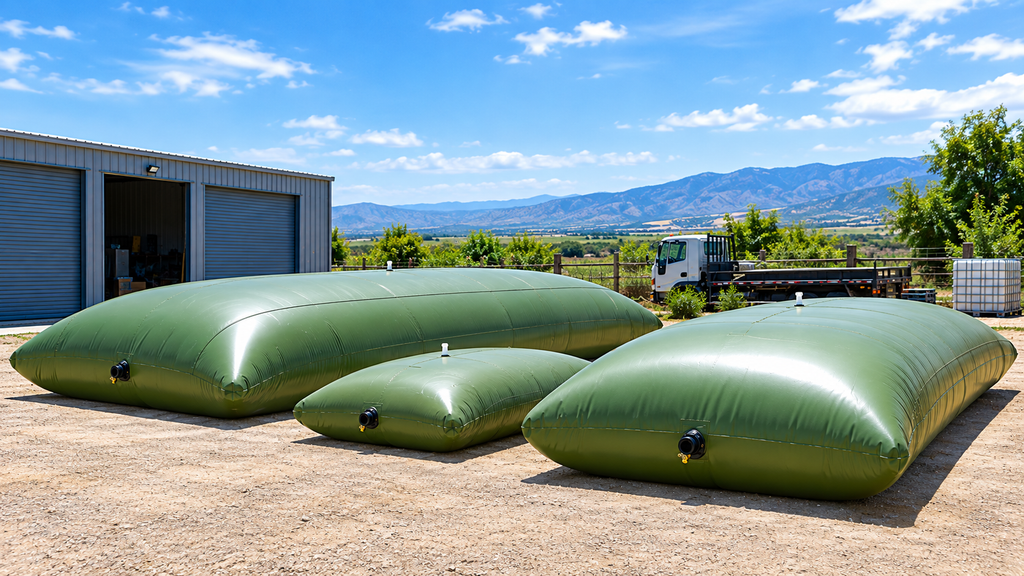


The Space-Saving 500L Rain Barrel Built for Modern Living
Rainwater harvesting has become one of the simplest and most cost-effective ways to reduce water bills while supporting sustainable gardening. Whether you're watering vegetables, maintaining a lawn, washing outdoor equipment, or preparing for emergency water storage, collecting rainwater can significantly reduce your dependence on municipal water.
One of the biggest decisions homeowners face is choosing between a stackable rain barrel and a traditional rain barrel. While both serve the same purpose, they differ in storage capacity, space efficiency, flexibility, and long-term value.
This guide compares both options to help you determine which solution best fits your property and water storage needs.

Understanding the Two Types of Rain Barrels
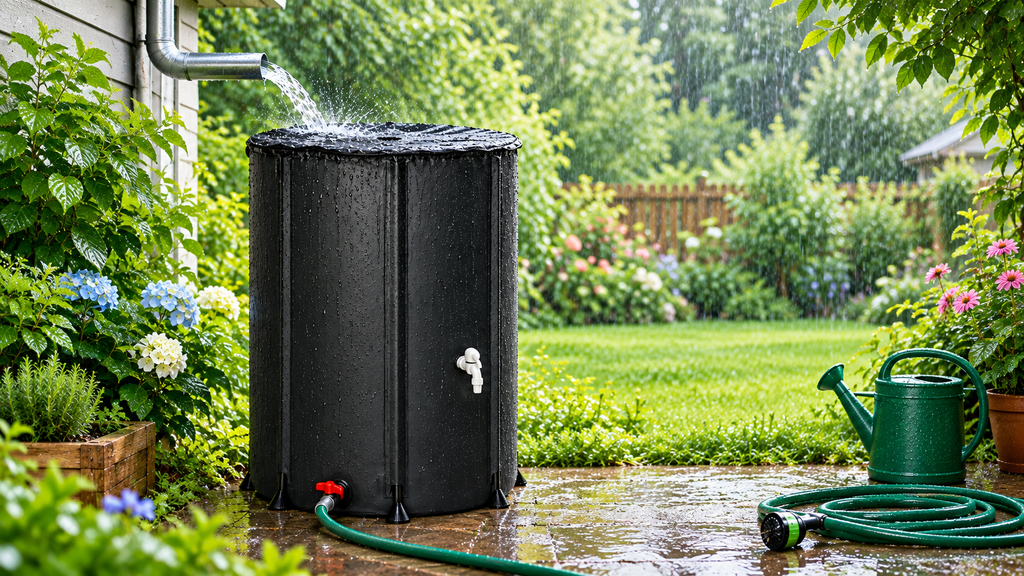
A traditional rain barrel is usually a rigid plastic or resin container positioned beneath a downspout to collect rainwater. These barrels are widely available and typically hold between 50 and 80 gallons of water.
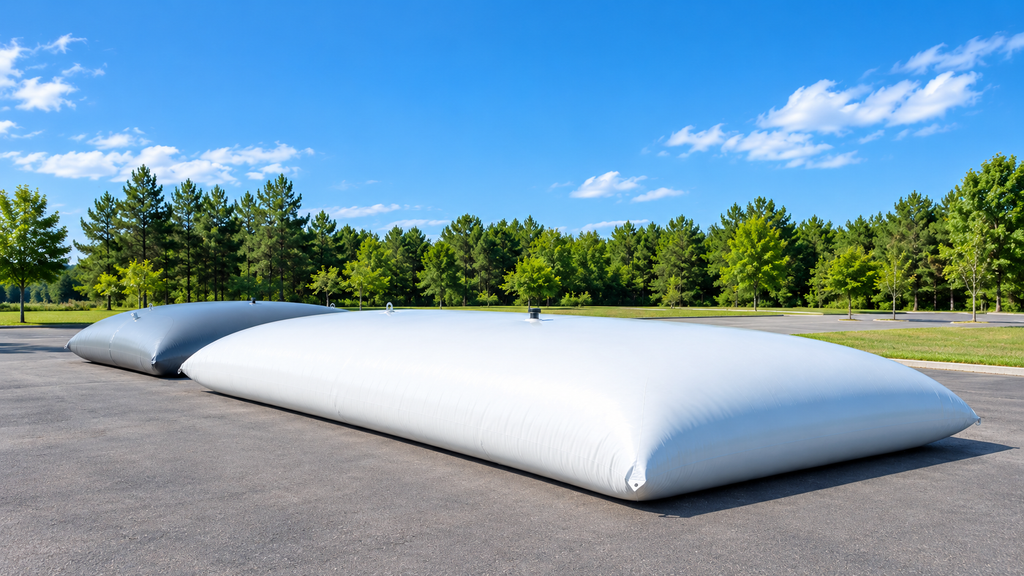
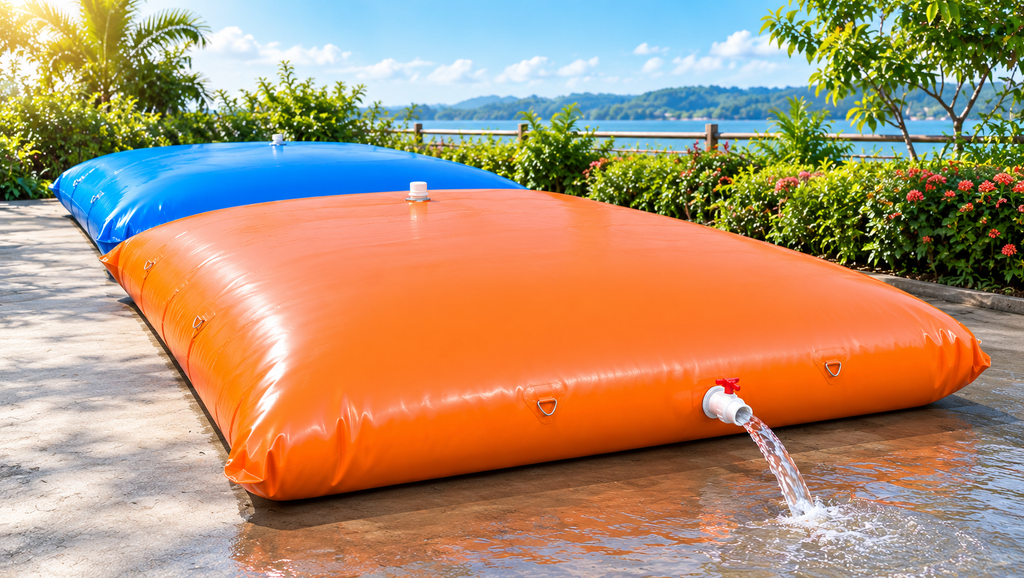
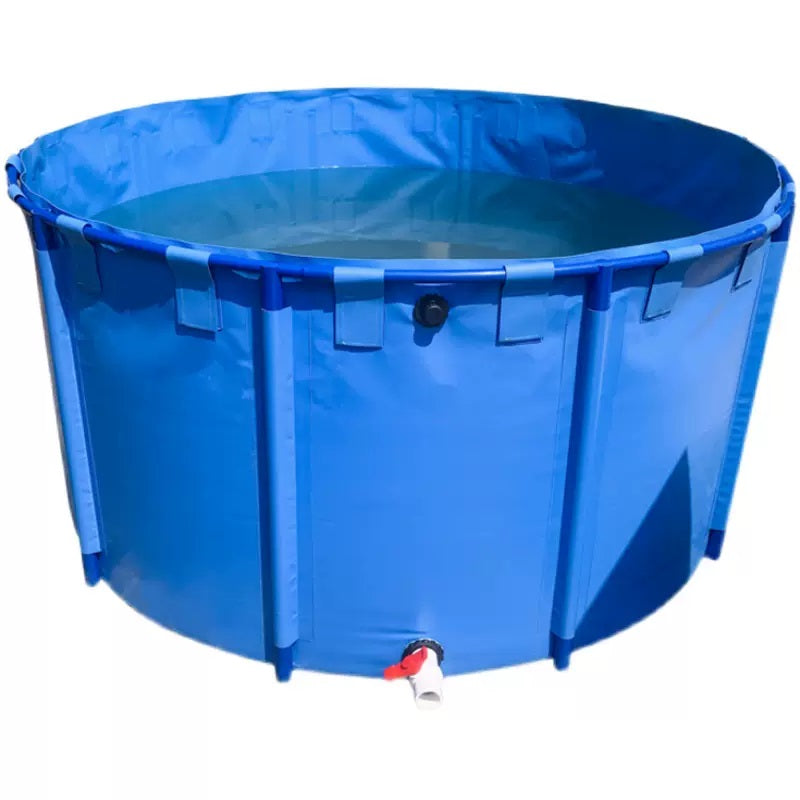
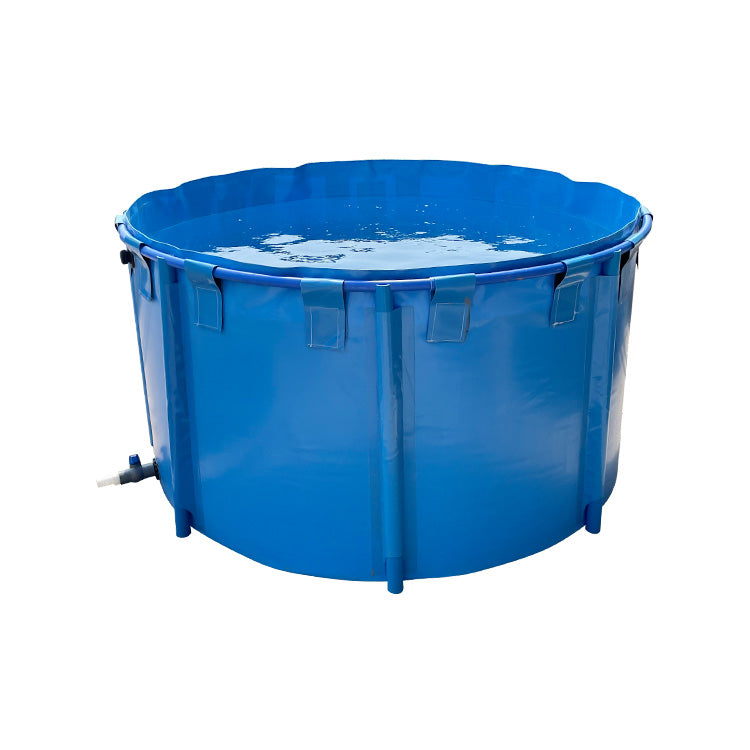
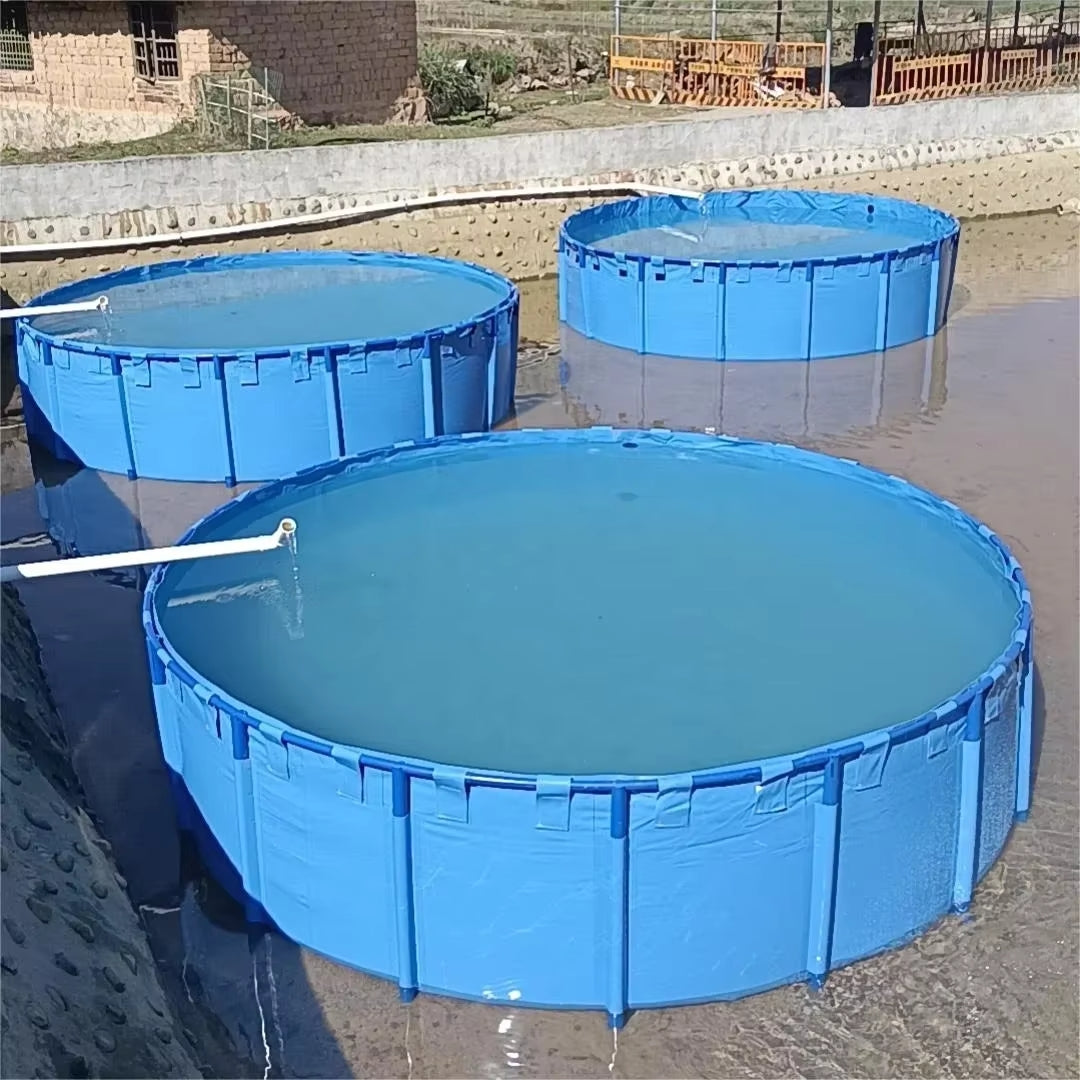
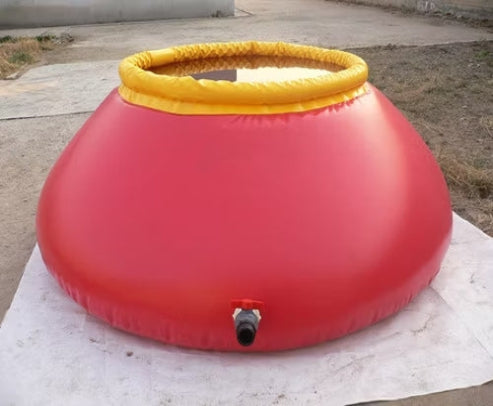
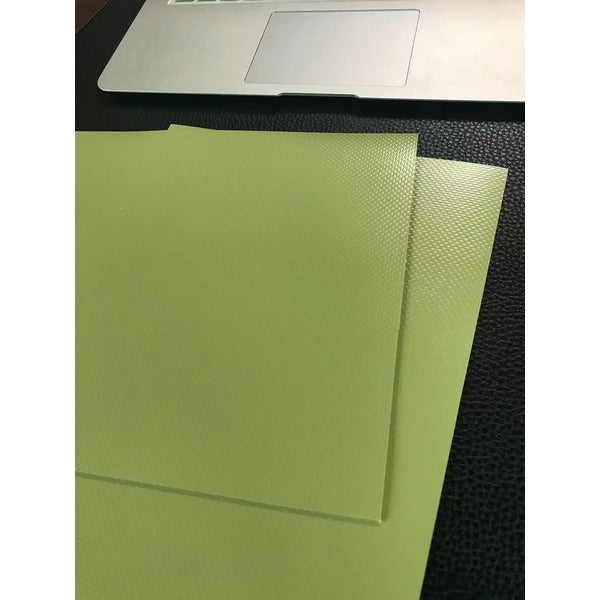
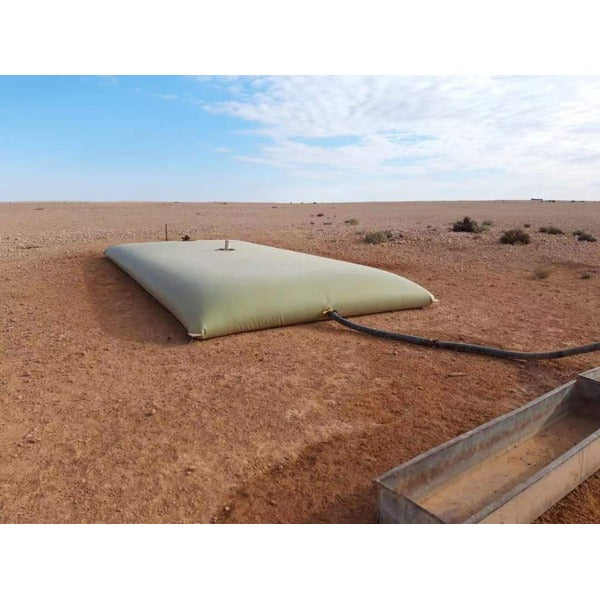
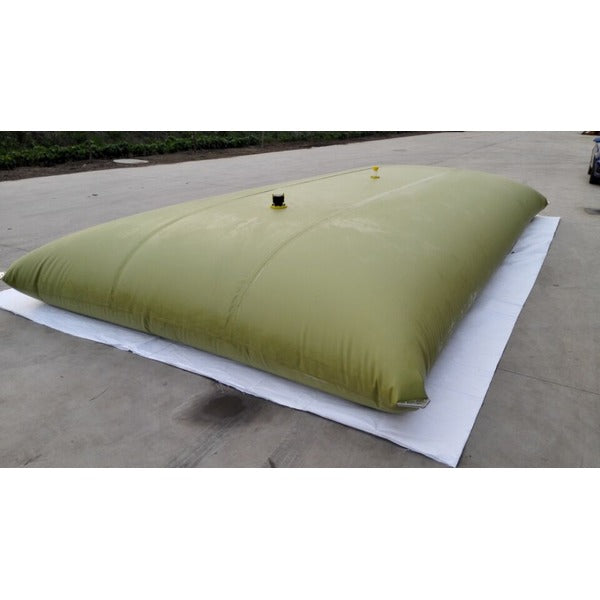
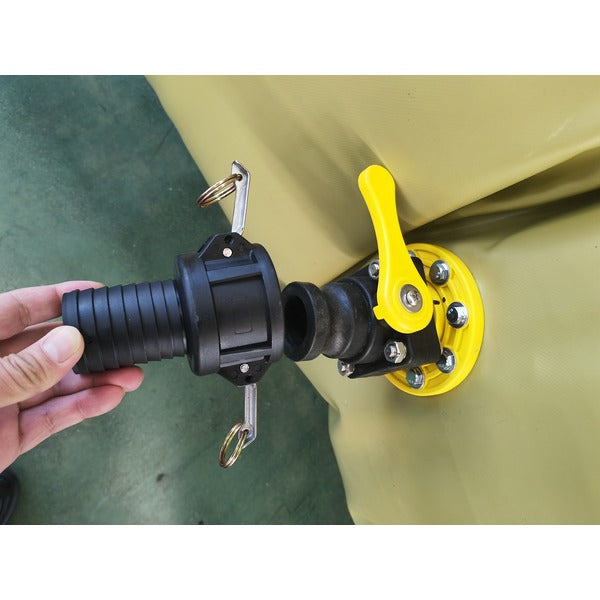
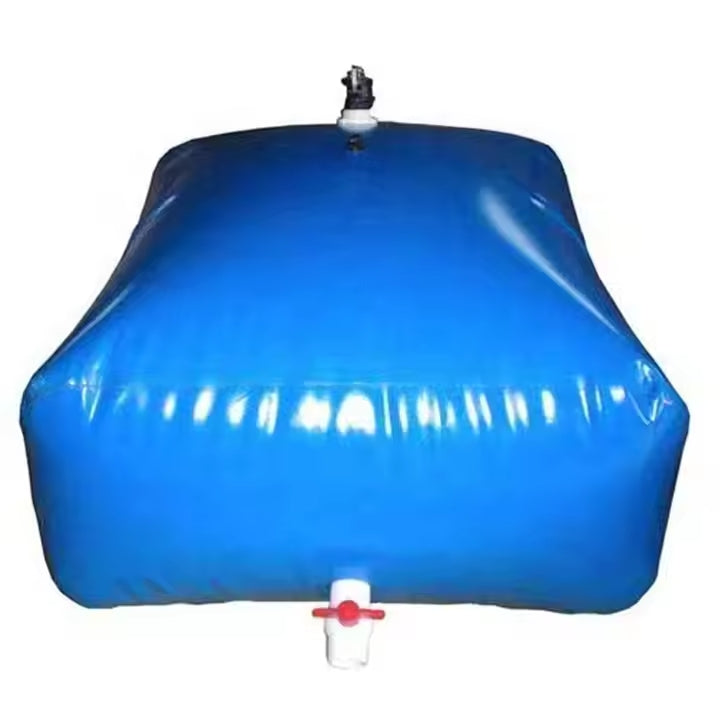
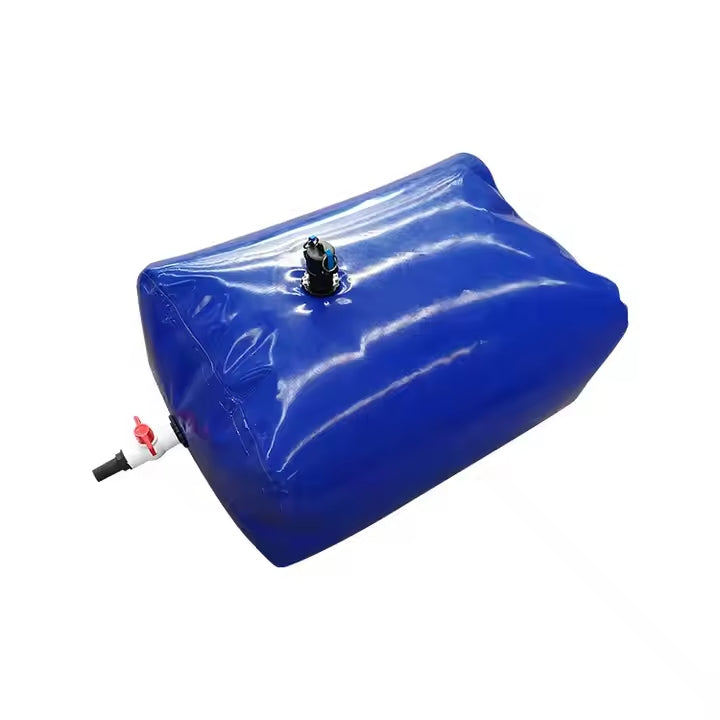
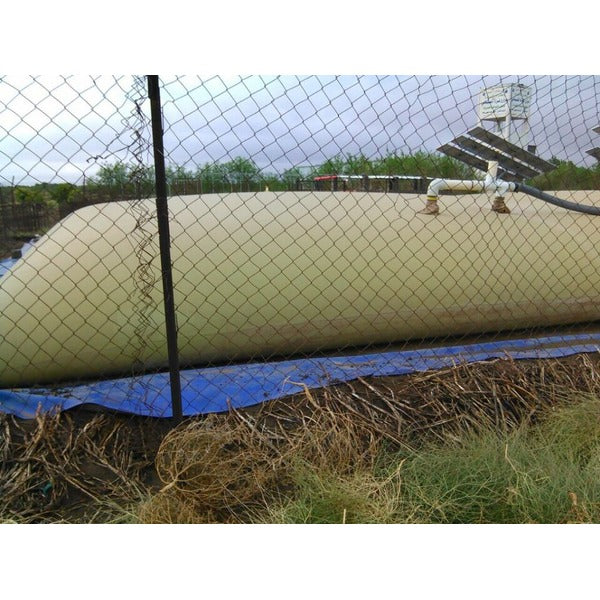
A stackable rain barrel, such as a 500L Stackable PVC Rainwater Harvesting Barrel, uses a reinforced PVC structure designed to maximize storage while minimizing ground space. Multiple tanks can be stacked vertically, allowing users to expand capacity without sacrificing valuable outdoor space. Modern PVC models are also foldable, making seasonal storage much easier than rigid barrels.
Side-by-Side Comparison
|
Feature |
Traditional Rain Barrel |
|
|
Space Efficiency |
Excellent |
Moderate |
|
Expandable Capacity |
Very Easy |
Requires more ground space |
|
Storage |
Foldable when empty |
Large even when empty |
|
Installation |
Quick and flexible |
Simple |
|
Portability |
Lightweight |
Heavy and bulky |
|
Material |
Reinforced PVC |
Plastic or resin |
|
Best For |
Small gardens, patios, farms |
Single-home gardens |
1. Space Utilization
Space is one of the biggest reasons homeowners switch to stackable systems.
Traditional rain barrels occupy the same amount of floor space regardless of how much water you need. If you want to double your storage, you usually need another barrel placed beside the first one.
Stackable PVC barrels solve this problem by allowing vertical expansion. Instead of covering additional ground, multiple tanks can be stacked while maintaining a relatively small footprint. This makes them ideal for:
● Small backyards
● Urban homes
● Greenhouses
● Patios
● Narrow side yards
● Commercial landscapes
If outdoor space is limited, stackable barrels offer a significant advantage.

2. Water Storage Capacity
Water demand changes throughout the year.
A traditional barrel with around 60 gallons may be enough for watering flower beds after light rainfall, but during long dry periods, the stored water can disappear quickly.
A 500L stackable barrel stores approximately 132 gallons (500 liters), providing substantially more usable water. Additional tanks can easily increase total storage without redesigning your rainwater collection system.
This larger capacity benefits:
● Vegetable gardens
● Orchards
● Lawn irrigation
● Livestock watering
● Emergency water reserves
3. Portability and Seasonal Storage
Rigid barrels are durable but often difficult to move.
Even when empty, traditional plastic barrels take up considerable storage space during winter or when not in use.
Most stackable PVC rain barrels feature:
● Foldable construction
● Lightweight materials
● Quick assembly
● Compact off-season storage
When emptied, they can be folded into a much smaller package, making transportation and storage far easier.
4. Installation Flexibility
Traditional barrels usually remain in one permanent location because of their size and weight.
Stackable PVC systems offer greater flexibility. They can be installed beside:
● House gutters
● Garden sheds
● Barns
● Greenhouses
● Temporary irrigation systems
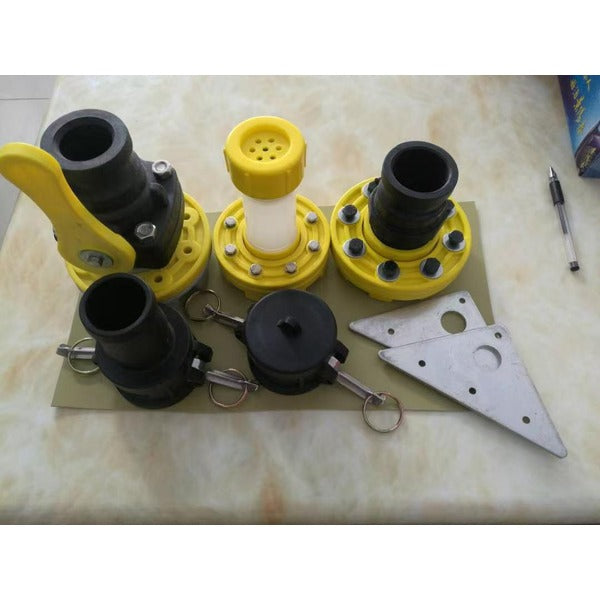
Many models also include standard hose connections, overflow outlets, and drainage valves, allowing easy integration into existing watering systems.
5. Durability
Some buyers assume rigid plastic barrels are always stronger.
However, modern stackable PVC rain barrels are manufactured using heavy-duty reinforced fabrics with welded seams designed for outdoor conditions.
Quality PVC tanks commonly offer:
● UV resistance
● Tear resistance
● Corrosion resistance
● Weather resistance
● Flexible construction that resists cracking
Unlike rigid plastic, which can become brittle over time in extreme temperatures, reinforced PVC remains flexible in many climates. Durability depends on the product's material quality and proper installation.

6. Maintenance
Both barrel types require regular maintenance.
Routine care includes:
● Cleaning inlet filters
● Removing leaves and debris
● Checking overflow valves
● Inspecting fittings
● Draining before extended freezing conditions if recommended by the manufacturer
Many foldable PVC barrels include mesh filters and zippered openings, making interior cleaning more convenient than some closed plastic designs.
7. Cost Considerations
Traditional rain barrels generally have a lower initial purchase price.
However, expanding storage often means purchasing multiple rigid barrels, additional connectors, and extra installation space.
Although stackable systems may cost more upfront, they can provide better long-term value because they:
● Maximize storage capacity
● Save outdoor space
● Reduce installation limitations
● Expand easily as water needs increase
For homeowners planning long-term rainwater harvesting, scalability can outweigh the initial investment.
Which Rain Barrel Is Best for Different Users?
Choose a Stackable Rain Barrel if you:
● Have limited outdoor space
● Need larger water storage
● Want an expandable system
● Prefer lightweight equipment
● Need seasonal portability
● Maintain large gardens or farms
Choose a Traditional Rain Barrel if you:
● Only collect small amounts of rainwater
● Have plenty of yard space
● Need a simple, fixed installation
● Prefer a basic entry-level solution
Environmental Benefits
Regardless of the design you choose, rainwater harvesting offers meaningful environmental advantages.
Collecting rainwater can help:
● Reduce household water consumption
● Lower water bills
● Decrease stormwater runoff
● Support sustainable gardening
● Reduce pressure on municipal water supplies
Using harvested rainwater for irrigation also provides plants with untreated, naturally soft water that many gardeners prefer over chlorinated tap water.
Final Verdict
Both traditional and stackable rain barrels effectively collect rainwater, but they serve different needs.
Traditional barrels remain a practical option for homeowners with modest water requirements and sufficient outdoor space. They are easy to install and suitable for basic gardening applications.
Stackable PVC rain barrels, however, offer greater flexibility for modern households. Their space-saving design, expandable storage, portability, and foldable construction make them an excellent solution for urban homes, small gardens, commercial properties, and anyone planning to increase rainwater storage over time.
If maximizing storage while minimizing ground space is your priority, a 500L Stackable PVC Rainwater Harvesting Barrel provides a practical, scalable, and efficient rainwater harvesting solution that can continue growing alongside your water needs.