

Save Rainwater Efficiently with 66-Gallon Foldable Soaking Tank
Save Rainwater Efficiently with 66-Gallon Foldable Soaking Tank
My friend Paul is a backyard gardener. Not a huge operation just four raised beds behind his garage where he grows tomatoes, peppers, and enough zucchini to annoy his neighbors. Last summer, he showed me his water bill and just shook his head.
July was brutal, he said. I spent over forty bucks just keeping my vegetables alive.
I asked why he didn't get a rain barrel.
He laughed. I looked into it. But my yard is tight. If I put a permanent barrel back there, I can't get my mower past it to the side gate. And I'm not handy enough to install some complicated gutter system.
He wasn't wrong. Traditional rain barrels are permanent. You put one in a corner, and that corner belongs to the barrel forever. Even in winter, when you're not watering anything, it just sits there. Empty. Taking up space.
Then I found something that changed his mind.
What Is a Foldable Rain Barrel?
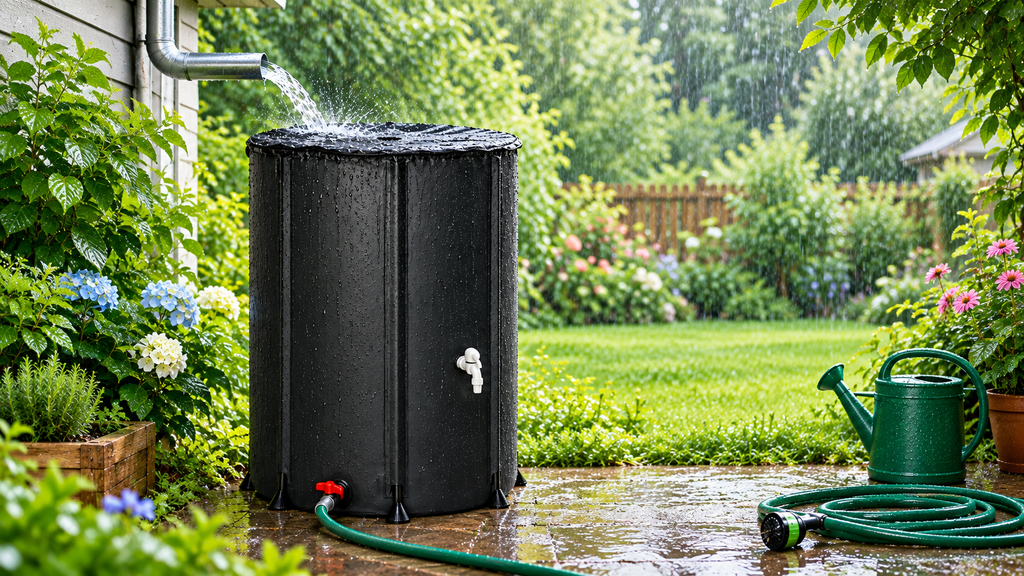
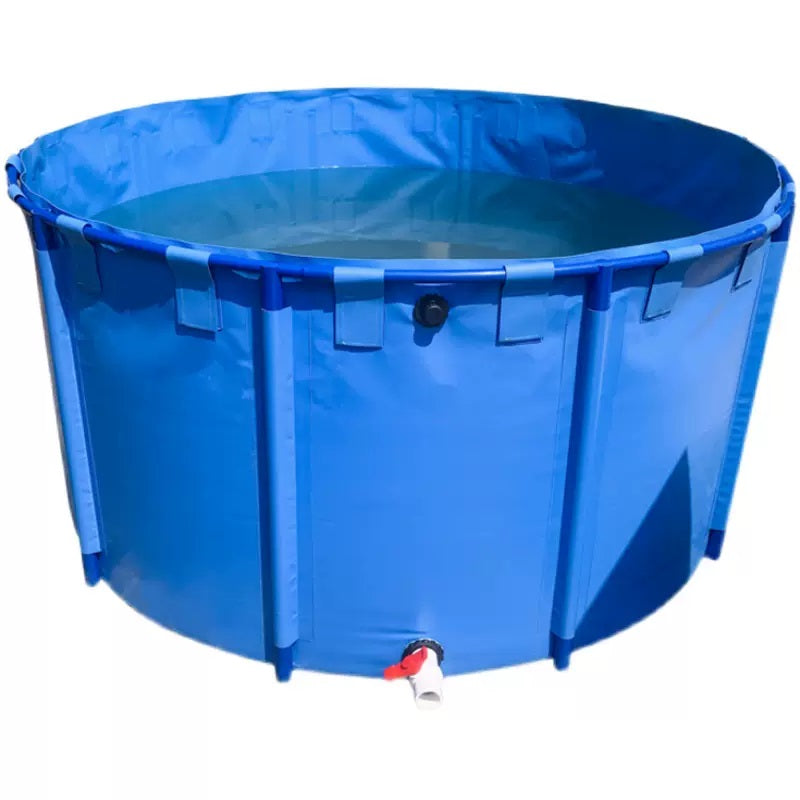
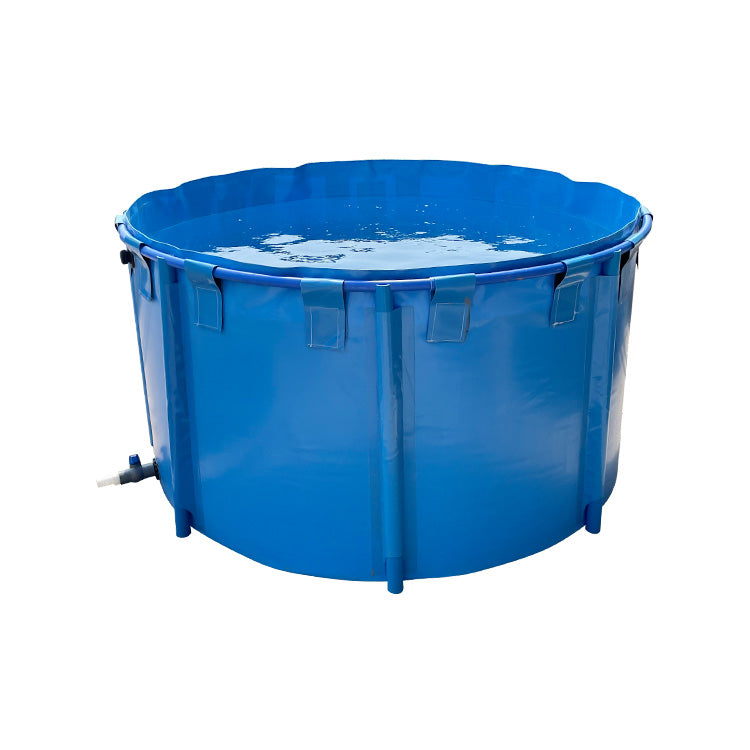
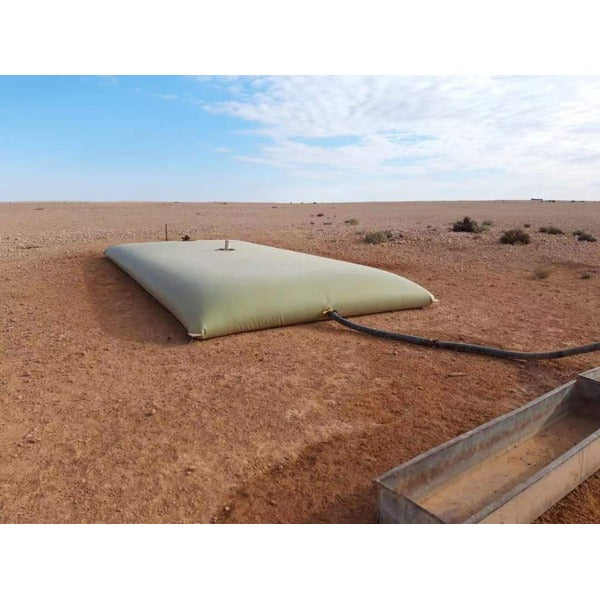
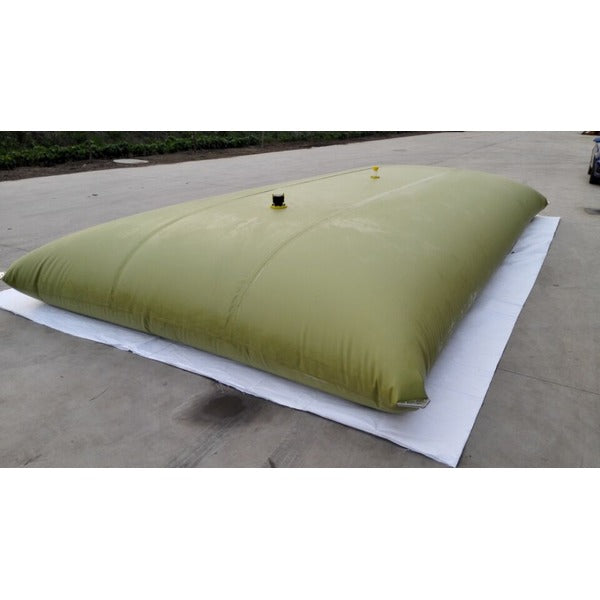
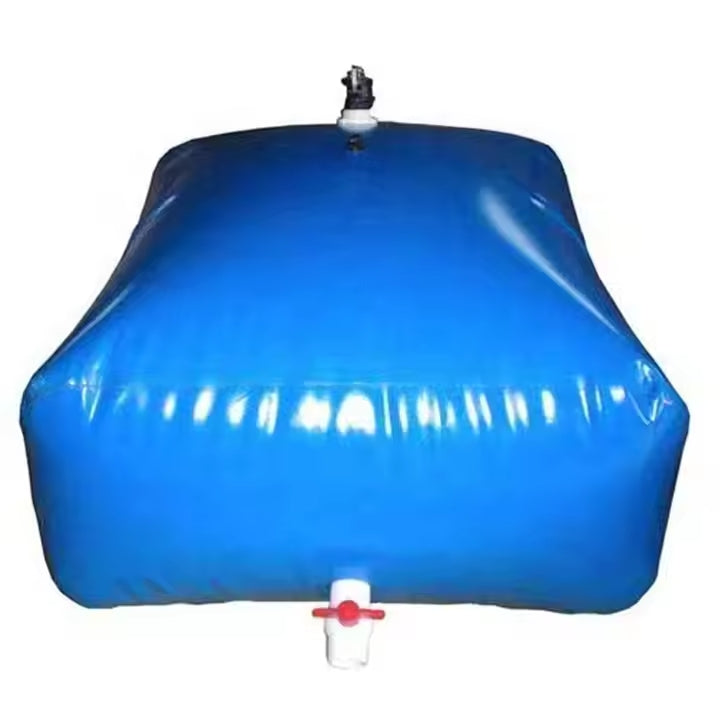
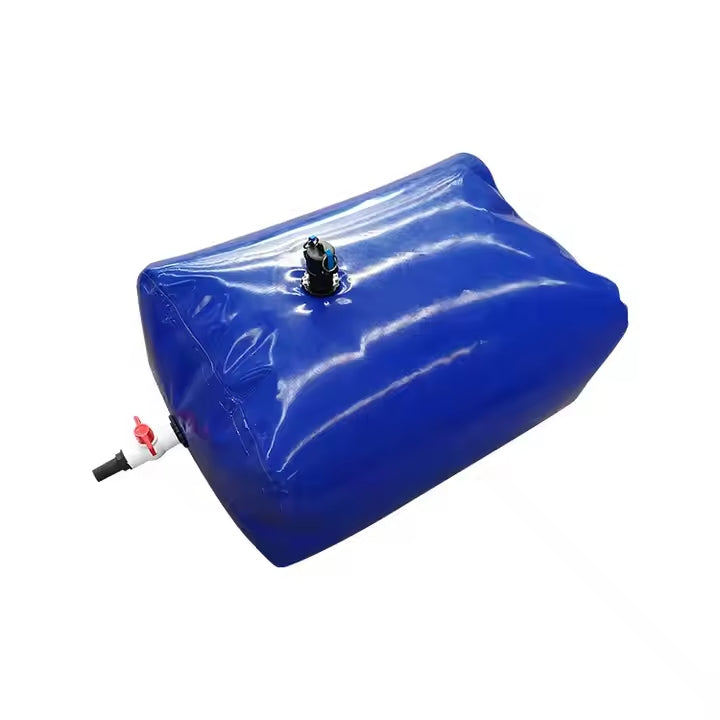
If you've never seen one, picture a heavy-duty cylinder made from thick PVC tarpaulin. The same kind of material they use for truck curtains and industrial tarps. When it's set up, it looks like a regular rain barrel. Stands about waist-high. Has a mesh screen on top to keep leaves and bugs out. Has a valve at the bottom for a garden hose.
But here's the difference. When it's empty, you pull out the support rods and the whole thing folds flat. You could slide it under a bed, lean it against a wall in the garage, or toss it in a storage bin.
Paul's problem was permanent space. He didn't have a corner he could give up forever. A foldable barrel? He could set it up in spring, use it all summer, and fold it flat in fall. His yard would go back to being his yard.

Why 66 Gallons Is the Right Size
Paul's barrel holds 66 gallons. That's about 250 liters. Big enough to make a real difference in his garden, but not so big that it's a hassle to manage.
For context, a mature tomato plant needs about 1 to 2 gallons of water per week in hot weather. Paul has about fifteen plants, plus peppers, cucumbers, and flowers. That 66 gallons can keep everything going for a couple of weeks, depending on how hot it gets.
The barrel itself is about 24 inches across and 35 inches tall. Fits in a corner without taking over the yard. And when it's folded? Maybe four inches thick.
What Paul's Setup Looks Like
When his barrel arrived, the box was flat. He pulled out the folded tank and six support rods. Laid everything out on his patio.
He slid the rods into the sleeves around the sides one by one. Took him maybe ten minutes. When he put the last rod in, the barrel stood up on its own.
"No tools?" he said. "I didn't even need a screwdriver?"
He put it under his downspout, aimed the gutter into the mesh top, and waited for rain.
A few days later, we had a good storm. He texted me a photo of his barrel, full to the top.
"Free water," he wrote. "And my yard still has room for my mower."
The Seed Soaking Bonus
Here's something I didn't expect. This barrel isn't just for collecting rain. It's also designed for soaking seeds before planting.
A large rice farm in northern China originally used these barrels for seed soaking. They found that soaking seeds overnight softened their shells and helped them germinate faster and stronger.
Paul tried it with his bean seeds. Soaked them for about eight hours before planting. He said they sprouted days earlier than usual and looked healthier.
If you're a gardener, that's a nice bonus feature. Same barrel holds your rainwater and preps your seeds.

The Features That Actually Matter
Paul pointed out a few things that surprised him.
The mesh screen. He thought it would be annoying, but it keeps leaves and bugs out. No mosquito larvae. No scooping debris off the top.
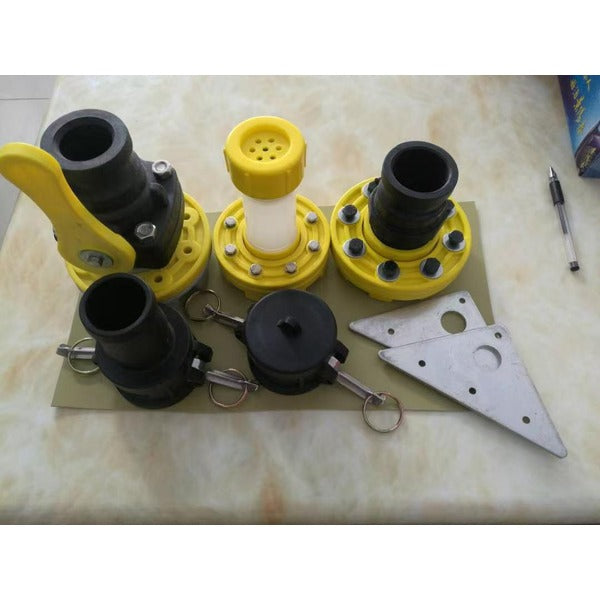
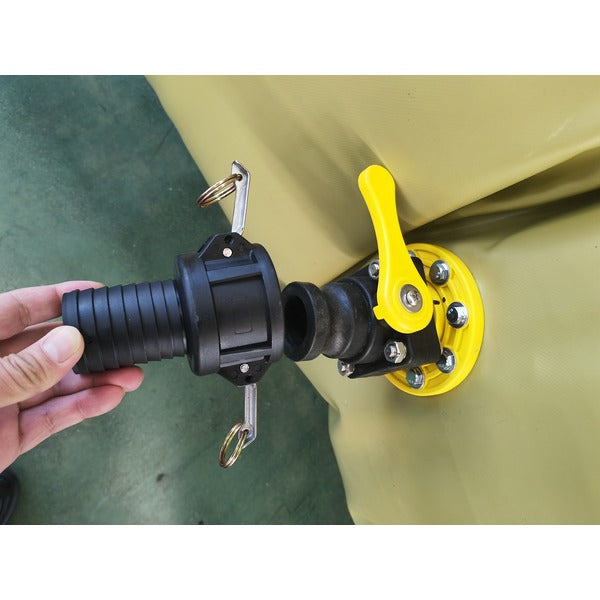
The bottom valve. Standard garden hose thread. He runs a soaker hose from the barrel to his tomato bed. No pumping, no carrying watering cans.
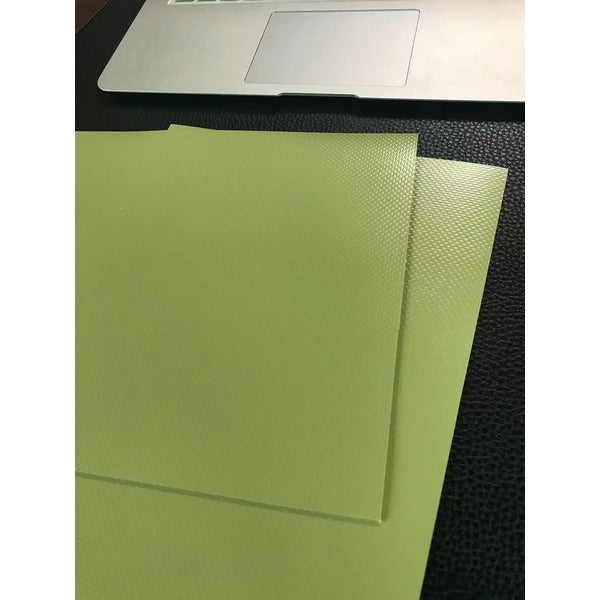
The material. It's 1000D PVC with UV resistance. That's the same denier as heavy-duty backpacks and industrial tarps. Rated down to cold temperatures. He doesn't worry about it cracking.
It folds. This is the big one. When fall came, he drained the barrel, let it dry, pulled the rods, and folded the whole thing flat. It slid right into his garage storage rack. His yard went back to being a yard.
The Water Savings Add Up
Paul did the math. His water bill in July and August used to run about $40 higher than in spring. Most of that was garden watering.
With the rain barrel, he cut his summer water usage by more than half. That's
20to
20to25 a month, for two or three months. The barrel paid for itself in less than two summers.
And that's just the money. A typical rainstorm on his roof puts hundreds of gallons down his downspouts. Now some of it goes into the barrel instead of the storm drain.
Who Else Uses These?
Paul's a homeowner with a garden. But foldable rain barrels work for all kinds of people.
Homeowners with small yards. Same situation as Paul. You want to save water, but you don't have room for a permanent barrel.
Renters. You can't make permanent changes to a property you don't own. A foldable barrel isn't permanent. Set it up when you need it, take it with you when you move.
Gardeners with seasonal watering needs. If you only garden in spring and summer, why have a barrel taking up space the rest of the year?
Small farmers. A 66-gallon barrel is great for soaking seeds before planting, as that rice farm discovered. And when you're done, it folds flat for storage.
Emergency preppers. You want water stored, but you don't want your garage looking like a survivalist compound.

Why More People Don't Have Rain Barrels
I think the biggest reason people don't collect rainwater is the space thing. They assume they need a permanent spot for a bulky barrel. They look at their yard, realize they don't have one, and give up.
Paul almost did that. He was ready to just keep paying higher water bills and forget about rainwater entirely.
But a foldable barrel changes that equation. You don't need permanent space. You need a corner during the months you're watering. The rest of the year, the barrel disappears.
The Bottom Line
Paul sent me a photo last week. His garden is already in, tomatoes starting to turn red. The foldable barrel is tucked next to his garage, full of water from a storm the night before.
"Best hundred bucks I've spent on the garden," he said.
If you've been putting off getting a rain barrel because you don't have the space or you thought it would be too complicated, take a look at a foldable soaking tank. It's simple. It's durable. And it just works.