

Big Water Capacity, Flexible Design: Inside the 1000-Gallon Tank
Planning an efficient water storage system involves more than simply choosing a tank with a large capacity. The right solution needs to fit your available space, water requirements, transportation needs, installation environment, and future plans.
For households, construction sites, farms, emergency response teams, remote camps, and mobile operations, a 1000-gallon water storage tank can provide a practical amount of reserve capacity. However, traditional rigid tanks are not always easy to transport, install, or store.
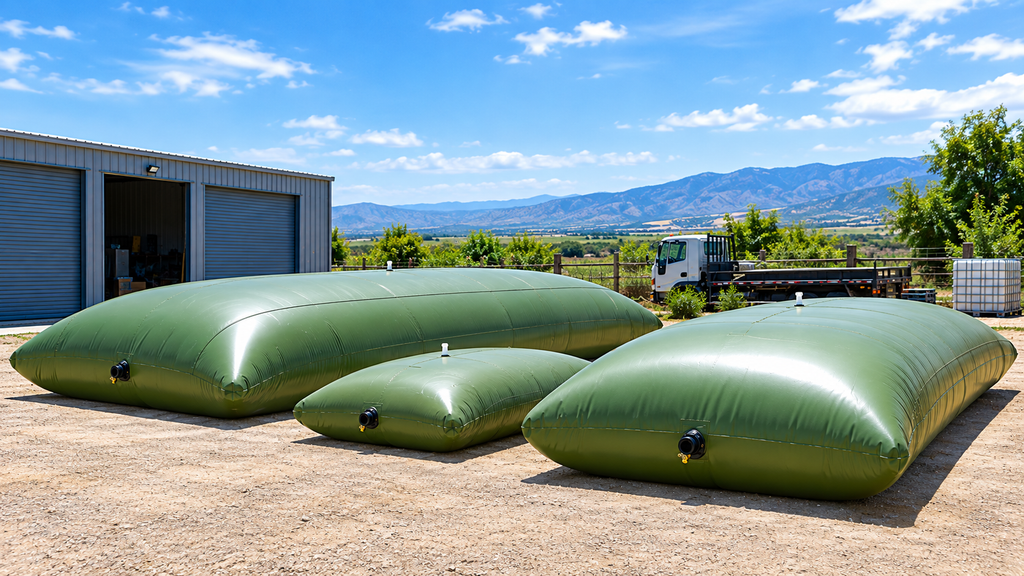
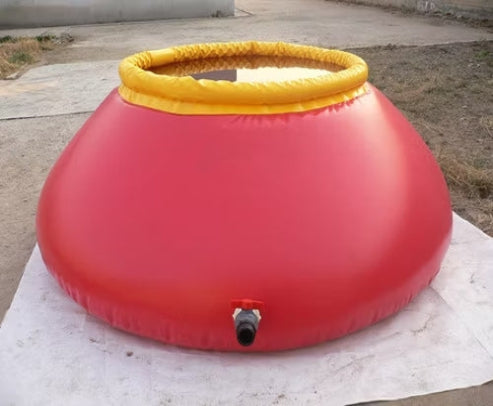
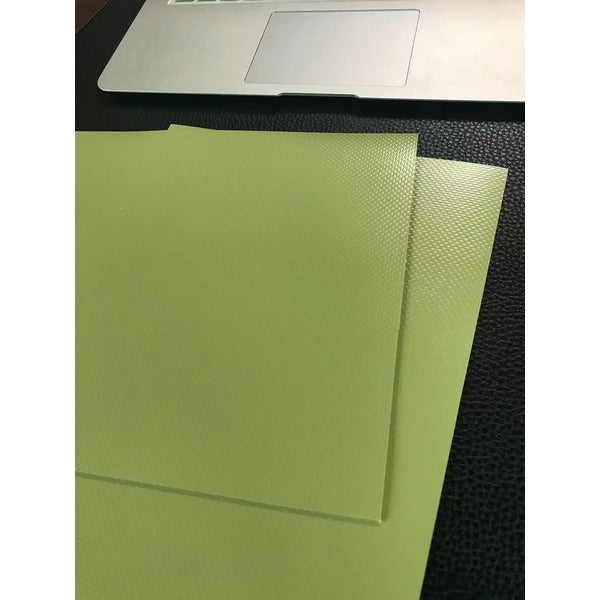
A flexible 1000-gallon water tank offers a different approach. Its collapsible structure can provide high-capacity storage while remaining relatively lightweight and compact when empty. The RAINBOW 1000-Gallon Flexible Potable Water Tank uses food-grade TPU/PVC fabric and is designed for drinking-water storage and transport.

Why Water Storage Planning Matters
Water demand can change from one situation to another.
A residential property may need backup drinking water during supply interruptions. A construction site may require temporary water storage throughout a project. Emergency teams may need to transport water to locations where permanent infrastructure is unavailable.
Without proper planning, users may purchase a tank that is either too small for actual demand or unnecessarily large for the available space.
A 1000-gallon capacity provides a useful middle ground for many applications. Instead of focusing only on tank capacity, however, it is important to consider how the tank will be installed, filled, transported, maintained, and stored.
Start by Estimating Your Water Demand
The first step in water storage planning is understanding how much water you actually need.
Consider your expected daily consumption and how long the stored supply should last. For residential backup, this could depend on the number of people and the intended emergency period. For construction or remote operations, water requirements may depend on the number of workers and the activities taking place.
A 1000-gallon tank can store up to 1,000 gallons of potable water, providing a substantial reserve without requiring the footprint of a large permanent tank.
Planning your expected usage first helps determine whether one tank is sufficient or whether additional capacity is necessary.
Make Better Use of Available Space
Space is often one of the biggest challenges when planning water storage.
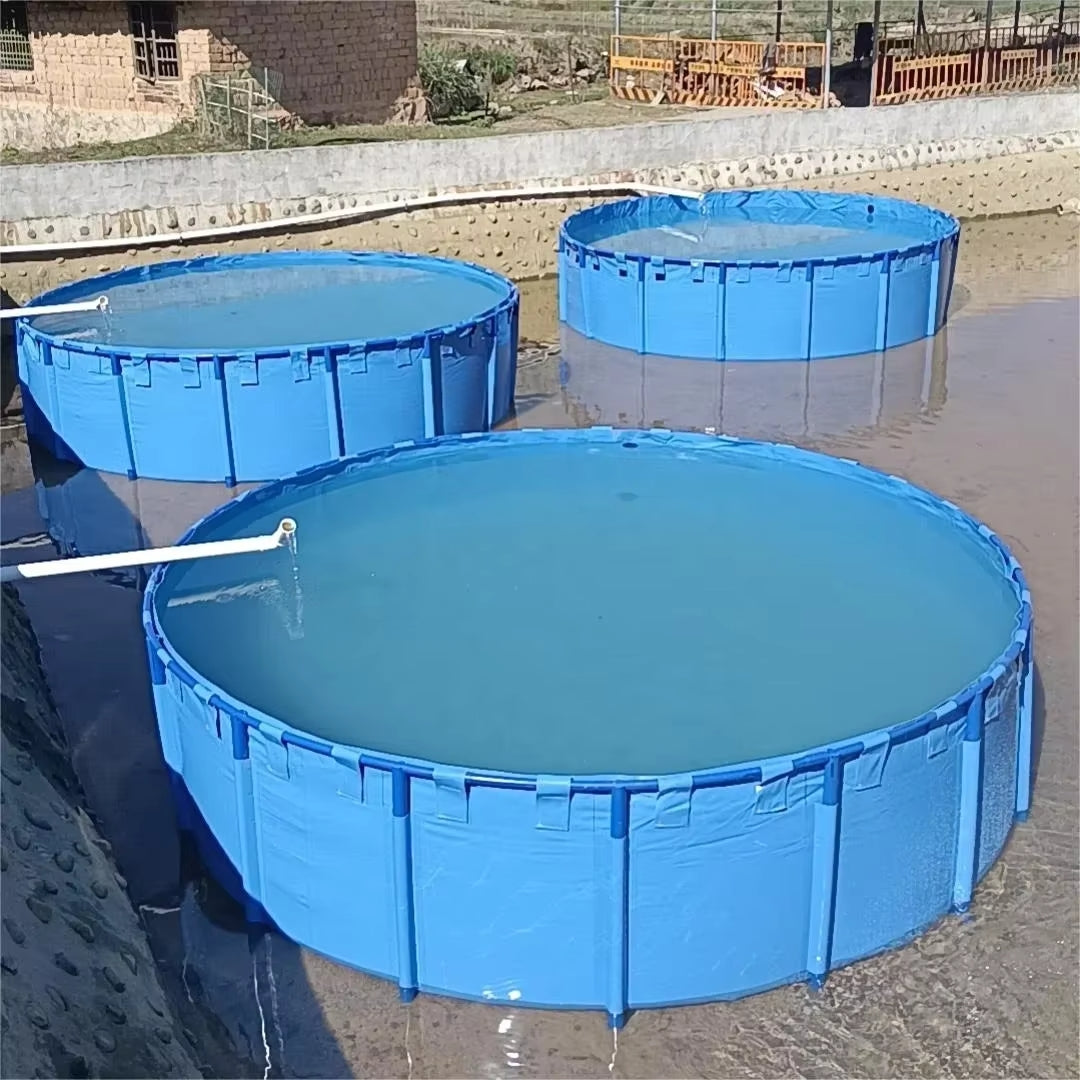
Rigid tanks have fixed dimensions and maintain their physical footprint even when empty. This can make them difficult to use in narrow areas, temporary sites, or locations with irregular layouts.
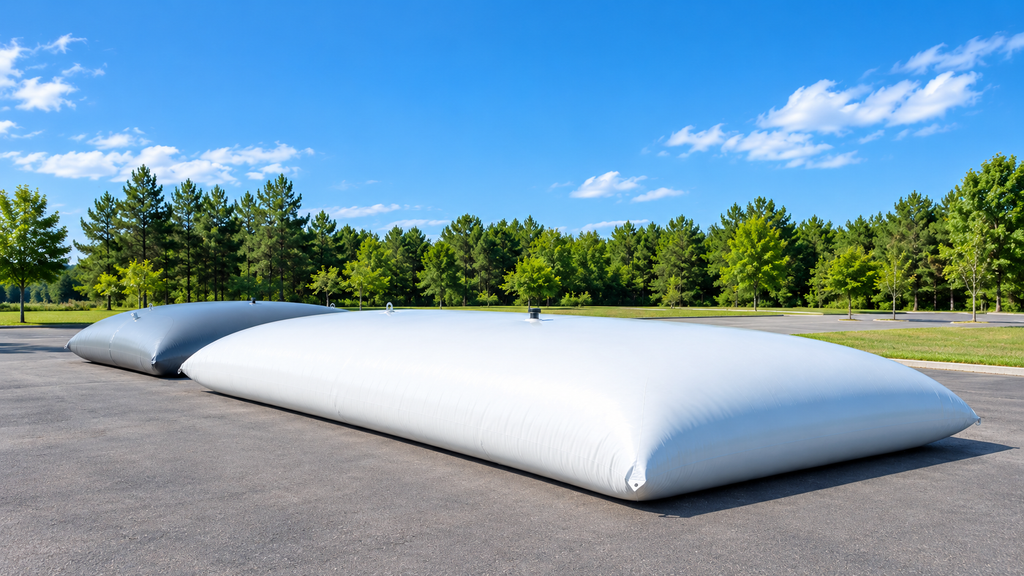
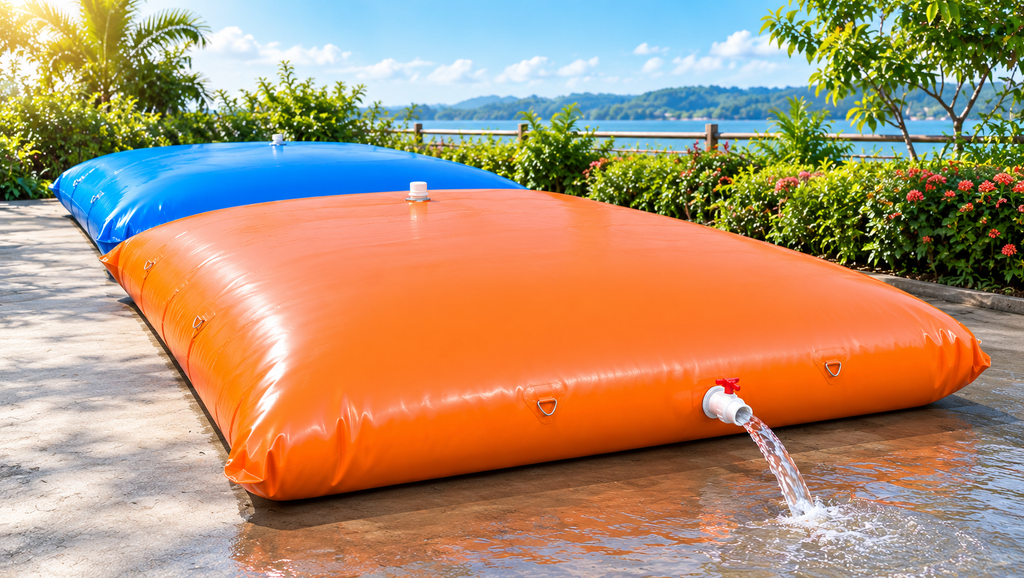
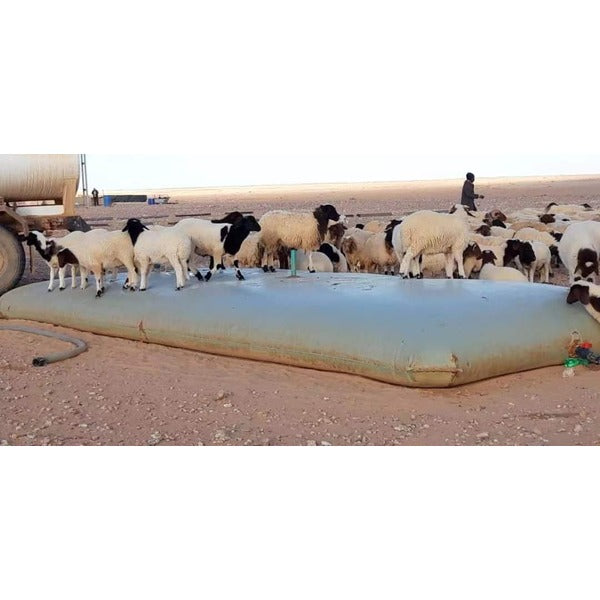
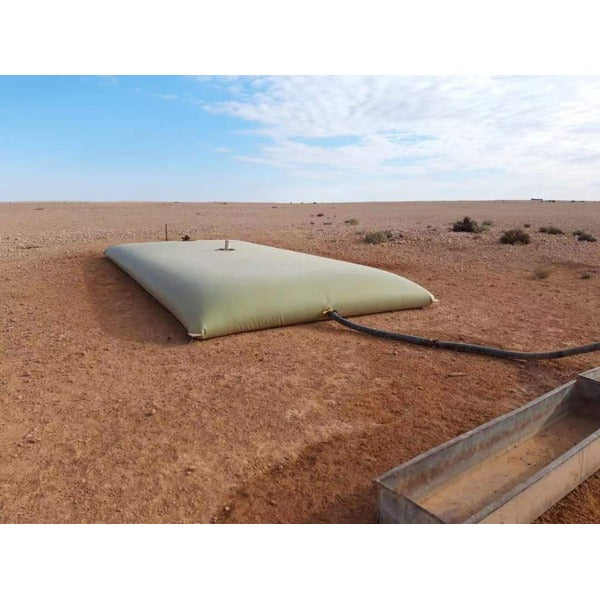
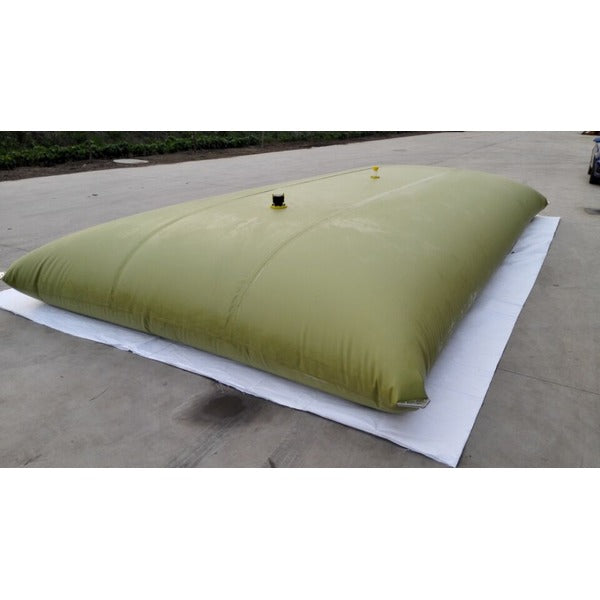
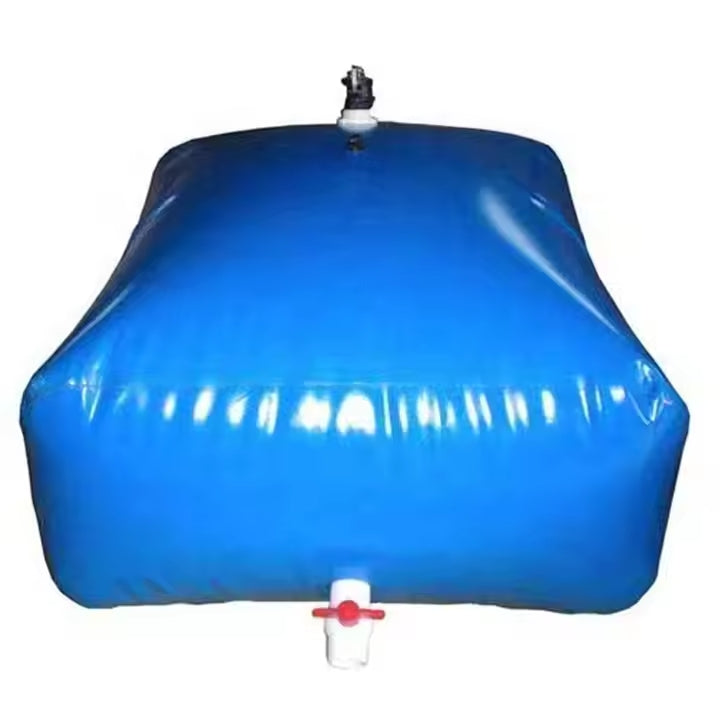
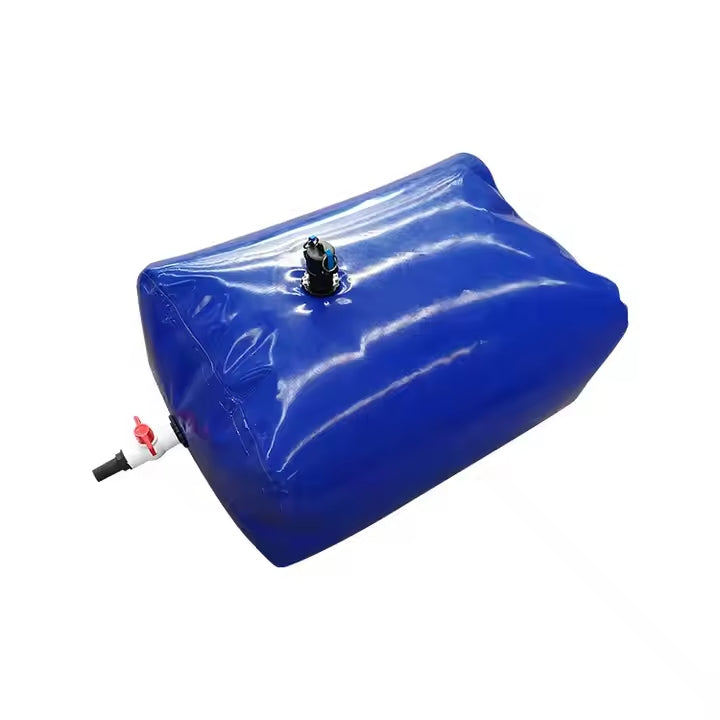
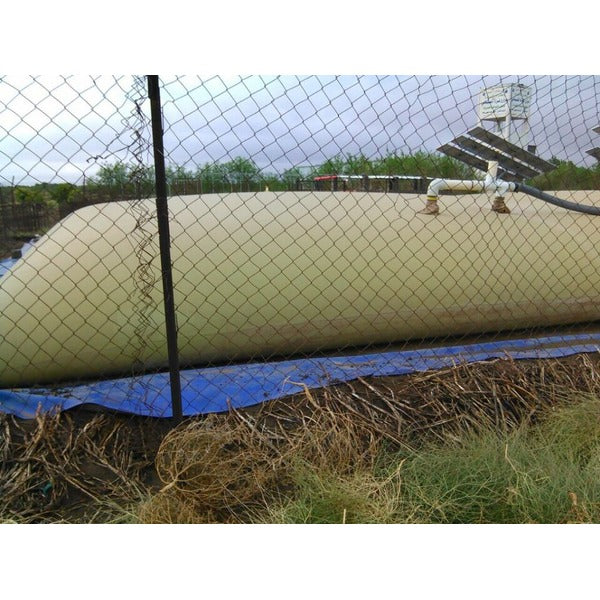
The 1000-gallon flexible tank uses a low-profile pillow-type design that can be deployed on the ground, in a truck bed, or in marine environments. Its collapsible structure also means it takes up less space when empty.
This gives users more flexibility when deciding where to place or store their water supply.
Simplify Transportation
Water storage planning becomes more complicated when the tank needs to move between locations.
A rigid tank can be difficult and expensive to transport because its structure remains large even when empty. In contrast, a flexible bladder can be folded for transportation and storage.
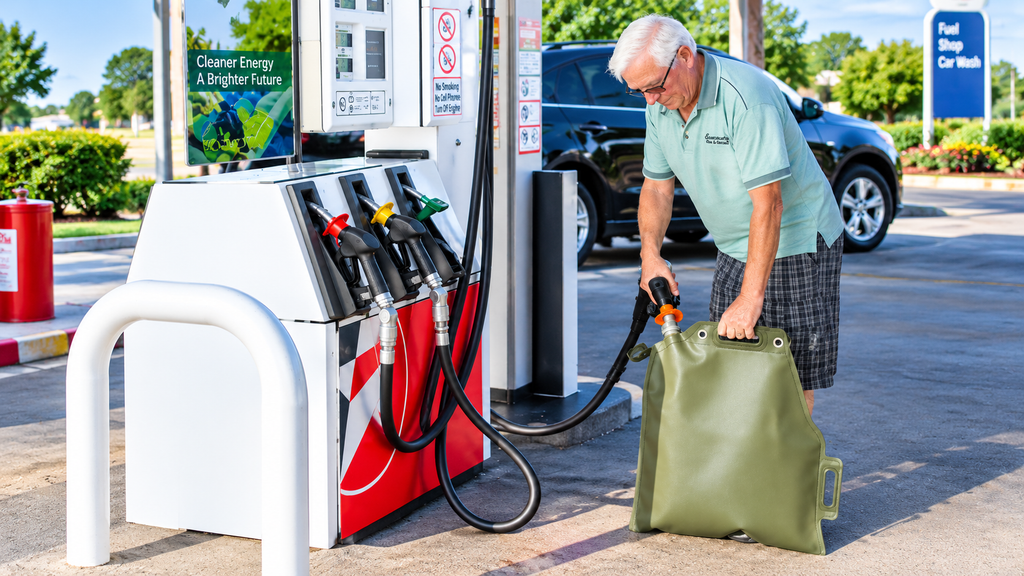
The featured 1000-gallon model is designed for ground, truck-bed, and marine deployment. This makes it suitable for mobile water systems, remote projects, emergency operations, and transportation-based applications.
For businesses that move equipment between project locations, this portability can make water-storage planning considerably easier.
Plan for Emergency Water Supply
Emergency preparedness requires storage systems that can be deployed when needed.
Natural disasters, infrastructure failures, remote incidents, and temporary water shortages can create sudden demand for stored drinking water.
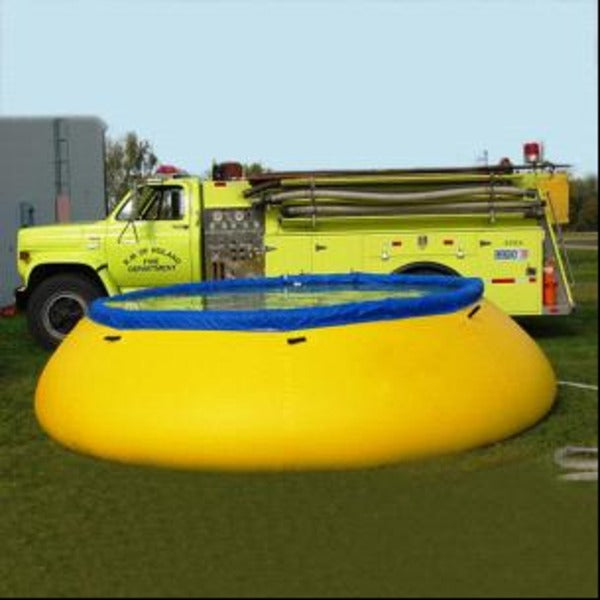
The product is specifically positioned for emergency and disaster-relief drinking water storage, remote camps, field operations, humanitarian applications, and residential backup systems.
Because the tank can be transported and deployed without requiring a permanent installation, it can provide greater flexibility when water needs change unexpectedly.
Consider the Type of Water Being Stored
Not all water tanks are suitable for drinking water.
If the stored water is intended for human consumption, the tank material should be specifically appropriate for potable water applications.
The RAINBOW 1000-gallon tank is manufactured from food-grade TPU/PVC fabric and is designed for potable drinking-water storage and transportation.
This distinction is important when planning emergency water supplies, residential backup systems, humanitarian projects, and mobile drinking-water operations.
Think About Temporary and Permanent Needs
A major advantage of flexible storage is that it can adapt to temporary water requirements.
For example, a construction company may need additional water storage for a project lasting several months. After the project ends, a rigid tank may become unnecessary but still occupy valuable space.
A collapsible tank can be drained, folded, transported, and stored for future use.
This makes flexible water storage particularly useful for organizations that do not need a permanent water-storage structure.
Compare Flexible and Rigid Storage Options
Before making a purchase, compare the features that matter most to your operation.
|
Feature |
1000-Gallon Flexible Tank |
Rigid Plastic Tank |
Steel/Concrete Tank |
|
Capacity |
1,000 gallons |
Varies |
Varies |
|
Portability |
Foldable and lightweight |
Limited |
Very limited |
|
Empty storage |
Compact |
Full footprint |
Permanent footprint |
|
Installation |
Ground or mobile deployment |
Usually fixed |
Permanent |
|
Emergency deployment |
Fast |
Moderate |
Slow |
|
Truck use |
Suitable |
Generally impractical |
Not practical |
|
Marine use |
Suitable |
Limited |
Not practical |
|
Potable water |
Food-grade model |
Depends on material |
Requires appropriate lining |
|
Space efficiency |
High |
Moderate |
Low |
The best solution depends on your application. Permanent infrastructure may be suitable for a long-term facility, while flexible storage can offer greater adaptability for mobile, temporary, or emergency requirements.
Consider Weather and Outdoor Conditions
Outdoor tanks need to withstand environmental exposure.
The product specifications describe the TPU/PVC construction as UV-resistant, corrosion-resistant, and temperature tolerant, making it suitable for outdoor operational environments.
However, choosing a weather-resistant tank is only part of the planning process. The installation area should also be prepared carefully.
Before deployment, make sure the surface is clean, stable, and free from sharp objects that could damage the flexible material. Proper positioning can help protect the tank during long-term outdoor use.
Plan for Multiple Applications
One of the benefits of a 1000-gallon flexible tank is its versatility.
The product is designed for several applications, including:
● Emergency and disaster-relief drinking water
● Remote camps and field operations
● Truck-based potable water transport
● Marine freshwater storage
● Construction-site water supply
● Residential backup drinking water
● Humanitarian and temporary settlement water storage
This versatility can simplify equipment planning for organizations that work across different locations or projects.
Think About Future Expansion
Your current water demand may not always remain the same.
If your business expands, a construction project grows, or emergency water requirements increase, you may need additional storage capacity.
The product line supports capacities ranging from 264 to 13,209 gallons, giving users options for different storage requirements.
Considering the manufacturer's broader capacity range when planning your initial system can make future expansion easier.
Plan for Storage When the Tank Is Empty
Water storage planning should include the period when the tank is not being used.
A rigid tank continues to occupy its full space regardless of whether it contains water. A flexible tank can be folded after it has been emptied and properly prepared for storage.
This is particularly useful for seasonal operations, emergency equipment, temporary construction projects, and mobile water systems.
Compact empty storage means the same equipment can be kept available without permanently dedicating a large area to it.
Consider Maintenance Before Purchase
A water storage system should be easy to inspect and maintain.
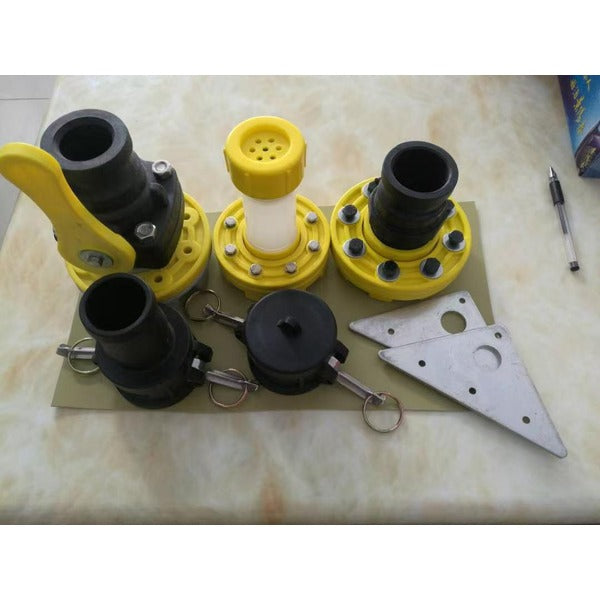
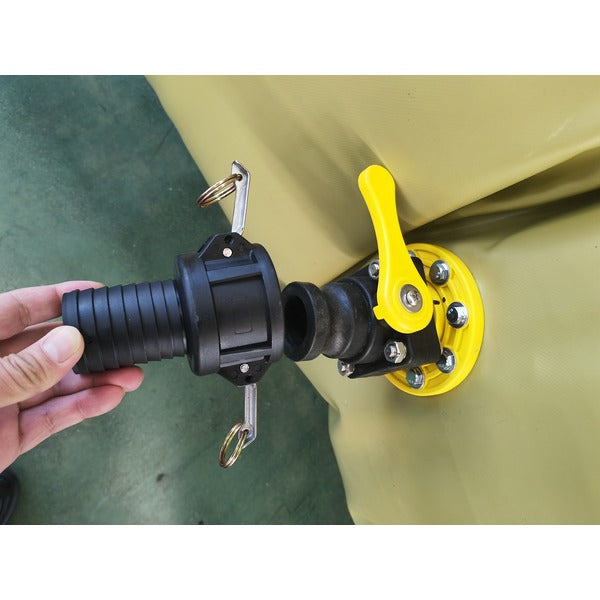
Before filling the tank, inspect the fabric, seams, fittings, and valves. Keep the installation area free of sharp debris and check the tank periodically for visible signs of damage or leakage.
For potable water applications, proper cleaning and water-handling procedures are also important.
Planning these maintenance requirements before purchase can help prevent unexpected problems and support reliable long-term use.
Why a 1000-Gallon Flexible Tank Can Simplify Planning
The biggest advantage of a flexible 1000-gallon tank is not simply its capacity. It is the combination of capacity, portability, space efficiency, and deployment flexibility.
The RAINBOW model provides 1,000 gallons of potable water storage while using a foldable pillow-type structure. It can be deployed on the ground, in truck beds, or in marine environments, and it can be stored more compactly when empty.
This allows users to think about water storage as a flexible resource rather than a permanent structure.

FAQs
How much water can a 1000-gallon flexible tank store?
The tank is designed to store up to 1,000 gallons of potable drinking water.
Is the 1000-gallon flexible tank suitable for drinking water?
Yes. The tank uses food-grade TPU/PVC fabric and is designed for potable water storage and transportation.
Can the tank be folded when empty?
Yes. Its flexible structure allows it to be folded for more compact transportation and storage.
Can it be used outdoors?
Yes. The specifications describe the tank as UV-resistant, corrosion-resistant, and temperature tolerant for outdoor applications.
Where can a 1000-gallon flexible water tank be used?
It can be used for emergency water supply, disaster relief, remote camps, construction sites, residential backup, truck-based water transport, marine freshwater storage, and humanitarian operations.
Is a flexible tank better than a rigid water tank?
It depends on the application. Flexible tanks are particularly advantageous when portability, compact storage, rapid deployment, or temporary use is important, while rigid tanks may be preferable for permanent installations.
Final Thoughts
Effective water storage planning starts with understanding your actual requirements.
Before choosing a tank, consider how much water you need, where it will be stored, whether it needs to move, what type of water you are storing, and what will happen when the tank is no longer required.
A 1000-gallon flexible potable water tank can simplify these decisions by combining high-capacity storage with a collapsible and portable design. Its food-grade TPU/PVC construction, low-profile structure, and suitability for ground, truck, and marine deployment make it a versatile option for residential, emergency, construction, humanitarian, and remote-site applications.
For organizations and individuals who need substantial water storage without committing to a permanent rigid tank, a flexible 1000-gallon bladder can provide a practical and adaptable solution.